
In the landscape of personal finance, traditional credit cards typically offer broad utility, allowing consumers to finance a wide array of purchases. However, certain specialized financial tools emerge to address specific needs. The CareCredit card is one such instrument, designed to facilitate access to healthcare services by providing a dedicated line of credit for medical expenses that might not be covered by insurance or are beyond immediate out-of-pocket capabilities.
Understanding CareCredit: A Specialized Financial Tool for Healthcare
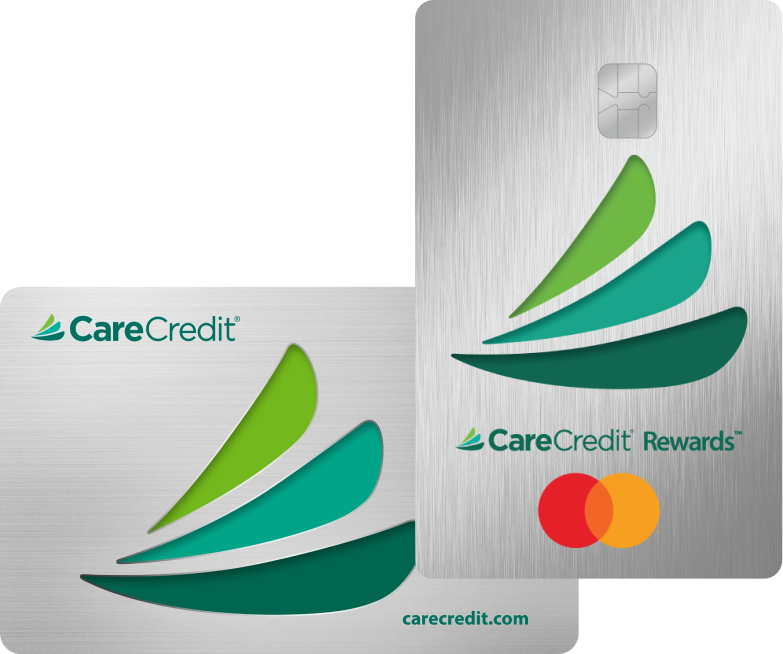
CareCredit is a credit card specifically intended for health and wellness expenses. Unlike a general-purpose credit card, its usage is restricted to a network of enrolled healthcare providers. This specialization allows it to offer unique financial arrangements tailored to the often significant and unexpected costs associated with medical, dental, veterinary, and cosmetic procedures.
Beyond Traditional Credit Cards
The primary differentiator for CareCredit is its singular focus on healthcare. While a standard credit card might be used for groceries, gas, and then a doctor’s visit, CareCredit can only be used at participating healthcare facilities. This narrow scope enables the card issuer to structure financing options that are specifically beneficial for medical expenditures, most notably through its promotional financing offers that can defer interest. It’s not a substitute for health insurance, but rather a complementary tool to manage the deductibles, co-pays, and uncovered services that insurance often leaves behind.
Who is CareCredit For?
CareCredit serves a broad spectrum of individuals seeking to finance various types of healthcare procedures. This includes:
-
Dental Patients: For routine check-ups, cleanings, braces, veneers, root canals, or more extensive reconstructive work.
-
Veterinary Care: Pet owners can use it for emergency surgeries, ongoing treatments, or routine preventative care for their animals.
-
Vision Care: Eyeglasses, contact lenses, Lasik surgery, and other ophthalmological procedures.
-
Cosmetic Procedures: Plastic surgery, injectables, dermatological treatments, and med spa services.
-
Hearing Aids: Covering the often high costs associated with hearing assistance devices.
-
Other Medical Specialties: This can include chiropractic care, audiology, bariatric surgery, and more, depending on the participating providers.
Essentially, anyone facing a significant out-of-pocket medical expense who prefers to pay over time rather than upfront might find CareCredit a relevant option.
How It Works: A Revolving Line of Credit
Similar to a traditional credit card, CareCredit operates as a revolving line of credit. Once approved, the cardholder receives a credit limit that can be used repeatedly at participating providers, as long as the account remains in good standing and the credit limit is not exceeded. When a charge is made, it becomes part of the outstanding balance, which the cardholder is then responsible for paying back according to the agreed-upon terms. The key difference lies in the financing options available at the point of service, which often include short-term promotional periods or longer-term fixed-rate plans specifically designed for healthcare costs.
Key Features and Benefits for Consumers
CareCredit’s appeal largely stems from its specialized features, which can offer significant financial relief for those managing healthcare costs. These features are designed to make expensive procedures more accessible by breaking down large sums into manageable payments.
Deferred Interest Promotional Periods
This is arguably the most significant benefit of CareCredit. Many participating providers offer promotional financing periods, typically ranging from 6 to 24 months, during which no interest is charged on the purchase. If the full promotional balance is paid off before the end of the promotional period, the cardholder pays no interest whatsoever, effectively receiving an interest-free loan for the duration. This can be a substantial advantage for planned procedures or unexpected emergencies where immediate funds are limited.
Fixed-Payment, Reduced APR Plans
For larger expenses or when a longer repayment window is needed, CareCredit also offers longer-term financing options. These plans typically last 24, 36, 48, or 60 months and come with a reduced Annual Percentage Rate (APR) compared to the card’s standard interest rate. These plans also feature fixed monthly payments, making it easier for cardholders to budget and predict their financial obligations over an extended period. While not interest-free, the reduced APR can still be more favorable than some personal loans or carrying a balance on a high-APR general-purpose credit card.
Broad Network of Healthcare Providers
CareCredit boasts an extensive network of healthcare providers across the United States. This broad acceptance ensures that cardholders have access to a wide range of services, from routine check-ups to specialized treatments. Before applying, individuals can easily search for participating providers in their area online, confirming that their chosen doctor, dentist, or veterinarian accepts CareCredit. This widespread integration into the healthcare ecosystem is a core aspect of its utility.
Quick Application and Approval Process
In many cases, applying for CareCredit is a streamlined process that can be completed online or even at a participating provider’s office. Decisions are often rendered quickly, sometimes within minutes, allowing individuals to make immediate financial arrangements for necessary treatments. This speed can be particularly beneficial in emergency situations where time is of the essence and immediate payment is required.
Important Considerations and Potential Drawbacks
While CareCredit offers distinct advantages, it’s crucial for consumers to understand its potential pitfalls and use it responsibly. Like any financial tool, misuse or a lack of understanding of its terms can lead to significant financial costs.
The Deferred Interest “Trap”
The most critical aspect to understand with CareCredit’s promotional periods is the concept of “deferred interest.” Unlike true 0% APR offers, where interest simply isn’t charged, deferred interest means that interest accrues from the original purchase date but is waived if the entire promotional balance is paid off in full by the end of the promotional period. If even a small balance remains unpaid at the end of that period, all the deferred interest from day one is retroactively added to the account. This can result in a sudden and substantial increase in the amount owed, turning an initially interest-free plan into a very expensive one. Careful budgeting and timely payments are paramount to avoid this “trap.”
High Standard Interest Rates
If a promotional period is not available, or if the balance is not paid off before the deferred interest period expires, CareCredit’s standard interest rate applies. This rate is typically quite high, often in the range of 26.99% or higher (as of common rates), which is comparable to or even higher than many general-purpose credit cards for individuals with fair to good credit. Carrying a balance at such a high APR can quickly make even a modest healthcare expense balloon into a much larger debt. It underscores the importance of fully understanding the terms before making a purchase.
Not All Providers Accept It
While CareCredit has a broad network, it is not universally accepted. Patients must verify that their specific healthcare provider participates in the CareCredit program. Relying on CareCredit without confirming acceptance could leave individuals without a financing option at the point of service, potentially delaying necessary treatment or forcing them to find alternative payment methods on short notice.
Impact on Credit Score
Applying for any credit card, including CareCredit, typically involves a hard inquiry on your credit report, which can temporarily lower your credit score by a few points. Furthermore, like any credit account, your payment history (or lack thereof), credit utilization, and the age of the account will impact your credit score. Responsible use, such as making on-time payments and keeping balances low, can positively influence your credit score, while missed payments or high utilization can negatively affect it.
Is CareCredit Right for Your Financial Situation?
Deciding whether CareCredit is the appropriate financial tool depends heavily on your individual circumstances, the nature of the healthcare expense, and your ability to manage credit responsibly.
When CareCredit Can Be a Smart Choice
CareCredit can be a highly effective solution in specific scenarios:
-
Planned Procedures with a Clear Repayment Strategy: If you have a definite plan and the discipline to pay off the entire balance within the promotional period, it effectively provides an interest-free loan for a significant expense.
-
Emergency Care: For unexpected medical needs when immediate funds are unavailable, CareCredit can provide a crucial bridge, allowing time to manage the financial aspect without delaying treatment.
-
Budgeting for Recurring Elective Procedures: For ongoing treatments like orthodontics or certain cosmetic therapies, the ability to spread out payments without immediate interest can be valuable.
-
When Insurance Gaps Exist: For procedures not covered by insurance or when high deductibles make upfront payment difficult, CareCredit can fill that gap.
Alternatives to Consider
Before opting for CareCredit, it’s prudent to explore other financial alternatives, which might be more suitable or less risky for your specific situation:
-
Personal Loans: These often come with fixed interest rates and terms, and can sometimes offer lower APRs than CareCredit’s standard rate, especially for borrowers with excellent credit.
-
Payment Plans Directly with Providers: Many healthcare providers offer their own in-house payment plans, sometimes with no interest, which can be less complex than a third-party credit card.
-
Medical Credit Cards (Other Brands): CareCredit is not the only player; other specialized medical credit cards exist with varying terms and networks.
-
Health Savings Accounts (HSAs) or Flexible Spending Accounts (FSAs): For those with high-deductible health plans, HSAs offer a tax-advantaged way to save and pay for medical expenses. FSAs allow pre-tax contributions for healthcare costs.
-
Savings: Ideally, having an emergency fund that can cover unexpected medical costs is the best financial defense.
-
Negotiating with Providers: Sometimes, providers may offer discounts for upfront cash payments or be willing to adjust costs.
Responsible Usage and Financial Planning
The key to leveraging CareCredit effectively without falling into debt is responsible financial planning. Always:
-
Understand the Terms Fully: Read the fine print, especially regarding deferred interest and the standard APR.
-
Budget Meticulously: Create a repayment plan that ensures you can pay off the promotional balance in full before the period ends.
-
Prioritize Payments: If you have multiple credit accounts, prioritize paying off any CareCredit balances with deferred interest to avoid retroactive charges.
-
Only Borrow What You Can Afford: Avoid using CareCredit for non-essential procedures if repayment seems unlikely within favorable terms.
In conclusion, the CareCredit card serves a valuable niche in personal finance, offering a specialized solution for managing healthcare costs. When used wisely and with a clear understanding of its unique terms, particularly the deferred interest feature, it can be a powerful tool to make necessary or desired medical procedures more accessible. However, neglecting its terms can lead to significant interest charges, underscoring the importance of diligent financial management and careful consideration of all available options.
aViewFromTheCave is a participant in the Amazon Services LLC Associates Program, an affiliate advertising program designed to provide a means for sites to earn advertising fees by advertising and linking to Amazon.com. Amazon, the Amazon logo, AmazonSupply, and the AmazonSupply logo are trademarks of Amazon.com, Inc. or its affiliates. As an Amazon Associate we earn affiliate commissions from qualifying purchases.