
In the realms of neonatal care and automotive engineering, the “car seat test” represents a critical bridge between biological vulnerability and technological protection. While the term is often used by parents to describe the clinical procedure required before a premature infant can be discharged from the hospital, it also encompasses a broader spectrum of technological evaluation, including crash-test simulations, sensor-driven safety protocols, and the integration of IoT in child passenger safety.
To understand what the car seat test is, one must look beyond the physical seat itself and examine the sophisticated technology used to monitor physiological responses and the high-tech engineering designed to mitigate kinetic energy during a collision. This article explores the “car seat test” through the lens of medical technology and automotive innovation, highlighting how data-driven systems ensure the safety of the most vulnerable passengers.
The Clinical Car Seat Test: Pediatric Monitoring and Bio-Sensor Technology
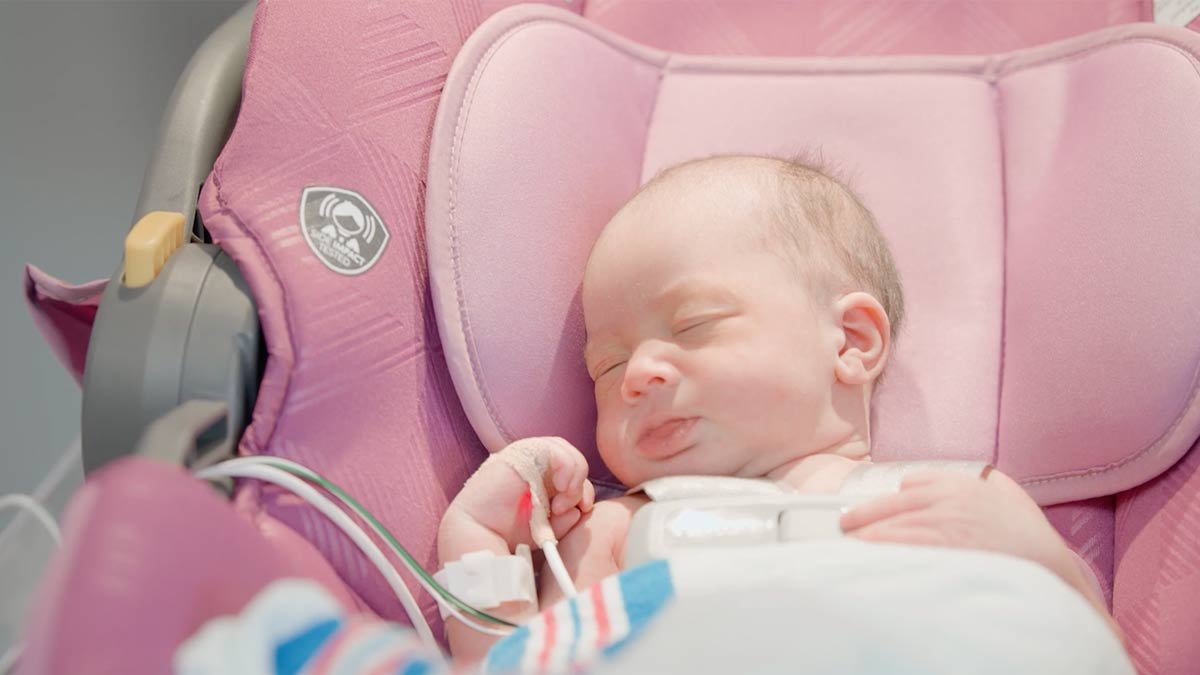
For families of infants born prematurely or with certain health conditions, the car seat test—formally known as the Infant Car Seat Challenge (ICSC)—is a mandatory technological evaluation. The primary objective is to monitor how a neonate’s respiratory and cardiovascular systems handle the semi-upright position required by a car seat. This position can occasionally lead to airway obstruction or decreased oxygenation in infants with underdeveloped muscle tone.
The Role of Pulse Oximetry and Respiratory Monitoring
The core technology utilized during a clinical car seat test is the pulse oximeter. This non-invasive medical device measures the oxygen saturation (SpO2) in the infant’s blood and their heart rate. During the 90 to 120-minute test, sensors are attached to the infant’s foot or hand, transmitting real-time data to a bedside monitor.
Advanced pulse oximetry uses photoplethysmography (PPG), which involves emitting light at specific wavelengths (red and infrared) through the skin. By measuring the light absorption of oxygenated versus deoxygenated hemoglobin, the technology provides a digital readout of the infant’s stability. If the technology detects a “desaturation” (a drop in oxygen levels) or bradycardia (a slowed heart rate), the test is flagged, and medical intervention or specialized seating technology, such as a car bed, may be required.
Data Analysis in Neonatal Safety Protocols
Modern neonatal intensive care units (NICUs) utilize integrated software systems to analyze the data collected during these tests. Rather than relying solely on a nurse’s observation, sophisticated algorithms filter out “noise” from the infant’s movements to ensure that the readings are accurate. This technological precision prevents “false failures” while ensuring that infants who are genuinely at risk are identified before they are placed in a vehicle environment.
Automotive Engineering: The “Test” Behind the Seat Design
While the clinical test evaluates the passenger, the automotive “car seat test” refers to the rigorous engineering and crash-simulation protocols that a seat must pass before it reaches the market. This side of the car seat test is rooted in physics, materials science, and advanced computational modeling.
Computer-Aided Engineering (CAE) and Virtual Simulations
Before a physical prototype of a car seat is even manufactured, it undergoes thousands of “virtual car seat tests.” Engineers use Finite Element Analysis (FEA) software to simulate how different materials—such as expanded polystyrene (EPS) foam, high-density polyethylene (HDPE), and steel reinforcements—will react under the extreme stress of a collision.
These digital simulations allow designers to identify “stress concentrations” where the plastic might crack or the harness might fail. By iterating in a virtual environment, tech teams can optimize the geometry of the seat to better manage energy distribution. This level of technological foresight ensures that the final physical product is capable of absorbing the maximum amount of kinetic energy, redirecting it away from the child’s fragile anatomy.
Anthropomorphic Test Devices (ATDs) and Sensor Integration
The physical phase of the car seat test involves sled testing, where the seat is propelled down a track to simulate a crash. The “test subjects” here are Anthropomorphic Test Devices (ATDs), or crash-test dummies. These are not merely plastic dolls; they are highly sophisticated pieces of technology equipped with hundreds of internal sensors.
Modern pediatric ATDs contain accelerometers, load cells, and potentiometers. During a test, these sensors capture data at a rate of 10,000 samples per second. They measure “head injury criteria” (HIC), chest deceleration, and neck tension. This data is then transmitted to high-speed data acquisition systems, allowing engineers to see exactly how many G-forces the “infant” experienced. The “test” is passed only when the technological data confirms that the forces exerted on the dummy fall within safe, regulated limits.
The Rise of Smart Car Seat Technology and IoT
As we move further into the era of the “Internet of Things” (IoT), the car seat test is evolving from a one-time evaluation into a continuous, real-time monitoring process. The integration of “smart” tech into car seats is redefining what it means to test for safety.
IoT Sensors and Real-Time Safety Alerts
Several leading tech firms in the juvenile products industry have introduced integrated sensor systems, such as Cybex’s SensorSafe or Evenflo’s Gold series. These systems involve a smart chest clip connected via Bluetooth to a vehicle’s OBD-II port or a smartphone app.
The “test” here is continuous. The technology monitors if the ambient temperature in the car becomes too high, if the child has been sitting for too long, or—most critically—if the child has unbuckled the clip while the vehicle is in motion. This shift represents a move from passive safety (the structure of the seat) to active safety (technological intervention).
AI-Driven Installation Assistants
One of the most common reasons a car seat “fails” in a real-world scenario is incorrect installation. To combat this, new technology is being developed to automate the testing of the installation itself. Some high-end seats now feature digital leveling systems and tension-sensing technology that provides LED feedback or haptic alerts if the seat is not secured with the correct amount of force. By using digital sensors to “test” the installation in real-time, the margin for human error is significantly reduced.
Future Frontiers: Digital Twins and Physiological Prediction
The future of the car seat test lies in the convergence of medical data and automotive tech. We are approaching a point where a child’s specific physiological data could be used to customize their safety environment.
Digital Twin Technology
In the world of high-end manufacturing and aerospace, a “Digital Twin” is a virtual replica of a physical asset. Experts suggest that the next evolution of the car seat test will involve creating digital twins of pediatric passengers based on their specific bone density, height, and weight.
Using AI, engineers can run simulations to see how a specific child—not just a generic dummy—would fare in a specific seat model during a side-impact collision. This hyper-personalized “test” would allow for the development of adaptive car seats that change their rigidity or positioning based on the passenger’s unique data profile.
Regulatory Tech and Global Safety Standards
The “car seat test” is also becoming more globalized through the use of shared digital databases. Regulatory bodies like the NHTSA in the United States and Euro NCAP in Europe are increasingly using standardized software to share crash-test results and safety ratings. This technological transparency forces manufacturers to adhere to higher standards, as their “test” results are now subject to international digital scrutiny.
As we look toward autonomous vehicles, the car seat test will likely change again. If the interior of a car becomes a mobile living space where seats can rotate, the technology used to test these configurations will require entirely new algorithms to account for different angles of impact and motion.
Conclusion
The car seat test is far more than a simple check-off list for hospital discharge or a basic crash simulation. It is a complex ecosystem of medical sensors, automotive engineering software, and IoT-driven safety features. From the pulse oximetry that monitors a preemie’s first journey home to the high-speed data acquisition of a 30-mph sled test, technology is the silent guardian of the next generation.
By continuing to push the boundaries of what sensors can detect and what simulations can predict, the tech industry ensures that the “car seat test” remains a gold standard for safety. As we move toward a future of smart cities and connected vehicles, the integration of these technological advancements will only deepen, making the car seat one of the most advanced pieces of tech in any modern household.
aViewFromTheCave is a participant in the Amazon Services LLC Associates Program, an affiliate advertising program designed to provide a means for sites to earn advertising fees by advertising and linking to Amazon.com. Amazon, the Amazon logo, AmazonSupply, and the AmazonSupply logo are trademarks of Amazon.com, Inc. or its affiliates. As an Amazon Associate we earn affiliate commissions from qualifying purchases.