
The film “Training Day” (2001) etched itself into the annals of cinematic history, not only for its gripping narrative and Denzel Washington’s Oscar-winning performance but also for its distinctive aesthetic and powerful character development. Among the many elements that contributed to the movie’s enduring legacy, one arguably stands out as a silent, yet formidable, brand ambassador: Alonzo Harris’s car. This isn’t just a vehicle; it’s a meticulously chosen prop that transcends its functional purpose to become a crucial component of the film’s overall brand identity, Alonzo’s personal brand, and a lasting cultural symbol. Far from a mere plot device, the 1979 Chevrolet Monte Carlo lowrider is a masterclass in cinematic branding, demonstrating how even supporting elements can powerfully convey meaning, establish authenticity, and forge an indelible connection with the audience.
The Monte Carlo’s Role in Shaping Alonzo’s Brand Identity
In “Training Day,” Alonzo Harris isn’t just a corrupt cop; he’s a self-styled kingpin operating within the grey areas of law enforcement. His brand is built on intimidation, charisma, and a street-wise understanding of power dynamics. The choice of his personal transport is not arbitrary; it’s a deliberate extension of this brand, communicating volumes about his character before he even speaks.
A Character’s Extension: Beyond Mere Transportation
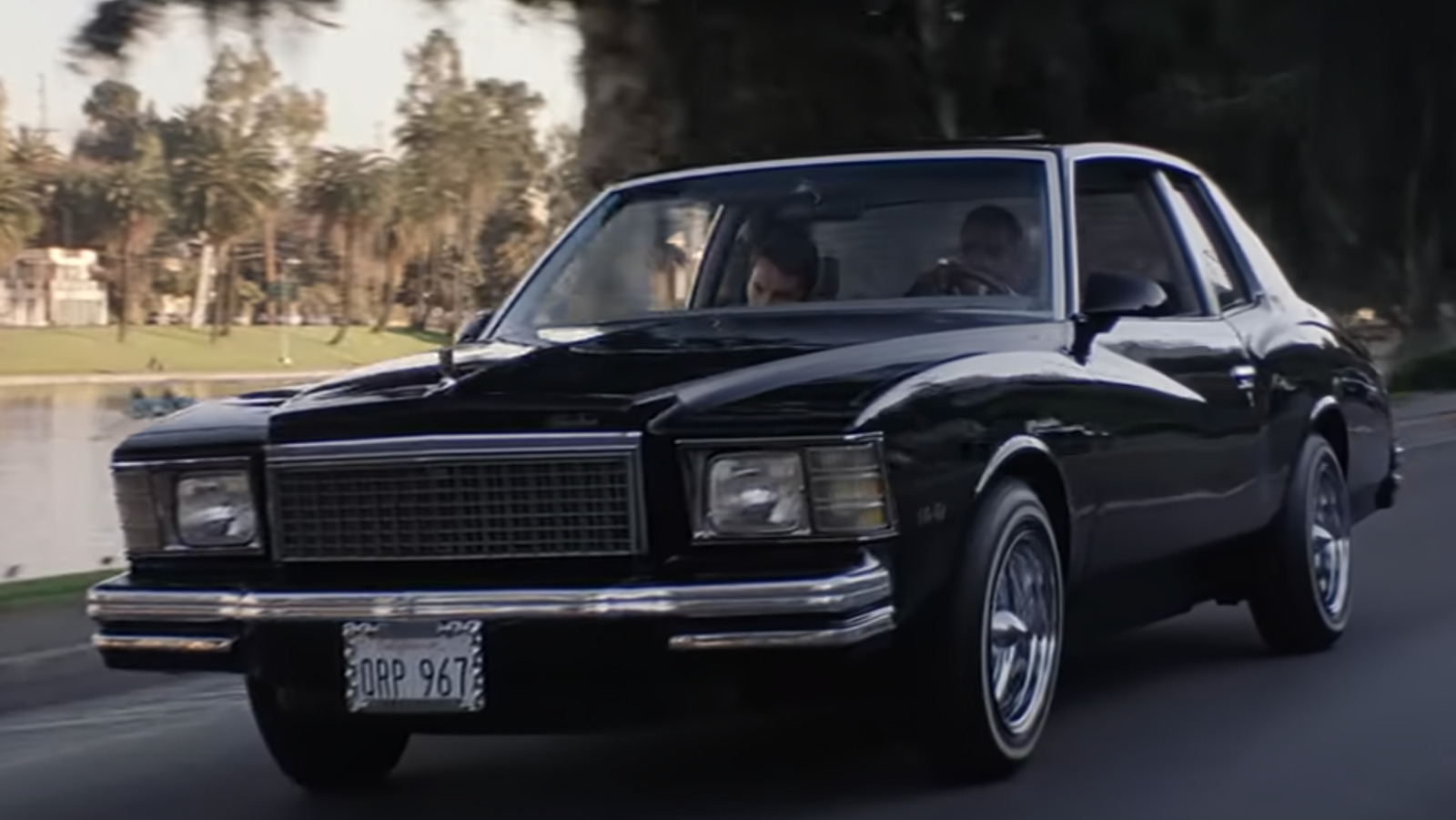
The 1979 Chevrolet Monte Carlo, customized as a lowrider, is more than just Alonzo’s ride; it’s an organic extension of his persona. Alonzo Harris is a man who operates outside conventional rules, flaunting his ill-gotten gains and unique brand of justice. A standard, unmarked police cruiser would betray his maverick spirit. Instead, his Monte Carlo, with its distinctive aesthetic, immediately signals his detachment from the force’s conventional image and his deep immersion in the street culture he ostensibly polices. It’s a vehicle that embodies his swagger, his disregard for protocol, and his dominant presence, making it an indispensable part of his individual “brand.” The car communicates that Alonzo is not merely an officer, but a power broker, a figure who commands respect and fear in equal measure, operating on his own terms.
Visual Semiotics: The Car as a Brand Symbol
The visual semiotics of the Monte Carlo are potent. The specific model year (a late 70s classic), its dark green metallic paint, and its lowrider modifications — hydraulics, specialized wheels, and often a pristine interior — all contribute to a complex brand symbol. This isn’t a flashy, expensive sports car, nor is it an unassuming sedan. It’s a car rooted in a particular urban aesthetic, signifying a connection to a specific subculture while simultaneously projecting an air of understated, menacing power. It’s cool, yet dangerous; familiar, yet unique. For Alonzo, it signifies his status as an insider in the criminal underworld he claims to fight, blurring the lines between hero and villain. The car doesn’t just transport him; it performs a key branding function, instantly communicating his allegiance to a morally ambiguous, street-centric code that forms the core of his anti-hero brand.
Consistency in Messaging: Reinforcing the Narrative
Throughout the film, the Monte Carlo consistently reinforces the core messages of “Training Day”: urban grit, the corruption of power, and the blurred lines between good and evil. Its presence is a constant visual reminder of Alonzo’s moral decay and his deep integration into the illicit activities he’s meant to suppress. The car is present in key scenes, from his initial intimidating interactions with Jake Hoyt to the climactic chase sequences, serving as a reliable backdrop that underscores Alonzo’s unyielding authority and his unique method of operation. This consistent visual messaging ensures that the car becomes synonymous with Alonzo’s character and the film’s thematic depth, solidifying its place as a powerful element within the overall cinematic brand. It’s a tangible manifestation of the narrative’s central conflict and its exploration of urban decay and personal ethics.
Elevating the Film’s Brand Through Prop Selection
Beyond defining Alonzo, the Monte Carlo plays a pivotal role in strengthening the overarching brand of “Training Day” itself. The film is renowned for its gritty realism and unflinching portrayal of urban policing, and the strategic selection of props, particularly the car, significantly contributes to this established brand identity.
Cultivating Authenticity: Setting the Scene
The decision to feature a customized 1979 Monte Carlo as Alonzo’s primary vehicle was a brilliant move in cultivating authenticity for the film’s brand. “Training Day” is set in the volatile, sun-drenched streets of Los Angeles, specifically reflecting a certain period and subculture. The lowrider culture, deeply entrenched in certain L.A. communities, is instantly recognizable. By choosing such a culturally specific and iconic vehicle, the filmmakers grounded the narrative in a tangible reality, adding layers of authenticity to the setting and the characters. This attention to detail resonated with audiences, particularly those familiar with the cultural nuances, establishing the film’s brand as a credible and unflinching depiction of its chosen world. It signaled that the film understood its subject matter, enhancing viewer immersion and trust in the narrative.
Memorability and Iconic Status: A Visual Anchor
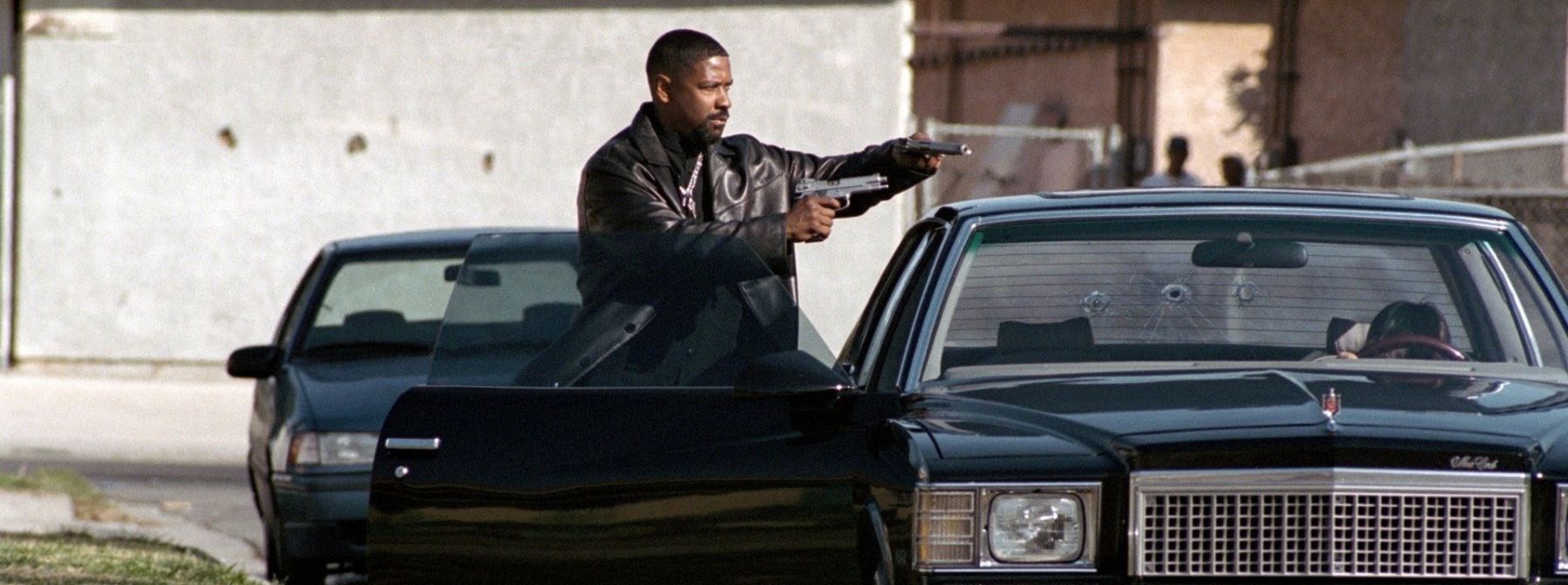
Certain films are remembered for specific imagery, and “Training Day” is intrinsically linked to the sight of Alonzo’s Monte Carlo cruising through the streets of South Central LA. The car serves as a powerful visual anchor for the film’s brand, making it instantly recognizable and highly memorable. When audiences recall “Training Day,” they don’t just remember Denzel Washington; they often conjure images of him in that distinctive dark green lowrider, windows down, exuding an air of predatory confidence. This iconic status transforms the car from a background element into a key branding asset, a visual shorthand that evokes the film’s tone, character, and setting in a single image. This powerful visual association contributes significantly to the longevity and cultural footprint of the film’s brand.
Fan Engagement and Nostalgia: Building a Community
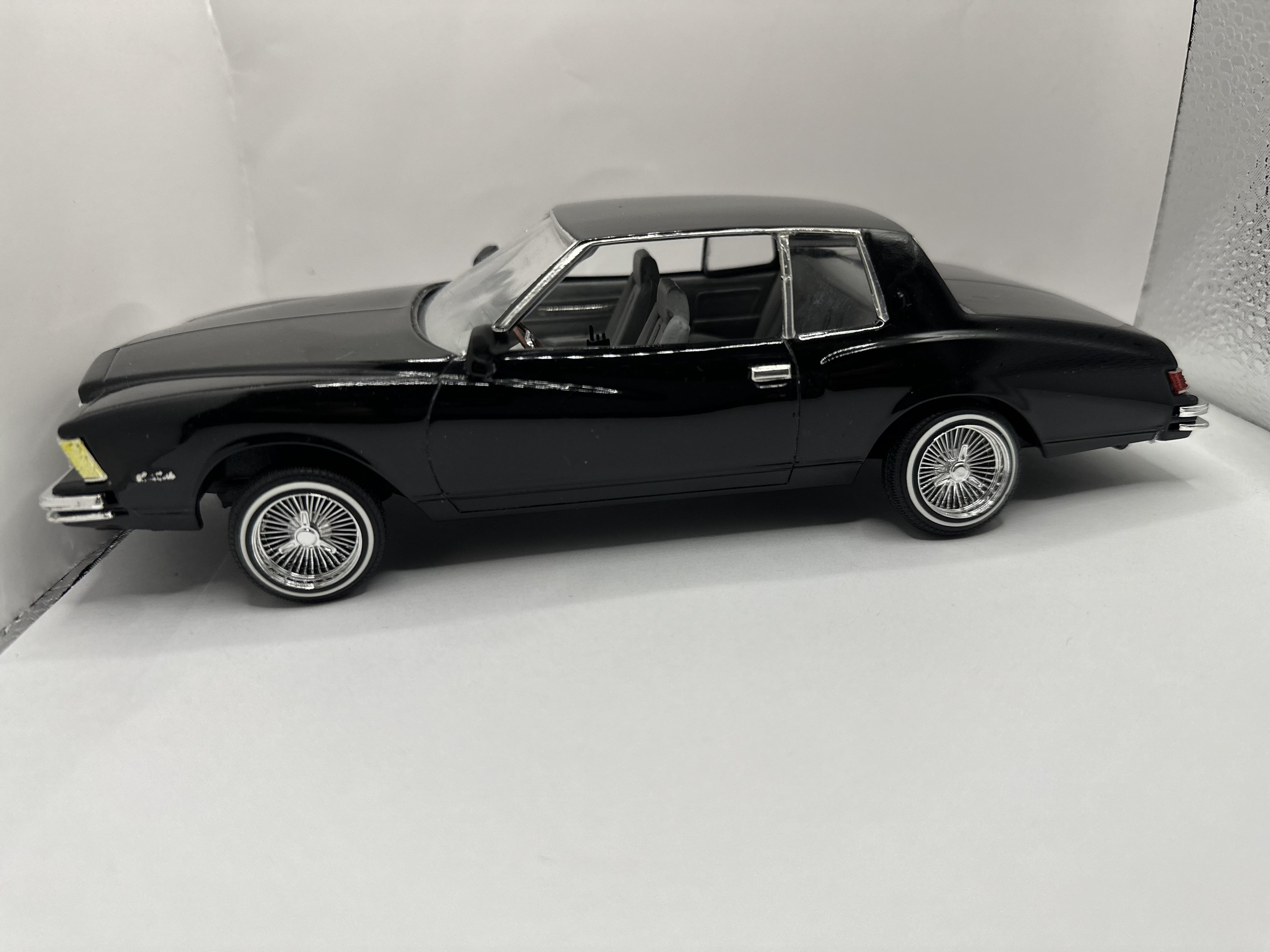
The enduring popularity of the Monte Carlo from “Training Day” also fosters significant fan engagement. Discussions about “the car in Training Day” are common in film forums, social media, and among car enthusiasts. This collective recognition and appreciation for a specific prop helps to build and maintain a community around the film. Fans don’t just love the movie; they often develop an emotional connection to its key elements, like Alonzo’s car. This nostalgia and shared appreciation contribute to the film’s ongoing cultural relevance and sustained brand loyalty. It transforms passive viewers into active participants in the film’s legacy, ensuring its brand remains vibrant years after its initial release. The car itself becomes a conversation starter, further cementing the film’s place in popular culture.
The Monte Carlo’s Broader Cultural Brand Impact
The influence of Alonzo’s Monte Carlo extends beyond the confines of “Training Day,” impacting broader pop culture and even the perception of the car model itself. This demonstrates the powerful ripple effect that strategic cinematic branding can achieve.
Resurgence of a Classic: Indirect Product Placement
While not a direct product placement in the traditional sense, the film inadvertently brought the 1979 Chevrolet Monte Carlo back into the public consciousness. For a generation of viewers, the car became synonymous with a specific era and a powerful cinematic moment. This association undoubtedly sparked renewed interest in the model among car enthusiasts, collectors, and those seeking to capture a piece of that “Training Day” aesthetic. The film acted as a powerful, albeit unintentional, marketing campaign, adding a layer of cool and mystique to the classic vehicle. This highlights how cultural context can revitalize a product’s brand, giving it a new narrative and desirability based on cinematic association.
Influence on Pop Culture and Media
The image of Alonzo’s Monte Carlo has permeated various forms of pop culture. It has been referenced in music videos, discussions about iconic movie cars, and in general cultural discourse as an archetype of the “anti-hero’s ride.” Its presence in “Training Day” firmly established it as a symbol of street credibility, power, and a certain kind of dangerous allure. This proliferation across different media formats amplifies its brand recognition and reinforces its iconic status. The car, through its cinematic role, transcended its original purpose to become a cultural touchstone, recognized even by those who may not have seen the film but understand its symbolic weight.
Archetypal Branding: The Anti-Hero’s Ride
The Monte Carlo from “Training Day” has contributed to the establishment of an archetypal brand for the “anti-hero’s car.” It’s not about speed or luxury in the conventional sense, but about projecting an image of grounded, street-level power and moral ambiguity. This has potentially influenced subsequent cinematic choices for characters occupying similar moral territories. The Monte Carlo demonstrated that a car doesn’t need to be flashy or futuristic to be iconic; it needs to perfectly embody the essence of its driver and the world they inhabit. This archetypal branding informs future decisions in film, advertising, and even personal style, showcasing the long-term impact of a well-branded cinematic prop.
Strategic Prop Design: Lessons for Brand Storytelling
The Monte Carlo in “Training Day” offers invaluable lessons for brand storytelling, particularly in how seemingly minor details can carry significant weight and contribute to a comprehensive brand narrative. It underscores the importance of thoughtful design and selection in crafting impactful stories.
The Power of Detail: Micro-Branding in Film
“Training Day” brilliantly illustrates the power of micro-branding through its use of the Monte Carlo. Every detail, from the model year to the lowrider customizations, was chosen to communicate specific brand messages about Alonzo and the film’s world. This meticulous attention to detail proves that even the smallest elements within a narrative can be powerful branding tools. For any brand, whether corporate or cinematic, it emphasizes that consistency and intentionality in every visual and thematic choice can significantly enhance the overall brand perception and resonance. It’s about ensuring every touchpoint reinforces the core message.
Emotional Resonance and Audience Connection
The car in “Training Day” achieves deep emotional resonance with the audience. It’s not just a prop; it’s a character in its own right, evoking feelings of fear, awe, and fascination. This emotional connection is a cornerstone of strong branding. When audiences connect emotionally with elements of a brand, be it a product, a character, or a story, their engagement deepens, and their loyalty strengthens. The Monte Carlo’s ability to stir such emotions is a testament to its successful branding as an iconic, menacing, and integral part of the “Training Day” experience.
Beyond the Obvious: Unconventional Brand Ambassadors
Finally, the Monte Carlo serves as a powerful reminder that brand ambassadors don’t always have to be human or explicitly advertised. An unconventional element like a car can become an incredibly effective brand ambassador for a film, a character, or even a particular style or subculture. Its iconic status demonstrates that impactful branding often comes from unexpected sources, provided they are chosen with a clear understanding of the brand’s identity and the messages it seeks to convey. It’s a testament to thinking outside the box when considering how to bring a brand to life and make it memorable.
In conclusion, the 1979 Chevrolet Monte Carlo lowrider in “Training Day” is far more than a simple prop. It is a masterclass in cinematic branding, meticulously chosen to define Alonzo Harris’s complex character, establish the film’s gritty authenticity, and create a lasting cultural icon. Through its visual semiotics, consistent messaging, and profound cultural impact, the Monte Carlo became an indispensable element of the “Training Day” brand, proving that thoughtful prop selection is a potent tool in crafting compelling narratives and unforgettable cinematic experiences.
aViewFromTheCave is a participant in the Amazon Services LLC Associates Program, an affiliate advertising program designed to provide a means for sites to earn advertising fees by advertising and linking to Amazon.com. Amazon, the Amazon logo, AmazonSupply, and the AmazonSupply logo are trademarks of Amazon.com, Inc. or its affiliates. As an Amazon Associate we earn affiliate commissions from qualifying purchases.