
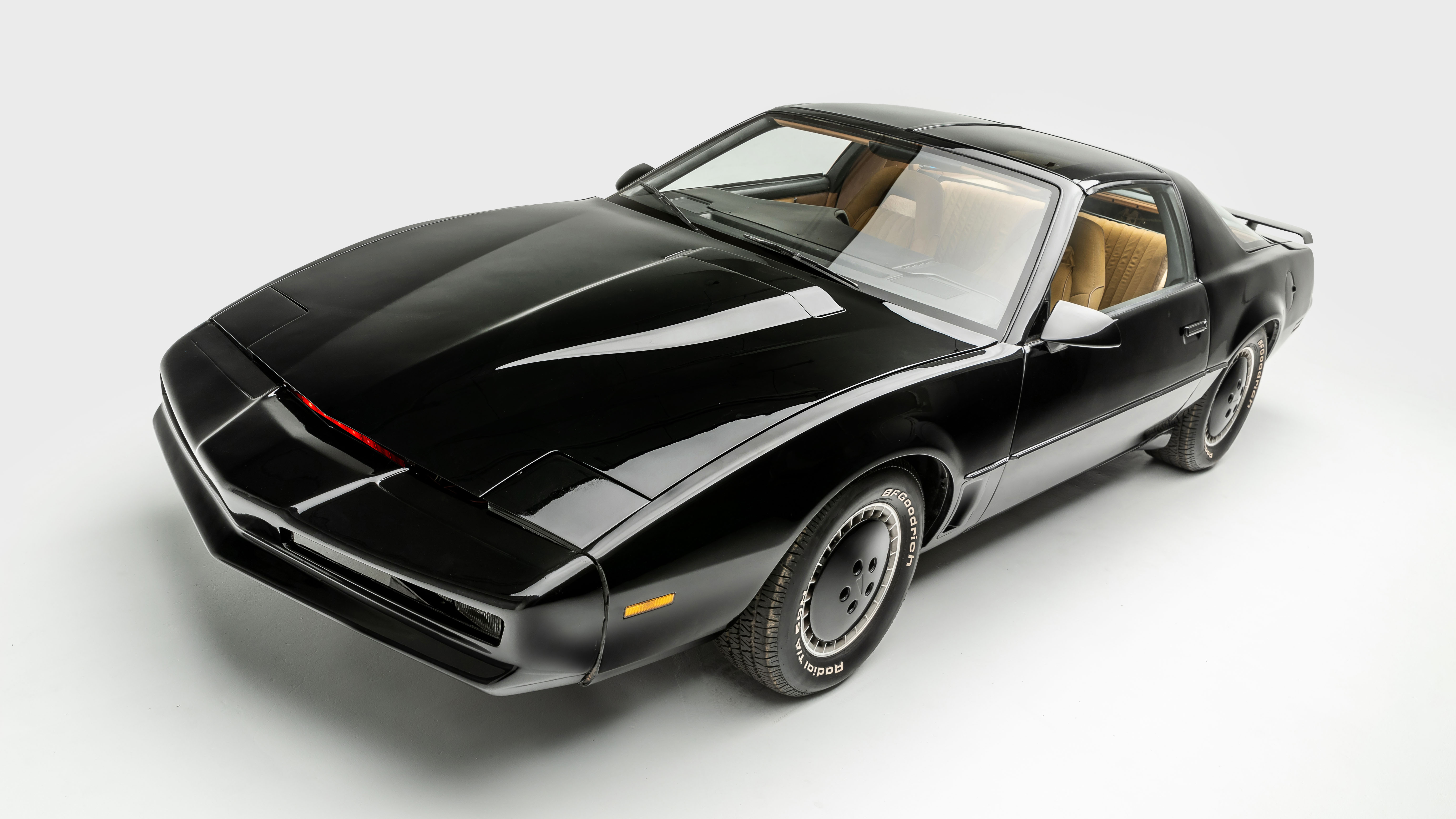
When Knight Rider first premiered in 1982, the central star wasn’t just the leather-jacket-clad Michael Knight; it was the Knight Industries Two Thousand, better known as KITT. While the physical shell of the vehicle was a modified 1982 Pontiac Firebird Trans Am, the “car” in Knight Rider represented a radical vision of the future of technology. At a time when home computers were in their infancy and the internet was a niche military and academic tool, KITT introduced the masses to the concepts of Artificial Intelligence (AI), autonomous driving, and sophisticated human-machine interfaces.
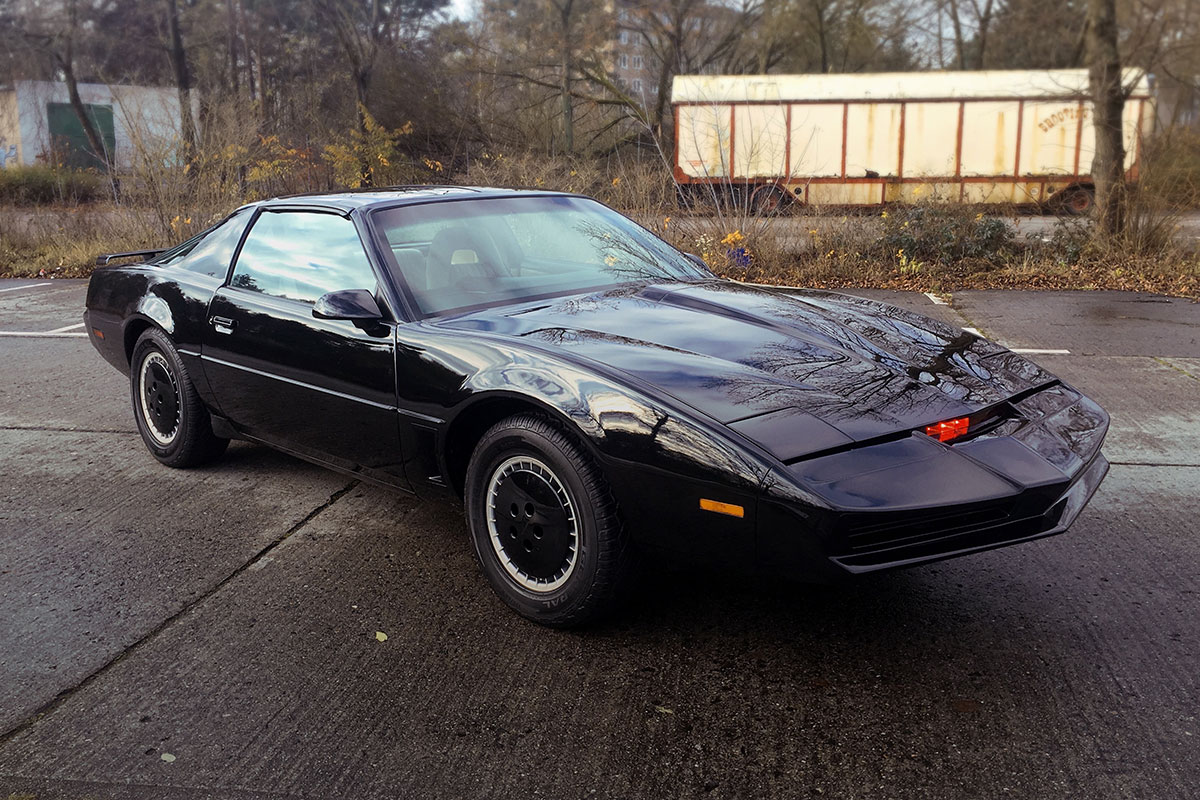
Today, the technology that seemed like pure science fiction in the 1980s has become the blueprint for the modern automotive and tech industries. By deconstructing the tech behind KITT, we can see how a television prop accurately forecasted the trajectory of digital innovation and personal computing.
The Anatomy of a High-Tech Icon: Inside KITT’s Hardware
To understand what the car in Knight Rider truly was, one must look past the sleek black paint and look at the conceptual hardware. KITT was described as a “super-advanced computer on wheels.” In the context of 1980s technology, the specifications were staggering, and they mirror many of the hardware trends we see in current high-performance computing and robotics.
The Microprocessor Heart: Processing Power in the 80s
KITT’s primary “brain” was the Knight 2000 microprocessor. In the show’s lore, this was a high-capacity, self-aware CPU capable of trillions of operations per second. While the 1980s reality involved simple 8-bit processors, the concept of a “software-defined vehicle” is now a standard in the tech world. Modern electric vehicles (EVs) utilize centralized computing architectures that control everything from battery management to infotainment, effectively turning the car into a mobile data center. KITT was the first popular representation of the idea that hardware should be subservient to the intelligence of the software.
Sensing the World: The Red Anamorphic Equalizer
Perhaps the most famous feature of the car was the oscillating red light on the hood, known as the Anamorphic Equalizer. In tech terms, this was KITT’s primary sensor array. In the series, it allowed the car to “see” across various spectrums, including infrared and X-ray.
In the modern tech landscape, we see the realization of this in LiDAR (Light Detection and Ranging) and Radar systems. Autonomous vehicles today use similar “scanning” technology to create 3D maps of their surroundings. While we don’t have red sweeping lights on our bumpers, the underlying principle of multi-spectral sensing is what allows modern AI-driven cars to navigate complex urban environments safely.
Artificial Intelligence and Human-Machine Interaction (HMI)
KITT was not just a computer; he was a personality. This distinction is crucial in the history of tech because it predicted the shift from command-line interfaces to natural language processing and emotional AI.
Natural Language Processing: Speaking to the Machine
The most engaging aspect of the car was Michael Knight’s ability to converse with it in plain English. KITT could understand context, sarcasm, and complex instructions. This was a visionary take on what we now call Natural Language Processing (NLP).
Today, we interact with Large Language Models (LLMs) like GPT-4 and voice assistants like Siri or Alexa. The tech industry has spent decades trying to bridge the gap between “code” and “conversation.” KITT served as an early prototype for the ideal User Experience (UX): a machine that eliminates the barrier of the keyboard and interacts with humans on their own terms.
Emotional Intelligence and Personality in Software
Unlike a standard calculator, KITT possessed a distinct personality—he was programmed to preserve human life, but he also exhibited dry wit and occasional anxiety. This mirrors the current tech movement toward “Affective Computing,” where AI is designed to recognize and respond to human emotions. As AI tools become more integrated into our professional and personal lives, the “KITT model”—an AI that acts as a partner or a “co-pilot” rather than just a tool—has become the gold standard for developers in the Silicon Valley ecosystem.
Autonomous Systems and the Quest for Self-Driving Technology
The most enduring legacy of the Knight Rider car is the concept of “Auto-Cruise.” Long before Waymo or Tesla’s Autopilot, KITT was demonstrating the potential of a world where the driver is optional.
The Auto-Cruise Mode: Mapping Modern ADAS Features
In the show, Michael Knight could engage “Auto-Cruise” to let the car take over while he performed other tasks. This is a direct parallel to Level 4 and Level 5 Autonomy as defined by the Society of Automotive Engineers (SAE).
Modern Advanced Driver Assistance Systems (ADAS) have slowly introduced these features to the public. Lane-keeping assist, adaptive cruise control, and automated parking are all incremental steps toward the full autonomy KITT displayed. The “technology” of the car in the show wasn’t just about the engine; it was about the algorithms that calculated trajectory, braking distance, and hazard avoidance in real-time.
Remote Operation and the Mobile Link
Michael Knight famously communicated with KITT using a “Comlink” on his wristwatch. This was an early vision of the Internet of Things (IoT) and wearable technology. It allowed for remote summoning, vehicle diagnostics, and two-way communication.
Today, smartphone apps for brands like Tesla, Rivian, and Lucid allow users to do exactly this. You can check your car’s range, pre-condition the cabin temperature, or even “summon” the vehicle in a parking lot from your Apple Watch. The tech stack required to make this happen—low-latency cellular networks (5G), cloud computing, and encrypted security tokens—is a cornerstone of the modern digital economy.
Modern Realizations: From Science Fiction to Consumer Tech
While the “Molecular Bonded Shell” that made KITT bulletproof remains a fantasy of material science, much of the interior technology has become standard in high-end consumer electronics and automotive design.
Smart Cabins and the Dashboards of Tomorrow
KITT’s dashboard was a dizzying array of buttons, CRT screens, and digital readouts. At the time, cars still used analog needles and dials. Today, the automotive industry has shifted toward “Glass Cockpits.”
Modern luxury cars feature massive OLED touchscreens and Heads-Up Displays (HUDs) that project information onto the windshield. The tech industry has realized KITT’s vision of a data-rich environment where the driver is constantly updated with telemetry, navigation, and environmental data. We have moved from physical buttons to haptic feedback and gesture control, pushing the boundaries of how we interact with high-performance hardware.
Ethical Guardrails and Safety Protocols in AI
One of the most profound “tech” aspects of the car in Knight Rider was its primary directive: the preservation of human life. This is a central theme in the current global debate over AI ethics. As we develop autonomous systems and AI agents, engineers are tasked with creating “alignment”—ensuring that the AI’s goals match human values.
The car in Knight Rider wasn’t just a vehicle; it was a demonstration of “Safe AI.” It had the power to cause great destruction, yet it was governed by strict ethical subroutines. As we move toward a world of autonomous drones and AI-driven infrastructure, the lessons learned from the fictional Knight 2000 regarding safety overrides and ethical programming are more relevant than ever for software architects and policymakers.
Conclusion: The Legacy of the Knight 2000
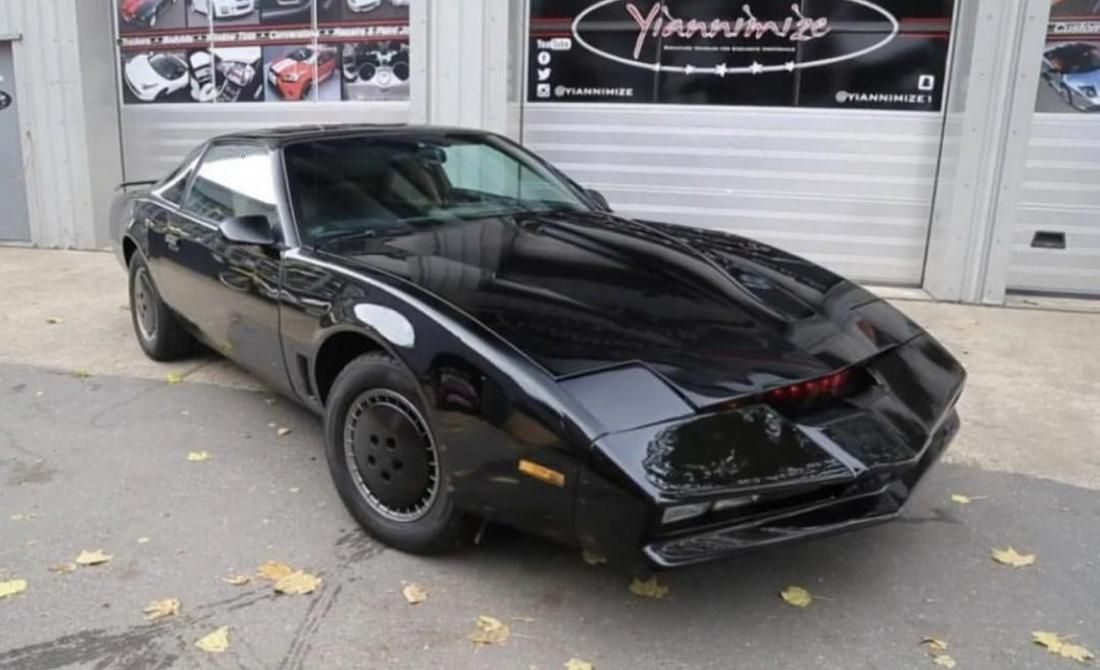
So, what is the car in Knight Rider? On the surface, it is a 1982 Pontiac Trans Am. But in the world of technology, it is the spiritual ancestor of the modern smart device. KITT was a prediction of a connected, intelligent, and autonomous world.
The show’s creators envisioned a machine that was more than just hardware; they saw a future where software would define our relationship with the physical world. From the voice-activated assistants in our pockets to the self-driving sensors on our highways, the DNA of KITT is present in almost every major technological advancement of the 21st century. We are no longer waiting for the car of the future—we are currently building it, one algorithm at a time.
aViewFromTheCave is a participant in the Amazon Services LLC Associates Program, an affiliate advertising program designed to provide a means for sites to earn advertising fees by advertising and linking to Amazon.com. Amazon, the Amazon logo, AmazonSupply, and the AmazonSupply logo are trademarks of Amazon.com, Inc. or its affiliates. As an Amazon Associate we earn affiliate commissions from qualifying purchases.