
To understand the architecture of life, one must look at the fundamental units that compose our biological systems. When we analyze the macronutrient profile of our diet—specifically carbohydrates—we are essentially looking at a complex array of chemical compounds designed for energy storage and structural integrity. At the center of this complexity lies the “building block” of all carbohydrates: the monosaccharide.
Understanding these foundational units is not merely a task for biochemists; it is essential for anyone interested in nutritional science, metabolic health, and the optimization of human performance. By dissecting the simple sugars that form the bedrock of starch, fiber, and glycogen, we gain a deeper appreciation for how our bodies fuel themselves at a molecular level.
The Chemistry of the Monosaccharide
The term “carbohydrate” is derived from the chemical composition of these molecules, which consist of carbon, hydrogen, and oxygen. The fundamental unit, the monosaccharide, represents the simplest form of sugar. These units cannot be broken down into simpler sugars through hydrolysis, making them the primary bricks from which all other carbohydrate structures are built.
Structural Classification of Sugars
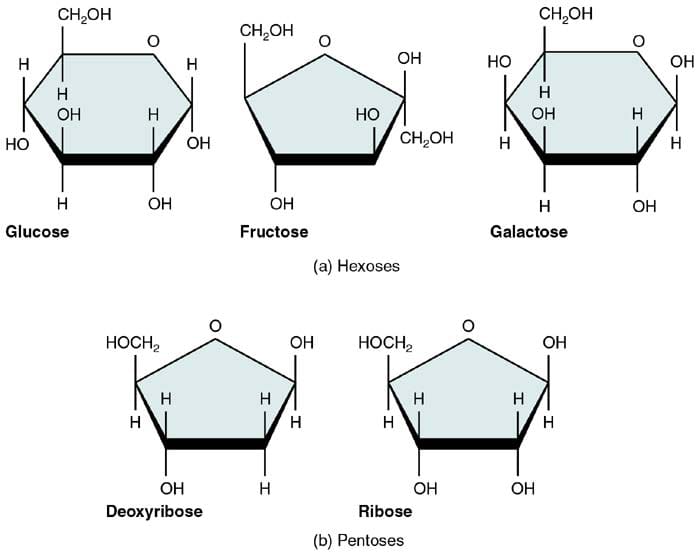
Monosaccharides are typically classified by the number of carbon atoms they contain. The most significant of these in human biology are the hexoses, which contain six carbon atoms. The most notable hexose is glucose, the primary energy currency of the human body. Other critical hexoses include fructose, found abundantly in fruits, and galactose, which is commonly associated with dairy products.
Beyond the hexoses, we find pentoses—five-carbon sugars like ribose and deoxyribose. While these do not function primarily as energy sources in the way glucose does, they are indispensable to human life as the structural components of DNA and RNA. Without these specific building blocks, the genetic code that defines every living organism could not exist.
The Role of Isomerism
One of the most fascinating aspects of these building blocks is their molecular geometry. Even when two monosaccharides share the exact same chemical formula—a state known as isomerism—their physical arrangement can differ. This subtle shift in the positioning of hydroxyl groups can fundamentally change how the body interacts with the sugar. Our metabolic enzymes are incredibly specific; they can often process glucose with high efficiency while requiring different pathways for galactose. This biological precision underscores why the “building block” is more than just a raw material; it is a precisely engineered piece of a much larger, highly sensitive machinery.
From Simple Blocks to Complex Chains
If the monosaccharide is the brick, then the carbohydrate as a whole is the skyscraper. The process by which the body builds or breaks down these chains is governed by the principles of polymerization and hydrolysis.
Disaccharides: The Intermediate Stage
When two monosaccharides bond together, they form a disaccharide. The most recognizable of these is sucrose—common table sugar—which is a combination of one glucose molecule and one fructose molecule. Another is lactose, formed from glucose and galactose. These disaccharides act as a transition phase. When we ingest complex carbohydrates, the digestive system works to break these disaccharides down into their constituent monosaccharides, as only these single units are small enough to be transported across the intestinal wall and into the bloodstream.
Polysaccharides: Storing Energy and Structure
Polysaccharides represent the most complex carbohydrate structures, formed by long, repeating chains of monosaccharides, primarily glucose. These are the “heavy lifters” of the nutritional world.

- Glycogen: This is the human body’s short-term energy reserve, stored primarily in the liver and skeletal muscles. It is a highly branched polymer of glucose, designed for rapid mobilization. When the body needs an immediate surge of energy, it quickly breaks down glycogen into glucose units to fuel cellular respiration.
- Starch: The primary energy storage form in plants, starch consists of two types of molecules: amylose and amylopectin. Unlike the highly branched glycogen, starch provides a more sustained release of energy, which is why complex carbohydrates are often recommended for endurance and metabolic stability.
- Cellulose: While it is also a polymer of glucose, the structural arrangement of cellulose makes it indigestible by humans. Instead of serving as fuel, it functions as fiber, providing the necessary bulk for digestive health. This illustrates the versatility of the glucose building block: with a slight change in the orientation of the molecular bond, the exact same unit can transition from a primary energy source to a structural element that provides physical stability.
The Metabolic Journey of Carbohydrates
Understanding the building blocks is vital for comprehending the body’s metabolic response to food. The speed at which a carbohydrate is digested is largely determined by its complexity.
The Glycemic Response
When we consume simple sugars (monosaccharides or disaccharides), they require minimal digestion. They enter the bloodstream rapidly, causing a sharp spike in blood glucose levels. This necessitates an immediate insulin response from the pancreas to shuttle that glucose into the cells for energy or storage.
In contrast, when we consume complex carbohydrates (polysaccharides), the digestive system must engage in a prolonged process of breaking those long chains back down into their individual monosaccharide building blocks. This “slow-release” mechanism results in a more moderate and sustained rise in blood glucose. For anyone focused on long-term health, managing this process is the key to avoiding metabolic dysfunction, such as insulin resistance.
Energy Conversion: Cellular Respiration
Once the monosaccharides are in the bloodstream and transported into the cells, the real work begins. Through the process of glycolysis, the cell breaks down the glucose molecule into smaller components, eventually funneling them into the mitochondria. Here, the potential energy stored in the chemical bonds of the sugar is converted into Adenosine Triphosphate (ATP). ATP is the ultimate energy molecule that powers everything from muscle contractions to neurotransmission. Without the efficient breakdown of these carbohydrate building blocks, the cellular machinery would grind to a halt.
Practical Applications for Nutritional Optimization
Knowing what carbohydrates are made of changes the way we approach diet and nutrition. It moves the focus away from “all carbs are bad” toward an understanding of “which structural configuration serves my current needs.”
Selecting the Right Carbohydrates
For athletes or those performing intense physical labor, the rapid breakdown of simple or refined carbohydrates can be an advantage to replenish depleted glycogen stores quickly. However, for the average individual focused on metabolic health, the goal should be to prioritize polysaccharides that contain fiber. These complex structures provide not only the necessary energy blocks but also the indigestible fiber that helps regulate the speed of digestion and supports the microbiome.
The Myth of “Sugar Addiction”
Many of the common struggles with sugar cravings are rooted in the body’s desire for the fastest possible fuel source. Because monosaccharides are the direct building blocks, the body is evolutionarily hardwired to prioritize them for quick energy. Recognizing this helps in distinguishing between a physiological need for fuel and a psychological habit. By incorporating a variety of carbohydrate sources that offer different breakdown speeds, one can mitigate the intensity of these cravings and achieve more stable energy levels throughout the day.

Conclusion
The monosaccharide is more than just a biochemical fact; it is the fundamental unit of life’s energy. From the simple glucose molecule that fires our neurons to the complex cellulose chains that support the structure of the plant kingdom, the building blocks of carbohydrates are a testament to the efficiency and elegance of biological design. By understanding these units, we transition from mindless consumption to an intentional, science-backed approach to fueling the human body. Whether we are discussing the rapid energy of a post-workout recovery meal or the steady burn of a fiber-rich diet, everything returns to the basic structure of the sugar unit. Respecting the role and the nature of these building blocks is the first step toward mastering one’s own nutritional landscape and long-term health trajectory.
aViewFromTheCave is a participant in the Amazon Services LLC Associates Program, an affiliate advertising program designed to provide a means for sites to earn advertising fees by advertising and linking to Amazon.com. Amazon, the Amazon logo, AmazonSupply, and the AmazonSupply logo are trademarks of Amazon.com, Inc. or its affiliates. As an Amazon Associate we earn affiliate commissions from qualifying purchases.