
The brim of a hat is far more than a mere horizontal projection; it is a critical intersection of function, fashion, and brand identity. In the world of design and consumer products, the brim represents a strategic element that defines the silhouette of a headwear piece, dictates its utility in various climates, and serves as a canvas for high-end branding. Whether you are developing a private label collection, curating a corporate uniform, or designing a high-fashion accessory, understanding the anatomy and strategic application of the brim is essential for effective product positioning.

The Design Architecture of the Brim
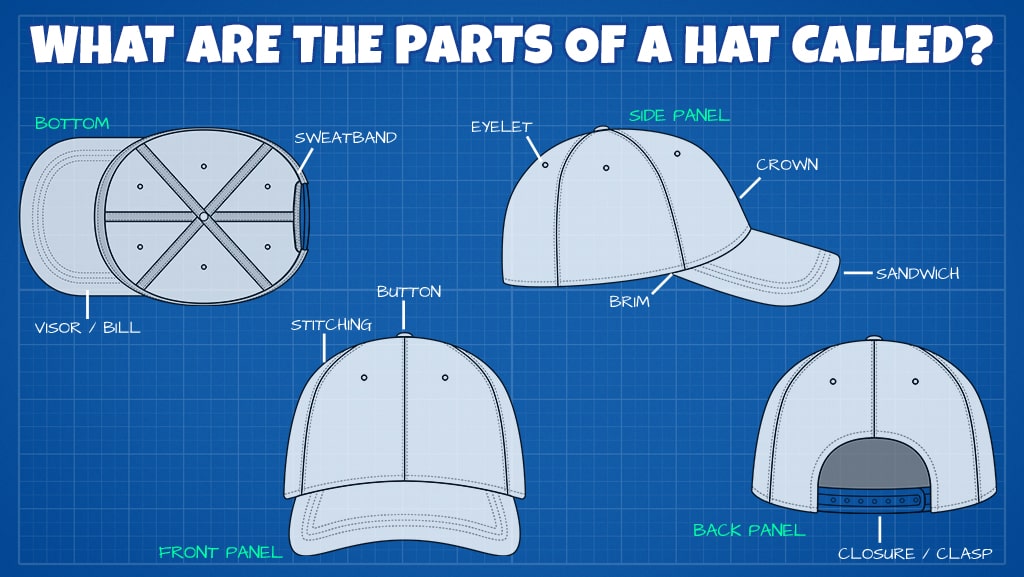
In the context of product design and branding, the brim is the outward-extending portion of a hat that encircles the base of the crown. Its structural design is a primary differentiator in the competitive landscape of apparel. From a manufacturing perspective, the brim must balance rigidity with comfort—a challenge that often separates premium brands from budget alternatives.
Structural Integrity and Material Selection
The material composition of the brim dictates its performance and longevity. Designers must choose between stiffened felt, reinforced canvas, or lightweight woven straws based on the intended use case. A well-constructed brim employs interlining—the hidden layer that provides shape—to ensure the hat maintains its aesthetic profile even after exposure to the elements. For brands focusing on corporate identity, the choice of material is a silent communicator of quality. A floppy, poorly reinforced brim suggests a lack of attention to detail, whereas a crisp, structured brim reinforces a brand’s commitment to premium standards.
The Role of Silhouette in Branding
The brim defines the silhouette, and the silhouette defines the brand. Think of the fedora’s sharp, downward-sloping brim versus the wide, flat brim of a modern streetwear cap. Designers use these geometric variables to signal personality to the consumer. When developing a product line, the brim width and angle are the first elements a customer notices. A narrow brim might suggest a minimalist, urban aesthetic, while an oversized, sweeping brim communicates luxury and editorial fashion. Brands that master the interplay between brim geometry and crown height are those that build the most iconic product lines.
Functional Utility as a Marketing Tool
While branding often prioritizes aesthetics, the functional utility of a brim is a powerful selling point. Integrating practical features into the design allows brands to justify higher price points and increase customer loyalty. When a consumer recognizes that a hat is designed to solve a specific problem, they are more likely to perceive the product as an investment rather than a disposable accessory.
Sun Protection and Environmental Performance
The primary functional purpose of the brim is to provide a physical barrier against ultraviolet rays and inclement weather. For brands targeting the outdoor or lifestyle markets, the brim is the primary “feature set.” Marketing materials should highlight the diameter of the brim and its efficacy in providing shade. A wide, downturned brim, for instance, offers superior protection for the face and neck, making it a critical asset for high-end resort wear or technical outdoor gear. By focusing on the “utility-first” aspect of the brim, companies can effectively market their products as essential equipment for a specific, high-value customer demographic.

Ergonomics and User Experience
The brim also impacts the wearer’s comfort, particularly regarding how the hat sits on the head and its interaction with eyewear. A brim that is too heavy can cause the hat to slide forward, while one that is too flimsy may obstruct vision in high-wind conditions. By engineering a brim that maintains its shape and weight distribution, designers enhance the user experience. A satisfied customer is the best form of brand equity; therefore, the engineering of the brim is fundamentally a marketing exercise in long-term customer retention.
Strategic Brand Positioning Through Headwear
In contemporary business, corporate identity is increasingly built on the curation of a “total look.” Headwear is a significant, yet often overlooked, component of a company’s visual vocabulary. When a firm chooses to produce branded hats for promotional events, merchandise, or staff uniforms, the brim becomes a key site for visual communication and logo placement.
The Brim as a Prime Real Estate for Logo Placement
The brim is one of the most visible parts of the hat, making it an ideal location for strategic branding. Embroidery on the edge of the brim, or the use of contrasting colored bindings, draws the eye toward the face. From a design standpoint, placing a logo on the brim rather than the crown can create a more subtle, sophisticated look. This technique is often favored by premium lifestyle brands that want to communicate a “quiet luxury” aesthetic. By avoiding the heavy, center-stage logo placement, brands can appeal to a consumer base that values understated branding over overt advertising.
Trend Forecasting and Market Adaptation
Fashion trends are cyclical, and the brim is the first component of a hat to undergo stylistic shifts. Over the past decade, we have seen the industry pivot from the rigid, flat brims of the “snapback” era to the softer, more relaxed unstructured brims of the “dad hat” trend. Successful brands monitor these shifts closely. By analyzing which brim styles are gaining traction in social media discourse and influencer circles, a company can adjust its design pipeline to remain relevant. A brand that ignores the evolution of brim styles risks appearing outdated, which can have a cascading effect on its overall market perception and sales performance.
The Economic Impact of Quality Control
The manufacturing of headwear is a high-volume, low-margin business if approached incorrectly. However, it becomes a high-margin venture when quality is treated as a core business strategy. The cost-to-benefit ratio of producing a brim with superior craftsmanship is significant because it minimizes returns and boosts brand valuation.
Manufacturing Efficiency and Cost Optimization
Standardizing the brim production process is essential for scaling a business. By using precision-cut patterns and high-quality thermoplastic adhesives, brands can create consistency across their entire inventory. This consistency reduces the rate of defective units, saving the company money on replacement inventory and customer service labor. When your supply chain is optimized for the production of consistent, durable brims, your business benefits from the compounding effect of improved reliability, which directly translates to a healthier bottom line.
Investing in Durability to Build Brand Legacy
A hat that loses its shape after a single season is a missed opportunity for brand loyalty. When a consumer purchases a hat, they are essentially buying a piece of your company’s identity. If that piece fails, the brand fails. Investing in high-density stitching, reinforced brim edges, and resilient materials acts as a hedge against negative brand perception. In an era where online reviews dictate the success of a product launch, ensuring that the brim retains its structural integrity is an essential financial safeguard. By prioritizing the structural longevity of the brim, companies can transform headwear from a simple promotional giveaway into a durable, branded asset that generates long-term value for the organization.
Ultimately, the brim is the anchor of the hat. It dictates how the product is seen, how it functions, and how it is remembered. Whether viewed as an architectural challenge, a functional necessity, or a strategic marketing asset, the brim remains a central pillar of successful headwear design. Those who master its complexities will find that they are not just selling a piece of clothing; they are defining a lifestyle and reinforcing a brand identity that stands the test of time.
aViewFromTheCave is a participant in the Amazon Services LLC Associates Program, an affiliate advertising program designed to provide a means for sites to earn advertising fees by advertising and linking to Amazon.com. Amazon, the Amazon logo, AmazonSupply, and the AmazonSupply logo are trademarks of Amazon.com, Inc. or its affiliates. As an Amazon Associate we earn affiliate commissions from qualifying purchases.