
To the casual theatergoer, The Book of Mormon is a satirical masterpiece from the creators of South Park. To the astute investor and business analyst, however, it represents something far more significant: a masterclass in high-yield entertainment investment, brand scaling, and the monetization of subversive intellectual property. When we ask what this musical is “about,” we must look beyond the script and the score to examine the economic engine that has transformed an $11.4 million initial investment into a multi-billion dollar global franchise.
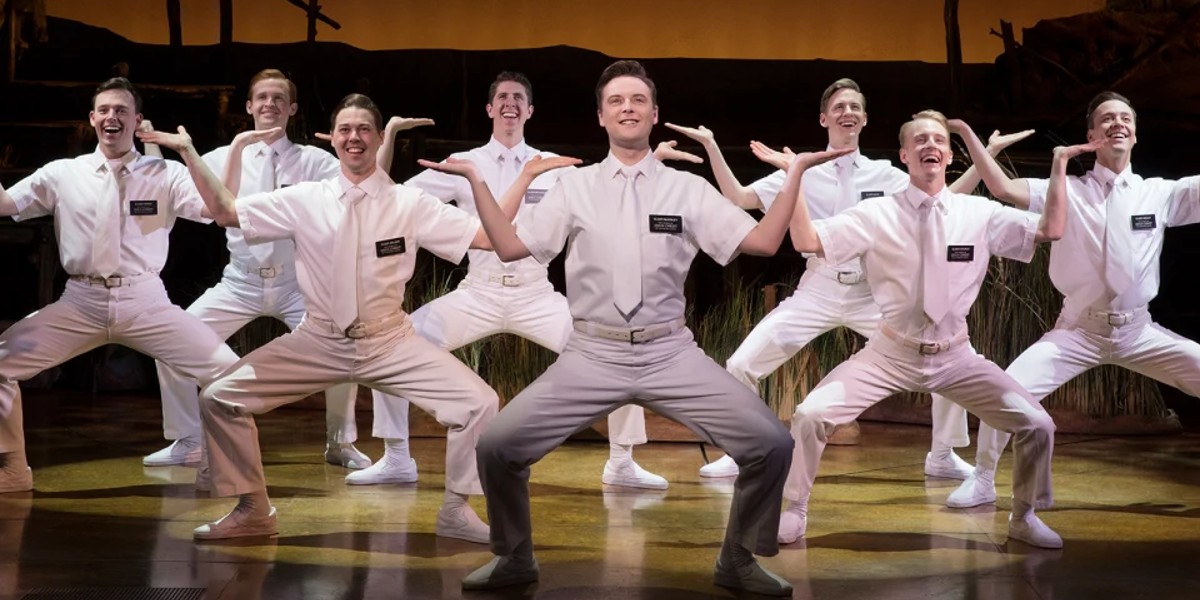
In an industry where nearly 80% of new productions fail to recoup their initial costs, The Book of Mormon stands as a financial anomaly. It is a “blue-chip” asset of the theater world, demonstrating how a combination of aggressive brand positioning, dynamic pricing models, and strategic global expansion can create a recurring revenue stream that rivals mid-cap corporate entities.
The Capitalization Strategy: Understanding the Initial Investment
The financial journey of The Book of Mormon began with a capitalization of approximately $11.4 million. In the context of Broadway, this is a substantial but mid-to-high range budget for a musical. However, the risk profile was unique. Unlike established brands like Disney’s The Lion King or classic revivals, this was an original work predicated on religious satire—a high-risk niche that could have easily alienated conservative ticket-buying demographics.
High Stakes and Risk Mitigation
The primary mechanism for mitigating this risk was the pedigree of the creative team. Trey Parker and Matt Stone, the minds behind South Park, brought with them a massive, built-in audience and a proven track record of commercial success in television and film. This “brand equity” served as a form of insurance for investors. The involvement of Robert Lopez, who had already seen massive success with Avenue Q, further solidified the project’s financial viability.
From a venture capital perspective, the “startup phase” of the musical was managed with surgical precision. The production underwent a lengthy workshop process, refining the product before it ever reached a Broadway stage. This minimized the “burn rate” of capital during the preview period, ensuring that the show opened with a polished, highly marketable product that garnered immediate critical acclaim—the essential catalyst for long-term ROI.
The Parker and Stone Factor
Parker and Stone didn’t just provide content; they provided a marketing shortcut. In the business of Broadway, the cost of customer acquisition (CAC) is often the highest hurdle to profitability. Because the creators already possessed a global brand synonymous with high-quality satire, the production saved millions in traditional awareness-building advertising. Instead, they could focus their marketing budget on conversion and retention, a much more efficient use of capital that accelerated the timeline to recoupment.
Revenue Generation and the Dynamic Pricing Model
The Book of Mormon did not just make money; it revolutionized how Broadway shows generate revenue. Shortly after its 2011 debut, the show became a pioneer in the use of dynamic pricing algorithms. By leveraging software that adjusted ticket prices based on real-time demand, the production was able to capture the “consumer surplus”—the extra money a fan is willing to pay above the face value of a ticket.
Premium Seating and Market Demand
During the peak of its popularity, premium tickets for The Book of Mormon reached upwards of $470 per seat. By identifying the highest-demand performance times (such as Saturday nights and holiday weeks), the management team maximized the yield per seat. This strategy ensured that while the theater remained at nearly 100% capacity, the revenue per performance fluctuated significantly to match the market’s peak willingness to pay.
This approach transformed the Eugene O’Neill Theatre into a high-density profit center. On average, the show grossed between $1.2 million and $1.6 million per week during its first several years. When compared to the weekly operating costs—which include theater rent, actor salaries, stagehands, and ongoing marketing—the profit margins were staggering. It is estimated that the show was netting $500,000 to $700,000 in pure profit every week during its prime.
Merchandising and Ancillary Income

Beyond ticket sales, the “Mormon” brand generated significant ancillary revenue. Merchandising in the Broadway world is often overlooked, but for a show with a cult following, it serves as a high-margin revenue stream. From cast recordings (which reached the top of the Billboard charts) to apparel and souvenir books, the secondary market for the show’s intellectual property bolstered the bottom line. The cast recording, in particular, acted as a perpetual marketing tool, driving interest in the show via streaming platforms and digital sales, effectively lowering the cost of future ticket sales through organic discovery.
Global Expansion: Scaling the Intellectual Property
The true hallmark of a successful business model is its ability to scale. The Book of Mormon did not remain confined to a single theater in Manhattan. Its financial success was amplified through a strategic rollout of national tours and international productions.
The West End and Beyond
In 2013, the production expanded to London’s West End. This move was a calculated play for the European market. The London production achieved similar financial metrics to the Broadway original, recouping its costs in record time. By replicating the “production stack”—the sets, costumes, and staging—the creators could scale the business without the massive R&D costs associated with a new show. This is the entertainment equivalent of a franchise model, where the initial blueprint is exported to new territories with high confidence in the return.
The Resilience of North American Tours
The North American touring companies represent perhaps the most profitable arm of the Book of Mormon empire. Tours allow the production to tap into secondary and tertiary markets—cities like Chicago, Los Angeles, and Toronto—where demand is high but the supply of high-end Broadway entertainment is limited.
Touring productions often operate with lower overhead than stationary Broadway shows. By playing in larger venues (3,000+ seats compared to the 1,100 seats at the Eugene O’Neill), the tours can generate massive volume. A successful one-week run in a major touring city can gross over $2 million, providing a significant cash injection to the parent company. This diversification of revenue streams ensures that the overall brand remains profitable even if one specific market experiences a downturn.
The ROI Blueprint: Lessons for Creative Investors
To date, The Book of Mormon has grossed over $1 billion globally. For the original investors, the returns have been astronomical. While the specific terms of the investment contracts are private, typical Broadway structures favor the “limited partners” (investors) until the initial capital is returned, after which the “general partners” (producers and creators) share in the ongoing profits.
Sustaining Long-Term Profitability
The longevity of the show is its most impressive financial feat. Most Broadway shows have a “shelf life”—a period where they are fashionable before being replaced by the next big hit. The Book of Mormon has transcended this cycle by becoming a “destination show.” Much like The Phantom of the Opera or Wicked, it has reached a status where it is a staple of the New York tourism economy.
From a financial planning perspective, the show now operates as a mature asset. The initial debt is long gone, the assets are fully depreciated, and the primary focus is on managing the “yield” and maintaining the brand’s integrity. The show’s ability to survive the COVID-19 pandemic—a black swan event for the theater industry—and return to high capacity levels is a testament to the strength of its underlying business model.
Cultural Capital as a Financial Asset
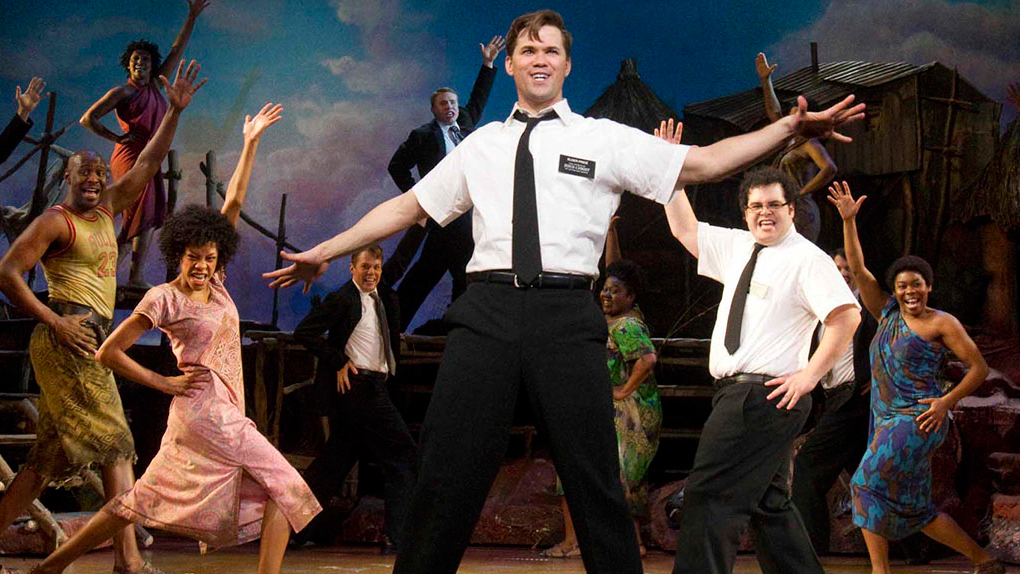
Finally, what The Book of Mormon is “about” is the conversion of cultural capital into financial equity. By taking a polarizing topic and wrapping it in a traditional, high-quality musical theater structure, the creators built a product that appeals to both the “edgy” younger demographic and the “traditional” Broadway subscriber.
This dual-market appeal is the holy grail of entertainment marketing. It ensures a high “LTV” (Lifetime Value) for the brand. As long as the show continues to provide a high-quality experience that justifies its premium price point, it will remain a cornerstone of the Broadway economy. For investors, it serves as a reminder that in the world of finance, sometimes the most “irreverent” ideas are the most fiscally responsible investments.
In conclusion, The Book of Mormon is a case study in how to navigate the complex intersection of creativity and commerce. It proves that with the right brand positioning, a data-driven approach to pricing, and a scalable global strategy, a theatrical production can evolve from a risky Broadway gamble into a multi-generational financial powerhouse.
aViewFromTheCave is a participant in the Amazon Services LLC Associates Program, an affiliate advertising program designed to provide a means for sites to earn advertising fees by advertising and linking to Amazon.com. Amazon, the Amazon logo, AmazonSupply, and the AmazonSupply logo are trademarks of Amazon.com, Inc. or its affiliates. As an Amazon Associate we earn affiliate commissions from qualifying purchases.