
For the culinary professional, the home cook, and the seafood enthusiast, the appearance of a dark, vein-like line along the back of a shrimp is a common point of inquiry. Often referred to as “the black stuff,” this feature is frequently misunderstood. To navigate the complexities of seafood preparation and quality control, it is essential to understand exactly what this biological structure is, how it affects the culinary experience, and how proper processing enhances the final dish.
The Biological Reality of the Shrimp Intestine
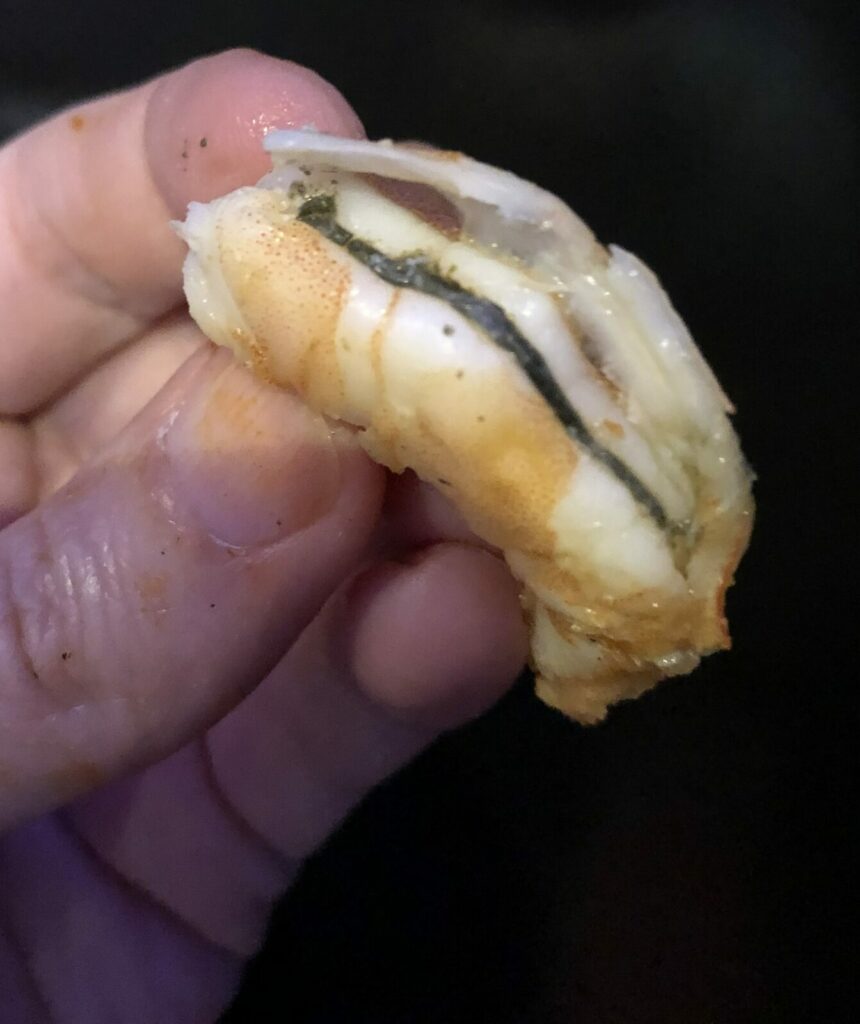
When you observe a dark line running along the outer curve of a shrimp, you are looking at the digestive tract, or more specifically, the alimentary canal. In crustaceans, this structure runs the length of the body to facilitate the processing of food.
Understanding the Alimentary Canal
The shrimp’s digestive system consists of a stomach, a midgut, and a hindgut. The line visible to the naked eye is the midgut. Because shrimp are scavengers by nature, this tract often contains the remnants of their most recent meal, which can include sand, silt, or organic debris. While not inherently toxic, the presence of this material is generally considered undesirable in high-end culinary applications due to its gritty texture and potential for a slightly bitter or “muddy” flavor profile.
Why the Color Varies
The intensity of the color within the tract is largely dependent on the shrimp’s diet and its environment. In cleaner, deeper waters, the line may be light gray or translucent, appearing nearly invisible. In shallower, sediment-rich environments, the tract may appear dark brown or black. It is important to note that the presence of this color does not necessarily indicate that the shrimp has “gone bad”; rather, it is a byproduct of its biological function and habitat.
Quality Standards and Culinary Processing
In the world of professional cooking and high-quality food sourcing, the removal of the digestive tract—a process known as “deveining”—is considered a standard of excellence. While eating the vein is not a health hazard, culinary standards dictate its removal to improve the aesthetics, texture, and flavor of the seafood.
The Art of Deveining
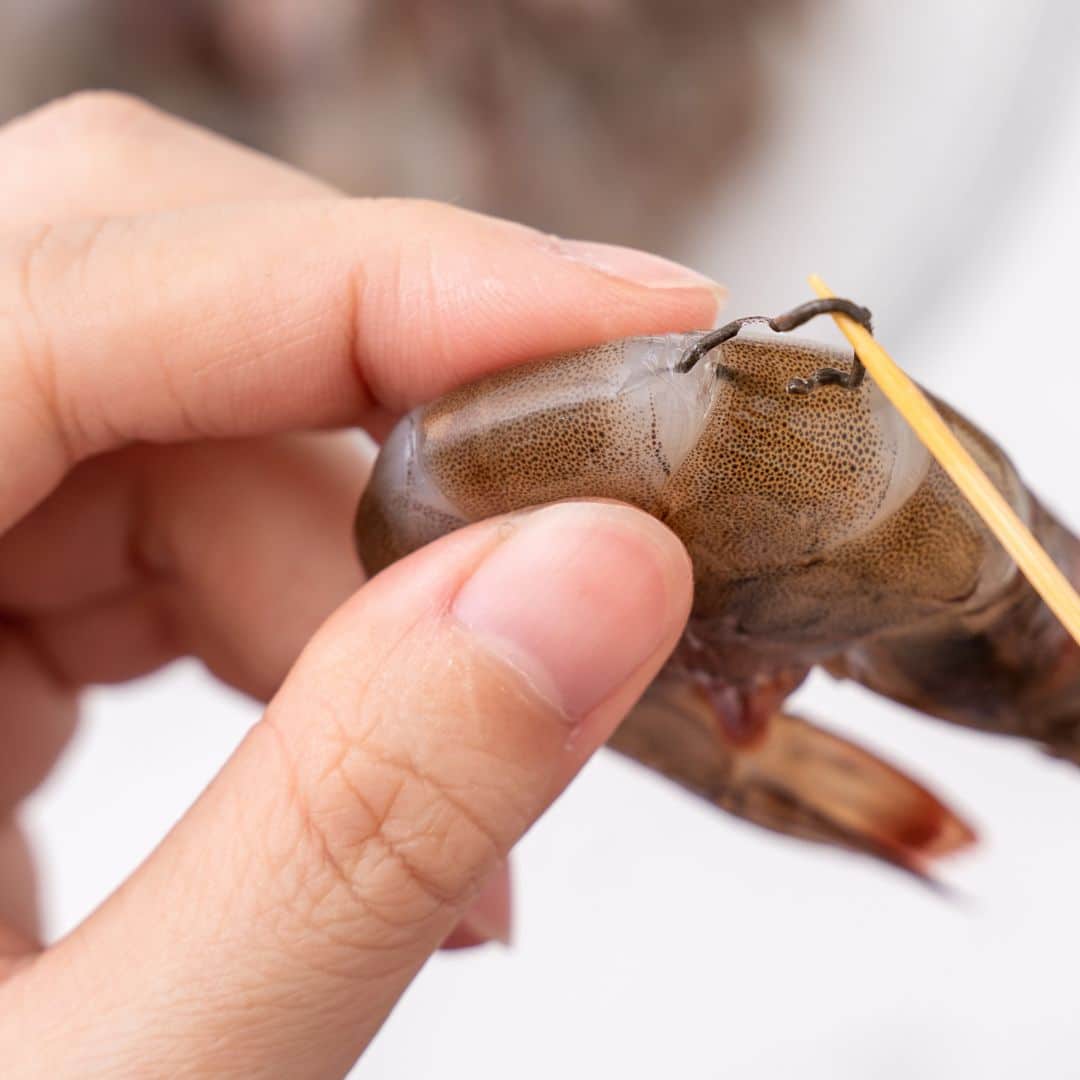
Deveining is a precision task that defines the quality of a dish. For large-scale operations and commercial kitchens, this is often done using specialized tools that split the shell and remove the tract in one swift motion. In artisanal cooking, a sharp paring knife is typically used to make a shallow incision along the back, allowing the chef to lift the vein out with the tip of the blade.
This process does more than just remove debris; it opens the shrimp, allowing it to cook more evenly and absorb seasonings, marinades, and butter sauces more effectively. When a recipe calls for “butterflied” shrimp, the deveining process is the essential first step that enables the specific presentation and texture required for the dish.
Evaluating Freshness Beyond the Vein
While the digestive tract is a natural component, there are other signs of the “black stuff” that should act as a warning signal for consumers and chefs alike. It is crucial to distinguish between the internal digestive tract and external signs of degradation.
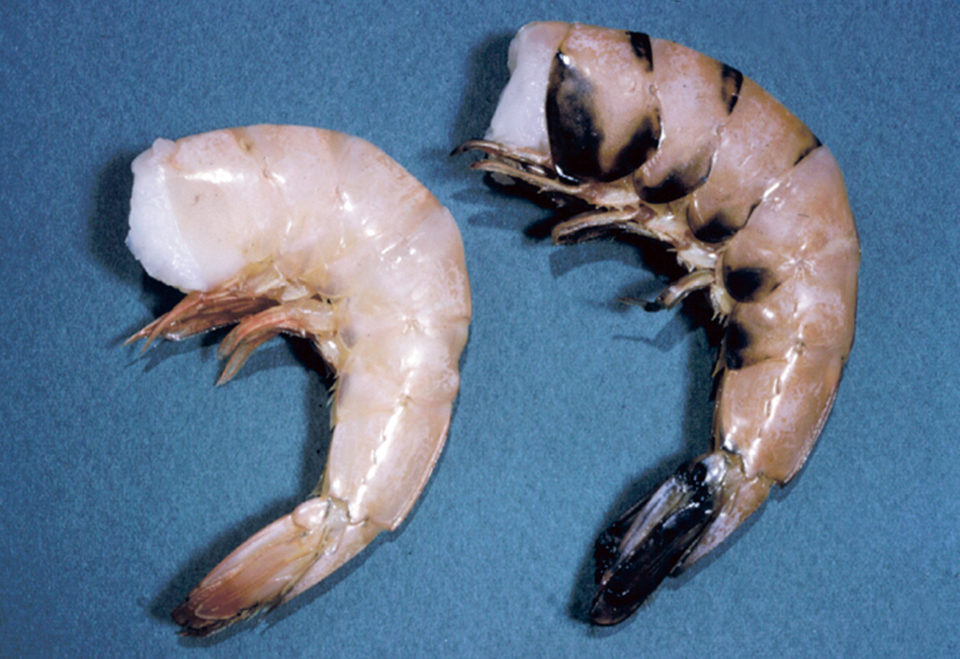
If the shell itself shows black spots—a condition often called “melanosis”—this is an entirely different biological process. Melanosis occurs due to an enzymatic reaction that happens after a shrimp is caught, where the crustacean’s natural enzymes react with oxygen to produce dark pigments. While minor melanosis is common and does not indicate rot, significant blackening across the shell, combined with a mushy texture or an off-putting odor, is a clear indicator that the product has not been stored or transported correctly. In these instances, the “black stuff” is not the digestive tract, but a sign that the seafood has passed its peak quality and should be discarded.
Selecting Premium Seafood for Professional Results
The nuances of shrimp preparation begin long before the pan is heated. Selecting high-quality, sustainably sourced, and properly handled shrimp is the foundation of any successful seafood menu. When sourcing for a professional or high-standard home kitchen, there are several factors to consider to ensure the product you are working with meets the highest culinary benchmarks.
Transparency in the Supply Chain
The “black stuff” is often less prominent in farmed shrimp that are raised in controlled, filtered environments compared to wild-caught varieties. This is not necessarily a reflection of quality, but rather an indicator of the shrimp’s environment. When purchasing, look for suppliers who provide clear information regarding the harvesting method and post-harvest handling. Flash-freezing at the point of catch is the gold standard, as it locks in the texture and prevents the enzymatic breakdown that leads to undesirable discoloration.
Preparation Best Practices
Once you have selected your shrimp, the following practices ensure that the digestive tract is managed with the care it requires:
- Thawing: Always thaw shrimp under refrigeration. Never use high heat to speed up the process, as this compromises the protein structure and makes the vein harder to remove cleanly.
- Precision: When deveining, use a cool, damp paper towel to wipe the blade between incisions. This prevents the residue from the vein from spreading across the meat of the shrimp.
- Texture Check: After removing the vein, perform a quick sensory check. The flesh should be firm, translucent to slightly opaque, and have a mild, oceanic scent. If the flesh appears limp or emits an ammonia-like odor, the shrimp is past its prime, regardless of whether it has been deveined.
- Presentation: For dishes where the shrimp remains in the shell, such as a traditional low-country boil, deveining is often skipped for aesthetic reasons. In these cases, the diner is expected to handle the removal of the tract as they peel the shell. However, for sautés, griddles, or tempura, removing the vein is non-negotiable for a professional result.
The Intersection of Biology and Gastronomy
Ultimately, understanding the “black stuff” in shrimp is about bridging the gap between raw biological reality and the refined world of gastronomy. Shrimp are fascinating creatures with complex digestive systems, and the remnants of their natural diet are an inescapable part of the anatomy. By viewing this as a simple, manageable step in the preparation process rather than a mystery to be feared, you elevate your culinary capabilities.
Whether you are managing a commercial kitchen, running a catering business, or simply preparing a meal for discerning guests, the attention to detail applied to the deveining process speaks volumes about your commitment to quality. The removal of the midgut is more than a technical task; it is an act of refinement that strips away the grit of the sea to reveal the clean, sweet, and delicate meat that makes shrimp one of the most celebrated ingredients in the culinary world.
By mastering the identification and removal of the digestive tract, you ensure that every plate served is clean, professional, and optimized for flavor. The next time you encounter that dark line along the back of a shrimp, you will know exactly what it is, why it exists, and how to handle it with the precision required to produce world-class results. In the competitive environment of food service, these small, informed decisions regarding ingredients are exactly what distinguish the amateur from the master.
aViewFromTheCave is a participant in the Amazon Services LLC Associates Program, an affiliate advertising program designed to provide a means for sites to earn advertising fees by advertising and linking to Amazon.com. Amazon, the Amazon logo, AmazonSupply, and the AmazonSupply logo are trademarks of Amazon.com, Inc. or its affiliates. As an Amazon Associate we earn affiliate commissions from qualifying purchases.