
Choosing the “best” stock trading platform is less about identifying a universally superior option and more about aligning a platform’s features, costs, and capabilities with an individual investor’s unique financial goals, experience level, and trading style. In today’s dynamic financial landscape, countless platforms vie for attention, each offering a distinct set of tools and services. Navigating this crowded market requires a strategic approach, focusing on specific criteria that directly impact an investor’s ability to execute trades effectively, manage portfolios efficiently, and ultimately, achieve financial success. This article will delve into the critical factors to consider when selecting a stock trading platform, offering a comprehensive guide for both novice and seasoned investors seeking to optimize their investment journey.
Understanding Your Trading Needs and Goals
Before even beginning to compare platforms, the most crucial step is a thorough self-assessment of your personal trading needs, financial aspirations, and risk tolerance. A platform that perfectly suits a day trader might be completely overwhelming for a long-term investor, and vice versa.
Beginner vs. Experienced Trader
The ideal platform for a beginner typically prioritizes simplicity, educational resources, and a supportive environment. Novice investors often benefit from intuitive interfaces, simplified order types, and ample learning materials like webinars, tutorials, and simulated trading accounts (paper trading). These features help build confidence and understanding without the intimidation of complex charts or advanced analytical tools.
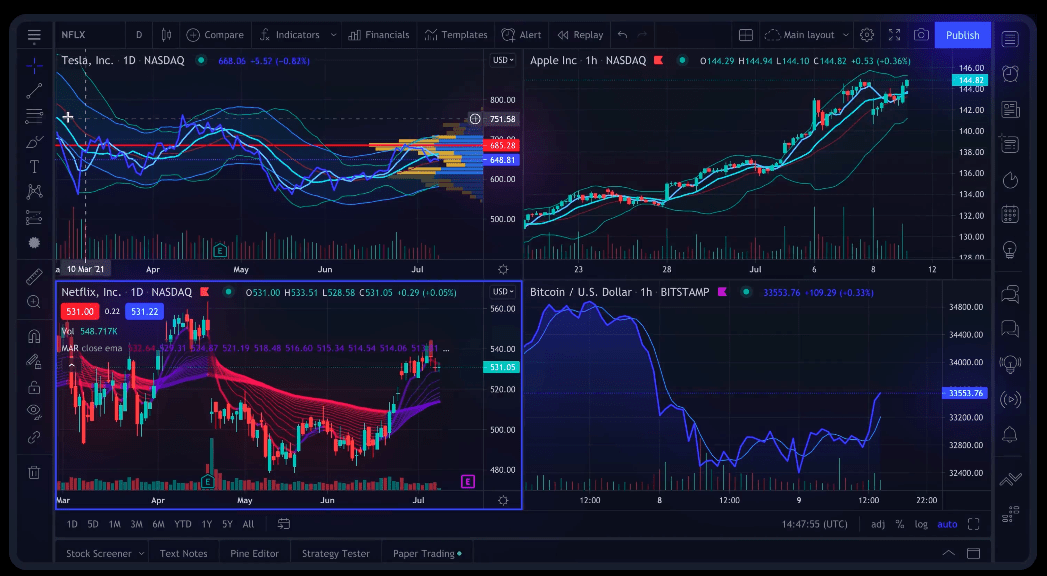
In contrast, experienced traders or active investors often demand sophisticated charting capabilities, access to real-time market data, advanced order types (e.g., algorithmic trading, options strategies), and robust analytical tools for technical and fundamental analysis. They may also value API access for custom trading solutions or integration with third-party tools. For them, a platform’s power and flexibility outweigh a simplified user experience.
Investment Style and Asset Classes
Your preferred investment style significantly dictates the type of platform you’ll need.
-
Long-Term Investors: Those focused on buy-and-hold strategies for growth or income will prioritize platforms with low-cost access to a wide range of stocks, exchange-traded funds (ETFs), and mutual funds. They may also appreciate tools for portfolio rebalancing and long-term performance tracking.
-
Day Traders/Swing Traders: These active traders require platforms with lightning-fast execution speeds, real-time data feeds, highly customizable charts, and access to advanced order types to capitalize on short-term price movements. Low commissions and tight spreads are also paramount to protect profit margins.
-
Options and Futures Traders: Specialized platforms are necessary for these derivatives, offering dedicated options chains, strategy builders, risk analysis tools, and specific margin requirements.
-
Cryptocurrency Traders: While some traditional brokers are now integrating crypto, dedicated cryptocurrency exchanges often provide broader altcoin selections, specialized wallets, and staking opportunities.
-
Forex Traders: Platforms specializing in foreign exchange markets offer unique features like leverage options, currency pair analysis, and specific charting tools for currency movements.
Budget and Cost Considerations
The cost structure of a trading platform can significantly impact your net returns, especially for frequent traders.
-
Commissions: Many platforms have moved to commission-free trading for stocks and ETFs, but commissions may still apply to options, futures, mutual funds, or specific asset classes. Always clarify the commission schedule.
-
Trading Fees: Beyond commissions, be aware of regulatory fees, routing fees, or fees for specific order types.
-
Account Maintenance Fees: Some platforms charge monthly or annual fees, though these are becoming less common, particularly for active accounts or those meeting minimum balance requirements.
-
Minimum Deposit Requirements: Some platforms require a minimum initial deposit to open an account, while others have no minimums, making them more accessible for beginners.
-
Margin Rates: If you plan to trade on margin, compare the interest rates charged by different brokers, as these can vary significantly and impact your profitability.
-
Data Fees: Access to real-time, professional-grade market data may incur additional subscription fees, especially for advanced data packages.
Key Features to Look for in a Trading Platform
Once you’ve identified your personal trading profile, you can begin evaluating platforms based on a universal set of features crucial for an effective trading experience.
User Interface and Experience (UI/UX)
A well-designed platform should be intuitive and easy to navigate, regardless of its complexity.
-
Clarity and Simplicity: Can you easily find the assets you want to trade, place orders, and monitor your portfolio? A cluttered or confusing interface can lead to errors and frustration.
-
Customization: Advanced traders often prefer platforms that allow them to customize layouts, widgets, and watchlists to suit their specific workflow.
-
Mobile Accessibility: In today’s interconnected world, a robust and feature-rich mobile app is essential for monitoring positions, executing trades on the go, and staying updated with market news. Ensure the mobile experience is as seamless and functional as the desktop version.
Research and Analytical Tools
The quality of a platform’s research and analytical tools can be a game-changer for informed decision-making.
-
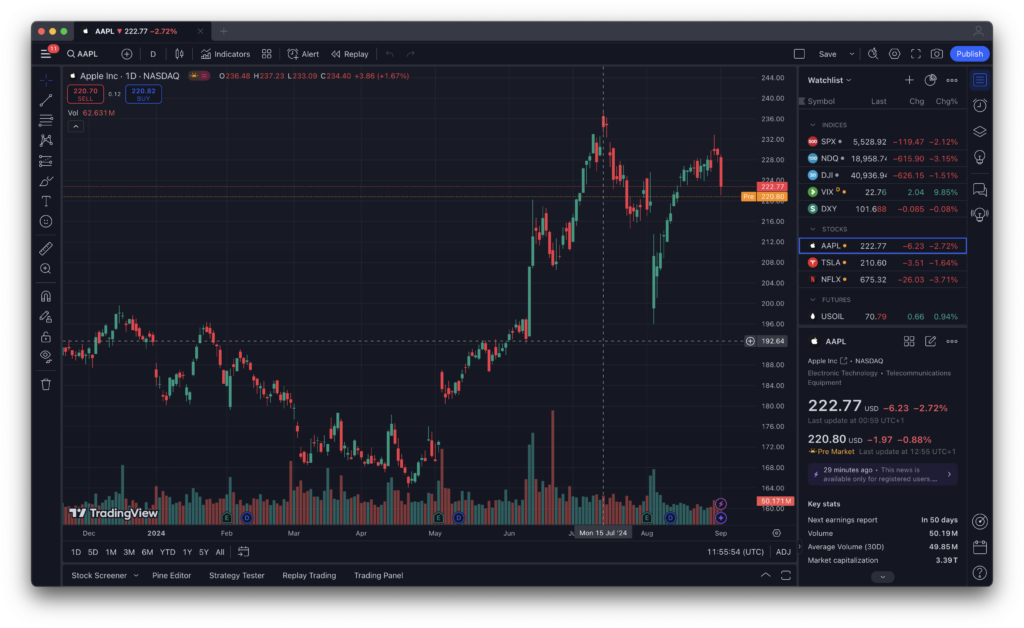
Charting Capabilities: Look for platforms offering comprehensive charting tools with various technical indicators, drawing tools, multiple timeframes, and the ability to compare assets.
-
Stock Screeners: Effective screeners allow you to filter stocks based on specific criteria (e.g., market capitalization, industry, P/E ratio, dividend yield, technical signals), helping you discover new investment opportunities.
-
News Feeds and Alerts: Real-time news feeds, economic calendars, and customizable alerts ensure you stay abreast of market-moving events without constantly scouring external sources.
-
Fundamental and Technical Analysis: Access to company financials, analyst ratings, and robust technical analysis indicators (e.g., moving averages, RSI, MACD) are vital for making data-driven investment choices.
-
Paper Trading/Simulated Accounts: For beginners, the ability to practice trading with virtual money in a real-market environment is invaluable for learning the ropes without financial risk.
Order Types and Execution
Beyond basic market and limit orders, advanced functionality can provide greater control and strategic flexibility.
-
Stop-Loss and Take-Profit Orders: Essential for risk management, automatically selling an asset if it falls to a certain price (stop-loss) or selling when it reaches a predetermined profit level (take-profit).
-
Trailing Stops: A dynamic stop-loss order that adjusts as the price moves in your favor, helping to lock in profits while limiting downside risk.
-
Conditional Orders: Orders that are executed only when certain market conditions are met.
-
Execution Speed and Reliability: For active traders, milliseconds matter. Evaluate a platform’s reputation for fast and reliable order execution, especially during volatile market conditions.
Security, Regulation, and Customer Support
Trust and reliability are non-negotiable when dealing with your financial assets. A platform must demonstrate robust security measures, adhere to regulatory standards, and provide excellent customer service.
Regulatory Compliance and Investor Protection
Ensure the platform is regulated by reputable financial authorities in your jurisdiction. In the United States, this includes the Securities and Exchange Commission (SEC) and the Financial Industry Regulatory Authority (FINRA).
-
SIPC Protection: For U.S.-based brokers, look for Securities Investor Protection Corporation (SIPC) membership, which protects client assets (up to $500,000, including $250,000 for cash) in case the brokerage firm fails. This does not protect against market losses.
-
Segregation of Funds: Reputable brokers hold client funds in segregated accounts, separate from their operational funds, providing an additional layer of security.
Data Security and Privacy
Your personal and financial information must be protected with the highest standards of digital security.
-
Two-Factor Authentication (2FA): A critical security feature that requires two forms of verification to access your account, significantly reducing the risk of unauthorized access.
-
Encryption: Ensure the platform uses robust encryption protocols to protect data transmitted between your device and their servers.
-
Fraud Protection: Understand the platform’s policies and procedures for detecting and preventing fraudulent activity.
Customer Service Quality
Even the most intuitive platforms can present questions or issues. Accessible and knowledgeable customer support is vital.
-
Availability: Is support available 24/7 or only during business hours?
-
Channels: Does the platform offer multiple contact methods (phone, email, live chat)?
-
Responsiveness and Expertise: How quickly do they respond, and are their representatives knowledgeable and helpful in resolving issues?
-
Self-Help Resources: A comprehensive FAQ section, knowledge base, or community forum can also be invaluable for finding quick answers.
Top Contenders in the Stock Trading Platform Market (Categories, Not Specific Reviews)
While naming a single “best” platform is impossible, we can categorize platforms based on their strengths, allowing you to narrow down options according to your identified needs.
Best for Beginners
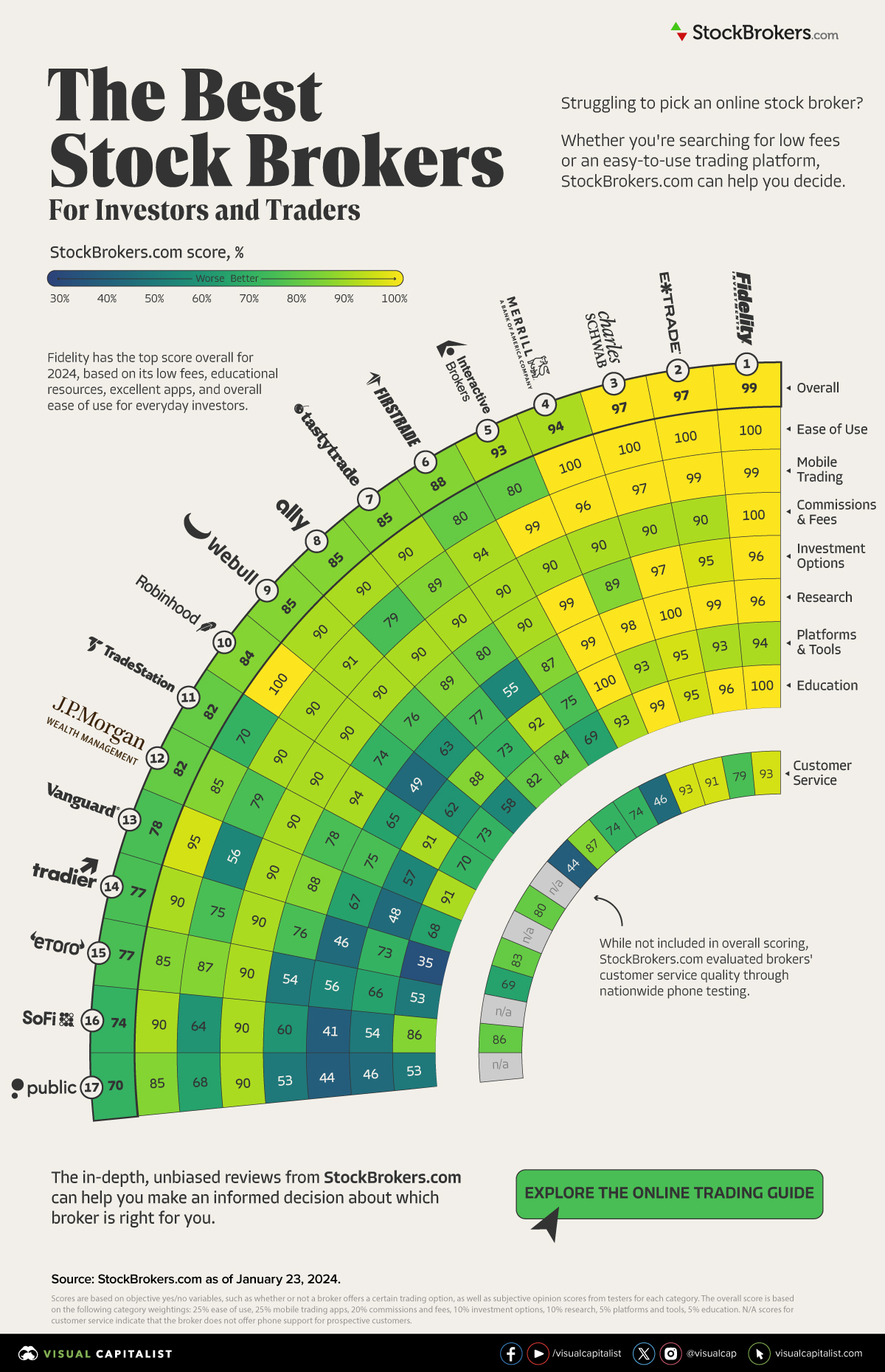
Platforms in this category excel in user-friendliness, low entry barriers, and extensive educational content. They often feature simplified interfaces, commission-free trading on a wide range of assets, and robust paper trading accounts. Their focus is on empowering new investors with tools to learn and grow without being overwhelmed by excessive complexity. Think platforms with strong mobile apps and clear guides.
Best for Advanced Traders and Active Investors
These platforms are powerhouses for experienced individuals who demand speed, precision, and deep analytical capabilities. They offer highly customizable charting packages with numerous technical indicators, advanced order types (e.g., bracket orders, time-in-force options), direct market access, and real-time streaming data. Their interfaces, while powerful, might have a steeper learning curve but provide unparalleled control and insight.
Best for Low-Cost Trading
For investors highly sensitive to costs, platforms focused on minimal fees are paramount. This typically means commission-free stock and ETF trading, competitive margin rates, and an absence of account maintenance fees. While often offering robust services, their primary appeal is the ability to trade frequently or with smaller amounts without being eroded by charges.
Best for Diversified Portfolios and Specific Asset Classes
If your investment strategy spans beyond basic stocks and ETFs to include options, futures, forex, or even cryptocurrencies, look for platforms that offer a comprehensive suite of these asset classes. These platforms often provide specialized tools tailored to each asset, such as advanced options analysis, forex heat maps, or dedicated crypto wallets and staking opportunities, allowing for a truly diversified and specialized trading experience within a single ecosystem.
Making Your Final Decision
After considering all the factors, the selection process culminates in a proactive engagement with your top choices.
Test Driving Platforms (Paper Trading)
Most reputable platforms offer a demo or paper trading account. This is an invaluable opportunity to:
-
Familiarize yourself with the interface: Navigate the platform, place simulated trades, and explore the available tools without financial risk.
-
Test your strategies: Practice your trading strategies in real-market conditions to see how they perform before committing real capital.
-
Evaluate execution: While paper trading doesn’t perfectly replicate live execution, it can give you a feel for how orders are placed and managed.
Reading Reviews and Community Feedback
Supplement your own testing with insights from other users. Look for independent reviews, community forums, and reputable financial publications. Pay attention to feedback regarding:
-
Platform stability and reliability, especially during volatile periods.
-
Customer service quality and responsiveness.
-
Hidden fees or unexpected charges.
-
Experiences with specific features you deem important.
Scalability for Future Growth
Consider whether the platform can grow with you. As your trading knowledge and capital expand, will the platform continue to meet your evolving needs? A platform that initially suits a beginner but also offers advanced features for when you gain experience can save you the hassle of switching brokers later.
Ultimately, the best stock trading platform is a personal choice that harmonizes your financial objectives with a platform’s capabilities. By meticulously evaluating your needs, scrutinizing key features, prioritizing security, and thoroughly testing your options, you can confidently select a platform that not only supports your current investment journey but also empowers your future financial growth. The goal is not just to find a platform, but to find a trusted partner in your pursuit of financial independence.
aViewFromTheCave is a participant in the Amazon Services LLC Associates Program, an affiliate advertising program designed to provide a means for sites to earn advertising fees by advertising and linking to Amazon.com. Amazon, the Amazon logo, AmazonSupply, and the AmazonSupply logo are trademarks of Amazon.com, Inc. or its affiliates. As an Amazon Associate we earn affiliate commissions from qualifying purchases.