
Renting a car in Florida is often a necessity for exploring its diverse landscapes, from the vibrant urban centers to the serene beaches and sprawling theme parks. However, understanding the true cost involves more than just the advertised daily rate. A savvy financial approach requires delving into a myriad of factors, including base prices, mandatory fees, optional add-ons, and potential hidden costs, all of which can significantly impact your overall travel budget.
Understanding the Baseline Costs of Car Rental in Florida
The initial sticker price for a rental car in Florida can be highly variable, influenced by several dynamic market forces. To accurately budget, it’s crucial to understand what drives these baseline figures.

Daily Rental Rates: What to Expect
Daily rental rates are the fundamental component of your car rental expense. These rates fluctuate widely based on the vehicle class, ranging from compact economy cars to full-size sedans, SUVs, minivans, and luxury vehicles. For a compact car, you might find rates anywhere from $30 to $60 per day during off-peak seasons, while an SUV or minivan could start from $70-$120 per day. Luxury models can easily exceed $150-$200 daily. It’s important to note that these are pre-tax and pre-fee figures, representing only the vehicle’s usage cost.
Factors Influencing Base Prices
Several key factors beyond the car type exert considerable influence on the base rental price:
-
Rental Duration: Longer rental periods often result in a lower average daily rate. Weekly rentals, for instance, typically offer better value than multiple shorter, consecutive daily rentals.
-
Booking Location: Renting directly from airport locations, while convenient, almost invariably incurs higher costs due to additional airport concession fees and surcharges levied by the rental companies. Off-airport locations, usually accessible via shuttle or rideshare, can offer significant savings on base rates and associated fees.
-
Rental Company: Major international brands (e.g., Hertz, Enterprise, Avis, Budget, National, Dollar, Thrifty) generally have a broader fleet and presence but might have slightly higher base rates compared to smaller, regional, or discount providers. However, premium brands often include better customer service and newer vehicles.
Seasonal Variations and Demand
Florida’s status as a year-round tourist destination means demand plays a critical role in pricing. High seasons — typically encompassing winter (November to April), Spring Break (March), major holidays (Thanksgiving, Christmas, New Year’s), and summer vacation periods — see a significant surge in demand, leading to substantially higher rental rates. During these peak times, rates can double or even triple compared to the off-peak shoulder seasons (e.g., late April/May, September/early October), when demand dips and more competitive pricing becomes available. Booking far in advance is crucial during peak times to secure both availability and more favorable rates.
Deconstructing Mandatory and Optional Fees
Beyond the base daily rate, a significant portion of your car rental expenditure comes from a combination of mandatory taxes and surcharges, along with various optional services that, if not carefully considered, can inflate your bill dramatically.
Taxes and Airport Surcharges
Florida imposes a state sales tax on car rentals, typically 6% to 7%, depending on the county. On top of this, you will almost certainly encounter several other mandatory fees:
-
Airport Concession Fees (ACF) / Customer Facility Charges (CFC): These are charges levied by airports to rental companies for the privilege of operating on airport property. They are passed directly to the consumer and can range from 10% to 15% of the total rental cost, sometimes even higher.
-
Vehicle License Recovery Fee: A charge to offset the cost of registering and licensing the rental fleet.
-
Energy Surcharge: A small, flat daily fee imposed by some companies to cover energy-related costs.
-
Tourism Development Tax: Specific counties popular with tourists may impose an additional local tax, often 1% to 2%.
These mandatory fees can cumulatively add 20% to 35% or more to your base rental price before any optional add-ons.
Insurance Options: To Buy or Not to Buy?
Rental car insurance is one of the most significant optional costs. Rental companies aggressively offer various forms of coverage:
-
Loss Damage Waiver (LDW) / Collision Damage Waiver (CDW): Waives your financial responsibility for damage to the rental car, regardless of fault. This is often the most expensive add-on, costing $20-$40 per day.
-
Supplemental Liability Insurance (SLI): Provides additional liability coverage beyond the state-mandated minimums, protecting you against claims from third parties for injury or property damage. Typically $10-$15 per day.
-
Personal Accident Insurance (PAI) / Personal Effects Protection (PEP): Covers medical expenses for you and your passengers and/or protects personal belongings stolen from the car. Usually $5-$10 per day.
Before purchasing these, meticulously check your existing personal auto insurance policy; many provide coverage for rental cars. Additionally, numerous credit cards offer secondary (and sometimes primary) CDW benefits when you use them to pay for the rental. Leveraging these existing coverages can lead to substantial financial savings, potentially eliminating $200-$400 from a week-long rental.
Fuel Policies and Refueling Charges
Rental companies offer different fuel options, each with distinct financial implications:
-
Full-to-Full: You receive the car with a full tank and are expected to return it full. This is generally the most cost-effective option, as you pay local gas prices. Failure to return it full results in exorbitant refueling charges from the rental company (often $5-$10 per gallon above market rate).
-
Pre-Paid Fuel: You pay for a full tank upfront at the rental counter, often at a slight discount compared to market prices. This is convenient if you plan to return the car empty, but you lose money if you return it with fuel remaining.
-
Rental Company Refuel: You return the car with less than a full tank, and the company refuels it, charging you a premium rate per gallon plus a service fee. This is almost always the most expensive option.
Opting for “full-to-full” and conscientiously refueling yourself before returning the vehicle is the financially prudent choice.
Additional Driver Fees and Age Restrictions
Adding an additional driver can incur a daily fee, typically $10-$15 per driver, per day. Some loyalty programs or specific rental company policies might waive this for spouses or domestic partners. Renters under the age of 25 face “young renter” surcharges, usually $20-$35 per day, due to perceived higher risk. This fee applies even if the driver is over 21 but under 25, significantly increasing the overall cost.
Strategies for Financial Savings on Your Florida Car Rental
Minimizing car rental expenses in Florida requires proactive planning and smart financial decisions. Every dollar saved on the rental can be reallocated to other aspects of your trip, enhancing your overall experience.
Booking in Advance and Comparison Shopping

The golden rule for cost-effective car rental is to book as early as possible, especially if your travel dates fall during peak season. Rental car pricing operates on a dynamic model, much like airline tickets; prices tend to rise as availability decreases. Booking several weeks or even months out can secure a significantly lower rate.
Furthermore, always employ comparison shopping. Utilize reputable online travel agencies (OTAs) and aggregator sites that allow you to compare prices across multiple rental companies simultaneously. However, don’t stop there. After identifying competitive rates, visit the individual rental company websites directly. Sometimes, direct bookings offer exclusive discounts, waive certain fees, or provide better cancellation policies. Consider using different browser windows or incognito mode to see if prices vary.
Loyalty Programs and Discount Codes
Enroll in the loyalty programs of major rental companies (e.g., Hertz Gold Plus Rewards, Enterprise Plus, Avis Preferred). Membership is usually free and can provide benefits such as expedited pick-up, free upgrades, and, critically, discounted rates or waived fees (like additional driver fees).
Actively search for discount codes or coupons. These can often be found through:
-
Travel associations: AAA, AARP, Costco, military, or student discounts.
-
Corporate affiliations: Many employers have negotiated rates with rental companies.
-
Credit card benefits: Certain credit cards offer rental car discounts or premium status with rental companies.
-
Online coupon sites: A quick search before booking can often yield valuable codes.
Choosing the Right Vehicle Class
While it might be tempting to upgrade to a larger or more luxurious vehicle, critically assess your actual needs. A smaller, more fuel-efficient economy or compact car will not only have a lower daily rental rate but also save you money on gasoline, a significant expense in Florida, especially if you plan extensive driving. If you’re traveling solo or as a couple with minimal luggage, a compact car is often the most financially sensible choice. Only upgrade if genuinely necessary for passenger count, luggage space, or specific terrain.
Avoiding Unnecessary Upgrades and Add-ons
Rental counters are notorious for upselling. Politely decline any add-ons you don’t genuinely need or already have covered:
-
GPS Navigation: Your smartphone likely has superior navigation capabilities (Google Maps, Apple Maps, Waze) that work perfectly well, often with offline map downloads, rendering a rental GPS unit (typically $10-$15/day) redundant.
-
Satellite Radio: Most people can stream music via their phones, making satellite radio an unnecessary luxury.
-
Roadside Assistance Plans: Check if your personal auto insurance, credit card, or even auto club membership (like AAA) already includes roadside assistance that extends to rental vehicles.
-
Toll Pass Devices: While convenient, these often come with daily fees ($5-$10/day) plus the cost of tolls. Weigh this against Florida’s cashless toll roads and alternative payment methods discussed below.
Each declined add-on directly contributes to significant financial savings over the rental period.
Budgeting for the Unexpected: Hidden Costs and Contingencies
Even with careful planning, certain costs can unexpectedly arise. Factoring these into your budget prevents unwelcome financial surprises.
Tolls and Electronic Payment Systems
Florida has an extensive network of cashless toll roads, particularly around major cities like Orlando, Miami, and Tampa. This means cash is not accepted at many toll booths. Rental companies offer electronic toll pass services (e.g., SunPass, E-ZPass transponders or plate-matching systems). While convenient, these often involve a daily administrative fee (even on days you don’t incur tolls) in addition to the actual toll charges. For example, you might pay $5-$10 per day plus the toll itself.
A more budget-friendly approach might be to purchase your own SunPass Mini (a sticker transponder) from a local Publix, CVS, or Walgreens for around $5-$10 and load it with funds. Alternatively, if your travel involves minimal toll roads, you could opt for “Toll-by-Plate,” where the rental company is billed for your tolls based on license plate recognition, and then charges you a higher administrative fee per toll or per billing statement. Researching your route’s toll requirements and pre-purchasing a SunPass can result in substantial savings compared to rental company plans.
Parking Fees and Fines
Especially in popular tourist areas, major cities, and theme parks, parking can be a significant daily expense. Hotel parking in urban centers can range from $20 to $50 per night. Theme park parking can be $25-$30 per day. Even public parking garages and meters can quickly accumulate costs. Factor these potential daily parking fees into your overall transportation budget. Additionally, be vigilant about parking regulations to avoid costly parking tickets or towing fees, which rental companies will pass on to you with added administrative charges.
Potential Damage Waiver Deductibles
If you decline the rental company’s LDW/CDW and rely on your personal insurance or credit card, understand their deductibles and coverage limits. While these alternatives can save you money on daily premiums, a deductible might still apply in case of damage, meaning you’re responsible for an initial out-of-pocket expense before your coverage kicks in. Confirm these details with your insurer or credit card provider beforehand to avoid financial shocks.
Early Return or Late Drop-off Penalties
Rental agreements typically specify exact pick-up and drop-off times. Returning a vehicle significantly earlier than planned (e.g., multiple days early) might not result in a pro-rata refund; some companies even charge an early return fee, as it disrupts their pricing model. Conversely, returning the car even an hour or two late can trigger an additional full day’s rental charge, often at a higher, non-discounted rate, plus late fees. Always adhere to your agreed-upon rental period to avoid these penalties.
Final Financial Considerations for Your Florida Trip
Renting a car in Florida is an integral part of many travel plans, and its cost should be viewed within the broader context of your entire trip’s finances.
Total Trip Budget Integration
Don’t view the car rental cost in isolation. It’s one piece of your overall travel budget, alongside flights, accommodation, dining, activities, and souvenirs. By carefully managing car rental expenses through the strategies outlined, you free up funds for other enriching experiences during your Florida vacation. A comprehensive budget allows you to see the true financial impact of each decision.
Reviewing Your Rental Agreement Meticulously
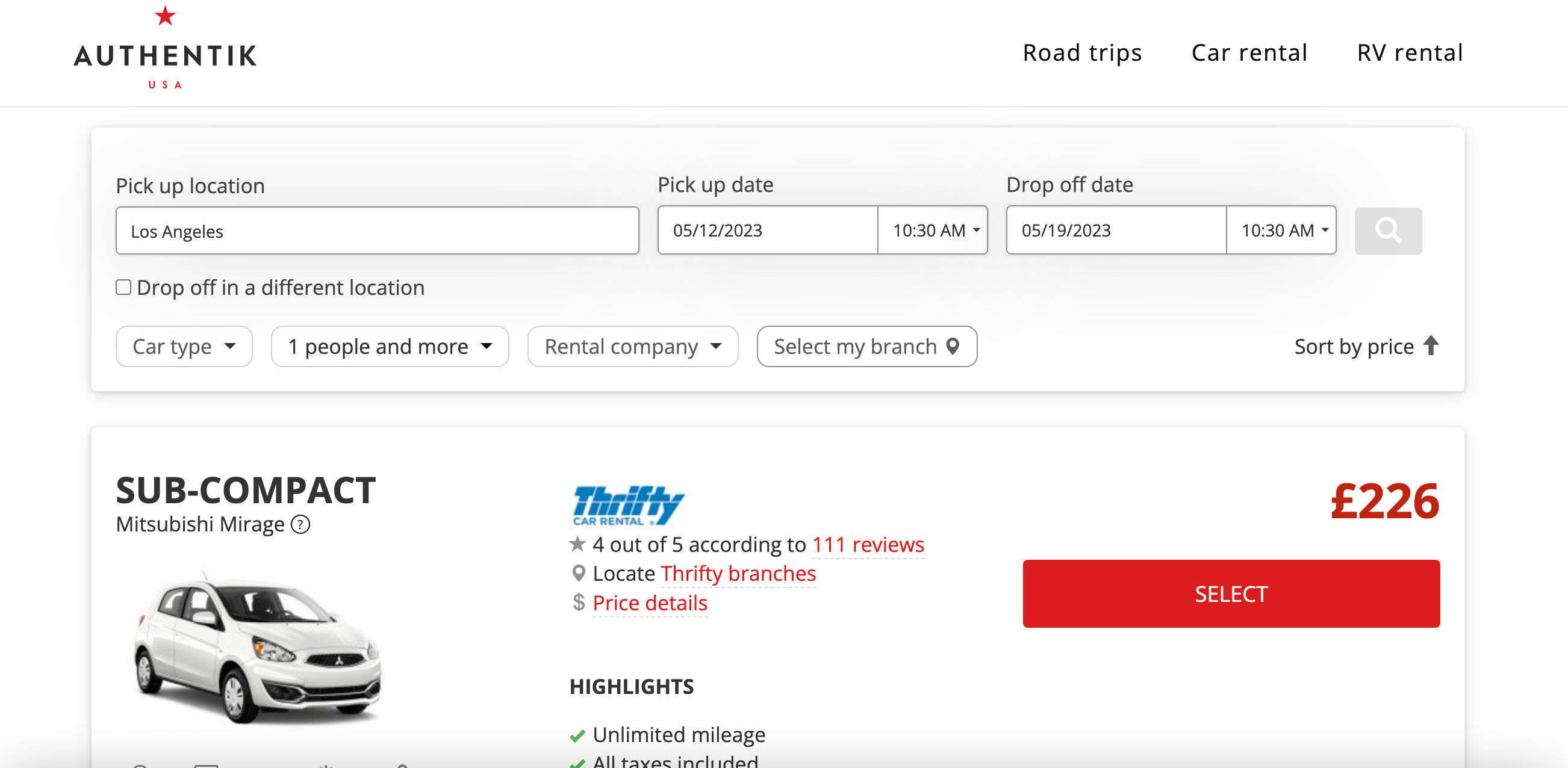
Before signing any paperwork, take the time to thoroughly review your rental agreement. This document itemizes all charges, including the base rate, taxes, fees, and any selected add-ons. Verify that all agreed-upon discounts have been applied and that there are no unexpected charges. If anything looks incorrect or unclear, ask for clarification immediately. A final review at the return counter is also advisable to ensure no erroneous post-rental charges (e.g., for phantom damage or incorrect fuel charges) are applied. Knowledge and vigilance are your best financial tools when renting a car in Florida.
aViewFromTheCave is a participant in the Amazon Services LLC Associates Program, an affiliate advertising program designed to provide a means for sites to earn advertising fees by advertising and linking to Amazon.com. Amazon, the Amazon logo, AmazonSupply, and the AmazonSupply logo are trademarks of Amazon.com, Inc. or its affiliates. As an Amazon Associate we earn affiliate commissions from qualifying purchases.