
The transition toward renewable energy has shifted from a niche environmental movement to a mainstream technological revolution. At the heart of this shift is the solar panel—a piece of hardware that has seen more innovation in the last decade than in the previous fifty years combined. When consumers and tech enthusiasts ask, “What is the best solar panel?” the answer is no longer a simple brand name. Instead, it is a complex calculation involving photovoltaic (PV) efficiency, material science, thermal stability, and software integration.
To determine the “best” panel, we must look beyond the glass surface and examine the sophisticated engineering that allows silicon to convert sunlight into digital-age power. This article explores the current landscape of solar technology, categorizing the leaders in the field and the innovations driving the industry forward.
1. Understanding Solar Cell Technology: Monocrystalline vs. Polycrystalline vs. Thin-Film
The fundamental building block of any solar panel is the cell. The technology used to manufacture these cells dictates the panel’s overall footprint, efficiency, and lifespan. In the current tech market, three primary architectures dominate.
Monocrystalline: The Premium Standard in Efficiency
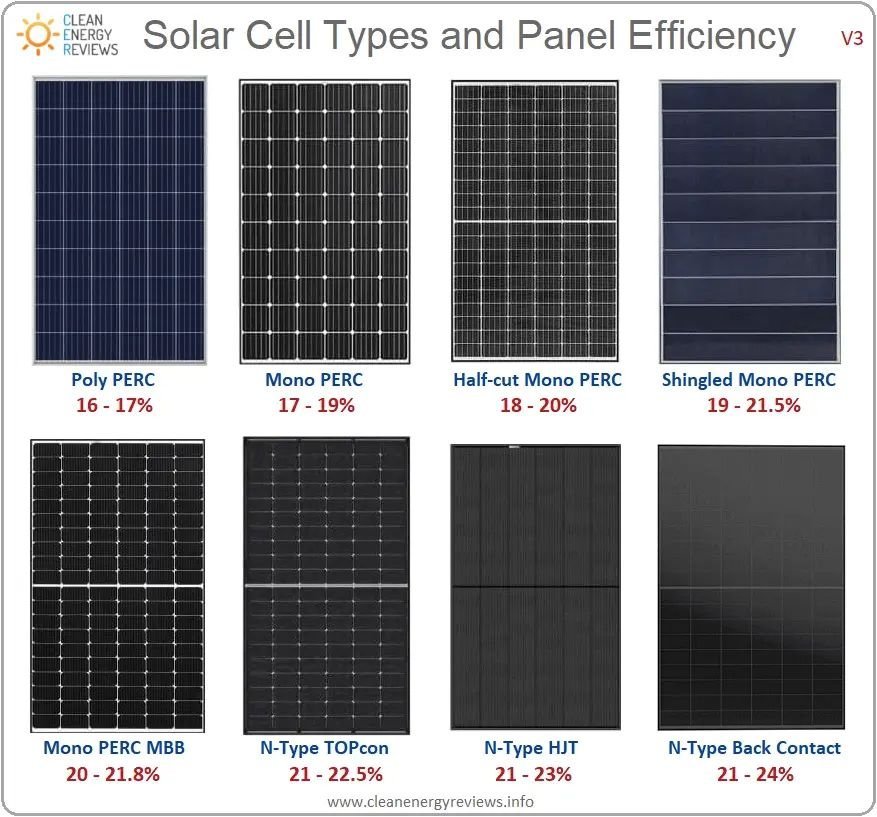
Monocrystalline panels are the gold standard of the industry. They are crafted from a single, continuous crystal structure—usually grown through the Czochralski process. Because the silicon is high-purity, electrons have more room to move, resulting in higher efficiency rates (typically between 19% and 23%). From a design perspective, they are easily identifiable by their sleek, black aesthetic, making them the preferred choice for residential tech installations where roof space is limited but power requirements are high.
Polycrystalline: The Budget-Friendly Workhorse
Polycrystalline panels are made by melting multiple silicon crystals together. While the manufacturing process is less wasteful and more cost-effective, the fragmented crystal structure creates more resistance for moving electrons. This results in lower efficiency (15% to 17%) and a larger physical footprint to achieve the same power output as monocrystalline. While they are becoming less common in high-tech residential setups, they remain a staple in large-scale industrial hardware deployments.
Thin-Film: The Versatile Alternative
Thin-film technology represents a complete departure from crystalline silicon. These panels are made by depositing one or more layers of photovoltaic material (such as Cadmium Telluride or CIGS) onto a substrate like glass, plastic, or metal. While their efficiency is generally lower, they are lightweight and flexible. This makes them the “best” choice for specific tech applications, such as portable gadgets, curved surfaces, or integrated building photovoltaics (BIPV).
2. Key Performance Metrics: Efficiency, Degradation, and Temperature Coefficients
In the world of tech hardware, specs are everything. To identify the best solar panel, engineers and installers look at three critical data points that determine how the hardware will perform over a 25-year lifecycle.
Decoding Efficiency Ratings
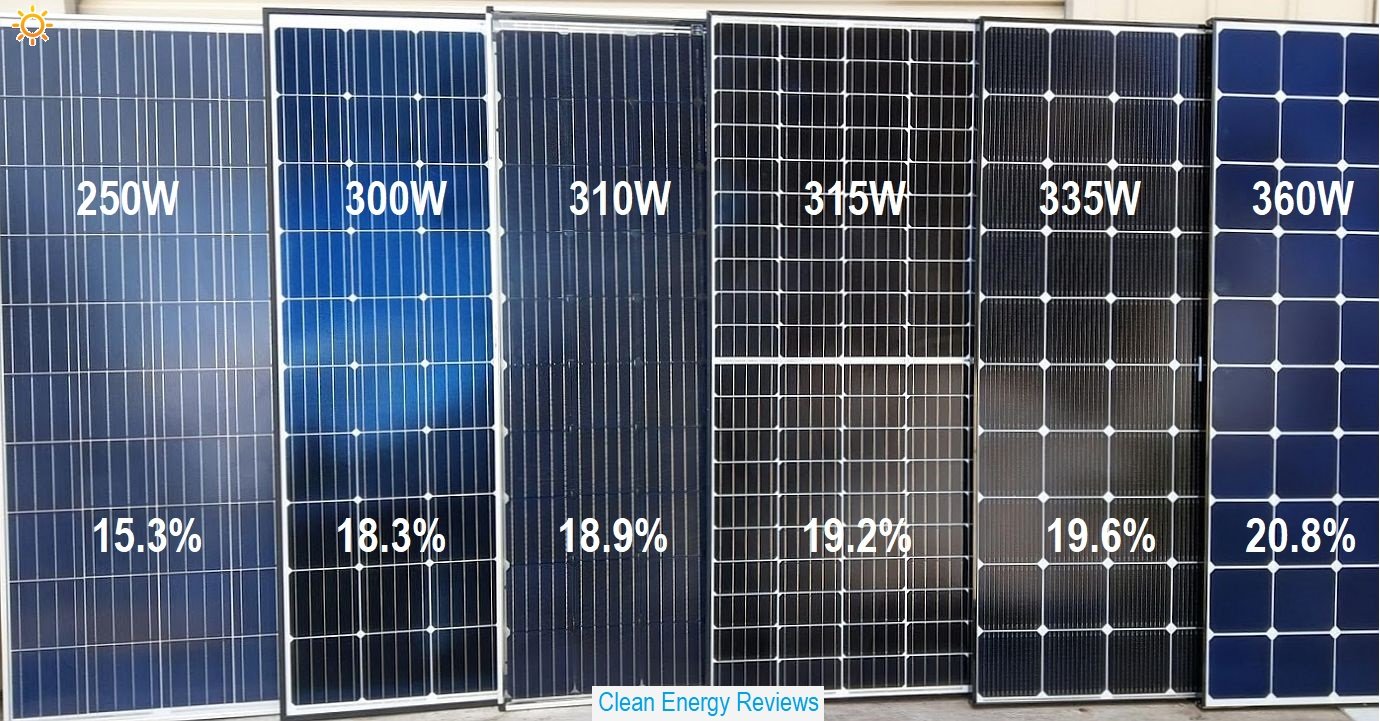
Efficiency is the percentage of sunlight hitting the panel that is converted into usable electricity. While a 2% difference might seem negligible, in the context of a 10kW system, it represents a massive delta in total energy yield. The current tech ceiling for mass-produced silicon panels is hovering around 22.8%, with companies like Maxeon and Jinko Solar leading the charge. High efficiency is crucial because it allows for “future-proofing”—generating more power from the same square footage as energy needs (like EV charging) increase.
Degradation Rates and Long-Term Reliability
Solar panels are unique among tech gadgets because they are expected to sit in the sun, rain, and snow for three decades and still function. All panels degrade over time, but the best hardware limits this loss. Top-tier panels now offer a “linear power warranty,” guaranteeing that the hardware will still produce 90% or even 92% of its original rated power after 25 years. This is achieved through advanced encapsulation techniques that prevent moisture from corroding the internal circuitry.
Performance in Extreme Heat: The Temperature Coefficient
A common misconception in solar tech is that panels love heat. In reality, solar cells are like any other electronic component—they lose efficiency as they get hot. The “temperature coefficient” measures how much power production drops for every degree above 25°C (77°F). Leading panels from brands like REC and Panasonic have incredibly low coefficients (around -0.26%/°C), meaning they continue to perform at high levels even in blistering climates where cheaper hardware would throttle output.
3. Top-Tier Hardware: Reviewing the Best Solar Panels on the Market
While dozens of manufacturers exist, a few have distinguished themselves through superior R&D and hardware reliability.
Maxeon (formerly SunPower): The Efficiency Leader
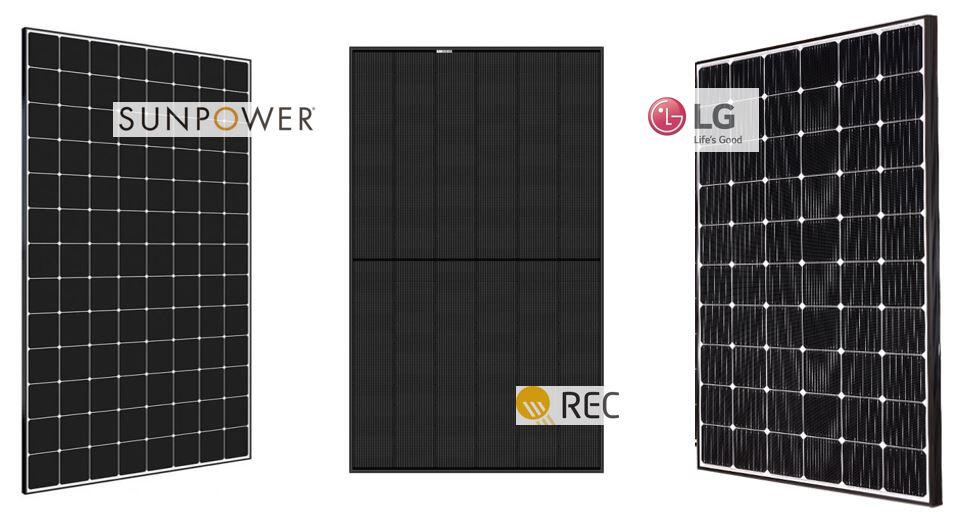
Maxeon is widely considered the manufacturer of the “best” solar panel from a pure performance standpoint. Their Maxeon 6 series utilizes back-contact cell technology, which moves all the metal “fingers” (the lines you see on a panel) to the back. This leaves the entire front surface open to absorb light. This design not only boosts efficiency to world-record levels but also eliminates the primary cause of cell failure: front-surface corrosion.
REC Solar: The Alpha Pure Series Innovation
REC has carved out a massive share of the high-end market with its Alpha Pure-R series. They utilize “Heterojunction” (HJT) technology, which combines the best aspects of crystalline silicon with thin-film silicon. The result is a panel that performs exceptionally well in low-light conditions (dawn, dusk, or cloudy days). Furthermore, their lead-free construction makes them a favorite for environmentally conscious tech consumers.
Q CELLS: Balancing Performance and Value
For those seeking the best balance between cutting-edge tech and accessibility, Q CELLS is the industry leader. Their Q.ANTUM technology utilizes a “Passivated Emitter and Rear Cell” (PERC) architecture. By adding a reflective layer to the back of the cell, they give light a second chance to be absorbed, significantly increasing the efficiency of standard monocrystalline cells without the premium price tag of back-contact designs.
4. The Rise of Smart Solar and Integrated Home Ecosystems
The “best” solar panel is no longer a “dumb” piece of hardware; it is an integrated component of a smart home ecosystem. The integration of power electronics has revolutionized how we manage energy.
Microinverters vs. String Inverters
Traditionally, a string of panels would feed into one central inverter. However, the modern tech standard is shifting toward “Module-Level Power Electronics” (MLPE), specifically microinverters. Companies like Enphase integrate a small computer and inverter directly onto the back of each panel. This allows for individual panel monitoring and ensures that if one panel is shaded by a tree, the rest of the system continues to produce at 100%.
Software Integration and Real-Time Monitoring
Today’s best solar systems come with sophisticated software suites. Homeowners can track energy production down to the watt on their smartphones, receive alerts if a panel is underperforming, and even automate appliances to run when solar production is at its peak. This “Internet of Energy” (IoE) approach transforms a hardware installation into a managed digital asset.
5. Future Trends in Solar Tech: Beyond Traditional Silicon
As we look toward the next generation of solar technology, several emerging trends are poised to redefine what we consider the “best” hardware.
Perovskite Solar Cells: The Next Frontier
Perovskites are a class of materials that have shown a meteoric rise in efficiency in lab settings. When layered on top of traditional silicon (a “tandem cell”), they can capture different spectrums of light, pushing panel efficiency toward the 30% mark. While still in the early stages of commercialization, perovskite-silicon tandem cells represent the next major leap in PV hardware.
Bifacial Panels: Capturing Light from Both Sides
Bifacial technology allows the back of the solar panel to capture sunlight reflected off the roof or ground. While primarily used in commercial ground-mount systems, we are seeing a surge in residential bifacial panels, especially for patio covers or glass-roofed carports. This hardware utilizes clear backsheets to turn wasted reflection into usable electrons, increasing total energy harvest by up to 10–20% without increasing the panel’s footprint.
Conclusion
The quest for the “best” solar panel is a journey through the cutting edge of material science and digital integration. While Maxeon currently holds the crown for peak efficiency and REC leads in specialized HJT technology, the industry is moving so fast that “best” is a moving target. For the tech-forward consumer, the ideal choice is a panel that offers high efficiency, a low temperature coefficient, and seamless integration into a smart home monitoring ecosystem. As we move toward a decentralized energy grid, these high-performance gadgets will be the foundation of a sustainable, tech-driven future.
aViewFromTheCave is a participant in the Amazon Services LLC Associates Program, an affiliate advertising program designed to provide a means for sites to earn advertising fees by advertising and linking to Amazon.com. Amazon, the Amazon logo, AmazonSupply, and the AmazonSupply logo are trademarks of Amazon.com, Inc. or its affiliates. As an Amazon Associate we earn affiliate commissions from qualifying purchases.