
A dislocated hip is a medical emergency that demands immediate attention. The pain and immobility associated with this injury can be severe, and understanding the symptoms is crucial for prompt diagnosis and treatment. While direct physical examination by a medical professional remains paramount, technology has profoundly reshaped how we access, process, and even begin to understand such complex medical conditions. This article delves into the sensory experience of a dislocated hip, exploring how technological advancements in information dissemination, diagnostic imaging, and remote health monitoring empower individuals with knowledge and aid in the diagnostic journey.

The Sensory Landscape of a Dislocated Hip: Beyond Simple Pain
The immediate sensation of a dislocated hip is often described as sudden, intense, and debilitating. It’s not just a generic ache; it’s a specific, alarming feeling that signals something has gone critically wrong within the hip joint. Understanding the nuances of this sensory experience is the first step towards recognizing the potential severity of the situation.
Sudden Onset and Intense Pain
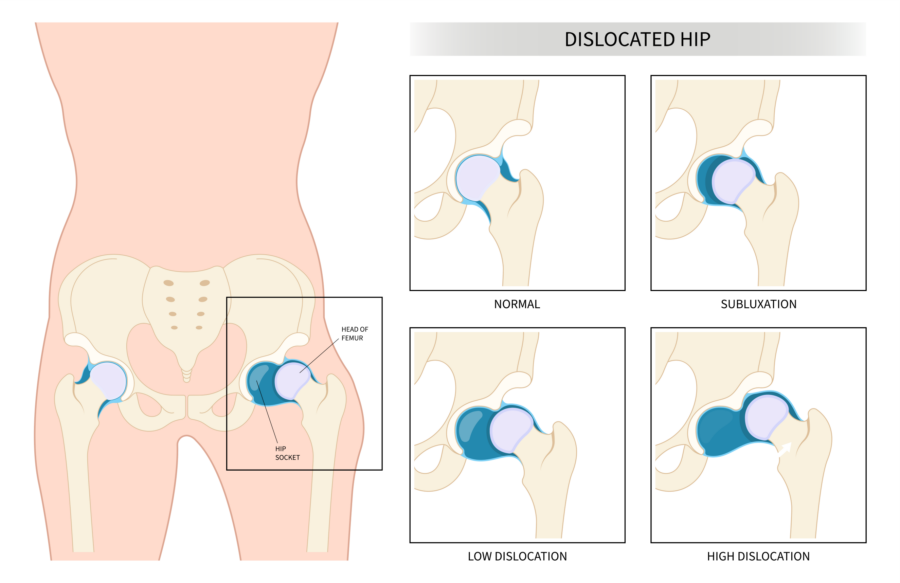
The hallmark of a hip dislocation is its abrupt and violent onset. This is rarely a gradual development. It typically occurs as a result of significant trauma, such as a forceful impact from a fall, a car accident, or a sports injury. The moment of dislocation is often accompanied by a distinct popping or snapping sensation, felt internally as the ball of the femur (thigh bone) is forced out of its socket, the acetabulum, within the pelvis.
The pain that follows is not a dull throbbing but a sharp, searing agony. It’s often described as the “worst pain ever experienced.” This intensity stems from the tearing of ligaments and soft tissues that stabilize the hip joint, the stretching and damage to nerves, and the direct pressure and friction of bone against surrounding tissues. The pain is typically localized to the hip and groin area but can radiate down the thigh, making it difficult to pinpoint precisely.
Inability to Move and Deformity
Beyond the pain, a dislocated hip results in a profound inability to move the affected leg. Any attempt to bear weight or shift the limb exacerbates the pain and can worsen the injury. The leg often appears unnaturally positioned. While there are different types of dislocations (anterior and posterior being the most common), a posterior dislocation, which is more frequent, often results in the leg being visibly shorter and turned inward (internally rotated). An anterior dislocation might present with the leg turned outward (externally rotated). This visible deformity, coupled with the inability to move, is a stark indicator of a serious issue.
Numbness and Tingling: The Neurological Impact
The intricate network of nerves that pass through and around the hip joint are vulnerable during a dislocation. The sciatic nerve, the largest nerve in the body, is particularly at risk, especially in posterior dislocations. As the femoral head displaces, it can compress or stretch this nerve, leading to symptoms of numbness, tingling, or even weakness in the leg and foot. This sensory disruption adds another layer to the complex feeling of a dislocated hip, distinguishing it from other types of hip pain. The pins-and-needles sensation can be alarming and is a significant clue that the injury extends beyond muscular or skeletal damage.
Technological Avenues for Understanding Symptoms and Seeking Help
While the physical sensations are primary, technology plays a vital role in augmenting our understanding and facilitating access to medical care for a dislocated hip. From online health resources to sophisticated diagnostic tools, technology empowers individuals and medical professionals alike.
The Digital Health Information Ecosystem
In the past, understanding a medical condition often relied on textbooks or direct consultation with a doctor. Today, the internet provides an unparalleled repository of information. Websites, reputable medical journals, and patient forums offer detailed descriptions of symptoms, potential causes, and treatment options for a dislocated hip. While it’s crucial to approach online health information with a discerning eye, these resources can:
- Demystify Medical Terminology: Complex anatomical and medical terms can be explained in accessible language, helping individuals grasp the nature of the injury.
- Provide Visual Aids: Diagrams and videos illustrating hip anatomy and the mechanics of dislocation can offer a clearer understanding than text alone. These visual representations can help individuals match their perceived sensations to known medical presentations.
- Facilitate Early Recognition: By learning about the distinct symptoms, individuals are better equipped to recognize the severity of their situation and seek immediate medical attention, rather than dismissing it as a minor strain. This rapid recognition is critical, as prompt reduction of the dislocation can prevent long-term complications.
- Empower Patient-Doctor Communication: Armed with knowledge gained from reputable online sources, patients can engage in more informed discussions with their healthcare providers, asking relevant questions and better articulating their symptoms.
However, it’s imperative to stress that online information should never replace professional medical advice. It serves as a tool for preliminary understanding and education, not for self-diagnosis.

Advancements in Diagnostic Imaging: Seeing the Unseen
The definitive diagnosis of a dislocated hip, and the assessment of any associated injuries, relies heavily on advanced imaging technologies. These tools provide healthcare professionals with a clear, detailed view of the hip joint, confirming the dislocation and guiding treatment.
-
X-rays: Standard X-ray imaging is often the first diagnostic step. It clearly shows the position of the femoral head relative to the acetabulum, confirming the dislocation and revealing the direction of displacement. X-rays can also identify associated fractures of the pelvis or femur, which can occur during the dislocation event. The technology behind X-rays has evolved significantly, offering higher resolution and lower radiation doses than in previous decades.
-
CT Scans (Computed Tomography): For more complex cases or when X-rays are inconclusive, CT scans offer a cross-sectional view of the hip. This detailed imaging is invaluable for assessing the integrity of the bone, detecting subtle fractures, and evaluating the joint surfaces for damage. The advanced processing power behind modern CT scanners allows for the creation of 3D reconstructions, providing a comprehensive understanding of the injury from multiple angles.
-
MRI Scans (Magnetic Resonance Imaging): While not typically the first line of imaging for a primary dislocation, MRI is crucial for evaluating soft tissue damage. It can visualize tears in the labrum (the cartilage ring that deepens the hip socket), ligaments, and tendons, as well as assess for damage to the cartilage lining the joint. MRI is essential for understanding the full extent of the injury and planning for potential surgical interventions if soft tissue damage is significant. The continuous improvements in MRI magnet strength and coil technology enhance image quality and reduce scan times.
These imaging technologies, powered by sophisticated hardware and software, are indispensable in the diagnostic process, allowing for precise identification of the dislocated hip and any accompanying injuries that might influence the treatment plan.
The Role of Telemedicine and Digital Health Platforms
The integration of telemedicine and digital health platforms is revolutionizing how individuals access healthcare, and this extends to understanding and managing injuries like a dislocated hip.
Remote Consultation and Triage
In situations where immediate access to a physical clinic or hospital is challenging, telemedicine can play a crucial role in initial assessment and triage. While a dislocated hip cannot be definitively diagnosed or treated remotely, a virtual consultation with a healthcare professional can:
- Guide Symptom Description: A trained medical professional can ask targeted questions to help the individual articulate their symptoms more accurately, distinguishing the pain and sensations of a dislocated hip from other hip ailments.
- Assess Urgency: Based on the described symptoms and visual cues (if a video consultation is possible), the telemedicine provider can assess the urgency of the situation and advise on the most appropriate course of action, which for a dislocated hip will almost always be immediate emergency care.
- Provide Pre-Arrival Information: Telemedicine can also provide patients with vital information to prepare for their arrival at an emergency room, such as what to expect and how to manage pain in the interim.
Wearable Technology and Future Diagnostic Potential
While not yet a direct diagnostic tool for acute dislocations, wearable technology is increasingly contributing to our understanding of musculoskeletal health. Future advancements may see wearables capable of:
- Monitoring Biomechanical Data: Devices that can track gait abnormalities, changes in range of motion, or impact forces could, in the future, flag potential issues that might warrant further investigation.
- Detecting Anomalous Movements: Advanced sensors could potentially identify sudden, forceful movements indicative of trauma.
- Providing Real-Time Physiological Feedback: While speculative, future wearables might offer insights into the body’s response to injury, such as inflammation markers or muscle activation patterns, which could indirectly aid in understanding the impact of a dislocation.
These technologies, while still evolving, point towards a future where digital tools can play an even more integrated role in injury detection and management.
Conclusion: Technology as an Informative and Diagnostic Ally
Understanding what a dislocated hip feels like is a critical first step in recognizing a serious medical emergency. While the physical sensations of intense pain, sudden onset, and profound immobility are primary indicators, technology serves as an invaluable ally in both understanding these sensations and facilitating prompt diagnosis. The vast digital landscape of health information empowers individuals with knowledge, while sophisticated imaging technologies like X-rays, CT, and MRI provide medical professionals with the definitive insights needed for accurate diagnosis. Furthermore, the rise of telemedicine and the ongoing evolution of wearable technology promise even more integrated and accessible avenues for injury recognition and management in the future. It is the synergy between our understanding of bodily sensations and the advancements in technological tools that ultimately leads to faster, more effective care for injuries like a dislocated hip.
aViewFromTheCave is a participant in the Amazon Services LLC Associates Program, an affiliate advertising program designed to provide a means for sites to earn advertising fees by advertising and linking to Amazon.com. Amazon, the Amazon logo, AmazonSupply, and the AmazonSupply logo are trademarks of Amazon.com, Inc. or its affiliates. As an Amazon Associate we earn affiliate commissions from qualifying purchases.