
For the average consumer, a car is the second-largest purchase they will ever make, trailing only the acquisition of real estate. Yet, while real estate often appreciates, vehicles are notorious for their aggressive depreciation curves. In the world of personal finance and asset management, maintaining the aesthetic integrity of a vehicle is not merely a matter of pride—it is a strategic move to preserve capital. When we ask, “What is the best scratch remover for a car?” we are not just looking for a chemical solution; we are looking for the most cost-effective tool to mitigate financial loss.
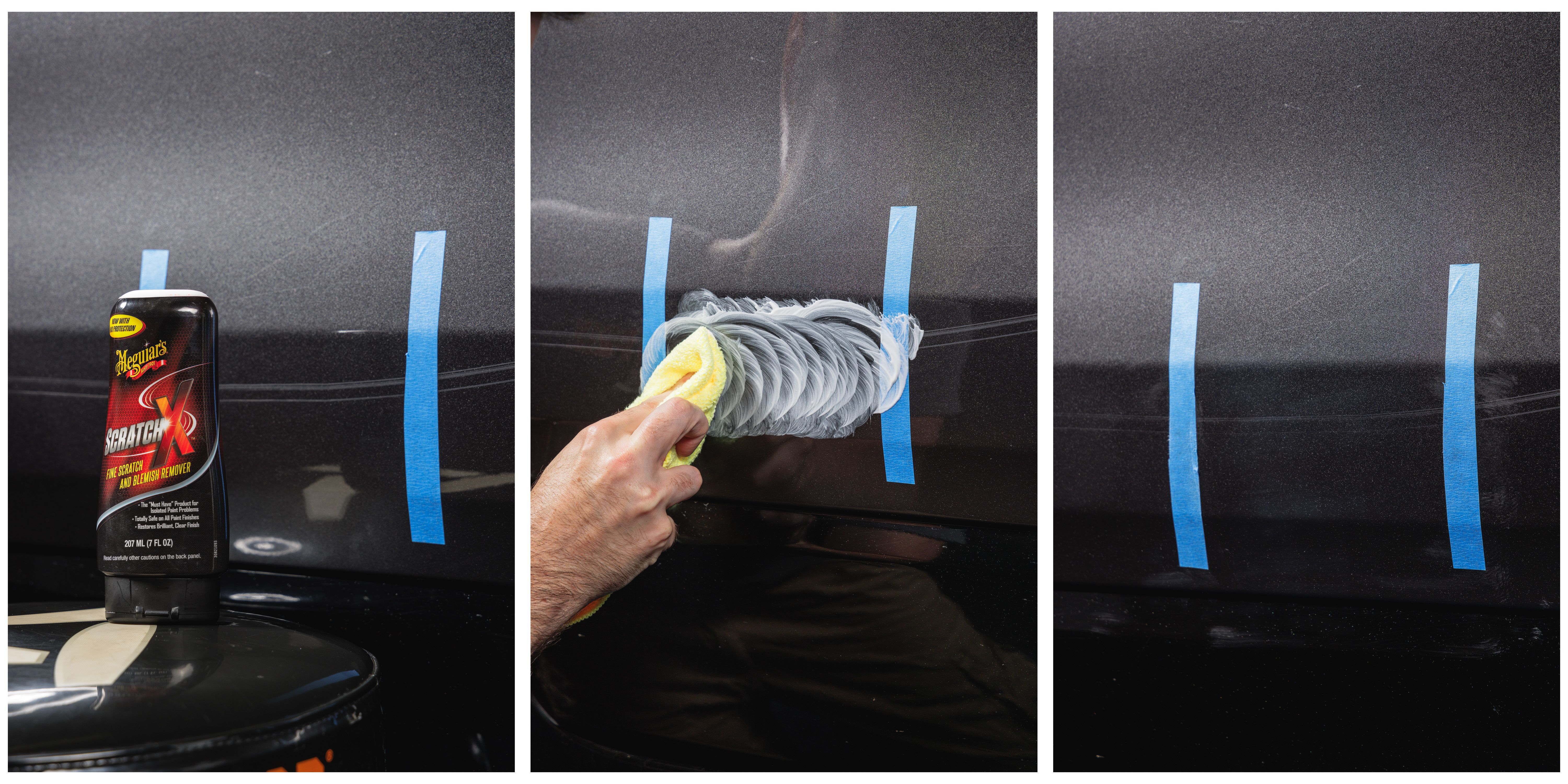
A single deep scratch or a network of “spider-web” swirls can devalue a vehicle by anywhere from 5% to 15% at the point of resale or trade-in. In a market where used car prices remain volatile, the “best” scratch remover is the one that offers the highest Return on Investment (ROI). This article explores the financial landscape of automotive paint restoration, analyzing which products protect your bottom line and how to view car maintenance through the lens of wealth preservation.
1. The Financial Impact of Cosmetic Damage on Vehicle Depreciation
To understand the value of a scratch remover, one must first understand the concept of “diminished value.” In the insurance and automotive appraisal industries, a car’s worth is dictated by its “Fair Market Value.” Even if a vehicle is mechanically perfect, visible paint defects signal to a buyer—whether a private party or a dealership—that the asset has been neglected. This perception leads to aggressive price “chipping” during negotiations.
Understanding the “Visual Tax”
When an appraiser looks at a car, they categorize the exterior condition as Excellent, Good, Fair, or Poor. Moving a car from “Fair” to “Good” by removing surface scratches can result in a valuation swing of $1,000 to $3,000 on a mid-range SUV. The “best” scratch remover, therefore, acts as a financial hedge against this “visual tax.” By investing $30 to $100 in high-quality corrective compounds and an afternoon of labor, a car owner can effectively “earn” thousands of dollars in equity.
The Impact on Lease-End Turn-Ins
For those who lease vehicles, scratch removal is a matter of avoiding “excessive wear and tear” penalties. Leasing companies use “credit card tests” to determine if a scratch is chargeable. If a scratch is longer than a standard credit card, the lessee might face a penalty of $200 to $500 per panel. Utilizing a professional-grade scratch remover before the inspection is a classic “money-saving side hustle” for the savvy consumer, preventing a massive bill from the financing arm of the manufacturer.
2. Cost-Benefit Analysis: Professional Detailing vs. DIY Scratch Removal
In personal finance, the “Buy vs. Build” or “Do vs. Delegate” decision is crucial. When faced with a scratched fender, the owner must choose between a professional paint correction service and a DIY approach. Each has a distinct financial profile.
The Overhead of Professional Services
A professional detailer will charge anywhere from $300 to $800 for a multi-stage paint correction. While the results are often flawless, the “sunk cost” must be weighed against the car’s total value. On a $50,000 luxury sedan, this $800 investment is a justifiable 1.6% expense to maintain the asset. However, on a $10,000 commuter car, that same $800 represents 8% of the asset’s total value—a poor financial allocation.
The ROI of DIY Kits
The “best” scratch remover for a budget-conscious owner is often a high-quality rubbing compound or a complete “all-in-one” (AIO) polish. These products, such as those produced by Meguiar’s, 3M, or Turtle Wax’s professional line, typically cost between $15 and $50. When paired with a $60 dual-action (DA) polisher, the total capital expenditure is roughly $110. Since this equipment can be used multiple times across different vehicles, the cost-per-use drops significantly, maximizing the ROI for the household fleet.
3. Evaluating the Best Scratch Removers Based on ROI and Asset Type

Not all scratch removers are created equal, and from a financial perspective, choosing the wrong one can be a “budget trap.” We categorize the best options based on the financial goal of the owner.
Abrasive Compounds: The “High-Yield” Investment
For deeper scratches that have not yet reached the metal (clear coat scratches), a heavy-cut abrasive compound is the gold standard. These products work by “leveling” the surrounding clear coat to the depth of the scratch. Brands like Koch-Chemie or Sonax offer diminishing abrasives that start aggressive and break down into a fine polish. This is a high-yield investment because it permanently removes the defect, unlike “fillers” which only hide it temporarily.
Fillers and Glazes: The “Quick Liquidation” Strategy
If the goal is to sell the car immediately, a “glaze” or a scratch remover with heavy fillers may be the most cost-effective path. These products do not remove the scratch; they fill it with oils and resins to make it invisible to the naked eye for several weeks. From an ethical standpoint, transparency is key, but from a purely financial “flip” perspective, a $12 bottle of glaze can make a weathered car look showroom-ready for a quick sale, providing a massive short-term boost to the asking price with minimal effort.
Ceramic Coatings: Protecting the Capital Improvement
Once the scratches are removed, the financial focus shifts from “correction” to “preservation.” Applying a ceramic coating (a liquid polymer that chemically bonds with the paint) is the ultimate move in asset protection. While a DIY kit costs $60–$100, it creates a “sacrificial layer” that prevents future scratches. In the world of business finance, this is an “Opex” (operating expense) that reduces future “Capex” (capital expenditure) by preventing the need for future repainting.
4. The “Detrepreneur”: Monetizing Scratch Removal as a Side Hustle
The ability to identify and use the best scratch removers isn’t just a way to save money—it’s a way to make it. In the current gig economy, “mobile paint correction” has emerged as a high-margin side hustle with low barriers to entry.
Low Startup Capital, High Profit Margins
To start a basic scratch removal business, one needs roughly $500 in equipment: a DA polisher, a selection of cutting pads, a high-quality compound (like 3M Perfect-It), and microfiber towels. A single “scratch removal” service for a customer can be priced at $100–$250 per hour. Given that the chemical cost per car is often less than $5, the profit margins are staggering—often exceeding 90% after the initial equipment cost is recouped.
Market Demand and Scalability
The “Money” aspect of scratch removal extends to the used car market. Many “car flippers” make their margins not by mechanical repairs, but by “cosmetic arbitrage.” They buy “Fair” condition cars with faded, scratched paint at a discount, use professional-grade scratch removers to restore the shine, and relist the car in “Excellent” condition for a 20% markup. In this business model, the “best” scratch remover is the one that works the fastest, reducing labor time and increasing the “velocity of money.”
5. Risk Management: Avoiding the “Cost of Error”
In any financial endeavor, risk management is paramount. The biggest risk in DIY scratch removal is “burning through” the clear coat. If a user is too aggressive with an abrasive compound, they may remove too much paint, necessitating a professional respray that can cost $500 to $1,500 per panel.
Choosing “User-Friendly” Tech for Capital Safety
The “best” scratch remover for a non-professional is one with a high “safety margin.” Modern “Long-Throw” DA polishers and “All-in-One” (AIO) chemicals are designed to be almost fool-proof. They generate less heat and are less likely to damage the paint. Choosing a slightly less aggressive, more expensive product is often a smarter financial decision than buying a cheap, high-alkaline industrial compound that carries a high risk of “asset destruction.”
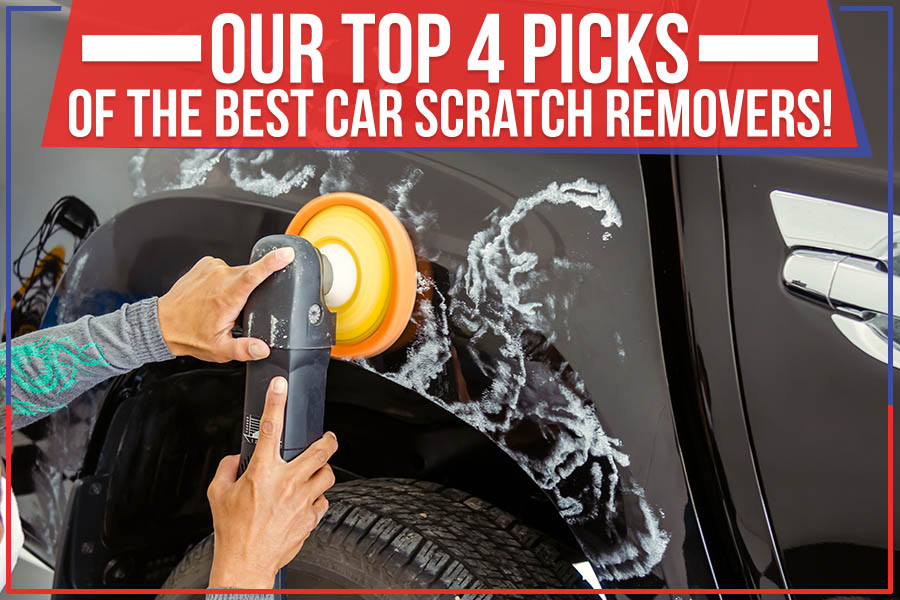
The Final Audit: Selecting Your Solution
When selecting the best scratch remover for your car, perform a quick “financial audit” of the situation:
- For Luxury/High-Value Assets: Stick to professional-grade systems like the Rupes or Menzerna lines. The higher upfront cost is offset by the precision and safety they provide to the high-value finish.
- For Daily Drivers/Commuters: An “All-in-One” product like 3D Speed provides the best balance of scratch removal and wax protection in a single step, minimizing labor time.
- For Resale Preparation: Focus on “filling” glazes and high-gloss polishes that maximize “curb appeal” for the lowest possible cost.
In conclusion, “what is the best scratch remover for a car” is a question of financial strategy. By understanding the mechanics of depreciation and the ROI of various restorative products, you can transform a simple maintenance task into a sophisticated exercise in wealth preservation. Whether you are protecting your own vehicle’s trade-in value or launching a profitable detailing side hustle, the right scratch remover is an essential tool in your financial toolkit.
aViewFromTheCave is a participant in the Amazon Services LLC Associates Program, an affiliate advertising program designed to provide a means for sites to earn advertising fees by advertising and linking to Amazon.com. Amazon, the Amazon logo, AmazonSupply, and the AmazonSupply logo are trademarks of Amazon.com, Inc. or its affiliates. As an Amazon Associate we earn affiliate commissions from qualifying purchases.