
For many considering pet ownership, the allure of reptiles—their unique beauty, intriguing behaviors, and often quiet demeanour—is strong. However, approaching the decision of acquiring a reptile from a purely financial standpoint reveals a complex landscape of initial outlays, recurring expenses, and long-term financial commitments. Defining “best” in this context pivots from subjective appeal to quantifiable fiscal responsibility, aiming to identify options that align with prudent financial planning. This analysis delves into the economic realities of various reptile pets, helping prospective owners make an informed financial decision.
The Initial Investment: Beyond the Purchase Price
The cost of the reptile itself often represents only a fraction of the true initial investment. Successful reptile husbandry requires a carefully constructed environment, and these setup costs can quickly overshadow the price of the animal. Understanding these foundational expenses is crucial for a comprehensive financial evaluation.
Acquisition Costs: Pet vs. Setup
While a young corn snake might be acquired for under $50, a rare morph of a ball python or a mature tegus can command hundreds or even thousands of dollars. However, the initial purchase price is merely the entry fee. The true financial hurdle often lies in the habitat. A small gecko might thrive in a 10-gallon tank, a modest investment, but a large monitor lizard or an adult boa constrictor will require custom-built enclosures spanning several feet, potentially costing hundreds to thousands of dollars for materials, construction, or a pre-fabricated unit.
Species that reach substantial adult sizes, or those with very specific environmental needs, inherently carry higher initial setup costs. Consider the difference between a simple, terrestrial enclosure for a leopard gecko and a complex, arboreal vivarium for a chameleon, which might include specific live plants, misting systems, and intricate climbing structures. The latter’s initial setup cost will invariably be significantly higher, demanding careful budgeting before acquisition.
Enclosure and Environmental Control Systems
The habitat itself is just the beginning. Reptiles are ectothermic, meaning they rely on external heat sources to regulate their body temperature. This necessitates investments in various heating elements such as heat lamps, ceramic heat emitters, under-tank heaters, and associated thermostats to prevent overheating or underheating. A robust thermostat, often overlooked, is a critical safety and energy-efficiency device, ensuring consistent temperatures and preventing costly equipment failures or veterinary emergencies.
Lighting is another significant expenditure. Many diurnal (day-active) reptiles require specialized UVB lighting to synthesize vitamin D3, crucial for calcium absorption and preventing metabolic bone disease. These bulbs have a limited lifespan (typically 6-12 months) and require regular replacement, adding a recurring cost to the initial purchase of fixtures and bulbs. The wattage and number of heating and lighting elements directly impact electricity consumption, a persistent and often underestimated operational expense. Larger enclosures or species requiring higher ambient temperatures will necessitate more powerful and numerous heating elements, leading to higher utility bills over time.
Ongoing Operational Expenses: Sustained Financial Commitment
Once the initial setup is complete, reptile ownership transitions into a phase of consistent, recurring operational expenses. These costs, though individually smaller, accumulate over the lifespan of the pet and are critical to long-term financial planning.
Dietary Considerations and Costs
Reptile diets vary dramatically by species, and these differences directly translate into varying food budgets. Herbivorous reptiles, such as tortoises and some lizards, primarily consume fresh produce. While grocery bills will reflect these additions, careful shopping can mitigate costs. However, ensuring a diverse, nutrient-rich diet can still be a significant expense.
Insectivorous reptiles (e.g., geckos, bearded dragons, chameleons) rely on live insects like crickets, mealworms, roaches, and superworms. The cost of feeder insects can add up quickly, especially for larger or more active species that consume many insects daily. Breeding feeder insects at home can offer some savings, but this requires its own initial investment in breeding colonies and ongoing maintenance.
Carnivorous reptiles, particularly snakes, typically consume frozen-thawed rodents. The size and frequency of feeding directly correlate with cost. A small corn snake might eat a single mouse every week or two, a relatively low expense. However, a large boa constrictor consuming multiple large rats monthly will incur substantial food costs, easily hundreds of dollars annually. Exotic or specialized feeders for certain species can be even more expensive and harder to source reliably.
Veterinary Care and Health Investments
One of the most significant and unpredictable financial aspects of pet ownership is veterinary care. While reptiles are generally hardy when properly cared for, they are susceptible to various illnesses and injuries. Finding a qualified exotics veterinarian is essential, and their specialized services often come at a premium compared to conventional small animal vets.
Routine check-ups, though often neglected by reptile owners, are a wise preventative financial investment, as early detection of issues can prevent more costly advanced treatments. Emergency visits for impaction, respiratory infections, or injuries can quickly escalate into hundreds or thousands of dollars, encompassing diagnostics (X-rays, blood tests), medications, and surgical procedures. Unlike dogs or cats, pet insurance options for reptiles are extremely limited, placing the full financial burden of care directly on the owner. Therefore, establishing an emergency fund specifically for veterinary care is a financially prudent step for any reptile owner.
Substrate, Decor, and Maintenance Supplies
The substrate lining the enclosure also represents an ongoing expense. Materials like cypress mulch, coco fiber, aspen shavings, or specialized sand need regular replacement to maintain hygiene and prevent bacterial or fungal growth. The frequency of replacement and the volume required depend on the reptile’s size, species, and enclosure dimensions, but it is a consistent cost.
Beyond substrate, regular purchases of cleaning supplies (reptile-safe disinfectants), water conditioners, and occasionally replacement decor items (e.g., branches, hides that degrade or become soiled) contribute to the overall maintenance budget. For species requiring high humidity, automated misting systems might be an initial investment, but they also incur costs for distilled water or maintenance.
Long-Term Financial Commitment and Value
Evaluating the “best” reptile pet financially also requires a long-term perspective. Reptiles can be remarkably long-lived, far exceeding the lifespan of many mammalian pets, which translates into sustained financial obligations.
Lifespan and Sustained Expenditure
Many popular reptile pets have impressive lifespans. Leopard geckos can live 15-20 years, corn snakes 20-25 years, and various tortoise species can live for 50-100 years or more. This longevity means a commitment of decades of food, electricity for heating/lighting, substrate, and potential veterinary care. A reptile that seems inexpensive initially could become one of the most significant long-term financial commitments due to its extended lifespan.
When considering a “best” reptile from a financial standpoint, a species with a shorter, more predictable lifespan (e.g., certain smaller chameleon species that live 3-5 years) might be viewed as less of a long-term financial burden than a giant tortoise requiring generations of care. The compounded cost of annual expenses over decades must be factored into the decision-making process.
Opportunity Costs and Alternative Investments
Beyond the direct costs, there’s the concept of opportunity cost. The money spent on acquiring and maintaining a reptile could otherwise be invested, saved, or used for other purposes. While the emotional and educational returns of pet ownership are invaluable, from a purely financial lens, this is capital that is tied up and generating expenses rather than appreciating. For individuals with limited discretionary income, choosing a reptile with higher financial demands might mean sacrificing other financial goals or opportunities.
Moreover, the financial “value” of a reptile cannot be easily monetized. Unlike some livestock or breeding animals, most pet reptiles do not offer a financial return. They are a pure expenditure for enjoyment and companionship. Therefore, the “best” financial choice is one that provides the maximum personal satisfaction and enrichment for the lowest, most predictable, and sustainable financial outlay.
“Best” Defined: Maximizing Value for Your Reptile Dollar
Ultimately, the “best” reptile pet from a financial standpoint is one that offers the lowest initial investment, predictable and manageable ongoing expenses, and a lifespan that aligns with the owner’s financial planning horizon, all while providing the desired level of engagement and satisfaction.
Low-Cost Entry, Predictable Expenses
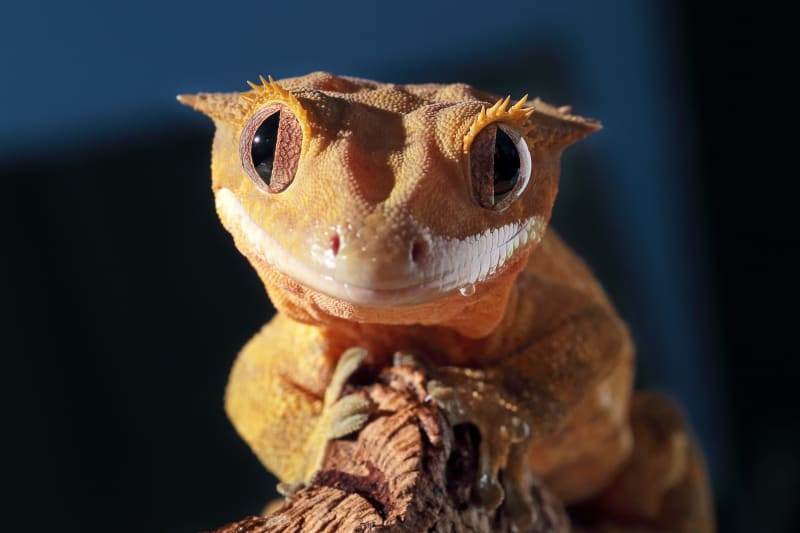
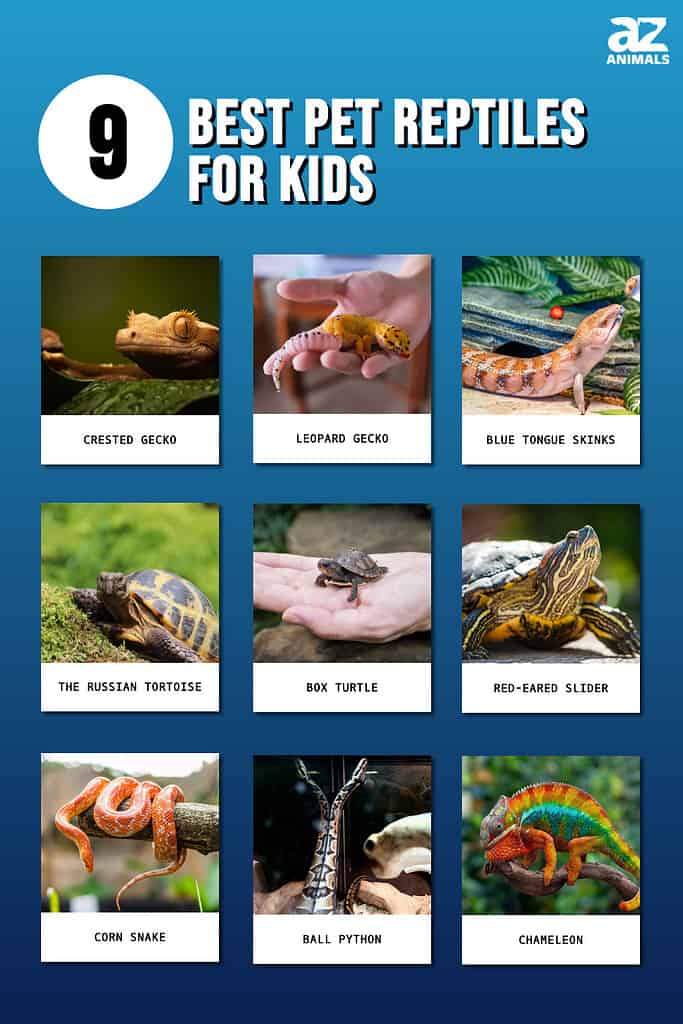
Species that thrive in smaller, simpler enclosures with readily available and cost-effective diets tend to be the most financially prudent choices. Examples often include smaller, common species like leopard geckos, crested geckos, or corn snakes. Their initial purchase price is low, their enclosures are relatively inexpensive to set up and power, and their food sources are common and affordable. Their care requirements are well-documented, leading to fewer unexpected veterinary emergencies for new owners who follow best practices.
High-Value, Low-Maintenance Options
“Value” in this context refers to the enjoyment and unique experience provided relative to the financial investment. Some species, while perhaps having a slightly higher initial setup than the absolute cheapest options, may offer a significantly lower ongoing maintenance burden or higher resilience, thus preventing costly surprises. For instance, a ball python, while requiring a larger enclosure than a gecko, is generally a docile snake with simple heating and feeding requirements, leading to predictable long-term costs. In contrast, a chameleon, despite its smaller size, often has more complex humidity and dietary needs that translate into higher recurring costs and potential for costly health issues if not meticulously maintained.
In conclusion, selecting the “best” reptile pet requires a disciplined financial audit. Prospective owners must honestly assess their budget for initial setup, recurring food and utility costs, and crucially, an emergency fund for veterinary care. Prioritizing species with modest habitat requirements, predictable diets, and proven hardiness can lead to a financially sustainable and rewarding pet ownership experience, ensuring that the joy of a unique companion isn’t overshadowed by unforeseen financial strain.
aViewFromTheCave is a participant in the Amazon Services LLC Associates Program, an affiliate advertising program designed to provide a means for sites to earn advertising fees by advertising and linking to Amazon.com. Amazon, the Amazon logo, AmazonSupply, and the AmazonSupply logo are trademarks of Amazon.com, Inc. or its affiliates. As an Amazon Associate we earn affiliate commissions from qualifying purchases.