
In the dynamic world of personal finance, few questions hold as much immediate weight and long-term consequence as “What is the best mortgage rate right now?” For prospective homebuyers and those looking to refinance, a seemingly small difference in interest rates can translate into tens of thousands of dollars saved or spent over the life of a loan. Yet, the answer is rarely straightforward, as the “best” rate is not a static number but a moving target, influenced by a complex interplay of global economics, individual financial profiles, and the specific terms of various loan products. This article delves into the current mortgage landscape, offering insights into how rates are determined, what types of loans are available, and the strategies you can employ to secure the most favorable terms for your financial situation.
Navigating the Ever-Changing Mortgage Market Landscape
Understanding what constitutes a “good” or “best” mortgage rate requires an appreciation of the forces that shape these figures daily. The mortgage market is a living entity, constantly reacting to economic news, central bank policies, and investor sentiment.
Key Economic Indicators Influencing Rates
Mortgage rates do not exist in a vacuum; they are intrinsically linked to broader economic trends and policies. The most significant factors include:
- Federal Reserve Policy: While the Federal Reserve does not directly set mortgage rates, its actions, particularly regarding the federal funds rate and quantitative easing/tightening, profoundly influence the broader interest rate environment. When the Fed raises its benchmark rate to combat inflation, it typically leads to higher borrowing costs across the board, including mortgages. Conversely, a dovish stance can push rates down.
- Inflation: High inflation erodes the purchasing power of money over time. Lenders, to ensure the real value of their returns, demand higher interest rates during inflationary periods. This is often the most direct driver of rising mortgage rates.
- Economic Growth and Employment: A robust economy with strong job growth often signals to the Fed that it can afford to be more aggressive in raising rates without stifling growth. Conversely, signs of an economic slowdown can lead to lower rates as the Fed seeks to stimulate activity.
- The Bond Market (Specifically the 10-Year Treasury Yield): Mortgage rates tend to track the yield on the 10-year U.S. Treasury note. When bond yields rise, mortgage rates typically follow suit, as mortgage-backed securities (MBS), which form the basis of most home loans, must offer competitive yields to attract investors.
- Global Events: Geopolitical tensions, international economic crises, or even significant supply chain disruptions can create uncertainty, prompting investors to seek safe-haven assets like U.S. Treasury bonds. This increased demand can temporarily lower bond yields and, consequently, mortgage rates, though prolonged instability often has the opposite effect.
The Dynamic Nature of “Right Now”
The phrase “right now” in the context of mortgage rates is critically important. Unlike a fixed price tag, mortgage rates are fluid, changing not just daily but sometimes hourly. A rate quoted in the morning might be different by the afternoon. This volatility necessitates constant vigilance for prospective borrowers. Monitoring financial news outlets, subscribing to rate alerts from lenders, and regularly checking lender websites are essential steps to capture favorable shifts. Waiting even a day can mean missing out on a lower rate or facing a higher one, underscoring the need for readiness and quick action once a suitable rate appears.
Deciphering Mortgage Loan Types and Their Rate Implications
The “best” mortgage rate is also intrinsically tied to the type of loan you choose. Different loan products come with varying rate structures, eligibility criteria, and risk profiles, each suited to different financial situations and goals.
Fixed-Rate Mortgages: Predictability Amidst Volatility
The fixed-rate mortgage is the most common and often preferred choice for its stability. With a fixed-rate loan, your interest rate remains constant for the entire life of the loan, regardless of market fluctuations.
- Explanation: The interest rate and monthly principal and interest payment are locked in from day one until the loan is paid off.
- Pros: Offers unparalleled budget predictability, protecting borrowers from potential future rate hikes. This stability is particularly appealing during periods of rising interest rates or for those who plan to stay in their homes for the long term.
- Cons: Typically start with slightly higher interest rates than initial adjustable-rate mortgages. Borrowers also miss out on the opportunity to benefit if market rates fall significantly (unless they refinance).
- Common Terms: The 30-year fixed-rate mortgage is the most popular, offering lower monthly payments. The 15-year fixed-rate mortgage, while having higher monthly payments, comes with a lower overall interest rate and allows for much faster loan payoff, resulting in substantial interest savings over time.
Adjustable-Rate Mortgages (ARMs): Balancing Risk and Reward
ARMs offer an alternative for borrowers who are comfortable with some level of risk in exchange for potentially lower initial payments.
- Explanation: An ARM features an interest rate that is fixed for an initial period (e.g., 3, 5, 7, or 10 years), after which it adjusts periodically (usually annually) based on a specified index plus a margin. A “5/1 ARM,” for instance, has a fixed rate for five years, then adjusts annually.
- Pros: Typically offer lower initial interest rates compared to fixed-rate mortgages, making homeownership more accessible in the short term. Borrowers can also benefit if market rates fall after the initial fixed period.
- Cons: The primary risk is rate uncertainty. If rates rise after the initial fixed period, your monthly payments could increase significantly, potentially straining your budget. ARMs usually have caps on how much the rate can adjust per period and over the life of the loan, but payments can still become substantially higher.
- Best For: Individuals who plan to sell or refinance their home before the fixed period ends, or those who anticipate a significant increase in their income that will comfortably cover potential payment hikes.
Government-Backed Loans: FHA, VA, and USDA
These loan programs, insured or guaranteed by federal agencies, are designed to make homeownership more accessible to specific demographics or in certain areas. They often come with competitive rates and more flexible qualification criteria.
- FHA Loans: Insured by the Federal Housing Administration, these loans are popular for first-time homebuyers or those with lower credit scores. They require a smaller down payment (as low as 3.5%) but typically include mortgage insurance premiums (MIP) for the life of the loan.
- VA Loans: Guaranteed by the U.S. Department of Veterans Affairs, these loans are exclusively for eligible veterans, active-duty service members, and surviving spouses. They offer significant benefits, including no down payment requirement, no private mortgage insurance (PMI), and competitive interest rates.
- USDA Loans: Backed by the U.S. Department of Agriculture, these loans are for low-to-moderate-income individuals purchasing homes in eligible rural areas. They also typically require no down payment and can offer favorable terms.
While these government-backed options can provide an excellent “best rate” for qualifying borrowers, it’s crucial to understand their specific requirements and potential additional costs (like FHA’s MIP or VA’s funding fee).
Strategies for Securing Your Optimal Mortgage Rate
Finding the “best” mortgage rate isn’t just about market timing; it’s also about presenting yourself as an attractive borrower to lenders. Several proactive steps can significantly improve your chances of securing a lower rate.
Elevating Your Credit Score
Your credit score is perhaps the single most influential factor in determining the interest rate you’ll be offered. Lenders use it as a primary indicator of your creditworthiness and risk.
- Why It Matters: A higher credit score (typically FICO scores of 740+) signals to lenders that you are a responsible borrower with a low likelihood of default, qualifying you for the most competitive rates. Lower scores, conversely, indicate higher risk, leading to higher rates or even loan denial.
- Tips for Improvement: Pay all bills on time, keep credit card balances low (below 30% utilization), avoid opening new credit accounts unnecessarily, and regularly review your credit report for errors. Give yourself several months to a year to improve your score before applying for a mortgage.
The Power of the Down Payment
The amount of money you put down on a home purchase directly impacts your loan-to-value (LTV) ratio, which in turn affects your rate.
- Larger Down Payment = Lower Risk: A substantial down payment (e.g., 20% or more) means you’re borrowing less relative to the home’s value. This reduces the lender’s risk, often translating into a lower interest rate.
- Avoiding PMI: A down payment of 20% or more on a conventional loan also allows you to avoid Private Mortgage Insurance (PMI), an additional monthly cost that protects the lender, not you. While not directly an interest rate, PMI significantly increases your overall housing expense.
Shopping Around and Comparing Lenders
One of the most effective ways to find the best rate is to actively shop around and compare offers from multiple lenders.
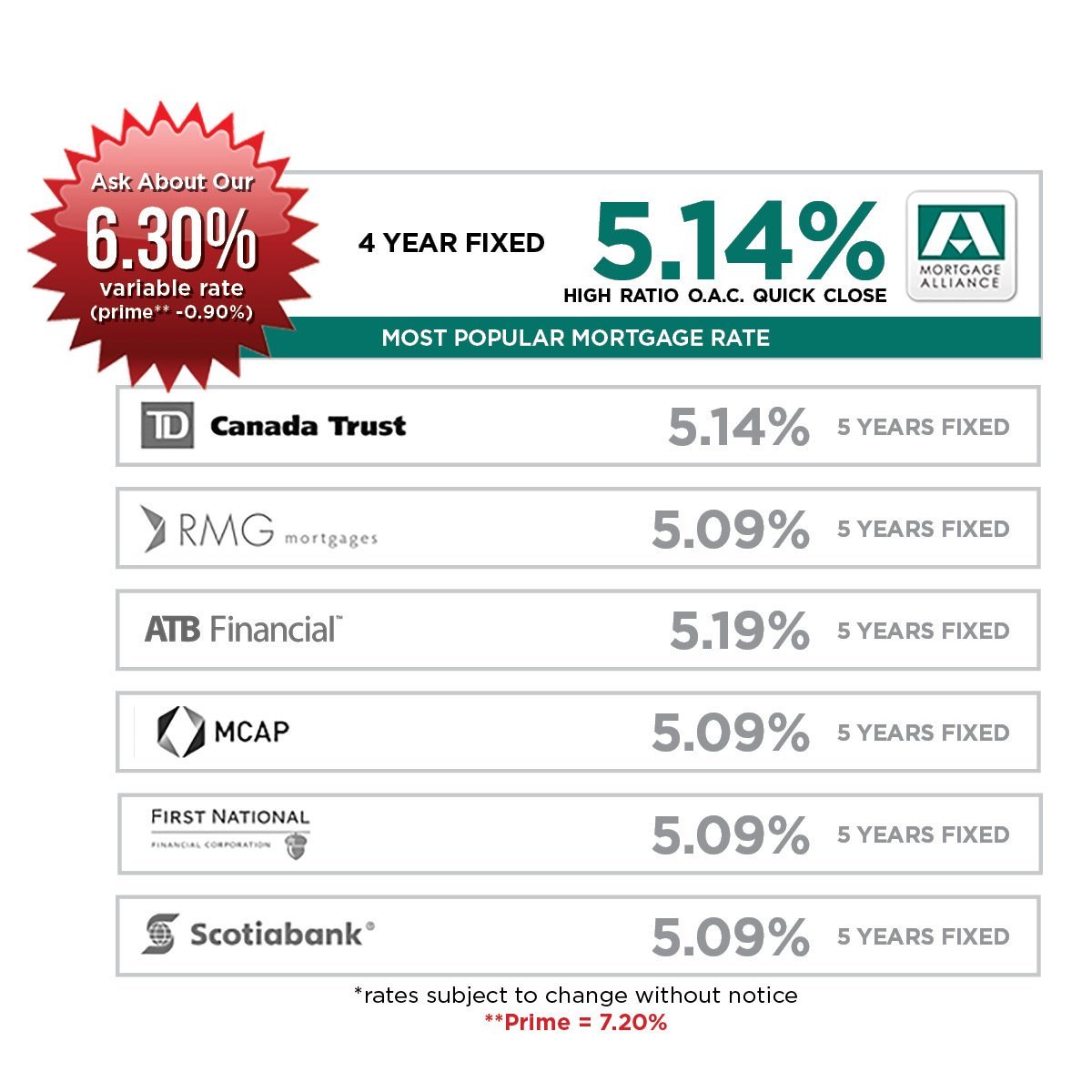
- Get Multiple Quotes: Don’t settle for the first offer. Obtain pre-approval letters from at least three to five different types of lenders – traditional banks, credit unions, online lenders, and mortgage brokers. Each may have different overheads, loan products, and risk assessment models, leading to varying rates and fees.
- Understand Credit Inquiries: Be aware that multiple mortgage rate inquiries within a short period (typically 14-45 days, depending on the scoring model) are usually treated as a single inquiry by credit bureaus, minimizing the impact on your credit score.
- Compare APR, Not Just Interest Rate: While the interest rate is crucial, the Annual Percentage Rate (APR) provides a more comprehensive picture of the loan’s true cost, as it includes the interest rate plus certain upfront fees and closing costs. Comparing APRs offers a more accurate apples-to-apples comparison between loan offers.
Understanding Discount Points and Closing Costs
Beyond the rate itself, the overall cost of the mortgage involves various fees.
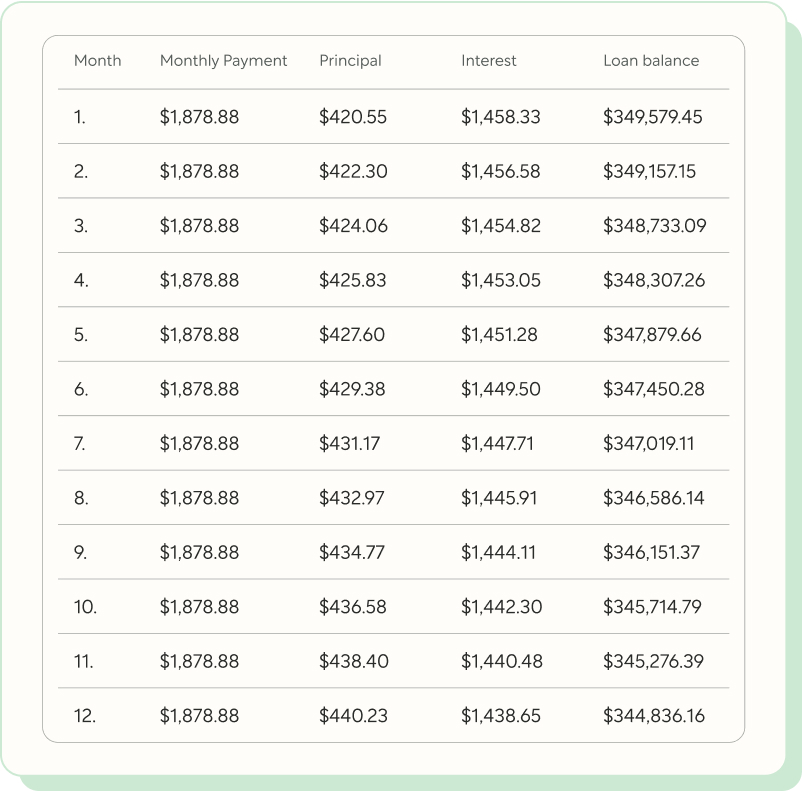
- Discount Points: These are upfront fees paid to the lender at closing in exchange for a lower interest rate over the life of the loan. One point typically costs 1% of the loan amount. You need to calculate the “break-even point” to determine if paying points makes financial sense – how long will it take for the monthly savings from the lower rate to offset the upfront cost?
- Other Closing Costs: These include origination fees, appraisal fees, title insurance, attorney fees, recording fees, and property taxes, which can collectively add up to 2-5% of the loan amount. Understanding all these costs is crucial for a complete picture of your mortgage expense.
The Mortgage Application Journey and Beyond the Rate
Securing a mortgage involves more than just finding a good rate; it’s a comprehensive process that requires preparation and attention to detail.
What Lenders Look For: The 4 Cs
Lenders evaluate your eligibility based on what are often called the “4 Cs”:
- Credit: Your credit score and history, as discussed, demonstrate your reliability.
- Capacity: Your ability to repay the loan, primarily assessed through your debt-to-income (DTI) ratio (total monthly debt payments divided by gross monthly income). Lenders prefer lower DTI ratios, often below 43%.
- Collateral: The home itself serves as collateral for the loan. Lenders assess its value through an appraisal to ensure it’s worth the amount you’re borrowing.
- Capital: Your financial reserves, including your down payment and any liquid assets you have after closing, indicate your financial stability.
Essential Documentation and Underwriting
Once you’ve found a rate and lender, you’ll need to provide extensive documentation:
- Proof of Income: Pay stubs, W-2s, tax returns (typically two years), and proof of other income.
- Proof of Assets: Bank statements, investment account statements to verify your down payment and reserves.
- Employment History: Letters from employers or contact information for verification.
- Identification: Government-issued ID.
The underwriting process then begins, where the lender meticulously verifies all the information you’ve provided, assesses the risk, and ensures the loan meets their guidelines. This stage can take several weeks and may involve requests for additional documentation.
Closing the Deal: Finalizing Your Loan
The closing is the final step where ownership of the home is transferred and the mortgage loan is finalized.
- Review the Closing Disclosure: At least three business days before closing, you’ll receive a Closing Disclosure (CD), a critical document outlining all the final loan terms, fees, and costs. Review it carefully and compare it to your Loan Estimate to ensure there are no unexpected changes.
- Final Walk-Through: Typically done a day before closing, this is your last chance to inspect the property and ensure everything is as agreed upon.
- Signing Documents: At closing, you’ll sign numerous legal documents, including the promissory note (your promise to repay the loan) and the mortgage or deed of trust (the lien on the property). Be prepared to bring a certified check or wire transfer for your down payment and closing costs.
Beyond the Rate: Considering the APR and Long-Term Costs
While chasing the lowest interest rate is a primary goal, a truly insightful financial decision goes beyond that single number.
- The Annual Percentage Rate (APR): This is a more comprehensive measure of the cost of borrowing, as it includes not only the interest rate but also certain upfront fees and charges (like points and origination fees) expressed as an annualized rate. Always compare APRs when evaluating different loan offers, as it provides a truer cost comparison.
- Total Cost of Ownership: Consider the full financial impact over the life of the loan. A slightly higher rate with lower closing costs might be better for someone planning to move in a few years, while a lower rate achieved by paying points could be more beneficial for long-term homeowners.
- Future Refinancing Potential: Keep an eye on market trends even after you’ve secured your mortgage. If rates drop significantly in the future, refinancing could be an option to lower your payments or shorten your loan term.
In conclusion, “the best mortgage rate right now” is a highly personalized and fleeting concept. It demands continuous market awareness, diligent preparation of your personal finances, a thorough understanding of different loan products, and proactive engagement with multiple lenders. By taking a strategic approach, focusing not just on the rate but on the holistic cost and fit for your financial goals, you can navigate the complexities of the mortgage market and secure the most advantageous terms for your homeownership journey. Start your research, get pre-approved, and be ready to act when the market aligns with your financial aspirations.
aViewFromTheCave is a participant in the Amazon Services LLC Associates Program, an affiliate advertising program designed to provide a means for sites to earn advertising fees by advertising and linking to Amazon.com. Amazon, the Amazon logo, AmazonSupply, and the AmazonSupply logo are trademarks of Amazon.com, Inc. or its affiliates. As an Amazon Associate we earn affiliate commissions from qualifying purchases.