
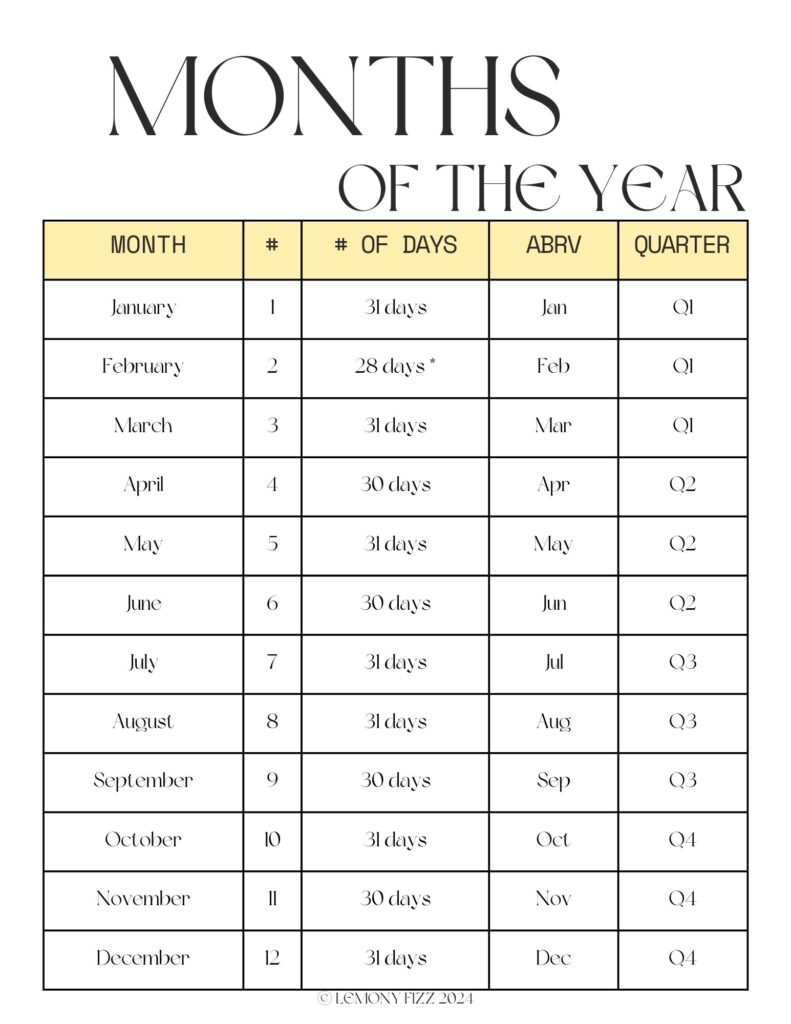
In the world of finance, time is more than just a chronological progression; it is a variable that dictates market volatility, tax obligations, and investment returns. When we ask, “What is the best month of the year?” the answer depends entirely on the financial lens through which you are looking. For an equity investor, the best month might be defined by historical market surges. For a small business owner, it may be the month with the highest consumer spending. For a tax strategist, it is the month that allows for the most impactful deductions.

Understanding the seasonality of money allows individuals and corporations to move from a reactive state to a proactive one. By identifying the unique opportunities presented by each fiscal quarter, you can optimize your portfolio, minimize your tax liability, and maximize your net worth. This analysis breaks down the calendar year to identify the true “best” month based on historical data and strategic financial planning.
The January Effect and the Power of the Fiscal Reset
January is frequently cited by economists and personal finance experts as the most important month of the year. This is not merely due to the psychological “fresh start” that comes with a new calendar, but because of a documented phenomenon known as the “January Effect.”
Understanding the January Effect
The January Effect is a seasonal increase in stock prices during the first month of the year. Historically, small-cap stocks tend to outperform the broader market in January. This trend is often attributed to investors selling off underperforming assets in December to claim capital losses for tax purposes—a process known as tax-loss harvesting. Once the new year begins, these investors jump back into the market, driving prices higher. For the savvy investor, January represents a period of renewed liquidity and market optimism.
The Psychology of the Budgetary Clean Slate
Beyond the stock market, January is the gold standard for personal finance management. It is the month of the “Annual Financial Review.” During these thirty-one days, individuals have the highest level of motivation to audit their spending, set new savings targets, and renegotiate recurring contracts. From a behavioral finance perspective, the “fresh start effect” makes January the best month for implementing restrictive budgets or initiating high-frequency automated investment plans. If wealth is built on consistency, then January is the foundation upon which that consistency is established.
The Strategic Importance of April: Wealth Optimization and Tax Efficiency
While many dread the arrival of April due to tax deadlines, from a wealth management perspective, it is arguably the most critical month for long-term financial health. April is the month where the past year’s performance is codified and the current year’s strategy is refined.
Maximizing Retirement Contributions
In the United States and several other jurisdictions, April represents the final opportunity to contribute to tax-advantaged accounts for the previous year. The ability to make a “prior-year contribution” to an Individual Retirement Account (IRA) or a Health Savings Account (HSA) up until the filing deadline provides a unique window for wealth optimization. This allows individuals to see their total tax liability first and then use contributions to strategically lower their taxable income, effectively “buying back” money from the government to fuel their own retirement.
The Dividend Reinvestment Window
For income-focused investors, April is often a heavy month for dividend payouts, particularly from companies that operate on a standard fiscal year. When these dividends are funneled back into the market through a Dividend Reinvestment Plan (DRIP), the power of compounding is accelerated. Using the liquidity of tax refunds—which often arrive in April—to bolster these positions can create a significant “wealth snowball” effect that pays off for decades.
Debunking “Sell in May and Go Away”
The old adage “Sell in May and go away” suggests that the period from May to October is characterized by stagnant market growth, and that investors should retreat to cash. However, modern financial analysis suggests that for the disciplined investor, May is actually an excellent month for strategic positioning.
The Mid-Year Portfolio Rebalance
May serves as the perfect midpoint for a portfolio health check. After the volatility of the first quarter and the clarity of tax season, May allows investors to rebalance their asset allocation. If tech stocks have surged and now represent an outsized portion of a portfolio, May is the time to trim those gains and rotate into undervalued sectors like energy or consumer staples. This disciplined rebalancing is what separates professional wealth managers from emotional retail investors.
Capitalizing on Lower Volatility
While trading volume often decreases in the late spring and summer, this lower volatility can be a boon for those looking to enter new positions without the “noise” of high-frequency trading spikes. For those focused on “Money” as a long-term tool rather than a short-term gamble, the relative quiet of May and June offers a clear-headed environment for fundamental analysis and long-term entry points.
The September Slump: A Buyer’s Paradise
If we define the “best” month as the one that offers the highest potential for future gains, September is the undisputed winner. Historically, September has been the most challenging month for the stock market, often showing negative average returns. While this sounds discouraging, for the sophisticated investor, September is “sale season.”
Buying the Dip
In finance, the most wealth is made by buying assets when they are out of favor. The “September Slump” provides a recurring opportunity to acquire high-quality equities at a discount. Institutional investors often use this month to liquidate positions to prepare for year-end reporting, which can drive prices down regardless of a company’s actual performance. By maintaining a “dry powder” cash reserve specifically for the September volatility, investors can significantly lower their cost basis on core holdings.
Business Finance and Q4 Preparation
For entrepreneurs and business owners, September is the best month for strategic procurement. As vendors look to hit their third-quarter targets, they are often more willing to negotiate on software licenses, bulk inventory, or professional services. It is the calm before the storm of the fourth-quarter holiday rush, making it the ideal time to optimize the balance sheet before the high-expense months of November and December.
The Fourth Quarter Surge: November and December
As the year draws to a close, the focus shifts from accumulation to preservation and strategic distribution. November and December are the best months for “Financial Engineering”—the art of using existing rules to maximize net worth.
The Santa Claus Rally
The “Santa Claus Rally” refers to the tendency for the stock market to rise during the last week of December and the first two trading days of January. This surge is fueled by holiday optimism, institutional window dressing, and decreased selling pressure. For those who stayed invested through the September slump, the end of the year often provides the highest portfolio valuations of the calendar cycle.
Year-End Tax Planning and Philanthropy
December is the final theater for tax strategy. This is the month for “harvesting” capital gains or losses to offset each other. It is also the peak season for charitable giving. For high-net-worth individuals, December is the best month to utilize Donor-Advised Funds (DAFs) or direct gifts to non-profits, which serve the dual purpose of supporting a cause and providing a substantial deduction against the year’s taxable income.
The Bonus Cycle and Side Hustle Peaks
For many professionals, December is the month of the annual bonus. How this “found money” is handled often dictates the financial trajectory of the following year. Furthermore, for those involved in e-commerce or retail side hustles, the Q4 holiday spend makes November and December the most profitable months of the year. The influx of cash during this period provides the necessary capital to fund the next year’s investments.
Conclusion: Which Month Wins?
In the final analysis, the “best” month of the year is a subjective choice based on your financial goals.
If your goal is growth and entry, September is the best month to buy into the market at a discount.
If your goal is strategic planning and discipline, January is the best month to reset your trajectory.
If your goal is tax optimization and wealth preservation, April and December are the heavy hitters.
However, the most insightful takeaway from financial seasonality is that the best month is the one in which you are most active in your strategy. Wealth is not built by waiting for the perfect calendar date; it is built by understanding the unique characteristics of each month and leveraging them to your advantage. Whether it is the January Effect or the December Rally, every month offers a specific tool for those who know how to use it. The calendar is not just a measurement of time—it is a roadmap for financial success.
aViewFromTheCave is a participant in the Amazon Services LLC Associates Program, an affiliate advertising program designed to provide a means for sites to earn advertising fees by advertising and linking to Amazon.com. Amazon, the Amazon logo, AmazonSupply, and the AmazonSupply logo are trademarks of Amazon.com, Inc. or its affiliates. As an Amazon Associate we earn affiliate commissions from qualifying purchases.