
In the hyper-competitive landscape of Fast-Moving Consumer Goods (FMCG), few companies have mastered the art of “flavor as a brand” as effectively as Monster Energy. While a casual consumer might approach the question of “what is the best Monster flavor” through the lens of personal palate, a brand strategist views it as a masterclass in market segmentation, product lifecycle management, and visual identity.
The “best” flavor is not merely the one that tastes the most pleasant; it is the one that successfully captures a specific demographic, secures prime shelf space, and reinforces the core brand promise of “unleashing the beast.” To understand the success of Monster Energy, we must analyze how the company uses its vast flavor portfolio to dominate the global energy drink market.

The Architecture of Variety: Why Monster Prioritizes Flavor Innovation
At its core, Monster Energy’s strategy is built on the principle of “SKU Proliferation.” By constantly introducing new flavors, the brand ensures it occupies more physical space on convenience store shelves and more mental space in the consumer’s mind. The question of which flavor is best is, therefore, a moving target designed to keep the brand relevant.
The Role of Product Life Cycles in Brand Vitality
Monster understands that consumer fatigue is the enemy of brand loyalty. In the beverage industry, the “Original” flavor often serves as the anchor, but growth is driven by novelty. By launching seasonal “Juice” lines or limited-edition “Rehab” iterations, Monster creates a sense of urgency. This “rotation strategy” allows the brand to test market preferences without over-committing to a permanent production line, ensuring that only the most “viral” flavors survive.
Flavor as a Tool for Market Penetration
The best flavor is often the one that acts as an entry point for non-consumers. For years, energy drinks were associated with a medicinal, overly sweet profile that alienated certain demographics. Monster’s diversification into tea-based “Rehab” flavors and coffee-based “Java” lines allowed the brand to penetrate the morning beverage market and the health-conscious demographic, effectively stealing market share from traditional soda and coffee giants.
Engineering the “Halo Effect”
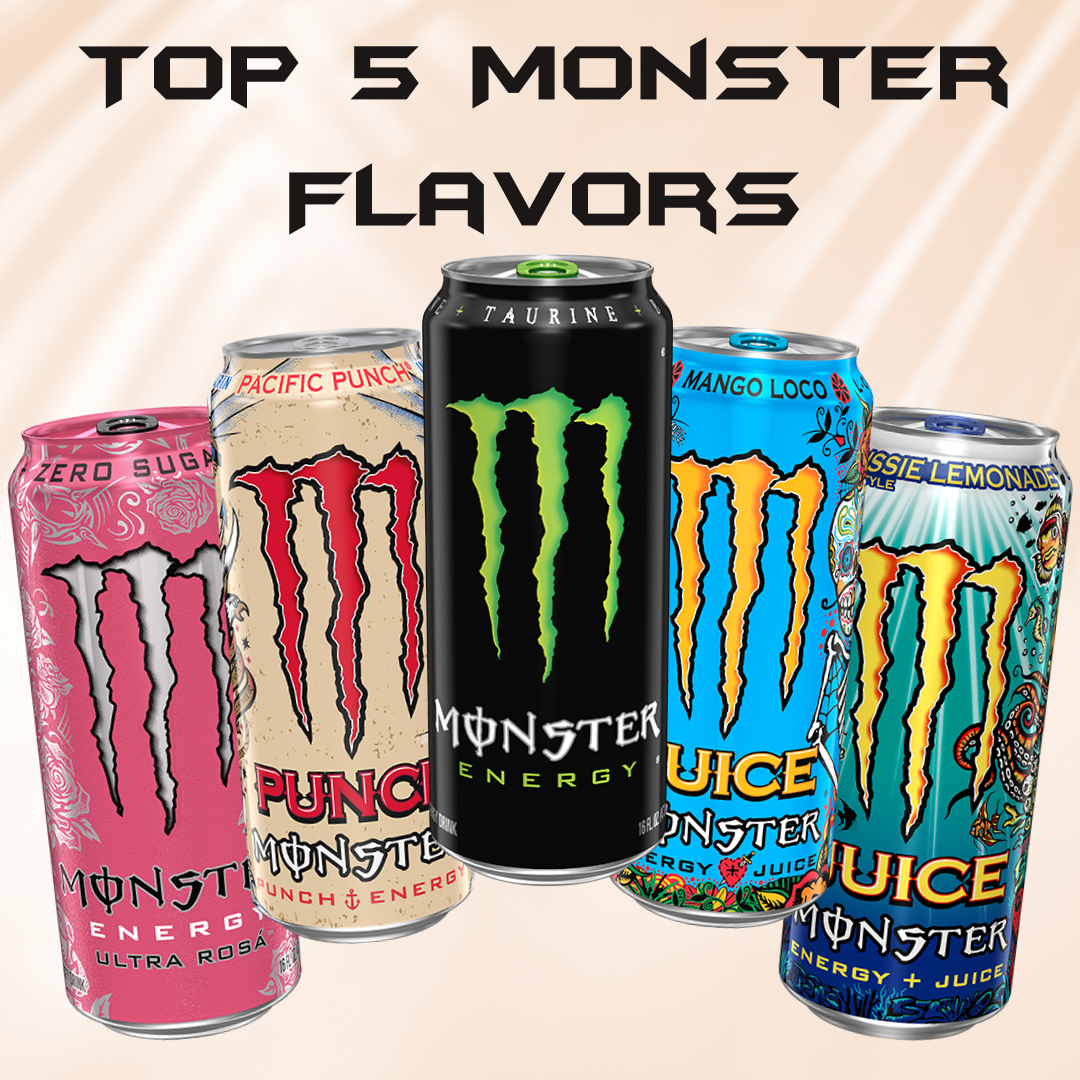
Successful flavors like “Pipeline Punch” or “Mango Loco” do more than just generate individual sales; they create a “Halo Effect” for the entire brand. When a new flavor receives critical acclaim or goes viral on social media, it reinforces the perception of Monster as an innovative, lifestyle-centric brand rather than just a caffeine provider. This keeps the brand “cool” in the eyes of its primary demographic: Gen Z and Millennials.
Case Study: The “Ultra” Line and the Power of Visual Identity
When discussing the best Monster flavor from a branding perspective, the “Ultra” line (the zero-sugar, zero-calorie range) stands as a monumental success. It represents a pivot in brand strategy that allowed Monster to move beyond the “extreme sports” niche and into the mainstream wellness and productivity sectors.
The “White Can” Phenomenon: Minimalist Branding
“Monster Ultra White” (officially Ultra Sunrise or simply Ultra) is often cited as the best flavor in the lineup. From a branding standpoint, its success is largely due to its aesthetic. The textured, matte-finish white can signaled a departure from the aggressive neon-green-on-black motif of the original. This visual shift appealed to a more sophisticated or health-conscious consumer who wanted the functional benefits of an energy drink without the “sugar-crash” stigma.
Psychographics and the Zero-Sugar Shift
The “best” flavor in the Ultra line is strategically formulated to be lighter and more refreshing. By moving away from the heavy, syrupy consistency of traditional energy drinks, Monster tapped into a psychographic segment that prioritizes cognitive performance over raw physical stimulation. This sub-brand has become so successful that it often outperforms the flagship product in specific urban markets, proving that flavor and formulation are key drivers of brand equity.
Visual Cohesion Across the Portfolio
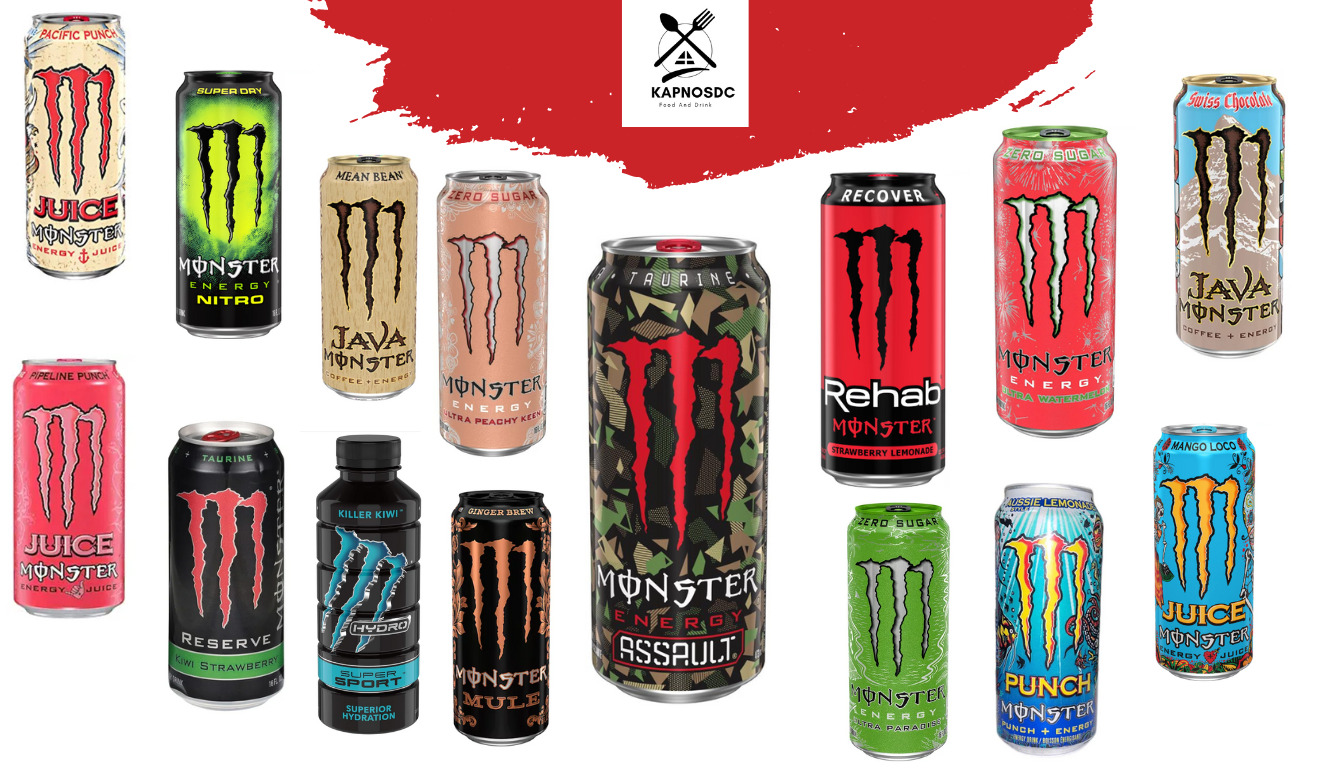
Monster utilizes a color-coded system that makes its flavor profiles instantly recognizable. Whether it is the soft pink of “Ultra Peachy Keen” or the vibrant orange of “Ultra Sunrise,” the brand uses color psychology to communicate flavor expectations before the can is even opened. This reduces “choice paralysis” at the point of sale, making it easier for a consumer to identify their “best” flavor based on visual cues alone.
Consumer Psychology: How Sensory Branding Drives Loyalty
The “best” flavor is a subjective experience, but Monster uses sensory branding to make that experience feel personal. Sensory branding is the process of winning over a consumer’s trust by appealing to their senses. In the case of Monster, this involves a combination of taste, “mouthfeel,” and the “crack” of the can.
The “Ritual” of the First Sip
For many loyalists, the best flavor is the one associated with a specific ritual—whether it’s the pre-workout boost or the late-night gaming session. Monster has meticulously engineered the carbonation levels and aromatic profiles of its drinks to ensure they provide an immediate sensory hit. This creates a dopamine loop where the flavor becomes a psychological trigger for focus or excitement.
Lifestyle Branding Through Flavor Naming
Monster does not just name a drink “Grape” or “Fruit Punch.” They use names like “Khaotic,” “Pacific Punch,” and “Assault.” These names are deliberate brand extensions. A consumer isn’t just buying a flavor; they are buying into an identity. The “best” flavor for a surfer might be “Pipeline Punch,” because the name, the artwork on the can, and the tropical flavor profile align with their self-image. This is a classic example of how branding transforms a commodity (liquid) into a lifestyle accessory.
Community Feedback and the “Fan-Led” Portfolio
Monster frequently engages with its community to determine which flavors should be brought back or discontinued. By listening to social media discourse, the brand makes the consumer feel like a stakeholder in the product development process. When a “vault” flavor is re-released due to popular demand, it reinforces brand loyalty and creates a “collectible” mentality among fans, who will hunt for specific cans as if they were limited-edition sneakers.
Market Positioning: Segmenting the Energy Drink Landscape
To determine the best flavor, one must look at how Monster segments its audience. The brand does not attempt to create a “one-size-fits-all” product. Instead, it creates a “flavor for every occasion,” ensuring that they own a piece of every possible consumption moment throughout the day.
The “Juice” Category: Disrupting the Morning Market
The “Juiced” and “Punch” lines represent a strategic move to capture the “breakfast” and “brunch” windows. Flavors like “Mango Loco” or “Papillon” offer a juice-heavy profile that feels more natural and less like a chemical energy boost. By positioning these as “best for the morning,” Monster successfully expanded the usage occasions of their products, increasing the “share of throat” in a crowded beverage market.
The “Rehab” Series: Functional Branding for Recovery
The “Rehab” line—featuring tea, lemonade, and electrolyte-heavy profiles—is positioned for “recovery.” Here, the “best” flavor is the one that tastes the least like a traditional energy drink. This sub-brand addresses a specific consumer pain point: the need for hydration and energy without carbonation. From a brand strategy perspective, this allows Monster to compete directly with sports drinks like Gatorade while maintaining its “edgy” energy drink identity.
Global Localization: Adapting the “Best” to the Region
What is considered the “best” Monster flavor in the United States may differ significantly from the preferred flavor in Japan or Europe. Monster’s brand strategy includes “localization,” where specific flavors are tailored to regional palates. For instance, more floral or less sweet profiles might be prioritized in Asian markets. This global agility allows the brand to maintain its “monster” status regardless of local competition, proving that a flexible flavor strategy is a prerequisite for global dominance.
Conclusion: The Strategic Value of the “Perfect” Flavor
Ultimately, the question “what is the best Monster flavor” serves as a powerful engagement tool for the brand. It sparks debate among consumers, drives social media engagement, and encourages “trial-and-error” purchasing behavior.
From a brand perspective, the “best” flavor is a combination of three factors:
- Aesthetic Alignment: The can design must resonate with the target demographic’s lifestyle.
- Market Timing: The flavor must meet a current consumer trend (e.g., the shift toward zero-sugar or “natural” fruit profiles).
- Consistency of Experience: The flavor must deliver a reliable sensory hit that reinforces the “unleash the beast” brand promise.
By mastering these elements, Monster Energy has transformed a simple beverage into a multi-billion dollar ecosystem of sub-brands. Whether you prefer the classic punch of the original green can or the sophisticated citrus of the Ultra line, you are participating in a carefully choreographed branding exercise designed to ensure that no matter what your taste, there is a Monster for you. This relentless pursuit of flavor innovation is not just about taste—it is the engine of the brand’s enduring market power.
aViewFromTheCave is a participant in the Amazon Services LLC Associates Program, an affiliate advertising program designed to provide a means for sites to earn advertising fees by advertising and linking to Amazon.com. Amazon, the Amazon logo, AmazonSupply, and the AmazonSupply logo are trademarks of Amazon.com, Inc. or its affiliates. As an Amazon Associate we earn affiliate commissions from qualifying purchases.