
In the landscape of global commerce, few entities have achieved the level of brand equity seen by the Jordan Brand. When consumers ask, “What is the best Jordans?” they are rarely asking a question about mere footwear performance or orthopedic support. Instead, they are navigating a complex ecosystem of cultural significance, scarcity marketing, and historical narrative. From a brand strategy perspective, the “best” Jordan is the one that most effectively synthesizes heritage with contemporary relevance.
Since the partnership between Michael Jordan and Nike began in 1984, the brand has transcended the basketball court to become a blueprint for corporate identity and lifestyle positioning. To understand which models represent the pinnacle of the brand, one must look past the leather and rubber and analyze the strategic maneuvers that turned a sneaker into a global icon of status and aspiration.
1. The Genesis of Brand Identity: Why the Air Jordan 1 Remains the Gold Standard
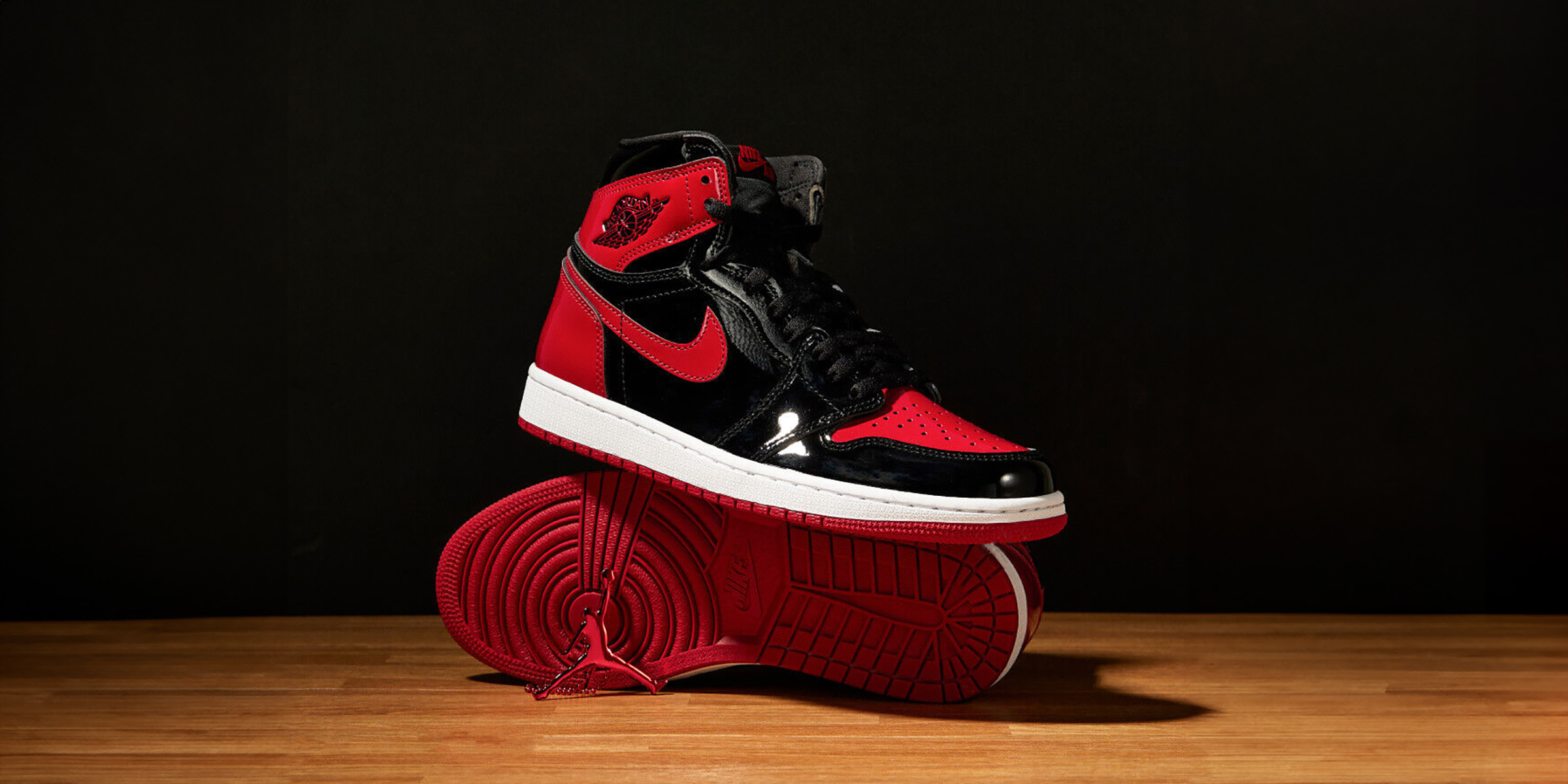
The Air Jordan 1 is objectively the most important silhouette in the history of the brand. From a marketing standpoint, it serves as the foundation of the entire Jordan ecosystem. Its status as the “best” is not due to its 1980s technology, but rather the narrative of rebellion and excellence that was baked into its launch.
The “Banned” Narrative and Guerilla Marketing
The brilliance of the Air Jordan 1 lies in its origin story. The narrative that the NBA “banned” the black-and-red sneaker for violating uniform policies—and that Nike paid the $5,000-per-game fine—is one of the most successful marketing myths in history. While historians often debate the specifics, the brand used this “rebel” persona to position the shoe as an anti-establishment tool. This created an immediate emotional connection with consumers, a key pillar in successful brand strategy.
Transcending Athletics into Lifestyle Branding
The Air Jordan 1 is the ultimate example of a performance product successfully pivoting into a lifestyle staple. By maintaining the original silhouette while experimenting with thousands of colorways (retros), the brand has ensured the shoe remains relevant across generations. It has moved from the hardwood to the runways of Paris and the streets of Tokyo, proving that “best” is defined by a brand’s ability to achieve ubiquity without losing its “cool” factor.
2. Engineering Desire: The Strategic Use of Scarcity and the Hype Cycle
A critical component of determining the “best” Jordans involves analyzing their market velocity and resale value. The Jordan Brand, under the umbrella of Nike, has mastered the “drop” culture—a strategy that relies on artificial scarcity to drive demand and maintain brand prestige.
The Art of the Limited Release
Models like the Air Jordan 3 and the Air Jordan 11 are often cited as the best because of their periodic, high-stakes releases. By limiting the supply of these iconic models and releasing them during strategic windows (such as the traditional holiday 11 release), the brand ensures that demand always outstrips supply. This creates a perpetual state of “hype,” where the product is perceived as a luxury asset rather than a commodity.
Brand Synergy through High-Value Collaborations
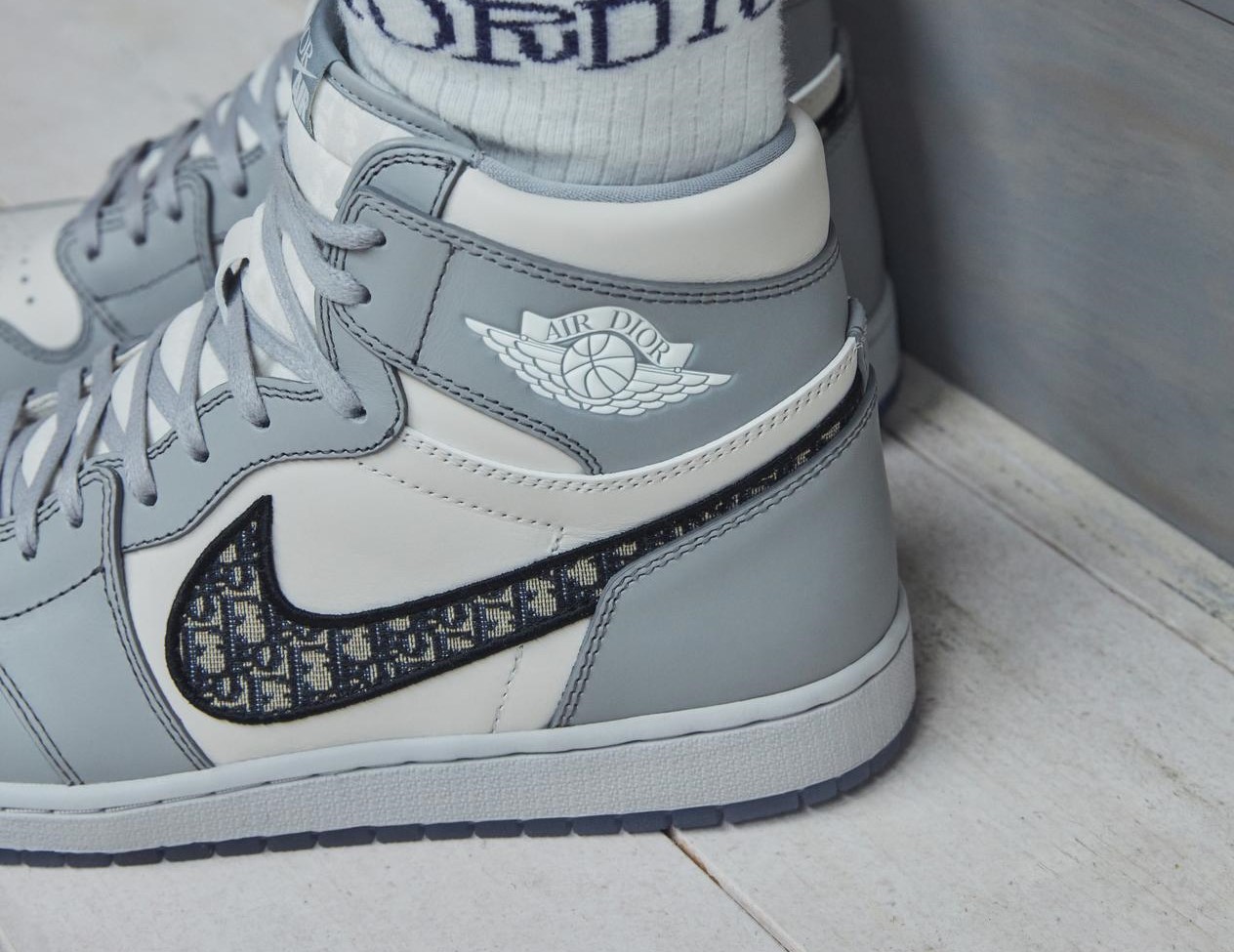
In the modern era, the “best” Jordans are often those born from strategic partnerships. Collaborations with luxury houses like Dior or cultural icons like Travis Scott and Virgil Abloh (Off-White) serve to elevate the brand’s positioning. These partnerships allow the Jordan Brand to tap into different market segments—high fashion, music, and contemporary art—thereby reinforcing its status as a versatile cultural titan. These collaborations are masterclasses in brand synergy, where both parties exchange cultural capital to increase their collective market power.
3. The Design Language: Consistency as a Competitive Advantage
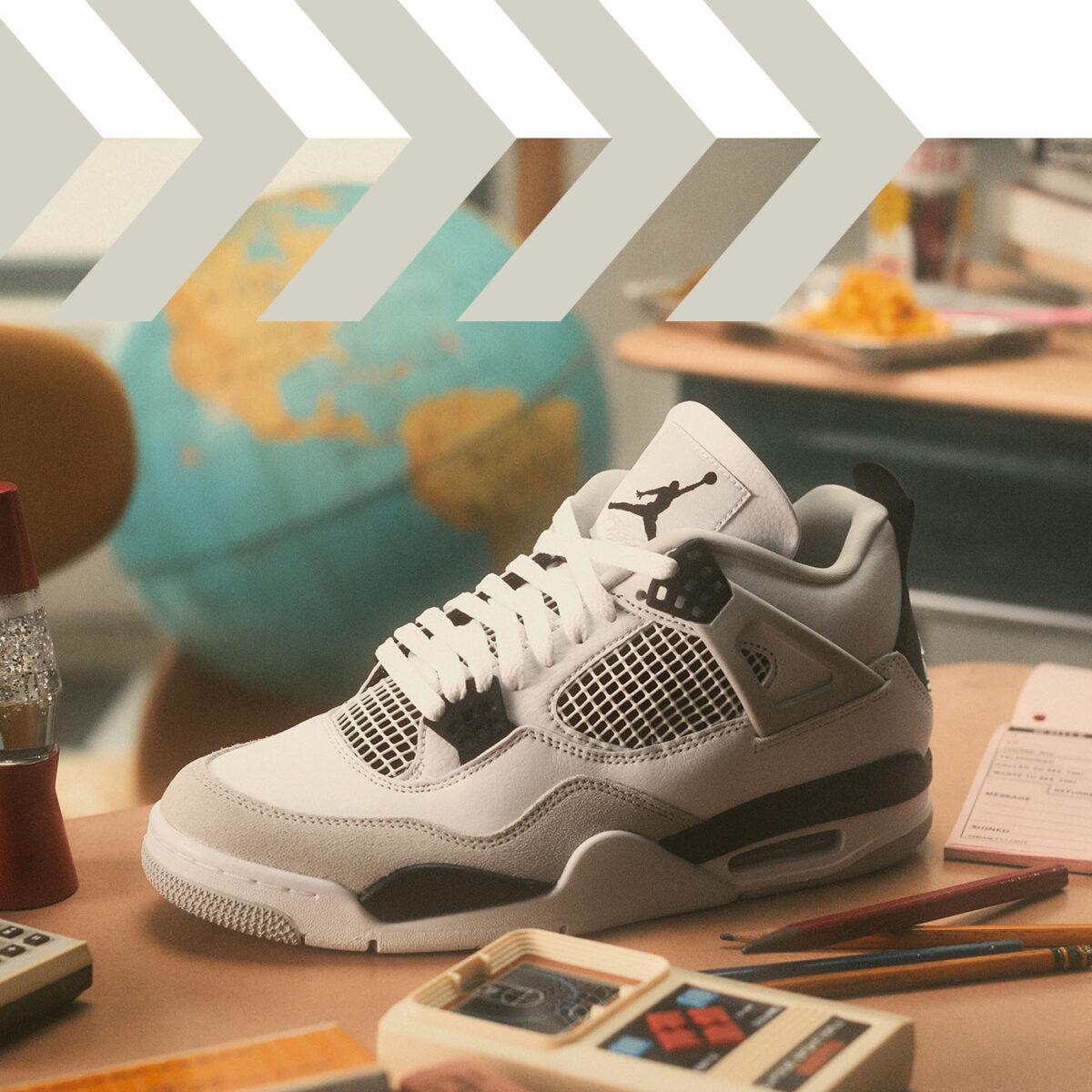
From a corporate identity perspective, the visual language of the Jordan Brand is its most valuable asset. The transition from the “Swoosh” to the “Jumpman” logo marked a pivotal moment in sports marketing, signaling that Michael Jordan was no longer just an athlete endorsed by Nike, but a standalone brand.
Tinker Hatfield and the Visual Language of Luxury
When discussing the “best” designed Jordans, the conversation inevitably centers on Tinker Hatfield’s contributions, specifically the Air Jordan 3 through the Air Jordan 15. Hatfield introduced elements of luxury and storytelling into the design—such as the elephant print on the AJ3 or the patent leather on the AJ11 inspired by lawnmowers and formal dress shoes. This design philosophy shifted the consumer’s perception; these weren’t just sneakers, they were pieces of industrial design.
Maintaining Heritage While Targeting the Modern Consumer
The challenge for any legacy brand is avoiding the “nostalgia trap.” The Jordan Brand manages this by blending its heritage models (Retros) with cutting-edge performance tech in its new annual releases (e.g., the Jordan 38). While the Retros drive the bulk of the brand’s cultural conversation, the newer models ensure the brand remains rooted in its original purpose: elite athletic performance. This dual-track strategy allows the brand to honor its history while demonstrating ongoing innovation.
4. Brand Equity and the Secondary Market as a Valuation Tool
In the world of brand strategy, the “best” product can also be measured by its longevity and its value in the secondary market. The “sneakerhead” subculture has essentially created a stock market for Jordans, providing a real-time valuation of the brand’s equity.
Jordans as a High-Performing Asset Class
For many enthusiasts, the best Jordans are those that hold or increase in value over time. This financial aspect of the brand is a direct result of meticulous brand management. By controlling the “re-release” cycle of popular models, the Jordan Brand prevents market saturation. This protects the investment of collectors and ensures that the brand remains a symbol of wealth and discernment.
Sustaining Long-Term Value through Narrative Reinvention
The Jordan Brand is an expert at “storytelling.” Every time a classic model is re-released (a “Retro”), it is accompanied by a campaign that highlights a specific moment in Michael Jordan’s career—the “Flu Game,” the “Last Shot,” or the “Shattered Backboard.” By tethering physical products to legendary moments, the brand ensures that the shoes never become obsolete. They are not just buying leather; they are buying a piece of sports history. This emotional resonance is what sustains the brand’s premium pricing power.
5. Conclusion: Defining “Best” through the Lens of Brand Longevity
To conclude, determining what is the “best” Jordan requires a multidimensional analysis of brand strategy.
- The Air Jordan 1 is the best from a foundational and cultural perspective, representing the birth of modern sneaker culture.
- The Air Jordan 3 and 11 are the best from a design and luxury perspective, having introduced high-fashion elements to the masses.
- Collaborative models (like the Jordan x Travis Scott) are the best from a modern marketing perspective, showcasing the brand’s ability to remain at the center of the cultural zeitgeist.
Ultimately, the “best” Jordan is a testament to the power of consistent, high-level branding. The Jordan Brand has managed to do what few others have: they turned an individual’s excellence into a scalable, enduring corporate identity. For marketers and brand strategists, the lesson is clear: a product is only as good as the story it tells and the community it builds. As long as the Jumpman logo continues to represent the pinnacle of aspiration, the debate over which Jordan is the “best” will continue to fuel one of the most successful brand stories in history.
aViewFromTheCave is a participant in the Amazon Services LLC Associates Program, an affiliate advertising program designed to provide a means for sites to earn advertising fees by advertising and linking to Amazon.com. Amazon, the Amazon logo, AmazonSupply, and the AmazonSupply logo are trademarks of Amazon.com, Inc. or its affiliates. As an Amazon Associate we earn affiliate commissions from qualifying purchases.