
For millions of Americans, Social Security is a cornerstone of retirement planning, a vital safety net that provides a regular income stream in later life. Yet, the question of “how much money can I earn on Social Security?” is far more nuanced than a simple dollar figure. It touches upon individual work histories, filing ages, other income sources, and even the broader economic landscape. Understanding the intricacies of Social Security benefits is crucial for effective financial planning, whether you’re nearing retirement or just beginning your career. This article delves into the mechanisms that determine your Social Security income, explores the rules surrounding earnings while receiving benefits, and outlines strategies to optimize this crucial component of your financial future.
Understanding Social Security Benefits: More Than Just a Number
Social Security isn’t a one-size-fits-all program. The amount of money you can receive is the culmination of a complex formula designed to reflect your lifetime contributions and specific circumstances.
The Basics of Social Security Retirement Benefits
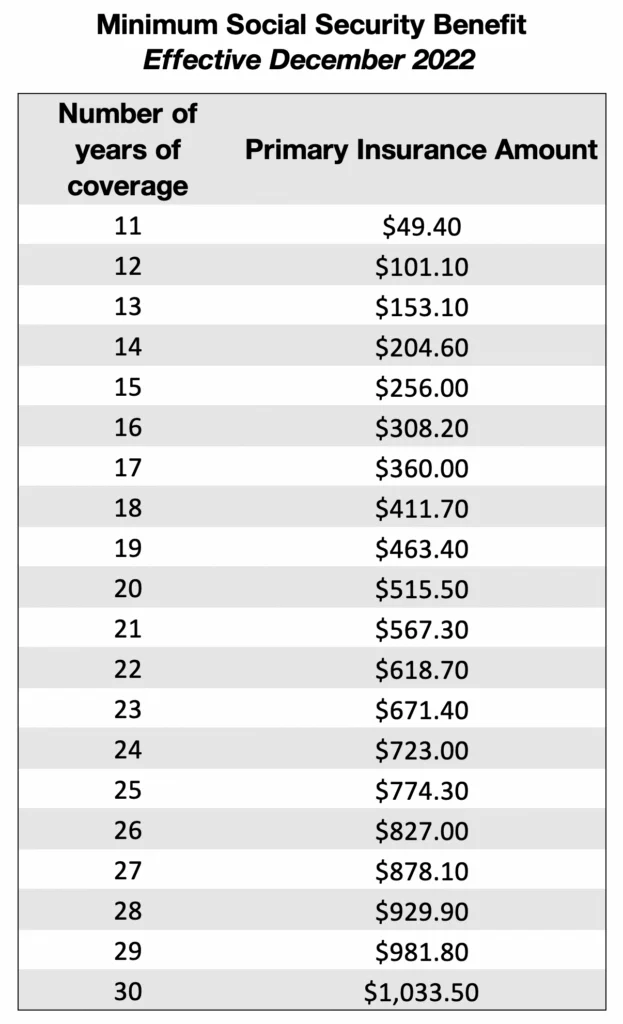
Social Security retirement benefits are based on your earnings history over your working life. The Social Security Administration (SSA) calculates your primary insurance amount (PIA), which is the benefit you’re entitled to receive if you start collecting benefits at your full retirement age (FRA). This PIA is derived from your highest 35 years of indexed earnings. “Indexed” means your past earnings are adjusted to account for changes in average wages since the year the earnings were posted, making them comparable to current wage levels. If you have fewer than 35 years of earnings, the missing years are counted as zero, which can reduce your average.
Factors Influencing Your Benefit Amount
Several key factors directly influence the size of your monthly Social Security check:
- Your Earnings Record: This is paramount. The higher your earnings over your working life, up to a certain annual limit (the Social Security taxable maximum), the higher your eventual benefits will be. Consistency in work history also plays a role; long gaps in employment can negatively impact the 35-year average.
- Your Age When You Start Receiving Benefits: This is perhaps the most significant variable under your control. While you can start collecting benefits as early as age 62, doing so results in a permanent reduction in your monthly payment. Conversely, delaying benefits beyond your full retirement age, up to age 70, increases your monthly payment.
- Cost-of-Living Adjustments (COLAs): Social Security benefits are typically adjusted annually to keep pace with inflation. These COLAs mean that the amount you “earn” from Social Security can increase over time, helping to preserve your purchasing power.
- Spousal and Survivor Benefits: Your benefits aren’t solely based on your own work record. You may be eligible for benefits as a spouse, ex-spouse, or surviving spouse based on someone else’s work record, which can significantly affect the total income “earned” from Social Security for a household.
The “Full Retirement Age” (FRA) Defined
Your Full Retirement Age (FRA) is a pivotal concept in Social Security. It’s the age at which you are entitled to receive 100% of your primary insurance amount. For those born between 1943 and 1954, FRA is 66. For those born in 1960 or later, FRA is 67. For birth years in between, it gradually increases. Knowing your FRA is critical because it’s the benchmark against which early or delayed filing decisions are measured. Filing before your FRA leads to reduced benefits, while filing after your FRA leads to increased benefits due to delayed retirement credits.
Navigating Earnings Limits While Receiving Benefits
A common misconception is that once you start receiving Social Security, you cannot work. This is incorrect. However, if you are below your Full Retirement Age and continue to work, your earnings can temporarily reduce your Social Security benefits.
What Are Social Security Earnings Limits?
The Social Security Administration (SSA) imposes annual earnings limits on beneficiaries who have not yet reached their full retirement age. These limits are adjusted annually. If your earnings exceed these limits, a portion of your Social Security benefits will be withheld.
There are typically two different earnings limits:
- Before the year you reach FRA: In this scenario, the SSA withholds $1 in benefits for every $2 you earn above a specific annual limit. This limit is the lower of the two.
- In the year you reach FRA (but before your FRA month): In this case, the SSA withholds $1 in benefits for every $3 you earn above a different, higher annual limit. This limit only applies to earnings before the month you actually reach your full retirement age.
How Earnings Limits Impact Your Benefits Before FRA
Let’s illustrate with an example. If you start receiving benefits at age 62 and continue to work, and your annual earnings exceed the limit for that year, your Social Security checks will be reduced. The withheld benefits are not permanently lost; they are added back into your benefit calculation once you reach your full retirement age, resulting in a slightly higher monthly payment moving forward. However, it’s a temporary reduction in immediate cash flow.
It’s important to note that only earnings from wages or net self-employment income count towards these limits. Income from pensions, annuities, investment income, and government retirement benefits generally do not count.
The Impact of Earning Beyond FRA (or lack thereof)
Once you reach your Full Retirement Age, the earnings limits disappear entirely. You can earn any amount of money from work, and it will not affect your Social Security benefits. This is a crucial detail for individuals who plan to continue working full-time or part-time well into their later years. At this point, your Social Security benefits are paid in full, regardless of your employment income.
Strategies for Managing Earnings Limits
If you plan to work before your FRA, consider these strategies:
- Understand Your Earning Potential: Accurately estimate your annual earnings to see if you will exceed the limit.
- Adjust Your Work Schedule: If feasible, you might consider reducing your work hours or taking on less demanding roles to stay below the earnings limit and receive your full benefits.
- Delay Filing: If your earnings are high enough to significantly reduce your benefits, it might be more advantageous to delay filing for Social Security until you reach your FRA. This not only avoids the earnings test but also allows your benefits to grow through delayed retirement credits.
- Consult the SSA: The Social Security Administration offers tools and can provide personalized estimates based on your earnings record and potential work income.
Maximizing Your Social Security Income
While your earnings record sets the foundation, strategic decisions can significantly impact the total “money” you earn from Social Security over your lifetime.
The Power of Delayed Filing

One of the most effective ways to increase your monthly Social Security income is to delay filing for benefits beyond your Full Retirement Age. For each year you delay, up to age 70, your monthly benefit amount increases by approximately 8% (known as delayed retirement credits). This creates a powerful incentive for those who can afford to wait, turning an initial PIA of, say, $2,000 at age 67 into over $2,640 at age 70 (an increase of 32%). This increase is permanent and also applies to the survivor benefits your spouse might receive after your passing.
Spousal and Survivor Benefits: Tapping into Additional Resources
Social Security benefits aren’t limited to individual work histories. Understanding spousal and survivor benefits can significantly increase a household’s total Social Security income.
- Spousal Benefits: If your spouse’s PIA is significantly higher than yours, you might be able to claim a spousal benefit equal to 50% of their PIA (if you claim at your FRA). You cannot claim both your own benefit and a spousal benefit; the SSA will pay you the higher of the two.
- Survivor Benefits: If your spouse passes away, you may be eligible to receive survivor benefits based on their work record. This can be up to 100% of their benefit amount, especially if they delayed filing for benefits. This is a crucial safety net for many families. Divorced spouses may also be eligible for spousal or survivor benefits under certain conditions.
Strategic coordination between spouses on when to file can lead to higher combined lifetime benefits for the household.
Considering Taxes on Social Security Benefits
While Social Security is a form of “earnings,” it’s also subject to federal income tax for many retirees. If your “combined income” (which includes your adjusted gross income, tax-exempt interest, and half of your Social Security benefits) exceeds certain thresholds, a portion of your Social Security benefits will be taxable. Up to 85% of your benefits can be subject to federal income tax, depending on your income level. Some states also tax Social Security benefits. Planning for these taxes is an important part of understanding your net Social Security income.
The Role of Financial Planning and Savings
Social Security was designed to be a foundation, not the sole source of retirement income. The “money you earn” from Social Security needs to be viewed within the context of your broader financial plan. Personal savings, employer-sponsored retirement plans (like 401(k)s), IRAs, and other investments are essential for supplementing Social Security and achieving a comfortable retirement. A robust financial plan will factor in your expected Social Security benefits alongside your other assets to create a comprehensive income strategy.
Beyond Retirement: Other Social Security Programs
While retirement benefits are the most widely discussed, Social Security encompasses other vital programs that provide income and support under different circumstances.
Disability Benefits (SSDI)
The Social Security Disability Insurance (SSDI) program provides monthly benefits to individuals who have worked long enough and recently enough to be covered by Social Security, and who have a medical condition that meets the SSA’s definition of disability. To qualify, you must be unable to engage in any substantial gainful activity due to a medical condition that has lasted or is expected to last for at least one year or result in death. The amount of your SSDI benefit is based on your average lifetime earnings before your disability began. This income can be a critical lifeline for those who become unable to work due to severe illness or injury.
Supplemental Security Income (SSI)
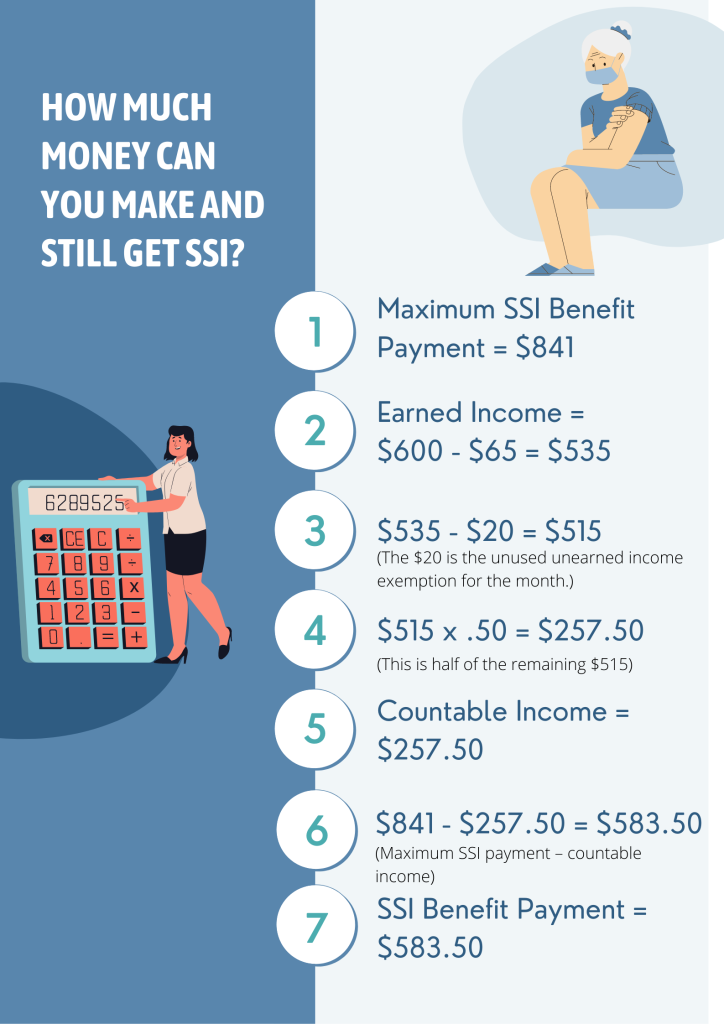
Supplemental Security Income (SSI) is a needs-based program that provides cash assistance to aged, blind, and disabled individuals who have limited income and resources. Unlike SSDI, SSI is not based on your work history or your contributions to Social Security taxes. It is funded by general tax revenues and administered by the SSA. The maximum federal SSI payment is uniform across recipients, though it can be supplemented by state payments in some areas. SSI aims to provide a basic level of income for those most in need.
Understanding Medicare and Social Security
While not an income source itself, Medicare is closely linked to Social Security. Most individuals who qualify for Social Security retirement or disability benefits also become eligible for Medicare at age 65 (or after a waiting period for disability). Part B premiums for Medicare are often deducted directly from Social Security benefit payments. Understanding this relationship is crucial for budgeting your healthcare costs in retirement, as these deductions affect the net “money” you receive from Social Security.
Integrating Social Security into Your Broader Financial Plan
For most individuals, Social Security alone will not provide enough income to maintain their pre-retirement lifestyle. It’s a foundational element that needs to be thoughtfully integrated with other financial strategies.
Social Security as a Foundation, Not a Sole Source
Experts generally agree that Social Security is designed to replace about 40% of an average worker’s pre-retirement earnings. For higher earners, this percentage is even lower. This means that if you rely solely on Social Security, you will likely experience a significant drop in your standard of living. Viewing Social Security as a reliable baseline upon which to build your other income streams is a more realistic and responsible approach to retirement planning.
Diversifying Retirement Income Streams
A well-rounded retirement income plan typically includes several sources:
- Personal Savings and Investments: This includes 401(k)s, IRAs, brokerage accounts, and other investment vehicles.
- Pensions: If you are fortunate enough to have a defined-benefit pension plan.
- Part-time Work: Many retirees choose to work part-time, either for extra income, to stay engaged, or both.
- Rental Income or Other Passive Income: Income from real estate or other ventures.
- Social Security: Your guaranteed monthly benefit.
Diversification helps mitigate risks and provides greater financial security throughout your retirement years.
Seeking Professional Financial Advice
Given the complexities of Social Security rules, earnings limits, taxation, and coordination strategies, seeking guidance from a qualified financial advisor is highly recommended. A professional can help you:
- Estimate your benefits accurately.
- Develop a filing strategy that maximizes your lifetime income, considering your personal health, family situation, and other assets.
- Integrate your Social Security benefits into a holistic retirement plan.
- Understand the tax implications of your various income sources.
In conclusion, “how much money can I earn on Social Security?” is a dynamic question with answers that vary significantly from person to person. It’s not just a fixed sum but a flexible component of your financial life, influenced by your choices, work history, and broader financial planning. By understanding its mechanics and making informed decisions, you can optimize your Social Security benefits to contribute meaningfully to a secure and comfortable retirement.
aViewFromTheCave is a participant in the Amazon Services LLC Associates Program, an affiliate advertising program designed to provide a means for sites to earn advertising fees by advertising and linking to Amazon.com. Amazon, the Amazon logo, AmazonSupply, and the AmazonSupply logo are trademarks of Amazon.com, Inc. or its affiliates. As an Amazon Associate we earn affiliate commissions from qualifying purchases.