
The cost of dental care in the United States can be a significant financial burden, often serving as a barrier to maintaining optimal oral health. From routine cleanings and fillings to more complex procedures like root canals, crowns, or orthodontics, expenses can quickly accumulate, leaving many individuals and families searching for affordable solutions. While traditional dental insurance has long been the primary mechanism for managing these costs, its limitations—such as high premiums, restrictive annual maximums, waiting periods, and deductibles—have paved the way for an increasingly popular alternative: dental discount plans.
These plans offer a different financial model, promising significant savings on dental procedures without the complexities typically associated with insurance. But with a myriad of options available, determining “what is the best dental discount plan” becomes a crucial financial decision. The “best” plan isn’t a one-size-fits-all answer; rather, it’s the plan that most effectively aligns with your specific dental needs, budget, and access to care. This article will delve into the world of dental discount plans, offering a comprehensive guide to understanding their mechanics, evaluating their benefits, and ultimately helping you make an informed financial choice that supports your oral health and fiscal well-being.
Understanding Dental Discount Plans: An Overview
Dental discount plans operate on a straightforward, membership-based model, fundamentally different from traditional insurance. Instead of paying premiums for coverage, members pay an annual or monthly fee to gain access to a network of participating dentists who have agreed to provide services at pre-negotiated, discounted rates. These plans are designed to make dental care more accessible and affordable, particularly for those without employer-sponsored insurance, the self-employed, retirees, or individuals seeking to supplement existing coverage.
How They Work: The Mechanics of Savings
At its core, a dental discount plan functions much like a buyer’s club for dental services. Once you enroll and pay your membership fee, you receive a membership card. When you visit a participating dentist, you present this card, and the dentist applies the agreed-upon discount to your bill. You then pay the discounted amount directly to the provider at the time of service. There are no claims to file, no reimbursement processes, and no third-party administrators scrutinizing your treatments for “medical necessity.” The transaction is simple: you show your card, you get a discount, and you pay the reduced fee. This direct model significantly streamlines the financial interaction between patient and provider.
Key Differences from Dental Insurance
Understanding the distinctions between discount plans and insurance is critical for making an informed financial decision:
-
Premiums vs. Membership Fees: Insurance requires regular premiums, while discount plans require an annual or monthly membership fee.
-
Deductibles and Annual Maximums: Insurance policies often come with deductibles (an amount you must pay out-of-pocket before insurance starts covering costs) and annual maximums (the maximum amount the insurance company will pay in a given year). Discount plans have neither; you can use your discounts as often as needed, with no cap on total savings.
-
Waiting Periods: Many dental insurance plans impose waiting periods (e.g., six months for basic care, a year for major procedures) before certain benefits become active. Discount plans typically have no waiting periods; you can use your benefits almost immediately after enrollment. This is a huge financial advantage if you have an immediate dental need.
-
Coverage Scope: While insurance might have more comprehensive coverage for specific major procedures once deductibles are met, discount plans often provide discounts across a broader range of services, including cosmetic dentistry and orthodontics, which are frequently excluded or heavily limited by traditional insurance.
-
Claims Process: Insurance involves submitting claims for reimbursement, which can be a lengthy administrative process. Discount plans eliminate claims entirely, offering a pay-at-service simplicity.
The Cost Structure: Membership Fees and Savings Potential
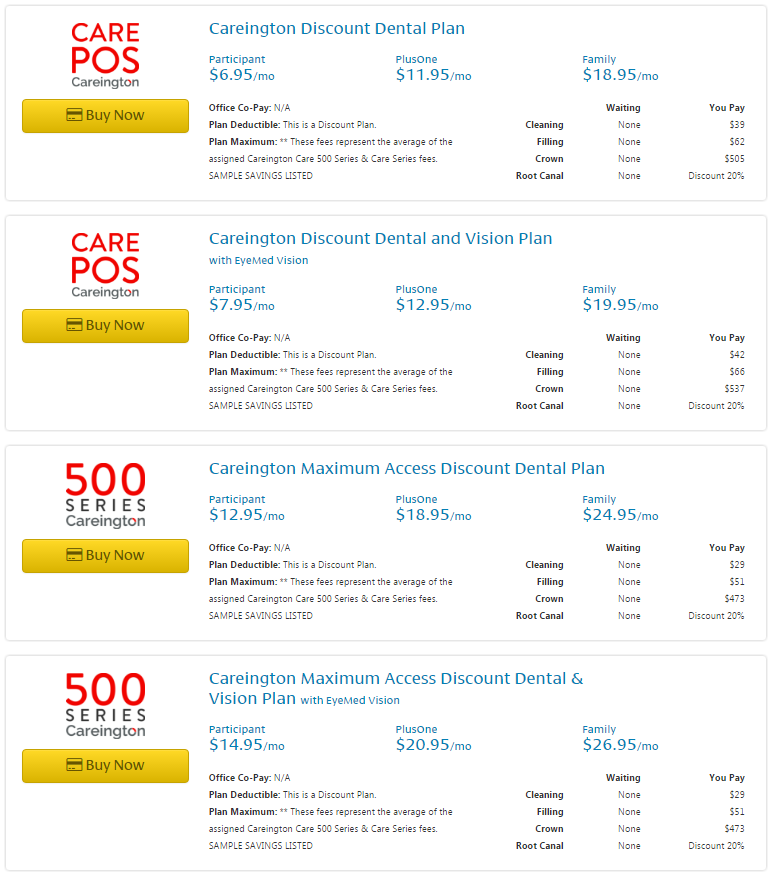
The financial structure of dental discount plans is straightforward. Membership fees typically range from $80 to $200 per year for individuals, with family plans costing slightly more. These fees grant you access to the negotiated discounts, which can vary widely depending on the plan and the specific procedure, but commonly fall between 10% and 60%. For example, a cleaning might be discounted by 20%, a filling by 30%, and a crown by 40%. The significant value proposition lies in the fact that even one or two standard procedures could potentially save you more than the annual membership fee, offering a tangible return on your investment in the plan.
Benefits of Embracing a Dental Discount Plan
For many individuals and families, dental discount plans offer compelling financial and logistical advantages over traditional insurance or simply paying out-of-pocket. These benefits directly address common pain points associated with accessing affordable dental care.
Immediate Access and No Waiting Periods
Perhaps one of the most attractive financial benefits of a dental discount plan is the immediate access to savings. Unlike insurance policies that often impose waiting periods—sometimes up to a year for major procedures—most discount plans allow members to start saving almost immediately after enrollment. This is particularly valuable for individuals who have an urgent dental need, such as a painful cavity or a chipped tooth, and cannot afford to wait for insurance benefits to kick in. It means you can address issues promptly, potentially preventing them from escalating into more costly problems down the line.
Broader Coverage for Elective Procedures
Traditional dental insurance often has strict limitations or outright exclusions for “elective” or cosmetic procedures. Treatments like teeth whitening, veneers, or even orthodontics (especially for adults) are frequently not covered, or only partially covered with significant out-of-pocket expenses. Dental discount plans, by contrast, often include discounts for a wider array of services. This broader scope empowers individuals to pursue desired cosmetic enhancements or necessary orthodontic work at a more manageable cost, expanding their financial options for comprehensive oral care.
Budget Predictability and Cost Control
Financial planning for healthcare can be challenging due to unpredictable costs. Dental discount plans offer a degree of cost predictability that is invaluable for budgeting. Because the discounts are pre-negotiated, members often have access to a fee schedule that outlines the discounted price for various procedures. This transparency allows you to know, with reasonable certainty, what a specific treatment will cost before you even visit the dentist. This upfront knowledge helps in making informed financial decisions, avoiding unexpected bills, and ensuring you can comfortably afford the care you need. Without deductibles or annual maximums, you also have greater control over your total annual dental expenses.
Simplicity in Administration
The administrative burden associated with traditional dental insurance can be time-consuming and frustrating. Filing claims, tracking reimbursements, and dealing with denials are common complaints. Dental discount plans eliminate this complexity entirely. There are no claims forms to fill out, no need to navigate complex Explanation of Benefits (EOB) statements, and no waiting for reimbursement checks. You simply pay the discounted rate directly to the dentist at the time of service, making the entire process far more efficient and user-friendly from a financial management perspective.
Navigating the Market: Factors to Consider When Choosing
Selecting the “best” dental discount plan requires a diligent evaluation of several key factors that will directly impact your savings and satisfaction. It’s not about finding the plan with the flashiest advertisements, but rather the one that offers the most financial value and practical utility for your specific circumstances.
Network Size and Dentist Availability
This is arguably the most crucial factor. A plan is only valuable if you can actually use it with a dentist you trust and can conveniently access. Before committing to a plan, use its online search tool to check if your current dentist is part of their network. If not, evaluate the number and location of participating dentists in your area. A plan with a sparse network, or one where the participating dentists are inconveniently located, will offer little financial benefit, regardless of its advertised discounts. Prioritize plans with robust networks that include multiple providers within a reasonable distance from your home or work.
Discount Percentages for Specific Procedures
While overall discount percentages are important, drill down into the specific procedures you anticipate needing. If you require extensive restorative work like crowns or bridges, ensure the plan offers substantial discounts on these particular services. If you’re considering orthodontics, verify the discount for that specific treatment. Some plans might offer higher overall discounts but lower savings on the services you actually need most, rendering them less financially advantageous for your situation. Compare the fee schedules across different plans for the procedures relevant to your projected dental care needs.
Membership Fees vs. Potential Savings
A critical financial analysis involves comparing the annual membership fee against your projected savings. If your annual fee is $150 and you only anticipate needing two cleanings and one filling (which might cost $300-$400 out-of-pocket without a plan, but $200-$250 with a plan), you need to ensure the savings ($100-$150) at least offset the fee. For individuals needing more extensive work, the savings can quickly far outweigh the membership cost. Calculate your potential return on investment (ROI) based on your estimated dental needs. Don’t pay for a plan if your projected savings are less than the annual fee.

Plan Flexibility and Additional Benefits
Some dental discount plans offer flexibility that can enhance their financial appeal. Look for plans that offer family options if you need coverage for dependents. Additionally, some providers bundle their dental discount plans with other wellness benefits, such as discounts on vision care, prescription medications, or chiropractic services. While these extra benefits shouldn’t be the primary driver of your decision, they can add incremental value if they align with other healthcare needs your family might have, potentially saving you money across multiple health categories.
Reputation and Customer Service
As with any financial service, the reputation of the plan provider and the quality of their customer service are paramount. Research online reviews and look for feedback regarding ease of use, transparency of pricing, and responsiveness to member inquiries. A plan might offer great discounts, but if it’s difficult to manage, hard to get answers from, or has hidden fees, the financial stress might outweigh the savings. A plan with a solid reputation for member satisfaction and transparent practices will provide greater peace of mind and a better overall experience.
Top Contenders in the Dental Discount Plan Arena
While there isn’t a single “best” dental discount plan for everyone, several providers consistently rank high due to their extensive networks, competitive discounts, and overall reliability. Examining these popular options can provide a good starting point for your research, but remember to always tailor your final choice to your unique financial and dental circumstances.
Examining Popular Providers (e.g., Aetna Dental Access, Cigna Dental Savings, Careington)
Many reputable companies offer dental discount plans, often leveraging large networks of dentists. Companies like Aetna Dental Access, Cigna Dental Savings, and various plans offered through Careington International Corporation are well-known in the market.
-
Aetna Dental Access: Often praised for its broad network and competitive discounts on a wide range of procedures. It’s a strong contender for those seeking widespread dentist availability.
-
Cigna Dental Savings: Another major player with a substantial network and generally good discounts, particularly appealing to individuals who value the backing of a large, recognized healthcare brand.
-
Careington: This company powers many different discount plans, sometimes under other brand names. They are known for their extensive networks and often provide very competitive pricing across the board, making them a strong consideration for general dental needs.
When evaluating these or other plans, compare their specific fee schedules for the procedures you anticipate needing. Don’t just look at the overall “up to 60% off” claims; dive into the actual numbers for cleanings, fillings, crowns, and any specialized treatments that apply to you. Some plans might be stronger for preventive care, while others offer more substantial savings on major restorative work.
Tailoring Your Choice to Your Needs (Singles, Families, Specific Treatments)
The “best” plan is highly individualized based on your demographic and specific dental needs:
-
For Singles: If you’re single and have generally good oral health, a basic plan with affordable membership fees and good discounts on preventive care (cleanings, X-rays) and common minor procedures (fillings) might be sufficient. Your focus should be on minimizing the annual fee while ensuring access to a good local dentist.
-
For Families: Families with children or multiple adults will need to consider family plans. These typically cost more annually but provide discounts for all listed members. Evaluate plans based on their discounts for pediatric dentistry, orthodontics (if relevant for children or adults), and comprehensive care that might arise from multiple family members. The potential for aggregate savings across a family can be substantial.
-
For Specific Treatments: If you know you’ll need a specific major treatment (e.g., multiple crowns, root canals, dentures, or orthodontics), prioritize plans that offer the highest discounts for those particular services. It might be worth paying a slightly higher annual fee if the savings on one major procedure alone significantly outweigh that cost.
Leveraging Online Comparison Tools
To streamline your research and financial analysis, make use of online comparison websites. Several platforms allow you to input your zip code and see a list of available dental discount plans, often displaying their features, membership fees, and even sample discount percentages. These tools can help you quickly narrow down your options, compare benefits side-by-side, and often link directly to the provider’s website for enrollment. Remember that these tools are a starting point; always verify information directly on the plan provider’s official website before making a financial commitment.
Maximizing Your Dental Discount Plan for Optimal Savings
Enrolling in a dental discount plan is just the first step; to truly make it the “best” financial tool for your oral health, you need to use it strategically and proactively. Maximizing your plan means understanding how to leverage its benefits fully to achieve the greatest possible savings.
Regular Preventive Care
The most effective way to maximize your dental discount plan, and indeed your overall oral health, is through consistent preventive care. Use your plan for regular check-ups, cleanings, and X-rays. Not only do these services typically have some of the highest discount percentages, making them very cost-effective, but they are also crucial for catching potential issues early. Addressing problems like cavities or gum disease in their initial stages is always significantly cheaper than waiting until they become advanced and require more complex, expensive interventions. By proactively managing your oral health, you reduce the likelihood of needing costly major procedures down the line, thus amplifying your plan’s financial benefits.
Combining with FSA/HSA
For those who have access to a Flexible Spending Account (FSA) or Health Savings Account (HSA) through their employer or personal plan, combining these tax-advantaged accounts with a dental discount plan can lead to even greater financial savings. Both FSAs and HSAs allow you to set aside pre-tax money for eligible healthcare expenses. Dental discount plan membership fees and any out-of-pocket costs paid after the discount are typically eligible expenses for these accounts. This means you’re essentially paying for your dental care and plan membership with tax-free dollars, adding another layer of savings on top of the discounts provided by the plan itself. Consult with your FSA/HSA administrator to confirm eligibility for your specific plan.
Asking for Itemized Bills
To ensure you’re receiving the correct discounts, always ask for an itemized bill before paying. Review the bill carefully to verify that the pre-negotiated rates have been applied to each service. Sometimes, administrative errors can occur, or a new staff member might be unfamiliar with the discount plan’s procedures. Being vigilant and checking your bill ensures that you are indeed receiving the full financial benefit you’re entitled to. If you notice any discrepancies, you can address them immediately with the dental office.
Annual Review of Your Plan
Your dental needs and financial situation can change over time. What was the “best” plan for you last year might not be this year. Make it a habit to annually review your dental discount plan. Consider:
-
Your current dental health: Have your needs changed? Do you anticipate needing more complex procedures this year?
-
The plan’s network: Is your preferred dentist still participating? Are there new dentists in the network that better suit your needs?
-
Membership fees and discounts: Have the plan’s fees increased? Have their discount percentages for key services changed?
-
Market alternatives: Have new, more competitive dental discount plans emerged that might offer better value?
By periodically reassessing your plan, you can ensure that you are continually enrolled in the most financially advantageous option for your ongoing oral healthcare needs.

Conclusion
Navigating the landscape of dental care costs can be daunting, but dental discount plans offer a powerful and accessible financial tool for making oral health more affordable. Unlike the often complex and restrictive nature of traditional dental insurance, these membership-based plans provide immediate savings, broader coverage for various procedures, and a straightforward payment model. The key to finding “what is the best dental discount plan” lies not in identifying a universally superior option, but in meticulously evaluating how each plan aligns with your individual or family’s specific financial situation and dental needs.
By carefully considering factors such as network size, specific discount percentages for anticipated procedures, the balance between membership fees and potential savings, and the plan provider’s reputation, you can make an informed financial decision. Furthermore, maximizing your plan through regular preventive care, leveraging tax-advantaged accounts, verifying your bills, and conducting annual reviews will ensure you consistently get the most value for your money. Investing in a well-chosen dental discount plan is a smart financial move that supports not just your budget, but critically, your long-term oral health and overall well-being.
aViewFromTheCave is a participant in the Amazon Services LLC Associates Program, an affiliate advertising program designed to provide a means for sites to earn advertising fees by advertising and linking to Amazon.com. Amazon, the Amazon logo, AmazonSupply, and the AmazonSupply logo are trademarks of Amazon.com, Inc. or its affiliates. As an Amazon Associate we earn affiliate commissions from qualifying purchases.