
The question “what band was Justin Timberlake in?” is simple enough to answer: he was a prominent member of the iconic 90s boy band *NSYNC. However, peeling back the layers of this seemingly straightforward query reveals a profound case study in personal branding, strategic evolution, and the art of transitioning from a collective identity to a multi-faceted individual empire. Justin Timberlake’s journey from a clean-cut boy band heartthrob to a Grammy-winning solo artist, respected actor, and astute entrepreneur offers invaluable insights for anyone looking to understand the dynamics of brand building, reinvention, and sustained relevance in a rapidly changing world. This article will delve into how *NSYNC forged a powerful brand, how Timberlake cultivated his individual identity within that structure, and the strategic brilliance behind his pivot to global solo stardom and beyond.

The Genesis of a Pop Culture Powerhouse: *NSYNC’s Brand Identity
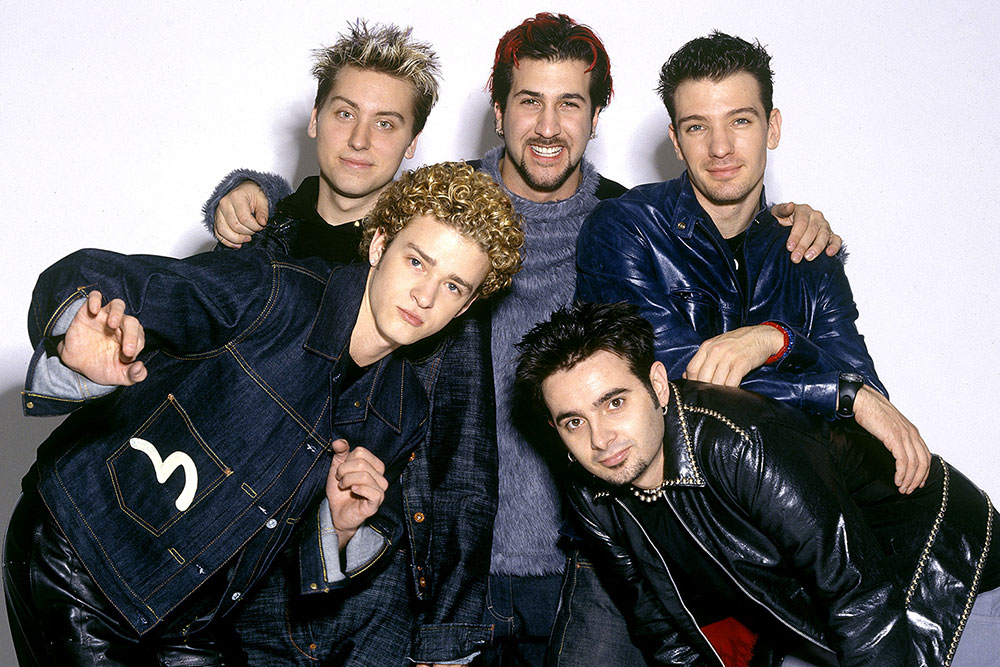
Before Justin Timberlake became a household name on his own, he was an integral part of *NSYNC, a group that defined an era of pop music. The band wasn’t just a collection of talented individuals; it was a meticulously crafted brand designed for mass appeal and unprecedented commercial success. Understanding *NSYNC’s brand is crucial to appreciating the foundation upon which Timberlake would later build his own.
Crafting the Group’s Image and Market Positioning
*NSYNC’s brand identity was a deliberate construction. Formed in Orlando, Florida, in 1995, the group was engineered by impresario Lou Pearlman (also behind the Backstreet Boys) to fill a specific niche in the burgeoning teen pop market. Their image was carefully curated: five distinct personalities, each appealing to a different segment of their primarily female, adolescent fanbase. Justin Timberlake, with his curly blonde hair and boy-next-door charm, often stood out as a lead vocalist, exuding a youthful innocence that was central to the band’s initial appeal.
Musically, their brand was characterized by catchy pop anthems, expertly choreographed dance routines, and harmonies that resonated with a broad audience. Their songs often explored themes of young love, friendship, and aspirations, making them highly relatable. Visually, *NSYNC embraced the quintessential boy band aesthetic: matching (or intentionally contrasting) outfits, stylized music videos, and magazine spreads designed to solidify their image as accessible, aspirational idols. This consistent visual and auditory branding created a cohesive, recognizable product that was easy for consumers to identify with and invest in emotionally. Their brand promise was simple: feel-good pop music delivered by charismatic, talented young men.
The Collective Brand Experience and Fan Engagement
*NSYNC’s success wasn’t solely about their music; it was about the entire brand experience they offered. They excelled at creating a sense of community around their brand. Fan clubs, merchandise, elaborate concert tours, and televised specials all served to deepen the connection between the band and its audience. This immersive experience fostered loyalty, transforming casual listeners into devoted fans. The band members often spoke about their bond, portraying a unified front that enhanced their collective brand strength. This perception of unity and camaraderie was a key part of their brand narrative, suggesting authenticity and a shared journey that fans could be a part of. The collective brand of *NSYNC became synonymous with high-energy performances, chart-topping hits, and an almost familial connection with their fanbase, making them one of the most successful musical brands of their time.
Justin Timberlake’s Emerging Personal Brand Within the Collective
Even within the strong collective brand of *NSYNC, Justin Timberlake began to carve out his own distinct identity. This wasn’t an act of rebellion but a natural evolution, often subtly encouraged by strategic positioning and the undeniable force of his talent and charisma.
Differentiating Through Talent and Charisma
From the outset, Justin Timberlake possessed qualities that made him stand out. His vocal range and distinctive falsetto were often highlighted in *NSYNC’s songs, giving him a prominent role in many of their hits. Beyond his singing ability, his dance moves, stage presence, and undeniable charisma were exceptional. He had an innate ability to connect with an audience, whether through a captivating smile or a perfectly executed dance break. These elements weren’t just personal attributes; they were nascent brand differentiators. While all members contributed to the *NSYNC brand, Timberlake’s particular blend of talent and magnetic personality began to position him as a potential breakout star, a “lead singer” archetype within the boy band structure. This wasn’t about undermining the group but about highlighting a jewel within its crown, inadvertently preparing the groundwork for his future solo endeavors.
Strategic Brand Exposure and Individual Recognition
As *NSYNC’s fame grew, so did opportunities for individual members to gain separate exposure. Justin Timberlake was often chosen for interviews, special appearances, and collaborations that subtly elevated his individual profile. His highly publicized relationship with fellow pop icon Britney Spears further amplified his personal brand, making him a fixture in celebrity news cycles beyond just his musical output with *NSYNC. These external associations and media appearances allowed him to start building an audience that recognized him not just as “the curly-haired one from *NSYNC” but as Justin Timberlake, an entity with his own burgeoning personality and public narrative. This careful management of individual exposure, while still maintaining commitment to the group, was a crucial step in the development of his personal brand equity, allowing him to test the waters of solo recognition without fully severing ties.
The Pivotal Transition: From Group Icon to Solo Superstar
The decision for Justin Timberlake to embark on a solo career was one of the most significant strategic branding moves of his professional life. It represented a deliberate decoupling from a highly successful, established brand and a bold step into the unknown, requiring careful brand management and a clear vision.
Decoupling from the Parent Brand: Risks and Rewards
Leaving *NSYNC was a high-stakes decision. The group was at the peak of its powers, selling millions of albums and touring globally. The risk of failing as a solo artist and being unable to replicate the collective success was substantial. Many boy band members before him had attempted solo careers with mixed results. However, the reward for a successful transition was immense: full creative control, the ability to define his own artistic direction, and the potential for a more mature, lasting career independent of the boy band label.
The strategic challenge was to shed the “boy band” image without alienating the existing fanbase, while simultaneously attracting new audiences. This required a delicate balance of acknowledging his past while confidently asserting his future. From a branding perspective, it meant performing a controlled de-branding of *NSYNC from his personal identity, rather than a full eradication, preserving the positive associations while allowing for new ones to form. This strategic move wasn’t a rejection of *NSYNC, but an evolution beyond it, framed as a natural artistic progression.
Reinventing the Persona: Music, Aesthetics, and Target Demographic
Justin Timberlake’s solo debut album, “Justified” (2002), was a masterclass in brand reinvention. Musically, he moved away from *NSYNC’s bubblegum pop toward a sophisticated blend of R&B, soul, and pop, heavily influenced by artists like Michael Jackson and Stevie Wonder, and collaborating with visionary producers like The Neptunes and Timbaland. This shift signaled a more mature, urban, and artistically credible direction.

Visually, his brand underwent a significant transformation. The curly hair was replaced with a cleaner, shorter cut. His fashion choices became sharper, more avant-garde, and less overtly “pop.” He presented himself not just as a singer, but as a musician, a performer, and an artist with depth. This aesthetic overhaul was critical in signaling to the market that this was a new Justin Timberlake, appealing to an older, more discerning audience while retaining a contemporary edge. The target demographic expanded from primarily teen girls to include young adults and even older listeners who appreciated his new sound and refined image. This deliberate shift showcased a nuanced understanding of market positioning and audience segmentation in brand strategy.
Leveraging Residual Brand Equity
Crucially, Timberlake didn’t entirely discard his *NSYNC past. Instead, he strategically leveraged the residual brand equity. The widespread recognition and goodwill he had built with *NSYNC provided a massive platform for his solo launch. He wasn’t starting from scratch; he had millions of existing fans and media attention already primed. His previous brand association gave him instant credibility and visibility, allowing his new music to reach a vast audience quickly. This is a key lesson in brand transition: while reinvention is necessary, completely disavowing one’s origins can be detrimental. Instead, Timberlake skillfully used the foundation of his previous success as a springboard, demonstrating how an established brand can be a powerful asset even when moving in a new direction.
Diversification and Longevity: Building a Multi-Faceted Brand Empire
Beyond his musical career, Justin Timberlake has strategically diversified his brand, establishing himself as a formidable presence in various industries. This multi-faceted approach has been instrumental in ensuring his long-term relevance and solidifying his status as a global entertainment icon.
Beyond Music: Acting and Entrepreneurship
Timberlake’s brand expansion into acting was a deliberate move to broaden his appeal and demonstrate versatility. Starting with roles in films like “Alpha Dog” and “Black Snake Moan,” he soon garnered critical acclaim for his performances in “The Social Network” and “Friends with Benefits.” These roles allowed him to showcase a different side of his personality, moving beyond the singing sensation to a credible dramatic and comedic actor. This diversification not only expanded his audience but also added layers of depth and authenticity to his personal brand, proving he was more than just a pop star.
His entrepreneurial ventures further illustrate his strategic approach to brand building. Investments in companies like MySpace (though controversial at the time), founding his own record label (Tennman Records), launching a fashion line (William Rast), and involvement in various hospitality businesses (e.g., specific restaurants and golf courses) all demonstrate a conscious effort to build a business empire that extends far beyond his performing arts career. Each of these ventures contributes to the narrative of Justin Timberlake as a shrewd businessman and creative force, not just an entertainer. This approach builds resilience into his overall brand, making it less susceptible to the fickle nature of the music industry alone.
Maintaining Brand Relevance and Authenticity
A key challenge for any enduring brand is maintaining relevance in an ever-changing cultural landscape. Timberlake has achieved this by skillfully adapting to new trends while staying true to his core identity. He understands the power of strategic collaborations, whether it’s with cutting-edge producers, other artists, or innovative brands. His willingness to experiment with musical styles, engage with new media platforms, and take calculated risks in his career choices keeps his brand fresh and exciting.
Furthermore, he has cultivated an image of authenticity and relatability, often using humor and self-awareness in his public appearances. This helps humanize his superstar status and fosters a deeper connection with his audience. His public narrative often balances his professional achievements with glimpses into his personal life (family, fatherhood), creating a relatable brand persona that resonates with various demographics. By consistently demonstrating versatility, maintaining a high standard of quality in his work, and strategically engaging with his audience, Justin Timberlake has built a brand that transcends fleeting trends and maintains enduring appeal.
Lessons in Personal Branding from Justin Timberlake’s Journey
Justin Timberlake’s career provides a rich tapestry of lessons applicable to personal branding, corporate identity, and strategic marketing. His trajectory from boy band member to global phenomenon offers a roadmap for cultivating and sustaining a powerful brand.
The Power of Strategic Evolution
One of the most significant takeaways is the importance of strategic evolution. Stagnation is often brand suicide. Timberlake didn’t just stumble into a solo career; he meticulously planned and executed a rebranding strategy that allowed him to shed an outdated image and embrace a more mature, artistically credible persona. For any individual or company, understanding when and how to pivot, adapt, and redefine your identity is crucial for long-term survival and growth. This involves continuous market analysis, understanding your core strengths, and being brave enough to make significant changes when necessary.
Cultivating a Distinctive Voice
Even within a collective, Justin Timberlake found ways to cultivate a distinctive voice. His unique vocal style, dance abilities, and charismatic personality set him apart. In today’s crowded market, whether you’re an individual professional or a corporate entity, having a clear, distinctive voice that communicates your unique value proposition is paramount. What makes you different? What do you excel at? Identifying and amplifying these differentiating factors is fundamental to building a strong personal or corporate brand.
The Importance of Measured Risk-Taking
Timberlake’s leap from *NSYNC to a solo career was a calculated risk. He didn’t jump blindly; he had built up individual recognition, refined his artistic vision, and had a clear strategy for his debut. Brands, both personal and corporate, must understand when to take measured risks. This involves thorough preparation, understanding potential pitfalls, and having a contingency plan. Sometimes, the biggest risk is not taking one at all, especially when your current brand identity is limiting your potential.
Sustaining Brand Value Through Diversification
Finally, Justin Timberlake’s sustained success is a testament to the power of diversification. By expanding his brand beyond music into acting, fashion, and entrepreneurship, he created multiple touchpoints for audience engagement and multiple revenue streams. This not only provided financial stability but also enriched his brand narrative, showcasing his versatility and multifaceted talents. For any brand, exploring complementary avenues, strategic partnerships, and new markets can lead to enhanced resilience and enduring appeal, ensuring that your brand remains relevant and valuable for years to come.
In conclusion, the answer to “what band was Justin Timberlake in?” opens the door to a compelling study of how a star transcends a collective identity to build an enduring, multi-faceted personal brand. His journey serves as an invaluable blueprint for strategic brand evolution, diversification, and sustained relevance in the dynamic world of entertainment and beyond.
aViewFromTheCave is a participant in the Amazon Services LLC Associates Program, an affiliate advertising program designed to provide a means for sites to earn advertising fees by advertising and linking to Amazon.com. Amazon, the Amazon logo, AmazonSupply, and the AmazonSupply logo are trademarks of Amazon.com, Inc. or its affiliates. As an Amazon Associate we earn affiliate commissions from qualifying purchases.