
In the contemporary landscape of global commerce, the best definition of cultural awareness is the strategic ability of a brand to recognize, interpret, and respect the nuanced social cues, values, and traditions of diverse demographics to build authentic connections. From a brand strategy perspective, cultural awareness is not merely a social grace; it is a critical business competency. It serves as the analytical lens through which a company views its global audience, ensuring that its identity, messaging, and products resonate with local sensibilities while maintaining a consistent global presence.
For a brand, cultural awareness is the foundation of trust. Without it, a brand risks appearing tone-deaf, irrelevant, or even offensive. In an era where a single marketing misstep can go viral and cause irreparable reputational damage, understanding the depth of cultural awareness is the difference between a successful international expansion and a costly retreat.
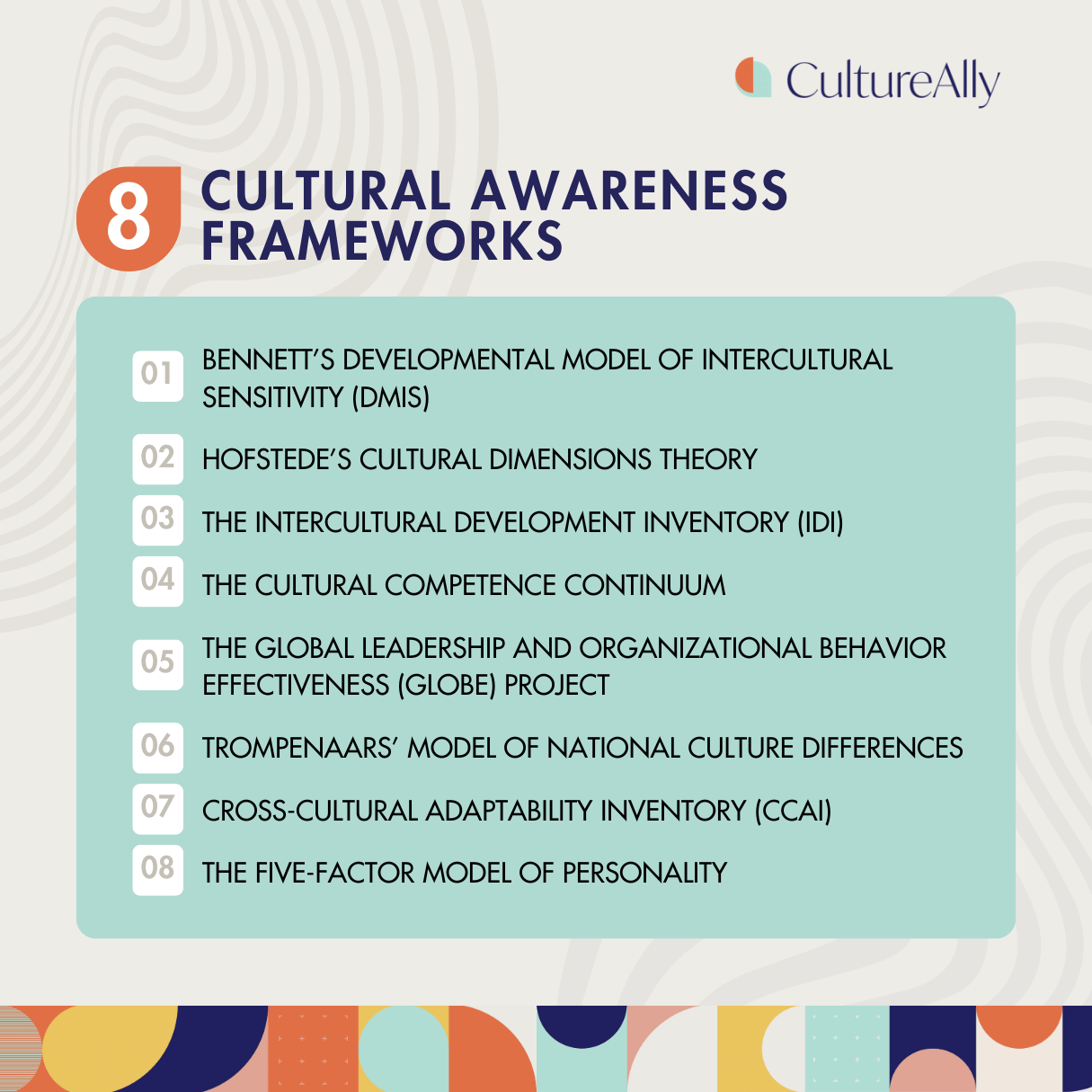
The Strategic Definition: Cultural Awareness as a Brand Asset
To define cultural awareness within the niche of brand strategy, one must look beyond the surface-level appreciation of different holidays or languages. It is a multi-dimensional framework that influences every touchpoint of the consumer journey. Strategically, it is the proactive integration of cultural intelligence into the brand’s core DNA.
Beyond Basic Etiquette
Many organizations mistake cultural awareness for a simple checklist of “dos and don’ts” when entering a new market. However, the best definition involves a deep psychological understanding of the “why” behind consumer behaviors. For a brand, this means moving past “cultural sensitivity”—which is passive—into “cultural competence,” which is active and applied. It involves understanding how collective history, religion, and social hierarchies dictate how a consumer perceives value, authority, and community.
When a brand masters this, it transforms from a foreign entity into a local ally. This transition is essential for building brand equity in regions with high levels of cultural pride. By embedding cultural awareness into the brand strategy, companies can navigate the complexities of “Glocalization”—the practice of conducting business according to both local and global considerations.
Perception Trumps Intention
In brand management, the intention behind a campaign matters far less than the audience’s perception. Cultural awareness is the tool that bridges the gap between what a brand intended to say and what the consumer actually heard. A brand might intend to project “freedom and independence,” but in a collectivist culture, that same imagery might be perceived as “isolation and selfishness.”
Defining cultural awareness as the management of perception allows brand strategists to conduct “cultural audits” before any major launch. This involves testing visual assets, taglines, and even color palettes against the cultural backdrop of the target demographic to ensure the intended message remains intact.
The Role of Cultural Awareness in Corporate Identity and Design
A brand’s identity is its visual and verbal shorthand. Cultural awareness plays a pivotal role in how this identity is constructed and adapted. When a brand scales globally, its corporate identity must be flexible enough to accommodate local nuances without losing its soul.
The Semiotics of Branding
Semiotics—the study of signs and symbols—is the heartbeat of cultural awareness in design. Colors, for instance, carry vastly different meanings across borders. While white represents purity and high-end minimalism in many Western markets, it is the color of mourning in parts of Asia. Similarly, certain shapes or animals that signify power in one culture might be considered taboo or unlucky in another.
The best definition of cultural awareness in design is the ability to decode these symbols and re-code them to fit the brand’s narrative. This doesn’t mean changing the logo for every country; rather, it means understanding how the visual elements of the brand interact with local visual languages. High-performing brands use cultural awareness to select secondary color palettes or imagery that align with the aesthetic values of their regional audiences.
Linguistic Nuance and Transcreation
In brand strategy, translation is often insufficient. Cultural awareness demands “transcreation”—the process of adapting a message from one language to another while maintaining its intent, style, tone, and context. A literal translation of a slogan can lead to embarrassing blunders that suggest a lack of respect for the local consumer.
Cultural awareness in linguistics means understanding idioms, slang, and the emotional weight of certain words. It also involves recognizing the power of “vocalics”—the tone and pitch used in audio branding and video content. A professional and authoritative tone in Germany might be perceived as cold in Brazil, where a more warm and personable approach is preferred. Brands that define cultural awareness through linguistic precision are able to speak to their customers, rather than just speaking at them.
Implementing Cultural Awareness in Marketing and Content Strategy
Marketing is where cultural awareness is most visible and where its absence is most felt. A culturally aware marketing strategy does not treat a demographic as a monolith; it acknowledges the internal diversity within cultures.

Visual Communication and Representation
Representation is a key pillar of modern brand strategy. However, superficial representation—often referred to as “tokenism”—is easily spotted and widely criticized. True cultural awareness in marketing involves an authentic portrayal of different lifestyles and values. This means hiring local creators, photographers, and consultants who live and breathe the culture being targeted.
When a brand creates content that reflects the lived reality of its audience, it fosters a sense of belonging. For example, a global beauty brand must understand that “beauty standards” are not universal. Cultural awareness allows the brand to pivot its imagery to celebrate local features and traditions, thereby making the brand more accessible and aspirational in that specific market.
Seasonal Relevance and Occasion-Based Marketing
Cultural awareness also dictates the timing and relevance of marketing efforts. While Black Friday is a massive retail event in the United States, it may hold little weight in other regions compared to Lunar New Year, Diwali, or Ramadan.
A brand that defines cultural awareness through its calendar knows when to lean in and when to pull back. It understands the significance of these occasions beyond the potential for sales. Engaging with cultural holidays requires a delicate balance; it must feel like a genuine celebration of the community rather than an opportunistic “cash grab.” Brands that master this balance use cultural awareness to participate in the “cultural conversation” in a way that feels organic and respectful.
The Financial and Reputational Impact of Cultural Competence
Why is the best definition of cultural awareness so focused on strategy? Because the stakes are financial. Cultural ignorance is a liability that can lead to boycotts, legal hurdles, and the loss of market share.
Mitigating Risk in International Expansion
When a brand enters a new territory, it is essentially a guest. Cultural awareness is the “social intelligence” required to navigate the local business environment. This includes understanding the etiquette of negotiations, the role of hierarchy in corporate structures, and the expectations of customer service.
Brands that lack cultural awareness often face “regulatory friction”—misunderstandings with local governments or trade bodies that can be traced back to a lack of cultural alignment. Conversely, brands that invest in cultural intelligence can navigate these complexities more smoothly, establishing long-term partnerships and securing a competitive advantage over rivals who remain “culture-blind.”
Consumer Trust and Long-Term Loyalty
In a saturated market, consumers gravitate toward brands that “get them.” Cultural awareness is a shortcut to emotional resonance. When a consumer feels that a brand understands their heritage and respects their values, they are more likely to become brand advocates.
This loyalty is a form of “social capital” that protects the brand during times of crisis. A brand that has consistently demonstrated cultural awareness is more likely to be forgiven for a minor mistake than a brand that has historically ignored or marginalized local cultures. In this context, cultural awareness is an insurance policy for the brand’s reputation.
Developing a Cultural Awareness Framework for Your Brand
To move from a definition to an application, brand managers must implement a structured framework for cultural awareness. This ensures that the concept is not just an abstract ideal but a measurable part of the business process.
The Research and Audit Pillar
The first step in any brand strategy should be a deep-dive cultural audit. This involves more than just market research on buying habits; it requires “ethnographic research”—observing how people live, interact, and use products in their natural environment.
A brand must ask:
- What are the core values of this society (e.g., individualism vs. collectivism)?
- How is authority perceived?
- What are the historical sensitivities that must be avoided?
- How does the brand’s current identity conflict with or complement these values?
Engaging Local Stakeholders
The most effective way to ensure cultural awareness is to have a diverse team at the decision-making table. This includes local employees, regional marketing agencies, and cultural consultants. These stakeholders act as a “cultural compass,” providing real-time feedback on how strategies will be received on the ground.
Empowering local teams to adapt global assets is a hallmark of a culturally aware brand. Instead of a top-down approach where headquarters dictates every move, a “center-out” approach allows the core brand values to remain consistent while giving regional offices the autonomy to tailor the execution to their specific cultural context.
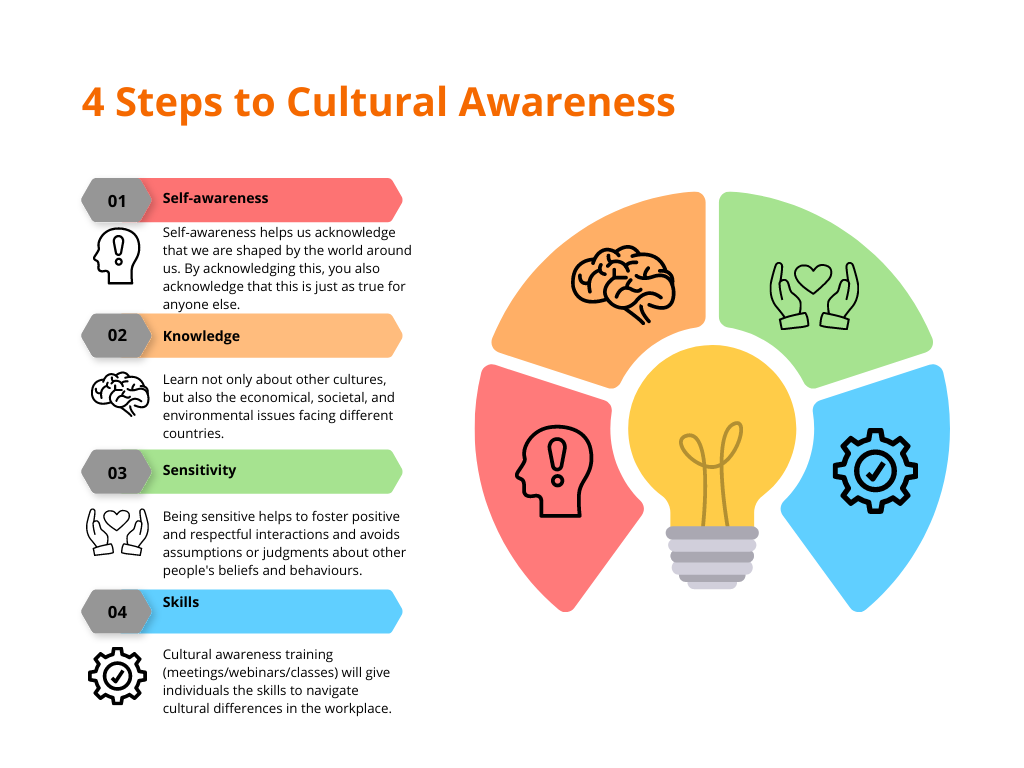
The Future of Culturally Conscious Branding
As the digital world becomes more interconnected, the definition of cultural awareness continues to evolve. We are moving toward a “post-geographic” cultural landscape where subcultures and digital communities are as significant as national borders.
Modern brands must now be aware of “digital culture,” “internet linguistics,” and the shifting values of younger generations who prioritize social justice and sustainability. In this environment, the best definition of cultural awareness is an ongoing commitment to learning and adaptation. It is a journey, not a destination. Brands that treat cultural awareness as a core competency will not only survive in the global marketplace—they will lead it.
aViewFromTheCave is a participant in the Amazon Services LLC Associates Program, an affiliate advertising program designed to provide a means for sites to earn advertising fees by advertising and linking to Amazon.com. Amazon, the Amazon logo, AmazonSupply, and the AmazonSupply logo are trademarks of Amazon.com, Inc. or its affiliates. As an Amazon Associate we earn affiliate commissions from qualifying purchases.