
In the hyper-competitive landscape of global fashion, the question of what constitutes the “best” clothing brand is rarely answered by a single name. From a strategic branding perspective, the “best” is not merely the company with the highest sales volume or the most expensive price tags. Instead, it is the brand that achieves the highest level of brand equity—a combination of consumer perception, emotional resonance, and market longevity. To identify the leaders in this space, we must look beyond the fabric and examine the sophisticated brand strategies that allow certain labels to dominate the cultural zeitgeist while maintaining a robust bottom line.
Defining the “Best” Through the Lens of Brand Strategy
When marketing professionals and brand strategists evaluate the strength of a clothing brand, they utilize frameworks that measure intangible assets. The “best” brand is one that has successfully transitioned from a mere provider of functional apparel to a symbolic representation of its customers’ values and aspirations.
The Power of Brand Equity
Brand equity is the commercial value that derives from consumer perception of the brand name of a particular product, rather than from the product itself. In the clothing industry, this is what allows a brand to charge a premium for a white cotton t-shirt that is physically identical to a generic version. High-equity brands like Nike or Ralph Lauren have spent decades cultivating a specific image that promises quality, status, or performance. This equity acts as a moat, protecting the brand from competitors and economic downturns because customers are loyal to the identity the brand provides, not just the utility of the garment.
Emotional Resonance and Consumer Loyalty
The hallmark of a top-tier brand is its ability to create an emotional connection. This is often achieved through consistent storytelling. A brand like Patagonia doesn’t just sell outdoor gear; it sells the idea of environmental stewardship. When a consumer wears a Patagonia fleece, they are signaling their commitment to the planet. This psychological alignment creates a level of loyalty that is nearly impossible to break. The “best” brand is the one that manages to become a part of the consumer’s self-identity.
The Dominance of Nike: A Case Study in Performance and Lifestyle Integration
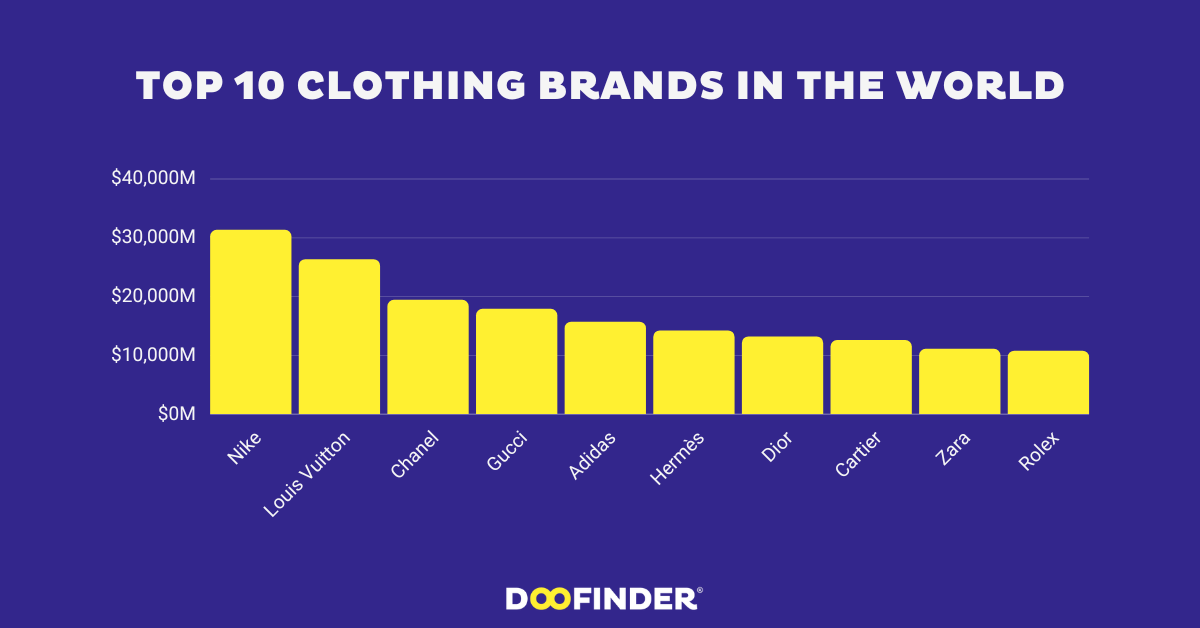
If we measure “best” by market capitalization and global recognition, Nike consistently tops the list. Their success is a masterclass in brand positioning and the seamless integration of performance technology with lifestyle aesthetics.
Storytelling as a Core Competency
Nike’s brand strategy has never been about the technical specifications of a shoe’s rubber sole or the breathability of its fabric. Instead, Nike sells “greatness.” Through their “Just Do It” campaign—one of the most successful marketing initiatives in history—they shifted the narrative from the product to the user. By associating their brand with elite athletes like Michael Jordan, Serena Williams, and Cristiano Ronaldo, Nike positioned itself as the facilitator of human potential. This narrative-driven approach allows them to transcend the sports world and permeate the broader lifestyle and fashion markets.
The “Swoosh” as a Universal Symbol
The Nike Swoosh is perhaps the most recognizable corporate logo in the world. Its simplicity allows it to be applied across a vast range of products without losing its impact. Strategically, Nike has utilized scarcity and collaboration to maintain its “cool” factor. By partnering with high-fashion designers like Virgil Abloh or luxury houses like Dior, Nike ensures it remains relevant to the high-end consumer while still dominating the mass market. This “pyramid” strategy—where elite, limited-edition products drive desire for the more accessible mass-market goods—is a cornerstone of their brand dominance.
Luxury and Legacy: The Strategic Positioning of LVMH and Rolex
In the luxury sector, the “best” brand is defined by exclusivity, heritage, and the ability to maintain value over time. Brands under the LVMH umbrella, such as Louis Vuitton and Dior, alongside independent giants like Rolex, represent the pinnacle of corporate identity in fashion.
Scarcity and Aspirational Marketing
Luxury brands operate on the “Veblen effect,” where the demand for a product increases as its price increases, often because it serves as a status symbol. The strategic genius of brands like Louis Vuitton lies in their ability to scale while maintaining an aura of exclusivity. They achieve this through meticulous control over their distribution channels—you won’t find genuine Louis Vuitton products in a third-party department store. By controlling the environment in which the brand is experienced, they protect the brand’s premium perception.
Heritage as a Competitive Advantage
For many consumers, the best brand is the one with the deepest roots. Heritage branding leverages history to imply a level of craftsmanship and reliability that new entrants cannot replicate. Rolex, for instance, has cultivated a brand identity centered on “timelessness.” Their marketing doesn’t focus on the latest features; it focuses on the idea that a Rolex is an heirloom. This long-term strategic view ensures that the brand remains decoupled from fleeting fashion trends, making it a “best” choice for those seeking enduring value.
The Rise of Purpose-Driven Branding: The Patagonia Model
In the modern era, a new contender for the “best” clothing brand has emerged: the purpose-driven brand. As consumer values shift toward sustainability and social responsibility, brands that prioritize ethics over pure profit are gaining significant market share and brand loyalty.
Radical Transparency and Value Alignment
Patagonia is the gold standard for this model. Their “Don’t Buy This Jacket” advertisement in the New York Times was a revolutionary branding move. By telling customers to think twice before purchasing, they built immense trust and reinforced their commitment to reducing environmental impact. This radical transparency creates a “tribe” of followers who are fiercely loyal. From a brand strategy perspective, Patagonia has successfully commodified its values, making its logo a badge of honor for the socially conscious consumer.
Turning Anti-Consumerism into Growth
Paradoxically, by leaning into anti-consumerist messaging, Patagonia has seen explosive growth. This demonstrates that for a segment of the market, the “best” brand is the one that helps them live according to their ethical standards. The strategy here is “authenticity.” In an age of “greenwashing,” Patagonia’s long-term consistency in its environmental activism makes its brand identity nearly bulletproof. They have moved beyond being a clothing company to being a political and social entity, which is the ultimate form of brand engagement.
The Future of Branding: Technology and Personalization
As we look forward, the title of the “best” clothing brand may soon belong to those who best navigate the intersection of fashion and technology. The traditional models of branding are being disrupted by data-driven personalization and digital experiences.
Digital Identity and the Metaverse
We are entering an era where our digital avatars may be as important as our physical selves. Brands like Gucci and Adidas are already investing heavily in digital apparel and NFTs. The “best” brand of the future might be one that offers a seamless transition between physical and digital wardrobes. This requires a shift in brand strategy from manufacturing physical goods to managing digital assets and intellectual property. The focus shifts from the tactile quality of a garment to the social capital of a digital file.
Data-Driven Personalization
In the mass market, the “best” brand is increasingly the one that knows its customer best. Direct-to-consumer (DTC) brands use data analytics to bypass traditional retailers and build one-on-one relationships with their audience. By analyzing purchasing patterns and social media interactions, these brands can offer highly personalized recommendations and products. This level of intimacy creates a new kind of brand loyalty based on convenience and relevance rather than just image or heritage.
In conclusion, the quest to identify the “best” clothing brand reveals that the answer is contingent upon the strategic metrics used. For global reach and cultural impact, Nike remains unparalleled. For status and investment value, the titans of luxury like Louis Vuitton and Rolex hold the crown. For those seeking ethical alignment, Patagonia stands alone. Ultimately, the best clothing brand is the one that most effectively communicates its unique value proposition to its target audience, creating a lasting bond that transcends the transactional nature of commerce. Branding, at its core, is the art of differentiation, and the best brands are those that have mastered the art of being irreplaceable in the minds of their consumers.
aViewFromTheCave is a participant in the Amazon Services LLC Associates Program, an affiliate advertising program designed to provide a means for sites to earn advertising fees by advertising and linking to Amazon.com. Amazon, the Amazon logo, AmazonSupply, and the AmazonSupply logo are trademarks of Amazon.com, Inc. or its affiliates. As an Amazon Associate we earn affiliate commissions from qualifying purchases.