
Since its inception as a hidden post-credits easter egg in 2008’s World at War, the Call of Duty Zombies mode has evolved from a simplistic wave-based survival script into one of the most sophisticated cooperative gaming ecosystems in the industry. To determine the “best” version of Zombies, one must look beyond subjective gameplay preferences and analyze the technical milestones, engine optimizations, and software architectures that have defined the experience over the last fifteen years.
The progression of the mode is a study in how developers manage hardware constraints, optimize AI pathfinding for massive entity counts, and transition from localized scripts to globalized, persistent online services. When evaluating the franchise through a technical lens, the “best” entry is the one that achieved the perfect equilibrium between atmospheric density and software stability.
The Engineering Foundations: From Scripted Mod to Proprietary System
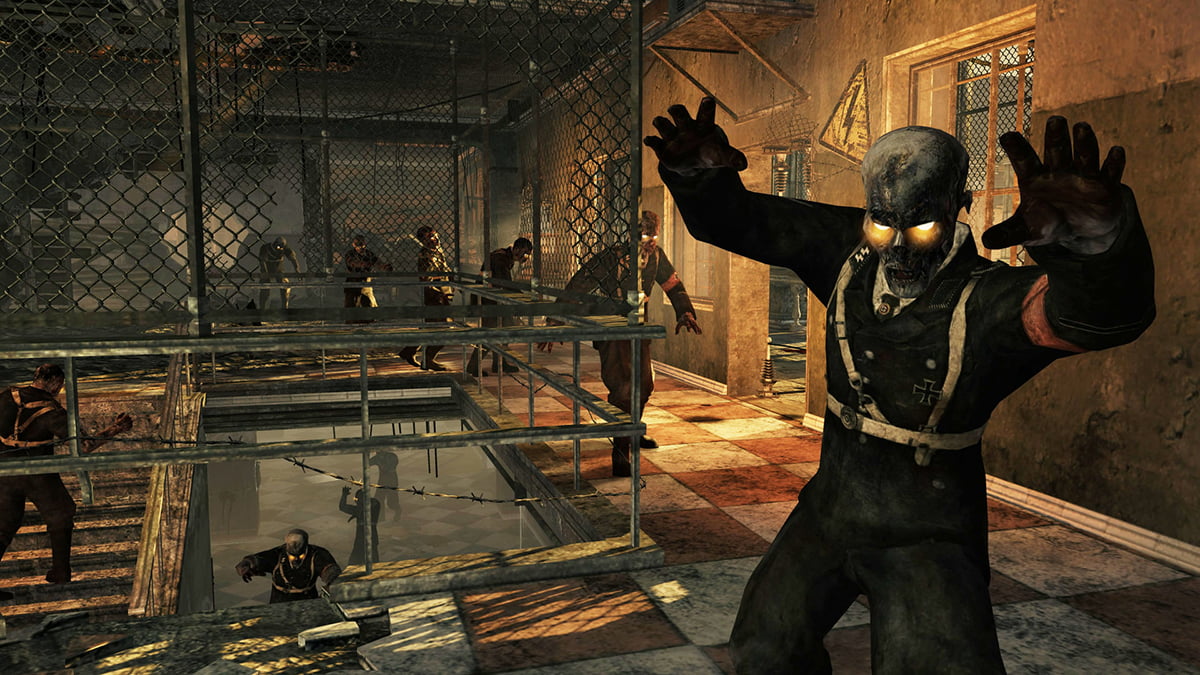
The origins of Zombies are rooted in the limitations of the IW 3.0 engine. Originally a side project by a small team of developers at Treyarch, the mode utilized existing assets and animations from the campaign to create a rudimentary survival loop. However, the technical success of this “mod” paved the way for more complex software iterations.
The World at War Era and Early Scripting Constraints
In the early days of Nacht der Untoten, the AI logic was remarkably simple. Zombies functioned on basic “chase” scripts with minimal pathfinding intelligence. The technical challenge at the time was ensuring the engine could handle the simultaneous rendering of multiple character models without dropping frames on the then-current PlayStation 3 and Xbox 360 hardware.
As the mode progressed into the Black Ops 1 era, the software architecture expanded to include complex “Easter Egg” sequences—essentially multi-stage quest lines triggered by specific environmental interactions. This required a robust state-tracking system within the game’s memory, ensuring that players’ progress through a map’s narrative remained synced across the network, even as the intensity of the entity spawning increased.
Scaling the Infrastructure in the Black Ops Series
The jump from Black Ops 2 to Black Ops 3 represented the most significant technical leap in the series. This era saw the introduction of the 64-bit engine architecture, which effectively removed the “memory ceiling” that had plagued earlier iterations. With more RAM addressable by the software, developers could implement higher-resolution textures, more complex particle effects for “Wonder Weapons,” and larger map sizes without sacrificing the 60-frames-per-second target that is vital for the Call of Duty user experience.
Algorithmic Complexity: AI Pathfinding and Entity Management
At the heart of the Zombies experience is the management of the horde. From a software engineering perspective, the “best” Zombies game is the one that manages the highest number of active agents (zombies) with the lowest CPU overhead. This involves sophisticated pathfinding algorithms and dynamic spawning systems.
Navigation Mesh Systems and Adaptive Pathing
The technical sophistication of a Zombies map is often hidden in its “NavMesh”—the invisible layer that tells AI agents where they can and cannot walk. In earlier maps, the NavMesh was static and relatively linear. However, as maps grew in verticality and complexity (such as Origins or Shadows of Evil), the pathfinding had to become more adaptive.
Developers implemented A* (A-Star) search algorithms to allow zombies to recalculate their path in real-time based on player movement and environmental obstacles. This became particularly challenging with the introduction of “boss” entities, which required unique hitboxes and movement speeds. The technical feat of Black Ops 3 was its ability to manage these complex NavMeshes while maintaining a “fluid” feel to the horde, preventing entities from clipping into one another or getting stuck in the geometry.
The Performance Overhead of Special Rounds and Boss Entities
As the mode matured, the variety of enemies increased. Introducing dogs, spiders, and teleporting entities required the engine to handle multiple AI archetypes simultaneously. Each archetype has its own logic tree and animation set. The “best” iterations of the mode are those where the entity management system can prioritize rendering and logic cycles for the enemies closest to the player, a technique known as “level of detail” (LOD) for AI logic. This ensures that even when 30+ zombies are on screen, the game does not suffer from “simulation lag,” where the game world’s logic slows down while the frame rate stays high.

Graphical Architecture and Asset Optimization
The visual identity of Zombies has shifted from the gritty, desaturated tones of World War II to the vibrant, lovecraftian aesthetics of later entries. This shift was made possible by advancements in rendering technology and lighting models.
Lighting Models and Atmospheric Rendering
One of the reasons Black Ops 3 is often cited as the technical pinnacle of the series is its use of deferred lighting and advanced post-processing. Atmospheric effects like fog, “gobblegum” glows, and the ethereal energy of the Pack-a-Punch machine require significant GPU resources. By utilizing a deferred rendering pipeline, the engine could handle hundreds of dynamic light sources—such as the muzzle flashes from four players firing automatic weapons—without the exponential performance cost associated with older forward-rendering techniques.
Furthermore, the introduction of Physically Based Rendering (PBR) allowed for more realistic interactions between light and various surfaces (metal, blood, stone). This technical addition was crucial for creating the “immersion” that fans praise in maps like Der Eisendrache.
The Role of Modularity in Map Design
To manage the massive scale of modern maps, Treyarch utilized a modular design philosophy. Instead of loading an entire map into memory at once, the engine uses “streaming zones.” As players move from one area of a map to another, the software intelligently de-loads distant assets and brings in new ones. The efficiency of this “asset streaming” determines how much detail a map can have. The “best” Zombies experience is arguably the one where these transitions are invisible to the user, providing a seamless world that feels much larger than the hardware should technically be able to support.
Network Engineering and the Transition to Persistent Ecosystems
In the modern era of Call of Duty, Zombies has transitioned from a local/co-op mode to a fully integrated part of a live-service ecosystem. This has introduced new technical challenges regarding netcode, server stability, and data persistence.
Peer-to-Peer Synchronization vs. Dedicated Server Architecture
For years, Zombies relied on Peer-to-Peer (P2P) networking, where one player acted as the host. This was technically efficient for the developer but often resulted in “host migration” issues or game-ending lag if the host’s connection faltered. Starting with Black Ops 4 and moving into the unified Call of Duty engine used in Modern Warfare III (2023), there has been a shift toward dedicated servers.
Dedicated servers provide a more stable environment for the complex calculations required for high-round survival. This is especially important in the modern “MWZ” (Modern Warfare Zombies) mode, which features an open-world environment with 24 simultaneous players. The networking feat here is massive: syncing AI positions, loot drops, and player movements across a massive map in real-time.
The Integration of the Unified Engine in the Modern Era
With the move to a unified engine across all Call of Duty titles, Zombies now shares the same technical framework as Warzone. This allows for superior movement mechanics (such as tactical sprinting and mantling) and much better cross-platform compatibility. However, this transition also means the mode must adhere to the rigorous optimization standards of a competitive battle royale, leading to a “cleaner” but sometimes less “stylized” technical presentation.
The Technical Verdict: Why Black Ops 3 Remains the Benchmark
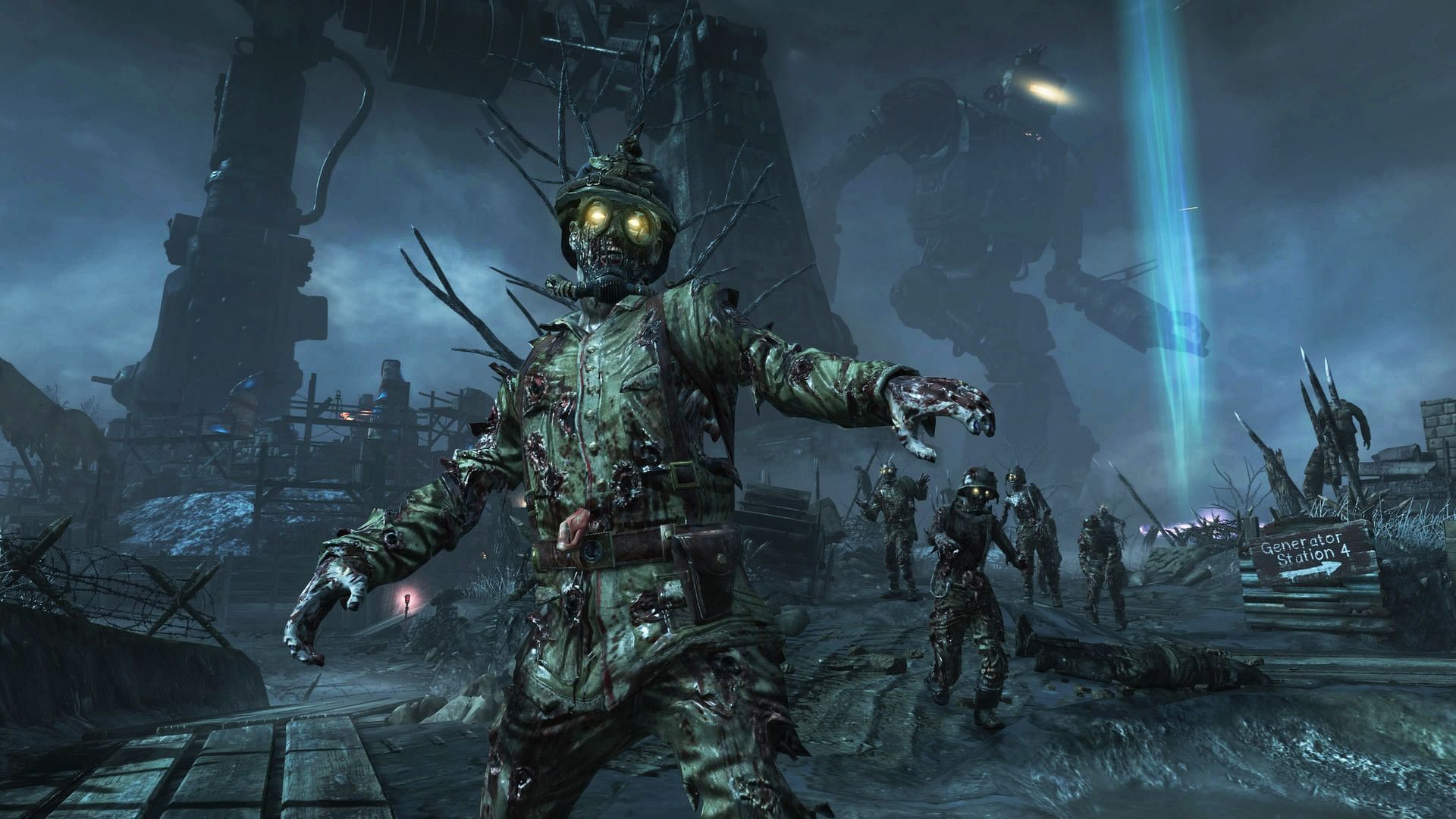
When evaluating “what is the best Call of Duty Zombies” from a technical and software perspective, Black Ops 3 remains the definitive benchmark for several key reasons:
- Architecture: It was the first title to fully leverage 64-bit systems, providing the necessary memory overhead for the most complex maps in the series.
- Extensibility: The release of the “Black Ops 3 Mod Tools” (a full SDK) allowed the community to see under the hood. The modularity and robustness of the game’s scripting language (GSC) proved to be incredibly resilient, allowing for years of community-driven content that often rivals the official maps in technical complexity.
- Visual Balance: It hit the “sweet spot” of the PBR rendering era—providing high-fidelity visuals that still run at high frame rates on a wide variety of hardware configurations.
- Polish: The entity management system in Black Ops 3 is widely considered the most refined. The way zombies “clump” and “train” follows a predictable yet challenging algorithmic pattern that has been difficult for later engines to replicate with the same level of tactile feedback.
While modern iterations like Cold War introduced technical innovations such as “Mantle” and a more streamlined upgrade system, they often struggled with the visual “soul” and the bespoke asset density found in the mid-2010s. For the professional analyst, the “best” Zombies is the one that pushed the hardware of its time to its absolute limit while providing the most stable platform for both developers and the community. By those metrics, the technical crown remains firmly with the third iteration of the Black Ops sub-franchise.
aViewFromTheCave is a participant in the Amazon Services LLC Associates Program, an affiliate advertising program designed to provide a means for sites to earn advertising fees by advertising and linking to Amazon.com. Amazon, the Amazon logo, AmazonSupply, and the AmazonSupply logo are trademarks of Amazon.com, Inc. or its affiliates. As an Amazon Associate we earn affiliate commissions from qualifying purchases.