
In the vast landscape of American finance, the question “What is the best bank in America?” is a common one, yet it harbors a fundamental misconception. There isn’t a single, universally superior bank that caters to the diverse needs and financial aspirations of every individual or business across the nation. Instead, the “best” bank is a deeply personal choice, meticulously tailored to your unique financial situation, priorities, and long-term goals.
Navigating the multitude of options—from colossal national chains to community-focused credit unions and innovative online platforms—can feel overwhelming. However, by understanding what truly defines an ideal financial partner for you, you can confidently select an institution that not only safeguards your money but also actively supports your financial growth and convenience. This article will guide you through the critical considerations, helping you delineate your priorities and empower you to make an informed decision that aligns perfectly with your monetary objectives.

Defining “Best”: A Personal Quest, Not a Universal Answer
The pursuit of the “best” bank is often misguided by the notion that a single entity can dominate every aspect of banking for all customers. In reality, what constitutes excellence in banking is highly subjective, influenced by individual spending habits, savings goals, geographic location, and preferred methods of interaction.
The Myth of the Single Best Bank
To declare one bank unequivocally “the best” would be to ignore the intricate tapestry of financial services and customer needs. A bank lauded for its extensive branch network might be irrelevant to someone who conducts all their banking online. Conversely, a digital-only bank celebrated for its high-yield savings accounts might not suit a small business owner who regularly needs to deposit cash. The financial industry is too complex, and customer requirements too varied, for a one-size-fits-all solution. Each institution has its strengths and weaknesses, often specializing in certain services or catering to specific demographics. Understanding this diversity is the first step toward finding your best bank.
Identifying Your Core Banking Needs
Before you even begin comparing banks, it’s crucial to conduct a thorough self-assessment of your financial habits and requirements. Ask yourself:
- What are your primary banking activities? Do you mostly deposit paychecks, pay bills online, or frequently use ATMs?
- How often do you interact with a bank? Do you prefer in-person transactions, or are you comfortable with mobile and online banking?
- What are your savings goals? Are you looking for high-yield savings accounts, or do you prioritize easy access to funds?
- Do you need specialized services? This might include mortgages, personal loans, investment services, or business banking features.
- What is your tolerance for fees? Are you willing to pay monthly maintenance fees for certain perks, or do you prefer a no-fee model?
- Where do you live/work? Is a local branch important, or are you comfortable with a national or online presence?
By answering these questions, you create a personalized checklist that will serve as your compass in the search for the ideal financial institution. This preliminary step narrows down the field considerably, allowing you to focus on banks that genuinely meet your criteria.
Key Factors to Consider When Choosing a Bank
Once you understand your needs, the next step is to evaluate potential banks against a set of critical criteria. These factors will directly impact your day-to-day financial experience and your ability to achieve your long-term monetary objectives.
Fees and Charges: Unpacking the Costs
Bank fees can quickly erode your savings and add unnecessary stress to your finances. It’s imperative to scrutinize fee schedules closely. Look for:
- Monthly maintenance fees: Can these be waived by maintaining a minimum balance, setting up direct deposit, or meeting other criteria?
- ATM fees: Do they charge for out-of-network ATM usage, and do they offer rebates for such fees?
- Overdraft fees: How much are they, and do they offer overdraft protection services?
- Wire transfer fees: Essential for certain transactions, these can vary significantly.
- Other miscellaneous fees: Check for charges related to dormant accounts, paper statements, or debit card replacement.
The “best” bank often minimizes these costs or makes them easily avoidable for the average customer.
Interest Rates: Maximizing Your Savings and Minimizing Borrowing Costs
While checking accounts typically offer negligible interest, savings accounts, money market accounts, and Certificates of Deposit (CDs) can provide meaningful returns.
- Savings rates: Compare Annual Percentage Yields (APYs) across different banks. Online banks frequently offer higher APYs due to lower overhead costs.
- Loan rates: If you anticipate needing loans (personal loans, auto loans, mortgages), consider banks that offer competitive interest rates to their customers. A favorable interest rate on a savings account means your money works harder for you, while a low loan rate saves you money on borrowing.
Accessibility: Branches, ATMs, and Digital Platforms
How you access your money and bank services is a crucial consideration for convenience.
- Branch network: If you prefer in-person interactions for complex transactions, cash deposits, or face-to-face advice, a bank with a robust local branch presence is vital.
- ATM access: Does the bank have a large, fee-free ATM network? This is particularly important for cash withdrawals and deposits. Some banks reimburse fees from out-of-network ATMs.
- Online and mobile banking: In today’s digital age, a user-friendly and feature-rich online portal and mobile app are non-negotiable. Look for features like mobile check deposit, bill pay, peer-to-peer payments, transaction alerts, and budgeting tools. The ease of managing your money on the go is a significant factor.
Customer Service: Support When You Need It
When issues arise, prompt and effective customer service is invaluable.
- Availability: Do they offer 24/7 support via phone, chat, or email?
- Quality: Read reviews about customer service experiences. Are representatives knowledgeable, helpful, and responsive?
- Resolution: How quickly and effectively are problems resolved? Good customer service can turn a frustrating banking issue into a minor inconvenience.
Product Offerings: Beyond Checking and Savings
A truly comprehensive financial partner offers a range of products and services that can evolve with your needs.
- Investment services: Do they offer brokerage accounts, IRAs, or financial advisory services?
- Lending options: Beyond personal loans, consider mortgages, auto loans, and lines of credit.
- Credit cards: Do they offer competitive credit card products with rewards or low interest rates?
- Business banking: If you’re a small business owner, specific business checking, savings, and loan products are essential.
Choosing a bank that can accommodate multiple financial needs can streamline your financial life and sometimes even unlock preferential rates or benefits.
Security and Reliability: Protecting Your Assets
The safety of your money is paramount.
- FDIC insurance: Ensure the bank is insured by the Federal Deposit Insurance Corporation (FDIC), protecting your deposits up to $250,000 per depositor, per ownership category.
- NCUA insurance: For credit unions, ensure they are insured by the National Credit Union Administration (NCUA), offering similar protection.
- Cybersecurity: Investigate the bank’s security measures for online and mobile banking, including encryption, multi-factor authentication, and fraud detection.
A reputable bank prioritizes the security of your funds and personal information, offering peace of mind.
Types of Financial Institutions: Exploring Your Options
The American banking landscape is broadly categorized into a few distinct types, each with its own advantages and disadvantages. Understanding these differences will help you align your needs with the right kind of institution.
Traditional Brick-and-Mortar Banks: The Familiar Choice
These are the national and regional banks with physical branches that many people grew up with.
- Pros: Widespread branch and ATM networks, in-person customer service, a full suite of financial products (loans, mortgages, investment services), often perceived as stable and reliable.
- Cons: Often higher fees (especially monthly maintenance fees), lower interest rates on savings accounts, potentially slower adoption of cutting-edge digital features compared to online-only banks.
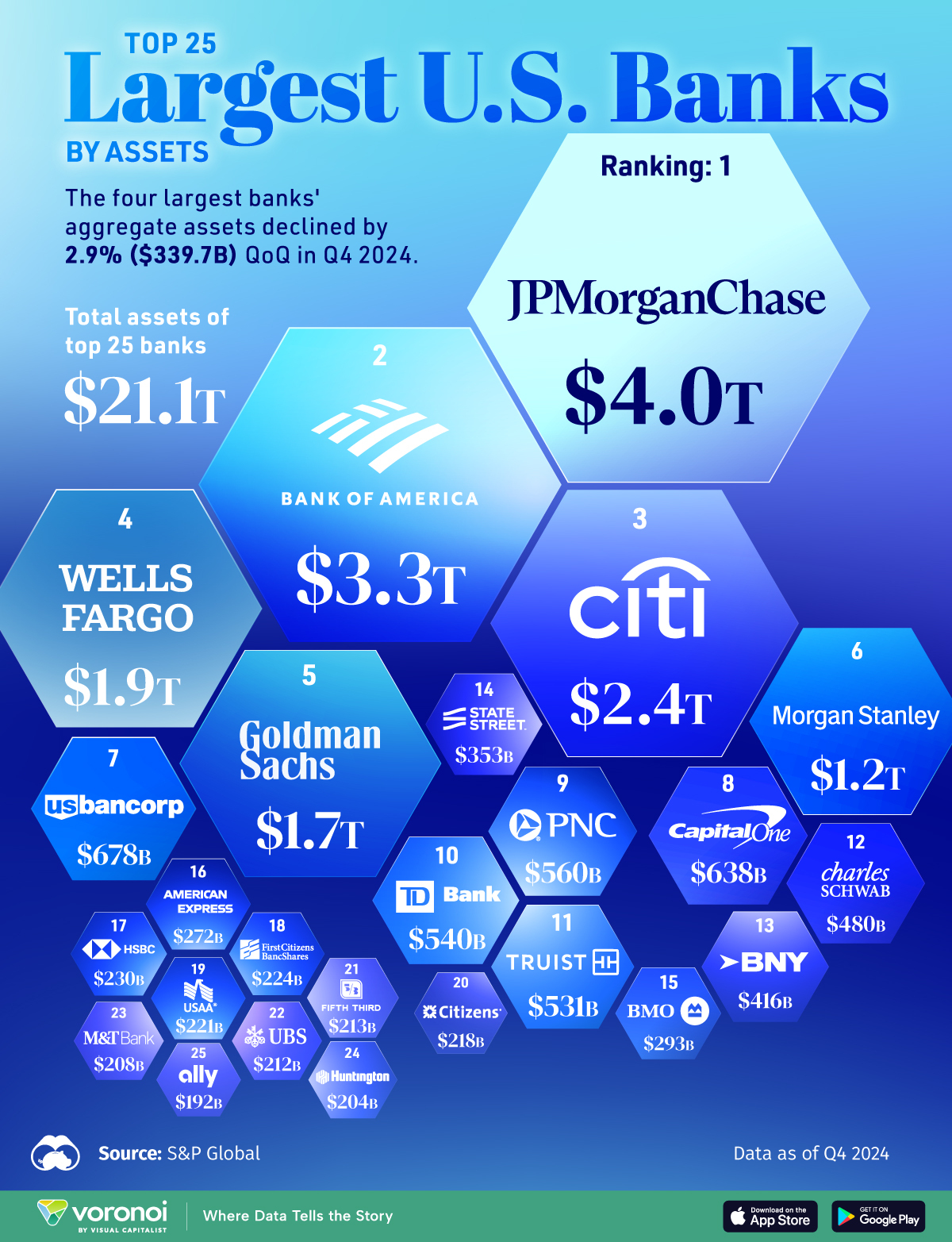
- Best for: Individuals who prefer face-to-face interactions, need frequent cash services, have complex financial needs that benefit from personal advice, or require a local presence for business banking. Examples include Chase, Bank of America, Wells Fargo, and various regional banks.
Online-Only Banks: Embracing Digital Efficiency
These institutions operate exclusively online, without physical branches.
- Pros: Typically offer higher interest rates on savings accounts due to lower overhead, often have fewer fees (or easily waivable ones), and boast highly advanced and user-friendly online/mobile banking platforms. Many offer extensive fee-free ATM networks through partnerships.
- Cons: No physical branches for in-person support, cash deposits can be more challenging (often requiring third-party services or money orders), less suitable for those who prefer direct human interaction for every transaction.
- Best for: Tech-savvy individuals comfortable managing finances digitally, those seeking high-yield savings accounts, people who rarely need cash services, and those prioritizing low fees and convenience. Examples include Ally Bank, Discover Bank, and Capital One 360.
Credit Unions: Member-Owned and Community-Focused
Credit unions are non-profit financial cooperatives owned by their members.
- Pros: Often offer lower loan rates, higher savings rates, fewer fees, and a more personalized, community-oriented customer service experience. Member-owned structure means profits are returned to members through better rates and services. Many are part of shared branching networks, allowing members to conduct transactions at other credit unions.
- Cons: Membership usually requires meeting specific criteria (e.g., living in a certain area, working for a particular employer, or belonging to an association), branch networks can be smaller than national banks, and digital banking features might not be as robust as leading online banks.
- Best for: Individuals seeking a community-oriented approach, personalized service, better rates on loans and savings, and who value the cooperative model. They are an excellent alternative for those who meet membership requirements.
The Comparison Process: How to Make an Informed Decision
Once you’ve identified your needs and understood the different types of institutions, it’s time to systematically compare your top contenders. This process requires a bit of research, but it’s an investment that pays off in financial satisfaction.
Leveraging Online Comparison Tools
Numerous financial websites offer comparison tools that allow you to pit banks against each other based on fees, interest rates, ATM networks, and specific product offerings. These tools can quickly narrow down your options by filtering for your most important criteria. Be sure to check multiple sources to get a comprehensive view, as data can sometimes vary or be outdated. These aggregators provide a good starting point for quantitative comparisons.
Reading Reviews and Seeking Recommendations
While online tools are excellent for objective data, customer reviews and personal recommendations provide qualitative insights into the banking experience. Websites like NerdWallet, Bankrate, or Consumer Reports offer expert reviews, alongside customer feedback. Pay attention to common complaints or praises regarding customer service, mobile app functionality, and fee transparency. Talk to friends, family, and colleagues about their banking experiences; personal referrals can offer valuable perspectives that official reviews might miss. However, remember that individual experiences can vary, so take reviews as one piece of the puzzle rather than the absolute truth.
Conducting a Personal Needs Assessment
Beyond general comparisons, create a personalized spreadsheet or checklist based on your core banking needs (identified earlier). Rank your top 3-5 bank choices against each of your criteria. For example:
- Fee-free checking: Does the bank offer this easily?
- High-yield savings: What’s the APY?
- ATM access: How many free ATMs near you?
- Mobile deposit limits: Are they sufficient for your needs?
- Customer service hours: Do they match your schedule?
This detailed comparison will help you visualize which bank best aligns with your specific financial lifestyle and priorities, making the final decision much clearer.
Making the Switch: A Smooth Transition
Once you’ve made your decision, switching banks doesn’t have to be a daunting task. A systematic approach ensures a smooth transition, minimizing any disruption to your financial life.
Steps to Open a New Account
- Gather required documents: Typically, you’ll need a government-issued ID (driver’s license, passport), your Social Security number, and potentially proof of address.
- Fund your new account: You can usually do this via an electronic transfer from an existing account, a mobile check deposit, or a wire transfer. Start with a small amount to activate the account.
- Set up online access: Immediately register for online and mobile banking with your new institution. Familiarize yourself with their digital tools and features.
- Order new debit cards and checks: Ensure you receive and activate these promptly.

Closing Your Old Account Responsibly
Do NOT close your old account until you’re absolutely certain all recurring transactions and funds have successfully transitioned to your new bank.
- Update direct deposits: Provide your new bank’s routing and account numbers to your employer, government benefits providers, or any other source of recurring income.
- Change automatic payments: Update all automatic bill payments (utilities, loan payments, subscriptions, credit cards) with your new account information. This is critical to avoid missed payments and late fees.
- Transfer remaining balance: Once all transactions are rerouted and confirmed, transfer any remaining funds from your old account to your new one.
- Formally close the account: Contact your old bank and formally request to close the account. Obtain written confirmation that the account is closed and has a zero balance. Keep this record for your files.
By diligently following these steps, you can seamlessly transition to your new financial partner, confident that you’ve chosen the best bank in America for your personal and financial prosperity. The “best” bank isn’t a fixed entity but rather a dynamic relationship that evolves with your life, and finding the right fit is a cornerstone of sound personal finance.
aViewFromTheCave is a participant in the Amazon Services LLC Associates Program, an affiliate advertising program designed to provide a means for sites to earn advertising fees by advertising and linking to Amazon.com. Amazon, the Amazon logo, AmazonSupply, and the AmazonSupply logo are trademarks of Amazon.com, Inc. or its affiliates. As an Amazon Associate we earn affiliate commissions from qualifying purchases.