
In the world of real estate development and property management, the objective of any renovation is to maximize the return on investment (ROI) while minimizing the “holding cost”—the time a property sits vacant during construction. One of the most efficient ways to modernize a kitchen or bathroom without the astronomical labor costs of a full “gut” renovation is the practice of tiling over existing tiles. However, the financial success of this strategy hinges entirely on the bond between the old surface and the new. Choosing the wrong adhesive doesn’t just lead to a minor repair; it leads to a total failure of the asset’s finish, potentially costing thousands in remedial work.
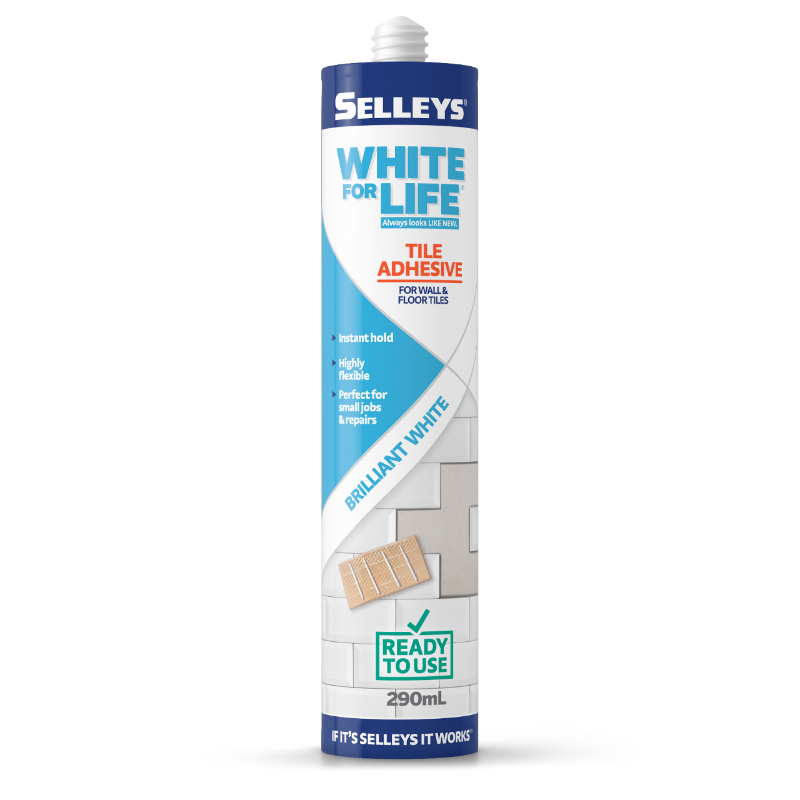
To protect your capital, you must view adhesive selection not as a hardware store errand, but as a risk management decision. This guide examines the best adhesives for tiling over tiles through the lens of financial efficiency, durability, and property value enhancement.
The Financial Case for Tiling Over Tiles
Before selecting a bonding agent, a savvy investor must understand the economic advantages of this method. Traditional tile removal is labor-intensive and produces significant debris, requiring disposal fees and expensive man-hours. In many metropolitan markets, the cost of demolition and disposal can range from $5 to $15 per square foot. By tiling over existing substrates, you effectively eliminate these line items from your budget.
Avoiding Demolition and Disposal Costs
The most immediate benefit is the preservation of capital. Demolition often reveals “hidden” problems—damaged subfloors, rusted plumbing, or antiquated electrical systems—that require immediate, unbudgeted remediation. Tiling over an existing, structurally sound surface allows for a predictable budget. The money saved on labor and dumpsters can then be reallocated toward higher-end tile selections that increase the property’s appraisal value.
Reducing Vacancy and “Speed to Market”
In the rental market, every day a unit is under construction is a day of lost revenue. A traditional rip-out and replace can take five to seven days for a standard bathroom. A “tile-over-tile” installation can often be completed in 48 hours. When you use high-performance, rapid-setting adhesives, you accelerate the timeline further, allowing for immediate grouting and foot traffic. From a cash-flow perspective, the extra $20 spent on a premium adhesive is a negligible expense compared to an extra week of rental income.
Identifying the Best Adhesive: The Financial ROI of Polymer-Modified Thin-set
The consensus among high-end contractors and real estate developers is that the “best” adhesive is not the cheapest. For a tile-on-tile application, a standard unmodified mortar is a liability. Instead, the industry standard for protecting your investment is a High-Performance, Polymer-Modified Thin-set Mortar.
The Chemistry of the Bond: Why It Matters for Your Asset
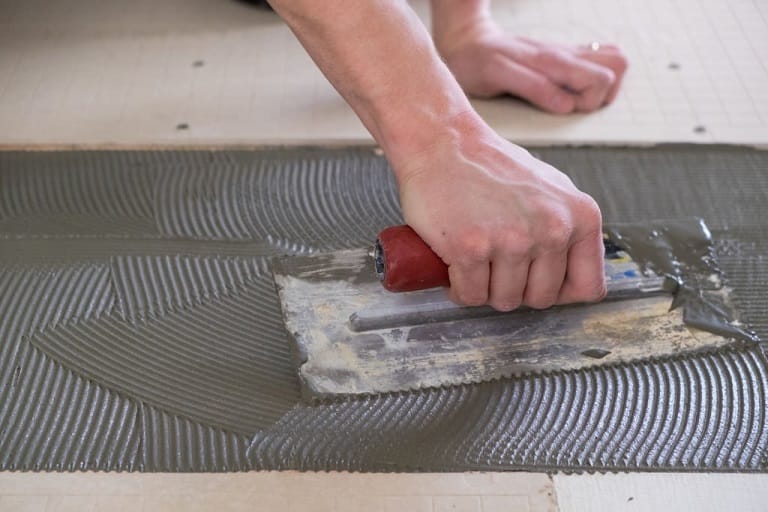
Standard mortars rely on a mechanical bond—the “fingers” of the mortar locking into the pores of the substrate. Because glazed tiles are non-porous, a mechanical bond cannot form. Polymer-modified thin-sets, however, utilize a chemical bond. These adhesives contain liquid latex or powdered polymers that act as a glue, adhering to the smooth, vitrified surface of the old tile.
From a business finance perspective, using a modified thin-set (meeting or exceeding ANSI A118.4 or A118.15 standards) is an insurance policy. If a tile cracks or delaminates in a high-traffic rental unit, the cost of the repair—including the specialized labor and potential tenant displacement—will far exceed the initial savings of a budget adhesive.
Epoxy Adhesives for High-Value Commercial Spaces
In commercial real estate, particularly in restaurant kitchens or high-end retail, the “best” adhesive is often an epoxy-based resin. While epoxy can be three to four times the price of polymer-modified thin-set, its financial justification lies in its chemical resistance and “zero-fail” track record. If you are renovating a commercial asset where downtime means thousands of dollars in lost sales, the extreme bond strength and waterproof nature of epoxy adhesive represent the most logical financial choice.
Mitigating Risks and Protecting Your Capital Investment
No adhesive, regardless of price or quality, will perform if the underlying asset is compromised. A “tile-over-tile” project is only a sound financial move if the original installation is structurally sound.
The “Hollow Sound” Test: A Due Diligence Requirement
Before authorizing a renovation, a property manager should perform a “soundness” audit. By tapping the existing tiles with a mallet, you can identify hollow spots where the old adhesive has failed. If more than 5% to 10% of the tiles are loose, the risk of a “compounded failure” is too high. In this scenario, the most financially responsible move is a full demolition. Applying new weight to a failing substrate is a recipe for a total loss of the new material and labor investment.
Surface Preparation: The Hidden Cost of Success
To ensure the adhesive performs at its peak, the surface must be “de-glossed.” This is typically done through mechanical abrasion (sanding) or chemical etching. However, a more modern, cost-effective tool in the investor’s kit is a Bonding Primer.
Products like Eco Prim Grip or similar specialized primers create a textured “key” on top of the old tile. For a small incremental cost, these primers ensure that the expensive polymer-modified adhesive has a 100% surface area connection. Skipping this step to save $40 on a project is a classic example of being “penny wise and pound foolish.”
Strategic Budgeting: Premium vs. Budget Adhesives
When reviewing a contractor’s bid, it is important to look at the specific materials listed. If a bid for a tile-over-tile project includes “Standard Thin-set,” it should be rejected. The delta in cost between a basic mortar and a top-tier adhesive like Mapei Ultraflex 3 or Laticrete 254 Platinum is often less than $1.00 per square foot.
Scaling the Solution Across a Portfolio
For investors managing multifamily units or large-scale commercial portfolios, the choice of adhesive should be standardized. Standardizing on a high-performance adhesive reduces the training requirements for in-house maintenance teams and ensures a uniform level of quality across all assets. Bulk procurement of a single, high-quality adhesive can also lead to volume discounts, further tightening the margin between “good” and “best.”
Impact on Property Appraisal and Resale
When it comes time to exit an investment, the quality of the finish matters. Potential buyers or appraisers will look for “lippage” (uneven tile edges) or cracking grout lines. Using a Large Format Tile (LFT) mortar—a specific subset of modified thin-set designed to support the weight of modern, heavy tiles—prevents sagging and ensures a flat, professional finish. A flawless floor or backsplash adds “perceived value,” which often translates to a higher sales price and a faster closing.
Long-Term Asset Management and Conclusion
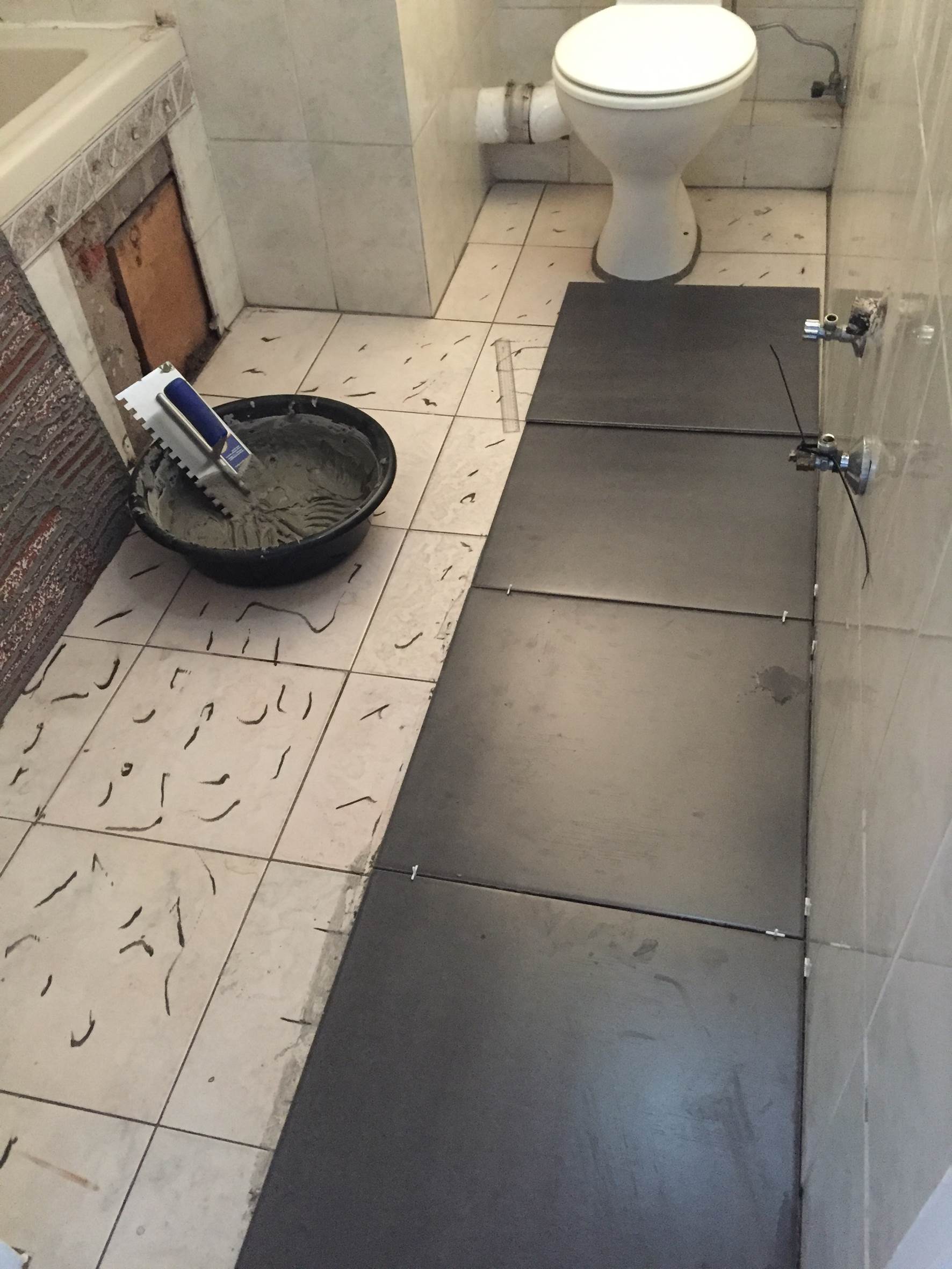
The “best” adhesive for tiling over tiles is ultimately the one that provides the longest service life for the lowest total cost of ownership. In nearly all residential and commercial contexts, this is a high-quality, polymer-modified thin-set mortar.
By opting for this route, you are making a sophisticated financial decision to:
- Conserve Capital: By bypassing the $1,000+ costs associated with demolition and debris removal.
- Accelerate Cash Flow: By reducing the renovation window and getting tenants or customers back into the space sooner.
- Hedge Against Risk: By utilizing chemical bonding technology that prevents delamination and the costly rework associated with it.
In the high-stakes environment of real estate investment, every material choice is a financial one. While the adhesive is hidden beneath the surface of the aesthetic finish, it is the structural foundation of your renovation’s ROI. Investing in a premium bonding agent is not an “extra” cost—it is a foundational strategy for long-term wealth preservation and asset appreciation. When you choose the best adhesive, you aren’t just sticking one tile to another; you are securing the longevity and profitability of your real estate portfolio.
aViewFromTheCave is a participant in the Amazon Services LLC Associates Program, an affiliate advertising program designed to provide a means for sites to earn advertising fees by advertising and linking to Amazon.com. Amazon, the Amazon logo, AmazonSupply, and the AmazonSupply logo are trademarks of Amazon.com, Inc. or its affiliates. As an Amazon Associate we earn affiliate commissions from qualifying purchases.