
The “beam” of a boat, a fundamental dimension often overlooked by the casual observer, refers to its width at the widest point. While seemingly a simple metric, the beam is a critical specification that profoundly influences a vessel’s design, performance, stability, and, perhaps most importantly for owners and investors, its financial implications across its entire lifecycle. From initial purchase price and ongoing operational costs to financing options and potential resale value, understanding a boat’s beam is essential for sound financial planning in the marine sector.
The Fundamental Definition and Its Immediate Financial Relevance
At its core, the beam is a measurement that dictates a boat’s physical footprint on the water. However, its financial repercussions begin long before the vessel ever touches the waves.
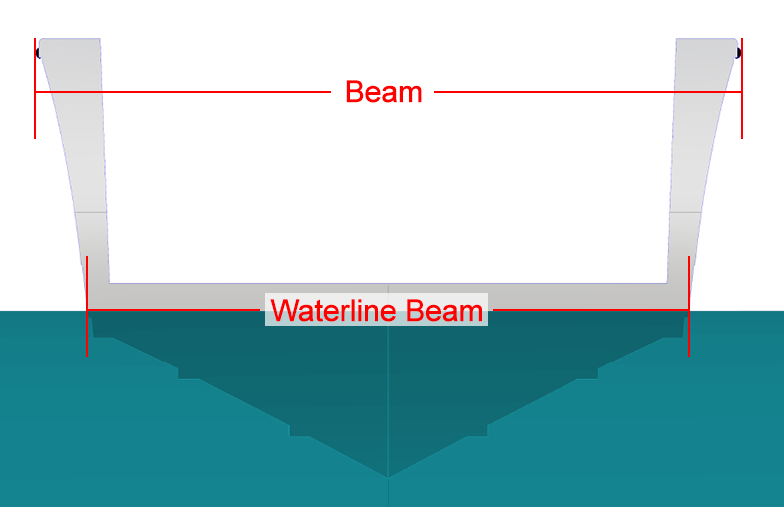
Defining “Beam” and Its Measurement
Technically, the beam is the maximum width of a boat’s hull, typically measured at the widest part of the main deck or hull structure, excluding temporary features like fenders. It’s usually expressed in feet or meters. For consumers, this figure isn’t just an abstract number; it’s a direct indicator of interior volume, deck space, and overall stability. For marine businesses, it’s a critical parameter in design, manufacturing, and logistical planning, all of which have direct cost implications.
Initial Purchase Price and Design Implications
A wider beam generally translates to more material used in construction, greater structural complexity, and often, a higher initial purchase price. Boat builders must factor in material costs (fiberglass, aluminum, steel, wood), labor for fabrication, and engineering expenses. A wider beam often allows for more spacious interiors, additional cabins, larger galleys, and more amenities, all of which drive up the manufacturing cost and, consequently, the retail price. Investors considering a boat purchase must recognize that a larger beam usually implies a larger upfront capital outlay. Conversely, narrower boats can be less expensive to build, offering a lower entry point for buyers on a budget. The design choices influenced by beam – single hull vs. multihull, deep-V vs. flat-bottom – also carry distinct cost profiles for both construction and operation.
Beam as a Determinant of Ongoing Ownership Costs
Beyond the initial investment, a boat’s beam significantly impacts the recurring expenses associated with ownership. These operational costs can accumulate rapidly, making careful budgeting essential for personal finance and business profitability.
Mooring, Dockage, and Slip Fees
One of the most immediate and substantial financial impacts of a boat’s beam is on mooring and dockage fees. Marinas, yacht clubs, and commercial ports typically charge for slip rental based on the vessel’s length overall (LOA) and its beam. Wider boats require wider slips, which are often at a premium due to limited availability and greater infrastructure requirements. Owners of boats with substantial beams can expect to pay significantly higher annual or seasonal fees for their berths. For charter businesses or those operating multiple vessels, these costs can represent a major overhead, directly affecting profit margins. Financial planning for boat ownership must include a thorough analysis of these location-dependent expenses.
Transportation and Hauling Expenses
Transporting a boat, whether by road for winter storage, cross-country relocation, or to a service facility, is another area where beam plays a critical financial role. Boats exceeding a certain beam (often around 8.5 feet in many regions) are considered “oversized” or “wide loads” for road transport. This classification triggers a cascade of additional costs: special permits, escort vehicles (pilot cars), specific travel times, and higher trucking fees due to specialized equipment and increased logistical complexity. Similarly, hauling a boat out of the water for maintenance or storage requires travel lift or crane services. Wider, heavier boats often demand larger, more powerful equipment, leading to elevated hauling and launch fees. For individuals, this impacts personal finance budgets; for businesses, it directly affects operational expenditures.
Insurance Premiums and Coverage
Insurance companies assess risk based on various factors, and a boat’s dimensions, particularly its beam, are key among them. Larger, wider boats often represent a higher insurable value due to their greater material cost and potential for more extensive damage in an incident. This can lead to higher annual insurance premiums. Furthermore, the type of beam (e.g., a catamaran’s dual-hull design often results in a much wider overall beam) can influence specific coverage requirements and pricing structures. For those managing a boat as an investment or business asset, understanding how beam affects insurance costs is vital for accurate financial forecasting and risk management.
Financing, Valuation, and Resale Considerations
The financial lifecycle of a boat extends beyond purchase and operation; its long-term value, how it’s financed, and its eventual resale are all intertwined with its dimensions.
Impact on Loan Approvals and Interest Rates
When seeking financing for a boat purchase, lenders evaluate the asset’s characteristics and the borrower’s ability to repay. A boat’s beam, as an indicator of its overall size and cost, can indirectly influence loan terms. Larger, more expensive vessels, often characterized by a greater beam, may require larger down payments or specific collateral requirements. While not a direct factor in interest rates per se, the overall perceived marketability and depreciation curve (which can be influenced by size) might subtly affect a lender’s risk assessment, potentially influencing available loan products or terms for high-value marine assets.
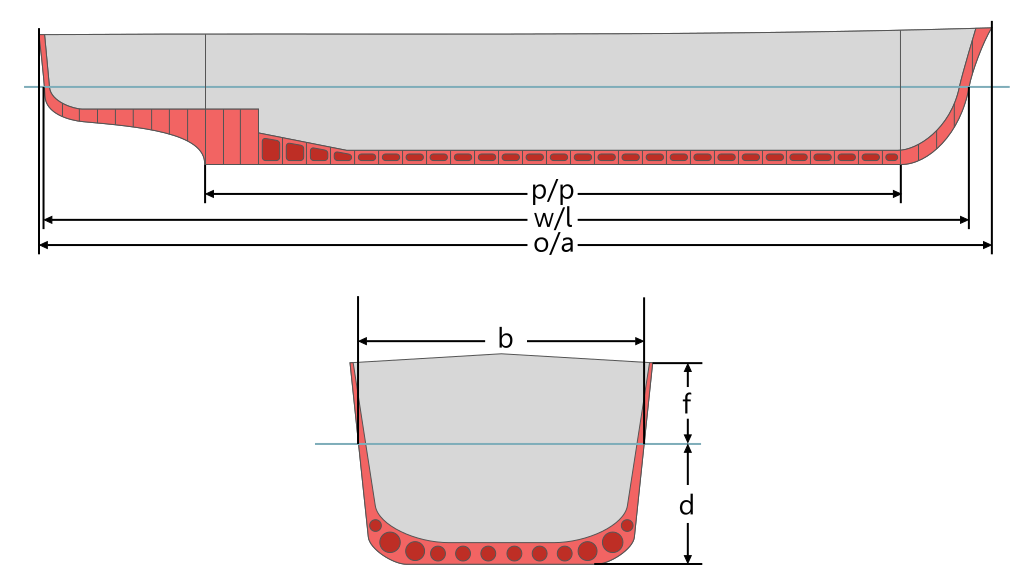
Market Value and Investment Perspective
From an investment standpoint, the beam contributes to a boat’s inherent utility and appeal, which, in turn, affects its market value. A wider beam often means more living space, greater comfort, and enhanced stability, attributes highly valued by buyers in certain segments (e.g., cruising yachts, liveaboards). This can help a boat retain its value or even appreciate in specific niche markets. However, extremely wide boats, particularly those with complex transport logistics, might appeal to a smaller buyer pool, potentially limiting market liquidity and affecting resale dynamics. Investors should assess how a boat’s beam aligns with its intended use and target market to project its long-term value.
Resale Market Dynamics
The resale market for boats is highly sensitive to a vessel’s specifications, and beam is a significant influencer. A boat that is too wide for common trailer transport without special permits, or too wide for standard marina slips, can face limitations in its potential buyer base. While some buyers may prioritize space and stability above all else, others might be deterred by the increased ongoing costs and logistical challenges associated with an excessively wide boat. Understanding these market dynamics is crucial for anyone considering a boat as a potential asset or seeking to mitigate depreciation through strategic choices at the point of purchase.
Business Applications and Income Generation
For entrepreneurs and businesses in the marine industry, the beam is not just a dimension; it’s a critical factor in operational efficiency, revenue generation, and overall profitability.
Chartering and Commercial Use
For businesses engaged in charter operations (e.g., yacht charters, fishing charters, passenger ferries), the boat’s beam is a direct determinant of passenger capacity, comfort, and safety. A wider beam often allows for more passengers, more comfortable seating arrangements, or greater space for equipment, enhancing the vessel’s commercial viability. However, it also influences fuel consumption, crew requirements, and docking costs, all of which directly impact the business’s bottom line and pricing strategy for charter services. Maximizing revenue requires a careful balance between capacity (influenced by beam) and operational expenses.
Operational Efficiency for Marine Businesses
Beyond chartering, other marine businesses like boatyards, repair facilities, and transport companies also feel the financial impact of beam. Boatyard operators need to invest in appropriately sized travel lifts, cradles, and blocking equipment to handle vessels of varying widths. Transport companies must maintain a fleet capable of handling oversized loads, requiring specialized permits and drivers. For these businesses, the range of beam they can accommodate directly impacts their service offerings and potential revenue streams. Investing in the right equipment and navigating the logistical complexities associated with beam variations is a significant business finance decision.
Manufacturing Costs and Profit Margins
For boat manufacturers, the beam is a fundamental design parameter that dictates raw material consumption, mold design, production line requirements, and assembly processes. Wider boats consume more fiberglass, resin, metal, and interior fit-out materials. The larger footprint also means more factory space, potentially specialized tooling, and longer build times. All these factors directly influence manufacturing costs, which in turn determine wholesale prices and the manufacturer’s profit margins. Strategic decisions regarding a model’s beam are therefore critical financial considerations at the highest level of boat building.
Strategic Financial Planning for Boat Owners and Investors
Ultimately, a comprehensive understanding of the beam’s financial implications is indispensable for prudent financial planning, whether for personal enjoyment or commercial endeavor.
Budgeting for Beam-Related Expenses
Effective personal finance and business finance management in the marine sector requires a detailed budget that accounts for all beam-related expenses. This includes estimating higher slip fees, potential oversized transport costs, and appropriate insurance premiums. Ignoring these factors can lead to significant budgetary shortfalls and financial stress. Prospective owners or investors should research costs specific to their desired location and intended use before committing to a vessel.
Assessing Return on Investment (ROI)
For those viewing a boat as an investment – either for capital appreciation (rare but possible in niche markets), charter income, or business utility – accurately assessing ROI demands factoring in the full spectrum of costs influenced by beam. A wider boat might offer greater comfort and revenue potential, but if its increased operational costs erode profits, the net ROI could be diminished. Conversely, a well-chosen wider vessel that maximizes charter revenue and appeals to a broad market might yield a superior return despite higher overheads.

Future-Proofing Your Marine Asset
Considering future trends in marina infrastructure, transport regulations, and market demand is also vital. Investing in a boat whose beam aligns with common infrastructure standards can future-proof the asset, making it easier and cheaper to maintain and eventually resell. As regulations evolve and marina spaces become increasingly constrained or expensive, understanding the long-term financial implications of a boat’s beam becomes a crucial aspect of responsible marine asset management.
aViewFromTheCave is a participant in the Amazon Services LLC Associates Program, an affiliate advertising program designed to provide a means for sites to earn advertising fees by advertising and linking to Amazon.com. Amazon, the Amazon logo, AmazonSupply, and the AmazonSupply logo are trademarks of Amazon.com, Inc. or its affiliates. As an Amazon Associate we earn affiliate commissions from qualifying purchases.