
The digital landscape is littered with the carcasses of once-dominant platforms. Some succumb to superior competition, others to changing consumer habits, but a rare few—like FanFiction.net (FFN)—fall victim to the slow, agonizing erosion of technical neglect. For over two decades, FanFiction.net served as the primary nexus for global fan culture. Yet, in recent years, the site has become a cautionary tale of technical debt, outdated architecture, and the dangers of failing to modernize a legacy software ecosystem.
The Architecture of Stagnation: Technical Debt and User Experience
At its zenith, FanFiction.net was the undisputed titan of online creative writing. Its monolithic architecture, built in the early 2000s, was revolutionary for its time. However, as the web transitioned from static HTML pages to reactive, API-driven single-page applications, FFN remained frozen in a time capsule.
The Failure to Modernize
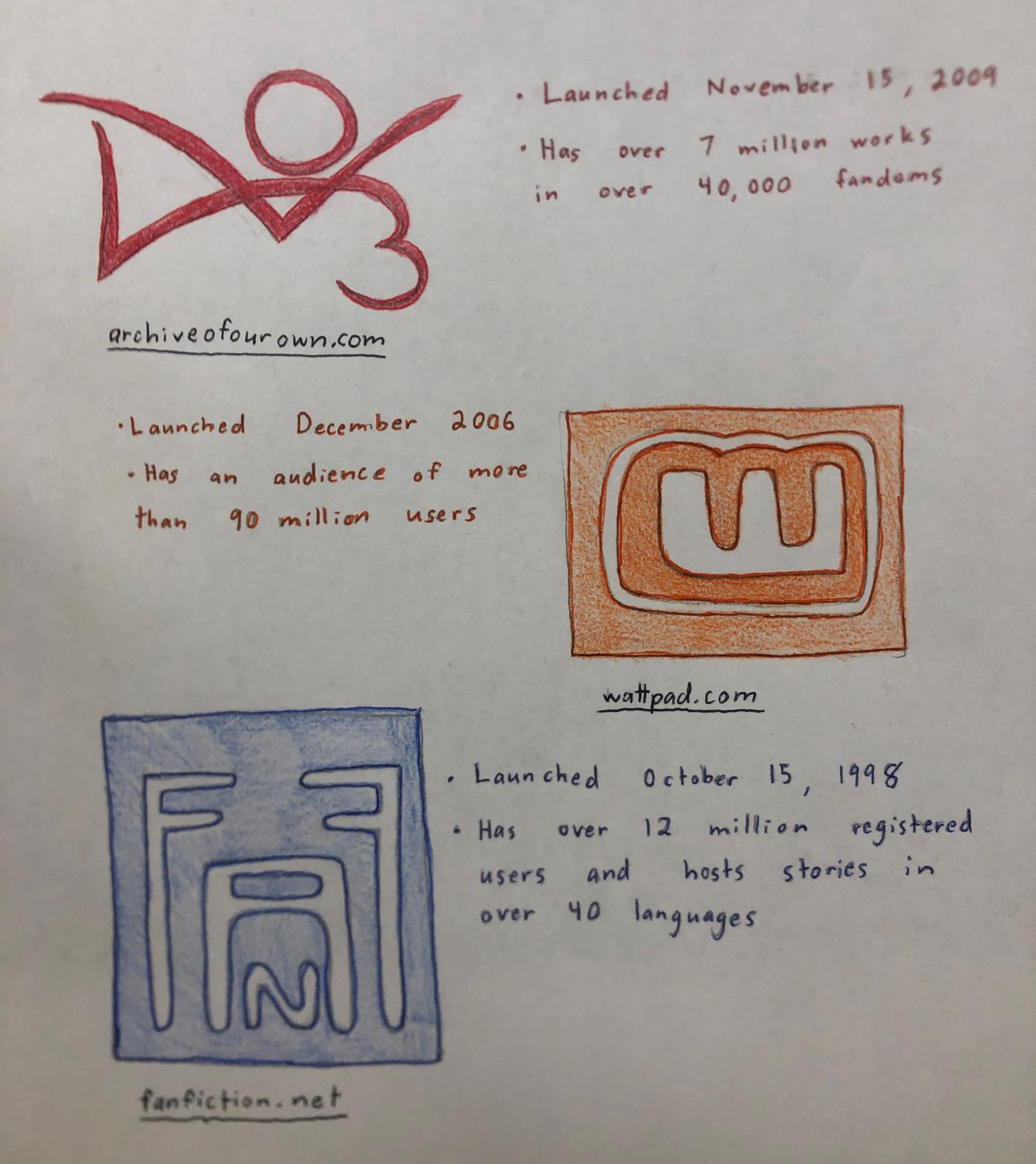
The core issue plaguing the platform is a crippling level of technical debt. While modern platforms like Archive of Our Own (AO3) utilize elastic, cloud-native infrastructures, FFN continues to operate on legacy server configurations that struggle to handle contemporary traffic spikes and search index requirements. This lack of modernization has led to frequent “Cloudflare loops,” prolonged downtime, and an interface that remains largely inaccessible on modern mobile browsers.
UI/UX Obsolescence
In the realm of software design, the user interface (UI) is the digital storefront of a platform. FFN’s UI has remained virtually unchanged since the mid-2000s. From an engineering perspective, the failure to implement a responsive design framework means the site is perpetually breaking across different viewports. In an era where mobile-first indexing is the industry standard, FFN’s refusal to update its front-end code represents a fatal disconnect between the software’s capabilities and the user’s expectations for accessibility and speed.
Security Vulnerabilities and Infrastructure Fragility
Beyond aesthetics, the technical integrity of FanFiction.net has been under constant scrutiny. The platform’s reliance on outdated database management systems and insecure authentication protocols has turned the site into a low-hanging fruit for bad actors.
The Cost of Neglected Maintenance
Maintenance is the lifeblood of digital longevity. When a platform stops updating its backend security patches, it becomes vulnerable to SQL injections, cross-site scripting (XSS), and data scraping. The recurring outages—often attributed to “database errors”—suggest a infrastructure that is held together by digital duct tape. For a site that hosts millions of intellectual properties and user-submitted works, the lack of modern encryption and robust server-side security creates a massive liability.
Spam Bots and API Limitations
Modern web platforms thrive on robust APIs that allow for third-party integrations and sophisticated content filtering. FFN’s restrictive and archaic infrastructure makes it impossible to effectively mitigate spam. While other platforms utilize machine learning-based filtering to detect bot activity, FFN remains flooded with automated spam accounts. This is not merely a moderation issue; it is a software engineering failure. Without an updated backend that can integrate with modern security middleware, the site is effectively defenseless against automated degradation.
The Migration Phenomenon: Platform Disruption and Competitive Shifts
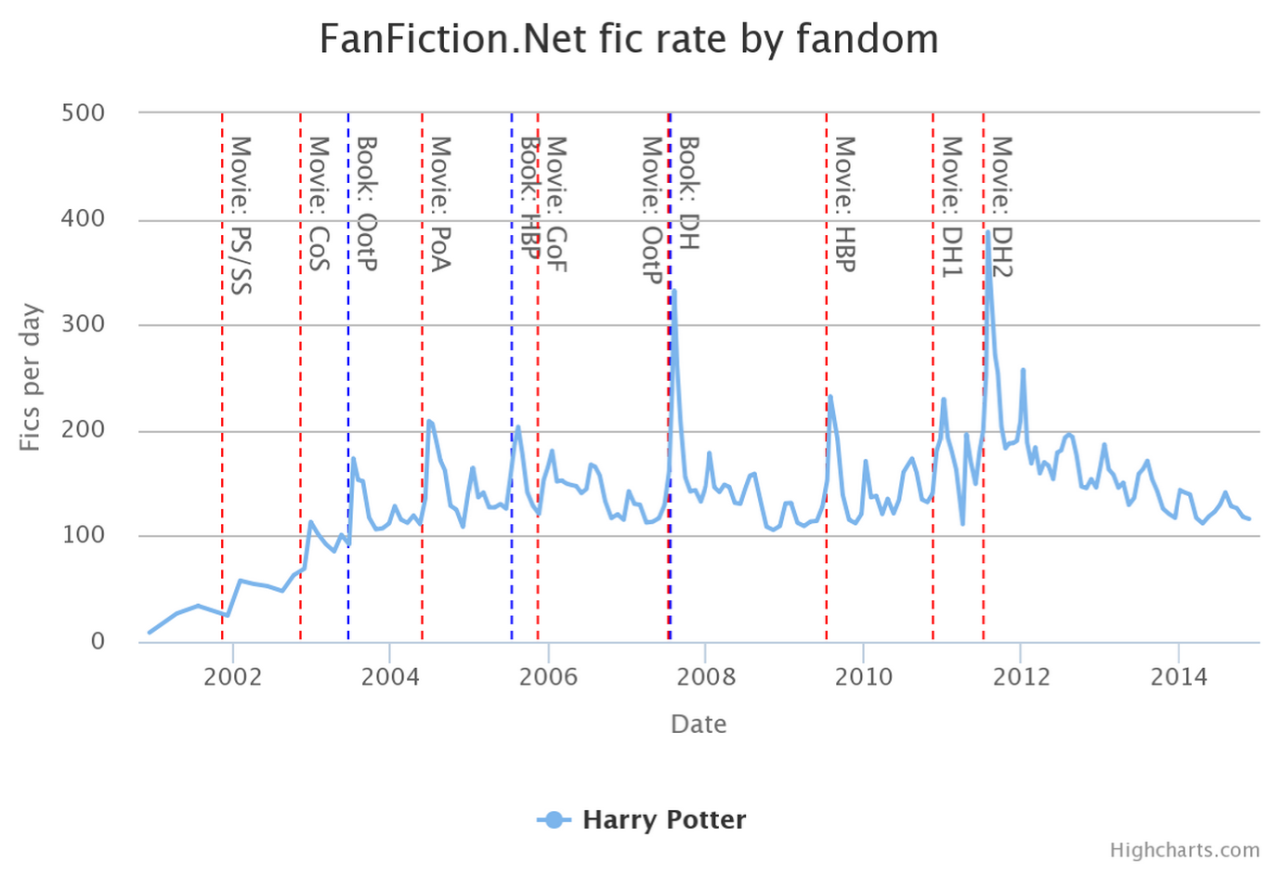
In the software industry, user retention is directly tied to the “friction” of the experience. When a platform becomes too difficult to use, users seek paths of least resistance. The decline of FFN is a textbook example of how a failure to innovate triggers a mass migration to competitors who provide a more stable and developer-friendly environment.
The Rise of AO3 and Software Agility
Archive of Our Own (AO3) succeeded not just because of its community-driven mission, but because of its commitment to agile development. By building a platform that prioritized categorization, tagging, and high-performance server architecture, they created a software ecosystem that actually understood how readers interact with long-form content. When developers prioritize “feature parity” with modern standards, users naturally migrate. FFN, by contrast, chose to ignore the changing technological landscape, treating its user base as a captive audience rather than a community that deserves high-quality digital tooling.
Feature Stagnation as a Business Death Spiral
In product management, the “Feature Gap” refers to the distance between what a product currently offers and what the market demands. FFN’s refusal to introduce modern features—such as enhanced accessibility tools, dark mode, robust commenting systems, or better search filters—is a form of strategic suicide. By neglecting to iterate, the platform has essentially ceded its market share to platforms that treat user experience as a core component of their software development life cycle.
Lessons in Digital Sustainability for Modern Platforms
The tragedy of FanFiction.net is that it didn’t have to end this way. Many legacy platforms have successfully navigated the transition to the modern web through incremental updates, refactoring, and a focus on site reliability engineering (SRE).
The Necessity of Continuous Integration and Deployment (CI/CD)
The state of FFN highlights the necessity of CI/CD pipelines in long-term platform maintenance. If the developers behind the site had integrated automated testing and deployment protocols years ago, the transition to a modern stack could have been modular rather than overhaul-based. The lesson for developers and stakeholders is clear: software is not “set it and forget it.” If you stop iterating, your platform enters a state of decay that is almost impossible to reverse.
Data Portability and Platform Openness
One of the reasons FFN feels so brittle is its closed-source nature. In the modern web era, platforms that allow for extensions, plugins, and open API access create a more resilient ecosystem. FFN’s “walled garden” approach—where the code is hidden, opaque, and brittle—prevents the community from helping to solve the technical challenges that plague the site. A more transparent engineering philosophy could have allowed for community-driven security patches and feature updates, potentially saving the platform from its current stagnation.

Conclusion: The Finality of Technical Neglect
What happened to FanFiction.net is not a mystery of the market, but a standard result of engineering stagnation. When technical debt is left to compound, the platform eventually collapses under its own weight. The site remains a ghost of the early web—a testament to the fact that in the world of technology, standing still is equivalent to moving backward.
For stakeholders in any digital product, the FFN case provides a stark warning: software longevity requires constant investment, a commitment to security, and a willingness to scrap obsolete code in favor of modern, scalable solutions. FanFiction.net will likely remain a historical site, serving as an archive of a bygone era of the internet, but as a functioning piece of software, it has effectively become obsolete. The future of digital content consumption will always gravitate toward the platforms that are fast, secure, and—above all else—built with the future in mind. When a platform stops being a tool and starts being a hindrance, the exodus of its users is not just probable; it is inevitable. The failure of FFN is ultimately a failure of product vision and technical stewardship, proving that even the largest communities cannot keep a platform alive if its digital foundation has been allowed to rot.
aViewFromTheCave is a participant in the Amazon Services LLC Associates Program, an affiliate advertising program designed to provide a means for sites to earn advertising fees by advertising and linking to Amazon.com. Amazon, the Amazon logo, AmazonSupply, and the AmazonSupply logo are trademarks of Amazon.com, Inc. or its affiliates. As an Amazon Associate we earn affiliate commissions from qualifying purchases.