
The term “tidal volume” might initially conjure images of the rhythmic ebb and flow of ocean tides. While the metaphor is apt, in a biological context, tidal volume refers to a fundamental aspect of human respiration: the amount of air inhaled or exhaled during a single, normal breath. This seemingly simple physiological measurement, however, holds surprising relevance across various domains, from advanced medical technology and data analytics to understanding human performance and even marketing insights.
For those immersed in the worlds of Tech, Brand, and Money, understanding tidal volume isn’t just about biological curiosity. It’s about appreciating the intricate systems that underpin human existence, the data that can be derived from these systems, and how this knowledge can be leveraged for innovation, improved well-being, and even strategic business decisions.

Understanding the Basics: Defining Tidal Volume
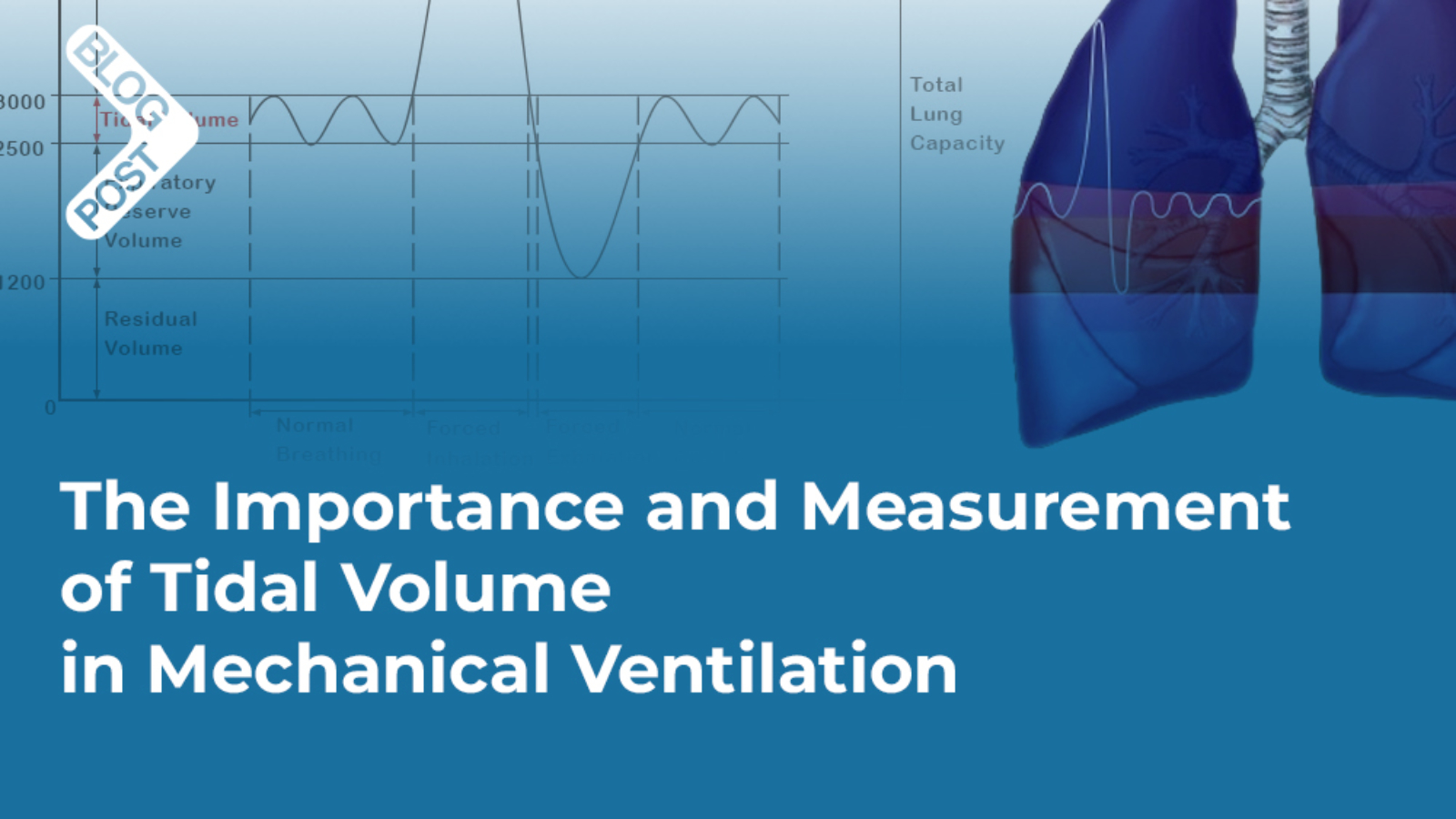
At its core, tidal volume (VT) is the volume of air that moves in or out of the lungs during a normal resting breath. Think of it as the standard breath you take without consciously trying to inhale deeper or exhale more forcefully. It’s the body’s automatic, efficient way of exchanging oxygen and carbon dioxide.
Factors Influencing Tidal Volume:
While there’s an “average,” it’s crucial to understand that tidal volume is not a static number. Several factors can influence it:
- Age: Tidal volume generally increases from infancy to adulthood and may decrease slightly in older age.
- Sex: On average, adult males tend to have a slightly larger tidal volume than adult females, largely due to differences in lung capacity and body size.
- Body Size and Lung Capacity: Larger individuals with larger lungs will naturally have a greater tidal volume. This is a key consideration in medical settings where personalized respiratory support is critical.
- Activity Level: During rest, tidal volume is at its lowest. As physical activity increases, the body requires more oxygen, and tidal volume, along with breathing rate, increases to meet this demand.
- Health Status: Underlying medical conditions, particularly those affecting the respiratory system (like asthma, COPD, or pneumonia), can significantly alter tidal volume.
The typical resting tidal volume for an adult human is often cited as being between 400 and 600 milliliters (mL), or roughly 5-7 mL per kilogram of ideal body weight. This means that in a single breath, you’re moving around half a liter of air in and out of your lungs. This continuous process is essential for sustaining life, facilitating the exchange of gases necessary for cellular function.
Technological Applications: Measuring and Leveraging Tidal Volume
The precise measurement and understanding of tidal volume are paramount in various technological applications, especially within the realm of Tech. This is where sophisticated equipment and data analysis come into play.
Medical Technology and Respiratory Monitoring
The most direct and critical application of tidal volume measurement lies in medical technology. For patients on mechanical ventilation, such as those in intensive care units (ICUs) or recovering from surgery, carefully controlling tidal volume is a life-saving measure.
- Mechanical Ventilators: These life-support devices deliver breaths to patients who cannot breathe adequately on their own. The ventilator’s settings are precisely calibrated to deliver a specific tidal volume, ensuring that the lungs receive sufficient oxygen and that carbon dioxide is effectively removed without causing damage. Too small a tidal volume can lead to inadequate gas exchange, while too large a tidal volume can lead to barotrauma (lung injury from excessive pressure).
- Spirometry and Pulmonary Function Tests: In outpatient settings, spirometry is a common diagnostic tool used to assess lung function. While it measures a broader range of lung volumes and capacities (like Forced Vital Capacity – FVC), tidal volume is a fundamental component of these tests, providing baseline data on normal breathing patterns.
- Wearable Health Trackers and Biosensors: As wearable technology becomes more advanced, the potential to monitor respiratory parameters, including subtle changes in breathing patterns that might reflect tidal volume variations, is growing. While direct, precise tidal volume measurement from a wearable is still in its nascent stages, the data collected on breathing rate and depth can offer valuable insights into overall physiological status, sleep quality, and even early detection of respiratory distress. These devices generate vast amounts of data that can be analyzed using AI tools to identify anomalies and patterns.
Data Analytics and AI in Healthcare
The data generated from tidal volume measurements, especially in clinical settings, is a rich source for data analytics and AI tools.
- Predictive Analytics: By analyzing trends in tidal volume alongside other physiological data (heart rate, oxygen saturation, etc.), AI algorithms can help predict potential respiratory complications or patient deterioration. This allows healthcare providers to intervene proactively, improving patient outcomes.
- Personalized Medicine: Understanding individual tidal volume characteristics can contribute to personalized treatment plans. For example, tailoring ventilator settings based on a patient’s specific lung mechanics can lead to more effective and less damaging respiratory support.
- Drug Efficacy Studies: In pharmaceutical research, monitoring changes in tidal volume and other respiratory metrics can help assess the efficacy and side effects of new medications targeting respiratory conditions.
The continuous stream of data from connected medical devices, when analyzed effectively, empowers healthcare professionals with insights that were previously unattainable. This synergy between technology and physiological understanding is revolutionizing patient care.
Brand and Marketing: Understanding the Human Element
While the connection between tidal volume and Brand or Money might seem tangential, a deeper look reveals surprising overlaps, particularly in understanding human behavior and physiological states.
Human Performance and Ergonomics
In fields related to Productivity and human performance, understanding how physiological factors influence cognitive and physical output is crucial.
- Ergonomic Design: For products and environments that require physical exertion or prolonged periods of activity (e.g., athletic gear, workplace setups, even gaming peripherals), understanding baseline respiratory function and how it changes under stress can inform design decisions. For instance, designing equipment that doesn’t impede normal breathing patterns can improve comfort and performance.
- Stress and Performance: Extreme stress can manifest physiologically, sometimes affecting breathing patterns. While not a direct measure of tidal volume, changes in breathing rate and depth can be indicators of a person’s physiological state under pressure. This insight can be valuable for designing training programs or stress-management interventions.
Marketing and Consumer Behavior Insights
This is where the connection becomes more abstract but equally intriguing, leveraging the power of marketing and design principles.
- Emotional Resonance in Branding: While not directly measuring tidal volume, marketers often aim to evoke emotional responses that can subtly influence physiological states, including breathing. Think of calming imagery and sounds in advertising, designed to promote relaxation, which is associated with deeper, slower breaths. Conversely, high-energy advertising might aim for a more stimulated physiological state. Understanding these subconscious connections, even without explicit tidal volume measurement, informs creative strategies.
- Product Experience Design: For products that interact with the body or influence well-being, understanding fundamental physiological processes is beneficial. For example, the design of a meditation app or a sleep-tracking device implicitly relies on the user’s ability to breathe and regulate their physiological state. The success of such products is often tied to how well they facilitate a desired physiological outcome.
- Data-Driven Marketing: As mentioned in the Tech section, the ability to collect and analyze physiological data is expanding. While direct tidal volume marketing might be far off, understanding broader patterns of physiological response can inform targeted advertising campaigns. For instance, if data suggests a certain demographic experiences increased respiratory rate during specific types of content consumption, advertisers might tailor their messaging accordingly.
Financial Implications: From Healthcare Costs to Investment Opportunities
The financial implications of tidal volume are multifaceted, touching upon Personal Finance, Business Finance, and Investing.
Healthcare Costs and Insurance
- Cost of Respiratory Illnesses: Respiratory conditions are a significant burden on healthcare systems worldwide. Understanding the physiology of breathing, including tidal volume, is fundamental to diagnosing, treating, and managing these illnesses. Effective treatment, informed by accurate physiological data, can reduce hospital stays, medication costs, and long-term care expenses.
- Insurance Premiums and Risk Assessment: For health insurance providers, understanding respiratory health is crucial for risk assessment. While not a direct factor for individual premiums, widespread respiratory issues in a population can influence overall insurance costs. Advancements in respiratory monitoring and personalized treatment, informed by tidal volume data, could potentially lead to better management of chronic conditions, thereby reducing long-term healthcare expenditure.
The Business of Health Tech and Medical Devices
- Investment Opportunities: The growing field of Health Tech and medical devices, particularly those focused on respiratory monitoring and support, represents a significant investment opportunity within the Money domain. Companies developing advanced ventilators, spirometers, biosensors, and AI-powered diagnostic tools are at the forefront of this innovation.
- Market Trends in Wellness: The increasing consumer focus on personal well-being and proactive health management has fueled the growth of the wellness industry. Products and services that leverage physiological data, including insights related to breathing and respiratory health, are finding a receptive market. This creates opportunities for businesses and investors in areas like fitness tracking, sleep improvement, and stress reduction.
- Efficiency in Business Operations: For businesses in industries where physical exertion is a factor (e.g., logistics, manufacturing), understanding worker physiology and ensuring optimal conditions can lead to increased productivity and reduced workplace injuries. This translates directly to financial savings through reduced absenteeism, lower insurance claims, and improved output.

Personal Finance and Health Management
- Preventative Healthcare: For individuals, understanding basic physiological metrics like tidal volume can empower them to take a more proactive approach to their health. Investing in preventative healthcare, such as regular check-ups and adopting healthy lifestyle choices that support respiratory function, can lead to significant long-term financial savings by avoiding costly treatments for preventable diseases.
- Smart Healthcare Spending: As technology offers more sophisticated ways to monitor health, individuals can make more informed decisions about where to allocate their personal finance for healthcare. Wearable devices that offer insights into breathing patterns, when integrated with broader health tracking, can help individuals and their doctors identify potential issues early, leading to more cost-effective interventions.
In conclusion, while the term “average tidal volume” might sound like a purely clinical concept, its implications ripple outwards into the dynamic worlds of technology, branding, and finance. From the life-saving precision of medical ventilators to the nuanced understanding of human behavior in marketing and the significant financial investments in health innovation, tidal volume serves as a fundamental indicator of human well-being and a testament to the interconnectedness of our physical selves with the technological, brand, and financial landscapes we navigate. Understanding this basic aspect of respiration offers a valuable lens through which to appreciate innovation, drive progress, and make more informed decisions in our increasingly data-driven world.
aViewFromTheCave is a participant in the Amazon Services LLC Associates Program, an affiliate advertising program designed to provide a means for sites to earn advertising fees by advertising and linking to Amazon.com. Amazon, the Amazon logo, AmazonSupply, and the AmazonSupply logo are trademarks of Amazon.com, Inc. or its affiliates. As an Amazon Associate we earn affiliate commissions from qualifying purchases.