
Understanding the stock market’s average rate of return is a cornerstone for anyone looking to build wealth, plan for retirement, or simply make informed financial decisions. It provides a vital benchmark against which individual investment performance can be measured and offers a realistic expectation of what long-term investing in equities can yield. However, “average” can be a deceptive term. It hides the underlying volatility, the impact of inflation, and the myriad of factors that constantly shape market performance. This article delves into the historical averages, the forces that drive them, and how individual investors can best navigate these insights to achieve their financial aspirations.
Deciphering the Historical Average Return
When investors speak of the average stock market return, they are typically referring to a long-term historical figure derived from broad market indices. This figure serves as a crucial starting point for financial planning, yet it requires careful interpretation.
The S&P 500 as a Benchmark
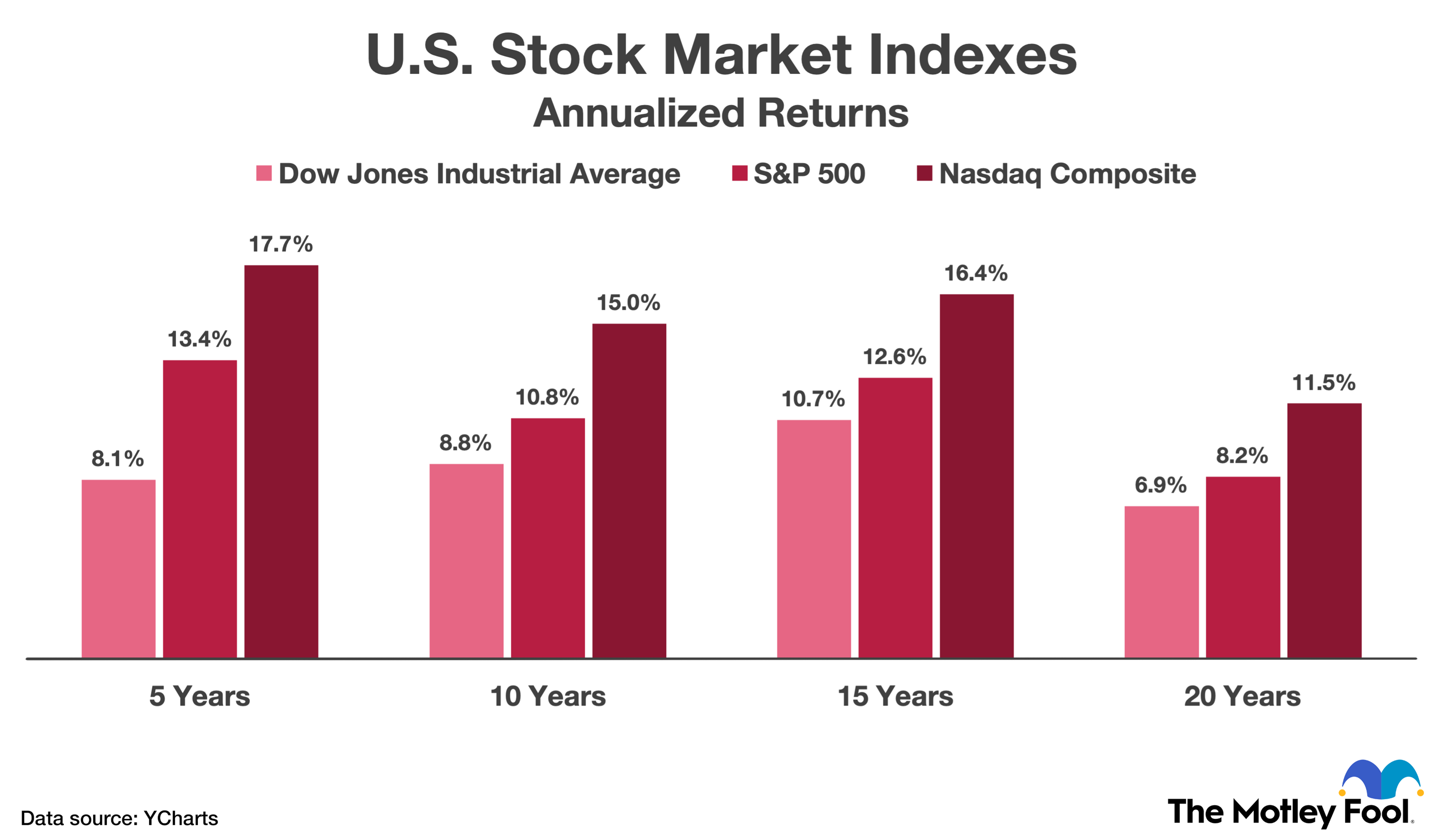
The S&P 500 index is widely considered the most representative benchmark for the U.S. stock market. Comprising 500 of the largest publicly traded companies in the United States, it accounts for approximately 80% of the total U.S. stock market capitalization. Over its long history, dating back to 1928, the average annualized return of the S&P 500 has been approximately 10-12% before inflation, including dividends reinvested. Over more recent decades, such as the last 50 years, this figure has often settled in the 10% range. This historical average is often quoted because it smooths out the peaks and troughs of individual years, offering a more stable picture of the market’s long-term growth trajectory. It’s crucial to remember that this is an average, and individual years can see returns ranging from significant losses to substantial gains.
Nominal vs. Real Returns
A critical distinction in understanding investment returns is the difference between nominal and real returns. Nominal return is the percentage gain an investment makes before accounting for inflation. If your investment grows by 10% in a year, that’s its nominal return. However, if inflation during that same year was 3%, your purchasing power didn’t increase by 10%. This is where real return comes in. Real return measures the increase in your purchasing power after inflation has been factored in. Using the previous example, a 10% nominal return with 3% inflation would result in a real return of approximately 7% (1.10 / 1.03 – 1 ≈ 0.0679 or 6.79%). For long-term financial planning, real returns are far more important, as they truly reflect how much your wealth has grown and your future ability to buy goods and services. Acknowledging and planning for inflation is paramount to preserving and growing actual wealth over time.
Long-Term Perspective
The concept of an “average” return is only truly meaningful when viewed through a long-term lens. The stock market is notoriously volatile in the short term, experiencing periods of boom and bust, often driven by sentiment, economic data, or geopolitical events. An investor who pulls their money out during a downturn or tries to time the market risks missing significant recovery periods or growth phases that contribute heavily to the historical average. For instance, missing just a few of the best-performing days in the market can dramatically reduce an investor’s overall return. Conversely, staying invested through market corrections allows an investor to benefit from the eventual rebound and the power of compounding. The long-term perspective (typically 10 years or more) is what allows the market’s underlying growth trend, driven by corporate profitability and economic expansion, to manifest and deliver returns closer to the historical average.
Factors Influencing Stock Market Returns
The stock market is a complex adaptive system, influenced by a multitude of interdependent factors. Understanding these drivers is key to appreciating the fluctuations and long-term trends in returns.
Economic Growth and Corporate Earnings
At its core, the stock market reflects the aggregate health and future prospects of the companies within it. When the economy is growing robustly, businesses typically experience higher sales, increased profits, and expansion opportunities. Strong corporate earnings are a primary driver of stock prices, as they signify a company’s fundamental value and its ability to generate future cash flows. Investors are willing to pay more for companies that consistently grow their profits. Conversely, economic slowdowns or recessions often lead to decreased consumer spending, lower corporate profits, and subsequent declines in stock valuations. Interest rate policies, consumer confidence, and global trade dynamics all feed into the economic growth narrative, which in turn profoundly impacts corporate earnings and, by extension, stock market returns.
Interest Rates and Monetary Policy
Central banks, such as the U.S. Federal Reserve, play a pivotal role in influencing market returns through their monetary policy, primarily by adjusting interest rates. Lower interest rates generally make it cheaper for companies to borrow money for expansion and for consumers to borrow for purchases, stimulating economic activity. They also make bonds and other fixed-income investments less attractive, pushing investors towards equities in search of higher returns. Conversely, higher interest rates increase borrowing costs, can slow economic growth, and make fixed-income investments more competitive, potentially drawing capital away from stocks. The Federal Reserve’s decisions on the federal funds rate, quantitative easing, and other policy tools are closely watched by investors for their ripple effects across all asset classes, including their impact on company valuations and investor sentiment.
Inflation and Deflation
Inflation, the rate at which the general level of prices for goods and services is rising, has a dual impact on stock market returns. Moderate inflation can be a sign of a healthy, growing economy and may allow companies to raise prices, potentially boosting their revenues. However, high or runaway inflation can erode corporate profits (as input costs rise), diminish consumer purchasing power, and pressure central banks to raise interest rates, which can be detrimental to stock valuations. Deflation, a sustained decrease in prices, is generally considered more damaging than inflation. It can lead to reduced consumer spending (as people postpone purchases expecting lower prices), decreased corporate revenues, and an overall economic contraction, all of which are negative for stock market performance. Investors often seek out companies with pricing power or those in sectors that tend to perform well during inflationary periods, such as commodities or certain real estate investments.
Geopolitical Events and Market Volatility
Beyond fundamental economic factors, geopolitical events can introduce significant short-term volatility and impact investor confidence. Wars, trade disputes, political instability in major economies, natural disasters, or global pandemics can create uncertainty, disrupt supply chains, and alter economic forecasts. While their long-term impact on the average stock market return is often transient, these events can trigger sharp market downturns or rallies in the short to medium term. The market’s reaction to such events is often driven by sentiment and fear, leading to overreactions before the underlying fundamentals reassert themselves. A diversified portfolio and a long-term investment horizon are crucial strategies for weathering the unpredictable nature of geopolitical shocks.
Understanding Risk and Volatility
While the average stock market return provides a comforting long-term figure, it’s critical for investors to grasp the inherent risk and volatility that underpin equity investments.
The Nature of Market Fluctuations
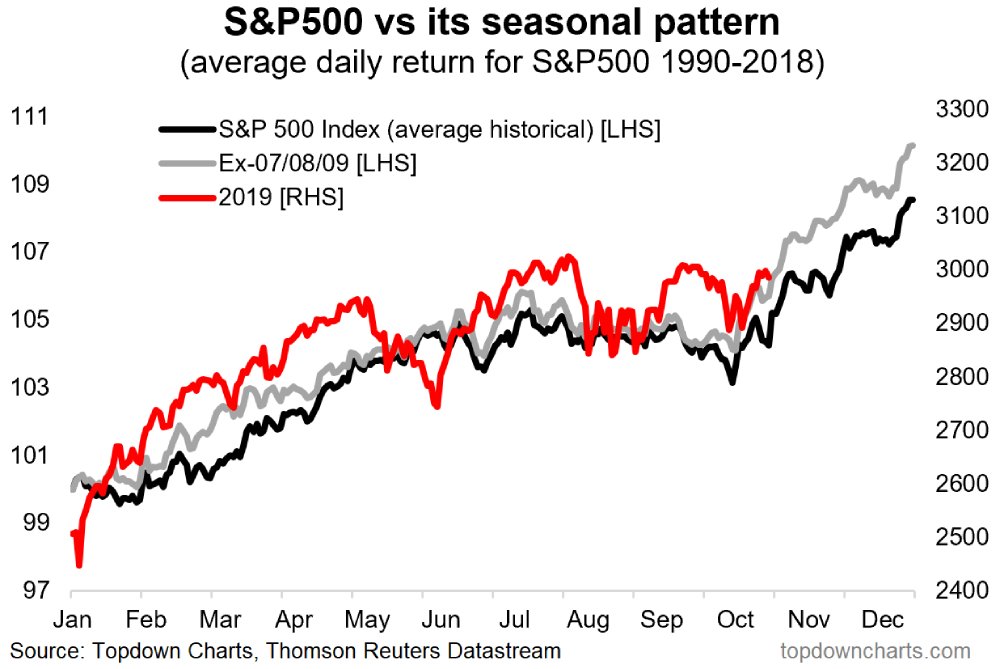
The “average” return is a statistical construct that smooths out extreme daily, weekly, or even yearly movements. In reality, the stock market rarely delivers its average return in any given year. Instead, it oscillates between periods of significant growth (bull markets) and periods of decline (bear markets), along with numerous smaller corrections and rallies. This constant fluctuation, often referred to as volatility, is a natural characteristic of equity markets. It is driven by the dynamic interplay of economic news, corporate earnings, interest rate expectations, geopolitical events, and investor sentiment. Embracing the fact that market fluctuations are normal and unavoidable is a key psychological step for successful long-term investing. Patience and a steady hand during turbulent times are often more valuable than trying to predict or react to every market swing.
Risk-Reward Trade-off
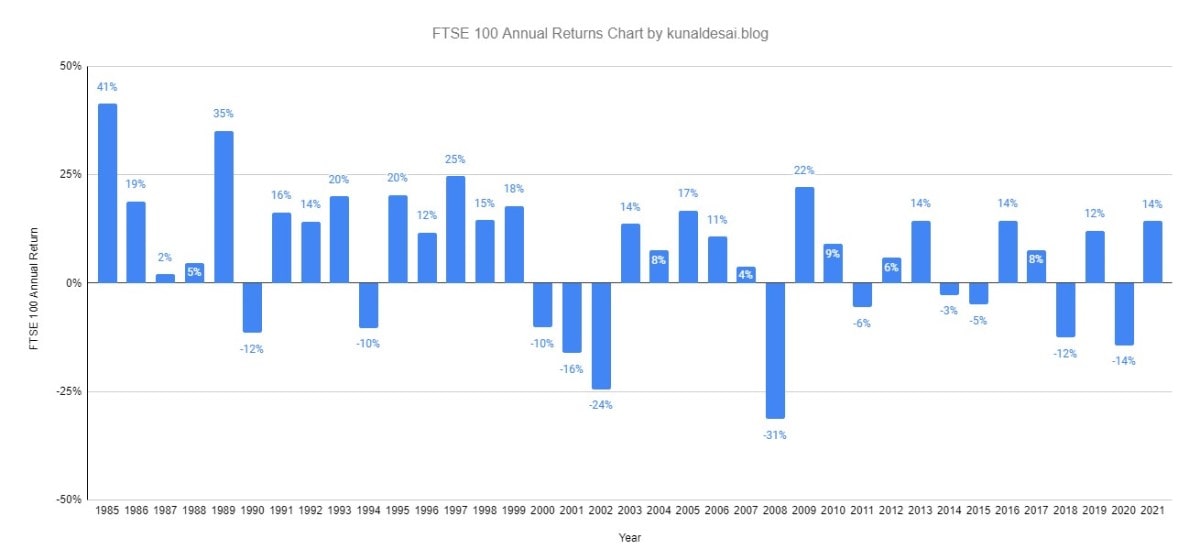
A fundamental principle in finance is the risk-reward trade-off: higher potential returns typically come with higher levels of risk. The stock market, with its historical average returns significantly higher than those of savings accounts or government bonds, inherently carries more risk. This risk manifests in the potential for capital loss, especially in the short term. For example, while the S&P 500 might average 10% over decades, it has experienced annual losses exceeding 30% in certain years. Investors are compensated for taking on this risk with the potential for greater long-term wealth accumulation. Understanding your personal risk tolerance – your emotional and financial ability to withstand losses – is crucial for constructing a portfolio that aligns with your comfort level and financial goals.
Diversification as a Risk Management Tool
Diversification is perhaps the most powerful tool an investor has for managing risk without necessarily sacrificing returns. It involves spreading investments across various asset classes (e.g., stocks, bonds, real estate), different industries, geographic regions, and company sizes. The rationale behind diversification is that not all investments will perform poorly at the same time. When one part of your portfolio is underperforming, another might be thriving, thereby smoothing out overall portfolio returns. For example, during periods of economic uncertainty, bonds might perform well while stocks decline. Within stocks, investing across different sectors (tech, healthcare, industrials) helps mitigate the risk of a downturn in any single industry. While diversification cannot guarantee profits or protect against losses, it can significantly reduce idiosyncratic risk (risk specific to an individual asset) and help an investor achieve more consistent, albeit potentially less spectacular, returns over the long term.
Beyond the Average: Personalizing Your Return
While historical averages provide a general roadmap, your actual investment experience will be uniquely shaped by your personal circumstances, strategies, and decisions.
Investment Horizon and Goals
The length of time you plan to invest (your investment horizon) and what you aim to achieve with your money (your financial goals) are paramount in determining your personalized approach. A younger investor saving for retirement 30+ years away can typically afford to take on more risk, heavily weighting their portfolio towards equities to capitalize on the stock market’s long-term growth potential and average returns. They have time to recover from market downturns. Conversely, someone nearing retirement or saving for a down payment in the next 3-5 years might need a more conservative allocation, perhaps shifting more towards bonds and cash, to protect their principal from short-term market volatility. Your goals—whether buying a house, funding education, or ensuring a comfortable retirement—will dictate the appropriate level of risk and the asset allocation strategy suitable for your unique situation.
Asset Allocation Strategies
Asset allocation is the process of deciding how to divide your investment portfolio among different asset categories, such as stocks, bonds, and cash equivalents. This decision is one of the most critical determinants of your overall investment return and risk level. A common guideline is to subtract your age from 100 or 110 to determine the percentage of your portfolio that should be in stocks. For example, a 30-year-old might have 70-80% in stocks and the remainder in bonds. As you age, you would gradually shift more towards bonds to reduce risk. However, this is a simplified rule, and more sophisticated strategies consider factors like current market conditions, specific financial goals, and individual risk tolerance. The aim is to create a portfolio mix that offers the highest probability of achieving your objectives within an acceptable level of risk.
The Impact of Fees and Taxes
Even if your investments perfectly track the market’s average return, your net gain will be reduced by fees and taxes. Investment fees can come in various forms: expense ratios on mutual funds or ETFs, advisory fees, trading commissions, and administrative charges. Even seemingly small fees, compounded over decades, can significantly erode your total returns. For example, an extra 1% in fees annually on a $100,000 portfolio returning 10% can cost you hundreds of thousands of dollars over a 30-year period due to the loss of compounding. Taxes on investment gains (capital gains tax) and dividends also reduce your take-home return. Utilizing tax-advantaged accounts like 401(k)s and IRAs, which allow investments to grow tax-deferred or tax-free, is a powerful strategy to maximize your net returns. Understanding and minimizing these costs is essential for optimizing your personal average rate of return.
Behavioral Biases in Investing
Human psychology often presents one of the greatest challenges to achieving market-average returns. Behavioral biases—such as fear, greed, overconfidence, herd mentality, and confirmation bias—can lead investors to make irrational decisions that deviate from a disciplined, long-term strategy. For instance, panic selling during a market downturn (driven by fear) locks in losses and prevents participation in the subsequent recovery. Chasing hot stocks or trends (driven by greed or herd mentality) often leads to buying high and selling low. Overcoming these biases requires emotional discipline, a clear investment plan, and the ability to stick to that plan even when market conditions are challenging. Acknowledging these innate tendencies is the first step towards mitigating their negative impact on your personal investment performance.
Strategies for Maximizing Long-Term Returns
While the market’s average return is a powerful force, specific strategies can help individual investors harness and potentially exceed it, or at least ensure they capture their fair share.
Consistent Investing (Dollar-Cost Averaging)
One of the most effective strategies for long-term investors is dollar-cost averaging. This involves investing a fixed amount of money at regular intervals (e.g., monthly or quarterly), regardless of market fluctuations. When prices are high, your fixed investment buys fewer shares; when prices are low, it buys more shares. Over time, this strategy helps to average out your purchase price, reducing the risk of investing a large lump sum right before a market downturn. It also removes emotional decision-making from the equation, ensuring you remain invested through all market cycles and benefit from the long-term upward trend. Consistent contributions, combined with the power of compounding, are a bedrock of wealth creation.
Rebalancing Your Portfolio
As markets move, your initial asset allocation (the desired mix of stocks, bonds, etc.) will drift. For example, if stocks have a strong bull run, their percentage in your portfolio might grow larger than intended. Portfolio rebalancing is the process of periodically adjusting your portfolio back to its original target allocation. This might involve selling some assets that have performed well (and are now overweight) and using the proceeds to buy assets that have underperformed (and are now underweight). Rebalancing is a disciplined way to manage risk, ensure your portfolio remains aligned with your long-term goals and risk tolerance, and it can also force you to “buy low and sell high” in a systematic manner.
The Power of Compounding
Albert Einstein reportedly called compounding the “eighth wonder of the world.” Compounding is the process where the returns on your investments themselves earn returns. Essentially, your money starts making money, and that money starts making more money, creating an exponential growth curve. The longer your money is invested, the more powerful compounding becomes. Even modest average returns, when given sufficient time to compound, can lead to substantial wealth accumulation. This principle underscores the importance of starting to invest early, consistently contributing, and resisting the urge to withdraw funds unnecessarily. Time in the market, not timing the market, is the key to unleashing compounding’s full potential.
Continuous Learning and Adaptability
The financial markets are constantly evolving, influenced by new technologies, economic shifts, regulatory changes, and global events. While a core set of investment principles remains constant, successful investors are those who commit to continuous learning and adapt their understanding (though not necessarily their core strategy) as circumstances change. Staying informed about economic trends, understanding new investment vehicles, and critically evaluating market narratives can help you make more informed decisions. This doesn’t mean constantly tweaking your portfolio, but rather building a robust understanding that fortifies your conviction during volatile times and allows for intelligent adjustments to your financial plan when genuinely warranted.
Conclusion
The average stock market rate of return, often cited as 10-12% for broad market indices like the S&P 500 over long periods, serves as a powerful testament to the wealth-generating potential of equity investing. However, this average is a long-term phenomenon, achieved through consistent participation despite significant short-term volatility. Real returns, which account for inflation, provide a more accurate picture of purchasing power growth.
Understanding the interplay of economic growth, corporate earnings, interest rates, and geopolitical events is crucial for appreciating market dynamics. Moreover, individual investors must move beyond the generalized average by personalizing their investment approach based on their unique goals, time horizon, and risk tolerance. Strategies like dollar-cost averaging, consistent rebalancing, and leveraging the power of compounding are indispensable tools for maximizing long-term returns. By embracing discipline, mitigating behavioral biases, and focusing on a diversified, long-term perspective, investors can confidently navigate the complexities of the market and effectively harness its historical average return to build substantial wealth over time.
aViewFromTheCave is a participant in the Amazon Services LLC Associates Program, an affiliate advertising program designed to provide a means for sites to earn advertising fees by advertising and linking to Amazon.com. Amazon, the Amazon logo, AmazonSupply, and the AmazonSupply logo are trademarks of Amazon.com, Inc. or its affiliates. As an Amazon Associate we earn affiliate commissions from qualifying purchases.