
Navigating the complexities of Social Security benefits is a critical component of retirement planning. For many individuals approaching their mid-sixties, understanding what their potential monthly check might look like at age 65 is a pressing concern. While 65 has historically been viewed as a standard retirement age, it’s crucial to recognize that for the vast majority of today’s retirees, age 65 is not their Full Retirement Age (FRA), and claiming benefits at this juncture carries specific financial implications.
The concept of an “average” check can be misleading without proper context. Social Security benefits are highly individualized, determined by a complex formula that factors in a worker’s earnings history, their birth year, and, critically, the age at which they choose to begin receiving benefits. Understanding these elements is key to projecting one’s own financial future and making informed decisions about retirement income.
Understanding Social Security Benefits at 65
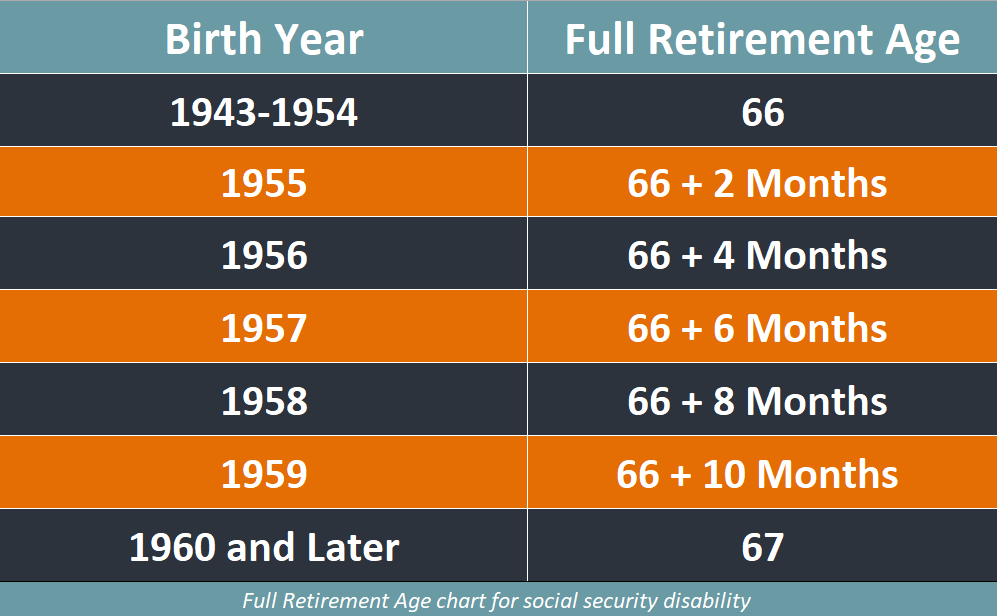
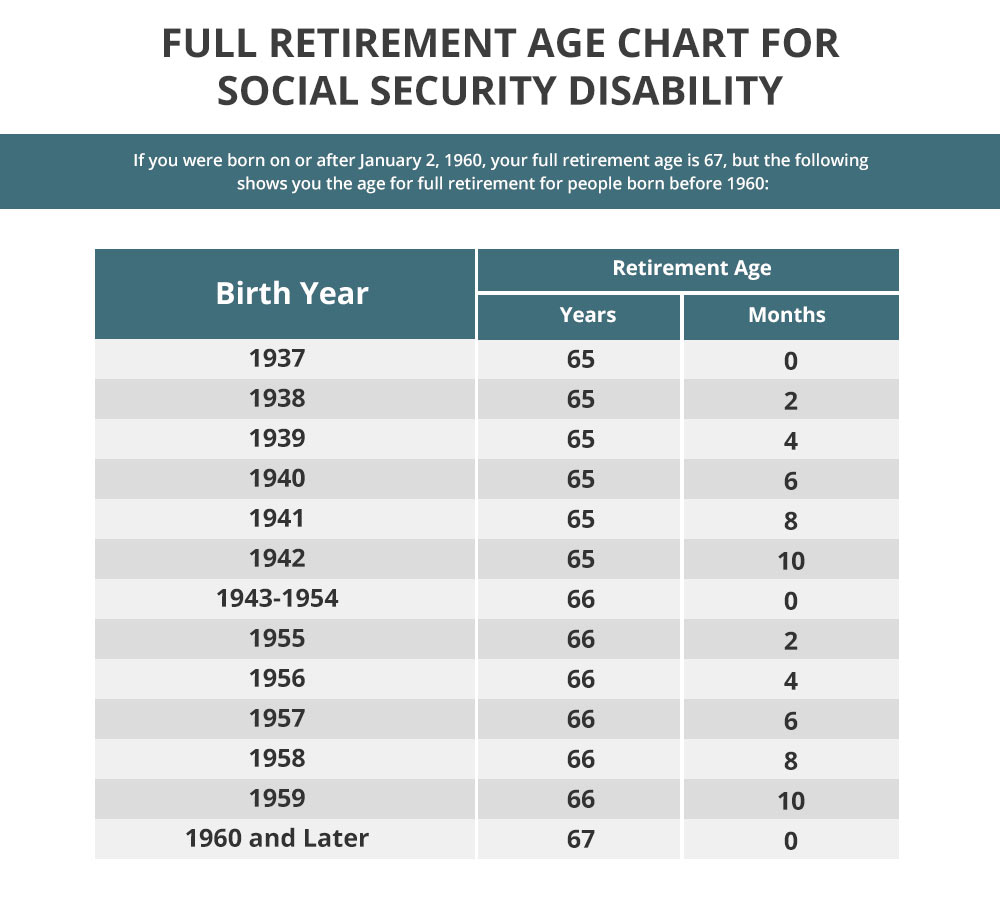
For anyone born in 1943 or later, their Full Retirement Age (FRA) is no longer 65. Depending on the birth year, FRA ranges from 66 to 67. For instance, if you were born between 1943 and 1954, your FRA is 66. If you were born in 1960 or later, your FRA is 67. This distinction is vital because claiming Social Security benefits before your FRA results in a permanent reduction in your monthly payment.
When you claim benefits at age 65, you are essentially filing for “early” benefits if your FRA is 66 or 67. This means your primary insurance amount (PIA) – the benefit you would receive if you filed at your FRA – will be reduced. The reduction rate is approximately 5/9 of 1% for each month before FRA, up to 36 months, and 5/12 of 1% for each month beyond 36 months. For someone with an FRA of 67, claiming at 65 means two full years (24 months) of early claiming, leading to a significant and permanent reduction in their monthly payout compared to what they would receive at FRA. If your FRA is 66, claiming at 65 means a one-year (12-month) reduction.
The calculation of your benefits begins with your Average Indexed Monthly Earnings (AIME), derived from your 35 highest-earning years. This AIME is then used to determine your PIA. Claiming at 65 directly impacts this PIA, making it crucial to weigh the immediate financial need against the long-term reduction in income.
The Current Landscape: Averages and Realities
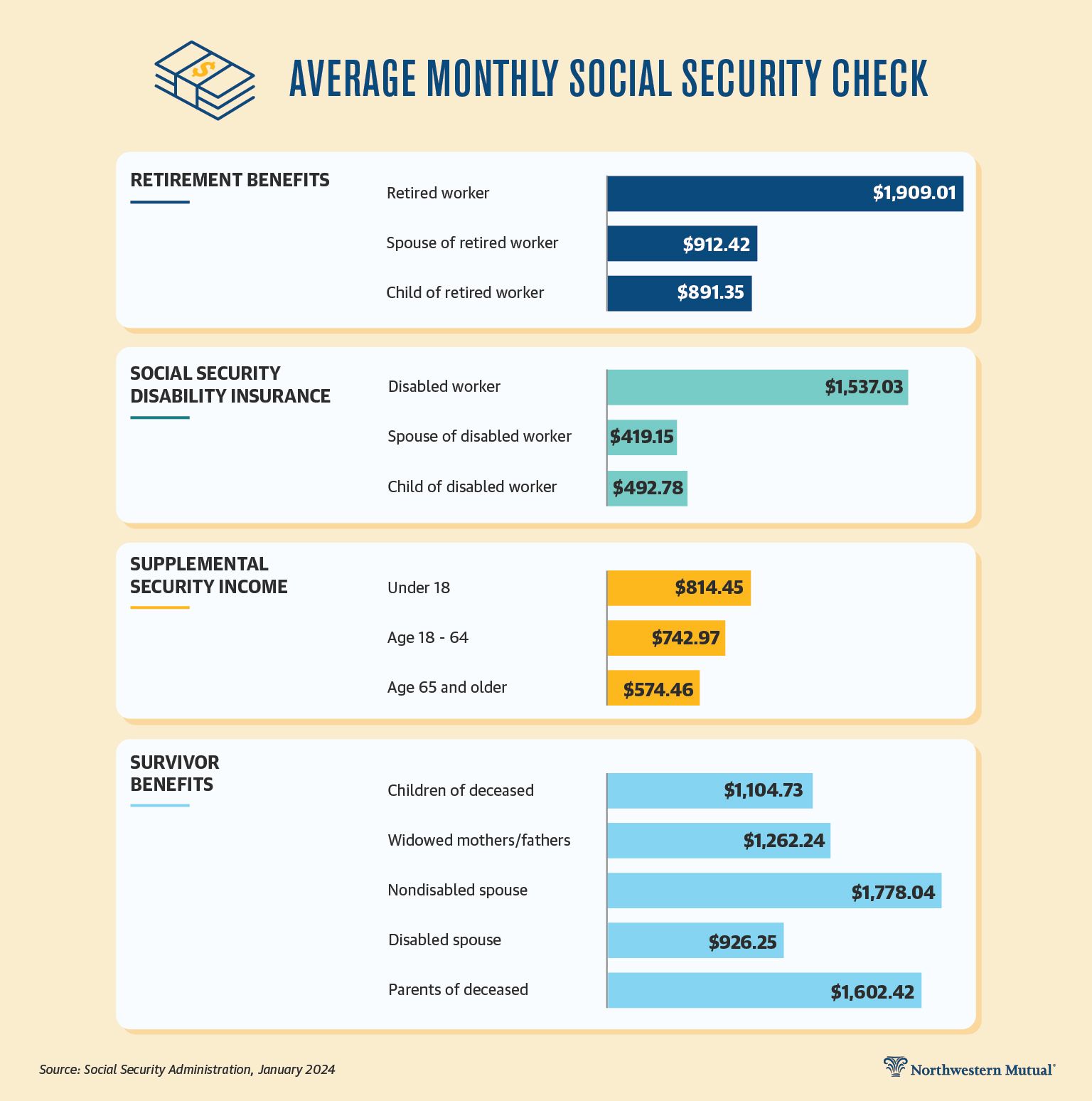
As of recent data (e.g., late 2023/early 2024), the average Social Security benefit for all retired workers is approximately in the range of $1,900-$1,950 per month. However, it’s critical to understand that this is an average for all retired workers, encompassing those who claimed early, at FRA, and even those who delayed claiming beyond FRA.
For an individual specifically claiming at age 65, their average check will likely be lower than the overall average retired worker benefit if their FRA is 66 or 67. This is due to the aforementioned early claiming reduction. While the Social Security Administration (SSA) doesn’t typically publish a specific “average check at age 65,” we can infer the impact.
Let’s consider an example: If an individual’s Full Retirement Age is 67, and their Primary Insurance Amount (PIA) at age 67 would be $2,000, claiming at age 65 (two years early) would result in a permanent reduction. For an FRA of 67, the reduction for claiming at 65 is roughly 13.3%. This would reduce their $2,000 PIA to approximately $1,734 per month. If their FRA were 66, claiming at 65 (one year early) would result in a reduction of approximately 6.7%, bringing a $2,000 PIA down to roughly $1,866.
These examples illustrate why the overall average doesn’t directly apply to someone claiming specifically at 65. The precise amount depends entirely on an individual’s earnings history and their specific FRA. It highlights the importance of checking your personalized Social Security statement, which provides an estimate of your benefits at various claiming ages.
Factors That Determine Your Benefit Amount
Your Social Security benefit isn’t a one-size-fits-all figure. Several key factors converge to determine the exact amount of your monthly check. Understanding these components is essential for effective retirement planning.
Your Earnings History
The foundation of your Social Security benefit is your lifetime earnings record. The Social Security Administration calculates your Average Indexed Monthly Earnings (AIME) based on your 35 highest-earning years. If you have fewer than 35 years of work, zero-earning years will be averaged in, which can significantly lower your AIME and, consequently, your benefit. This indexing process adjusts past earnings to account for changes in the average wage level over time, ensuring that your past income has comparable value to current income when calculating your benefit. Higher lifetime earnings generally lead to higher Social Security benefits, up to an annual maximum that changes each year.
Your Full Retirement Age (FRA)
As previously discussed, your Full Retirement Age is a critical determinant. It’s the age at which you are entitled to receive 100% of your Primary Insurance Amount (PIA). Your FRA depends on your birth year:
-
Born 1943-1954: FRA is 66
-
Born 1955: FRA is 66 and 2 months
-
Born 1956: FRA is 66 and 4 months
-
Born 1957: FRA is 66 and 6 months
-
Born 1958: FRA is 66 and 8 months
-
Born 1959: FRA is 66 and 10 months
-
Born 1960 or later: FRA is 67
Claiming before your FRA results in a permanent reduction, while delaying beyond your FRA (up to age 70) results in an increase due to Delayed Retirement Credits.
The Claiming Age
The age at which you file for benefits is perhaps the most significant variable you directly control. You can start receiving retirement benefits as early as age 62, but doing so results in the maximum early claiming reduction. For each month you claim before your FRA, your benefit is reduced. Conversely, if you delay claiming past your FRA, up to age 70, you earn Delayed Retirement Credits, which permanently increase your monthly benefit. These credits accumulate at a rate of 8% per year for each year you delay. For someone with an FRA of 67, delaying until 70 could mean a 24% increase over their PIA. Claiming at 65, when your FRA is 66 or 67, means you are foregoing these potential increases and accepting a reduced benefit.
Cost-of-Living Adjustments (COLAs)
Once you begin receiving Social Security benefits, your payments are subject to annual Cost-of-Living Adjustments (COLAs). These adjustments are designed to help your benefits keep pace with inflation. The COLA is based on the increase in the Consumer Price Index for Urban Wage Earners and Clerical Workers (CPI-W). While COLAs protect the purchasing power of your benefits over time, they do not increase your real benefit amount; they merely maintain its value against inflation.
Other Benefits (Spousal, Survivor)
While the primary focus is on your individual worker benefit, it’s worth noting that other Social Security benefits can impact overall household income. Spousal benefits allow a spouse to claim up to 50% of their partner’s PIA (if claiming at their own FRA), provided their own worker benefit is less than that amount. Survivor benefits are paid to eligible family members of a deceased worker. These benefits can be crucial for financial security in specific circumstances and often require careful coordination between spouses regarding claiming strategies.
Strategic Considerations for Claiming Social Security at 65
Deciding when to claim Social Security is a highly personal financial decision with long-term implications. Opting to receive benefits at age 65, particularly if it’s before your Full Retirement Age, involves a trade-off that demands careful consideration.
Pros of Claiming Early
One of the primary advantages of claiming Social Security at 65 is the immediate access to income. For some, this income is essential to cover living expenses, especially if they are no longer able to work due to health issues, job loss, or a desire for early retirement. The psychological benefit of beginning retirement earlier and having a steady income stream can also be significant. For individuals with serious health conditions and a shorter life expectancy, claiming earlier might result in receiving more total lifetime benefits, as they may not live long enough to benefit from delayed retirement credits.
Cons of Claiming Early (at 65)
The most significant downside to claiming at 65 (if your FRA is later) is the permanent reduction in your monthly benefit. This reduction not only affects your personal income for the rest of your life but can also impact survivor benefits for your spouse, as their potential survivor benefit is based on your reduced amount. A lower monthly check at 65 means less purchasing power every year in retirement. This can be particularly problematic in later retirement years when other savings may be depleted. Furthermore, if you continue to work while receiving benefits before your FRA, you may be subject to the Social Security earnings limit, which can lead to further temporary benefit reductions.
The Break-Even Point
A useful tool in deciding when to claim is the concept of a “break-even point.” This is the age at which the cumulative total of your higher delayed benefits equals the cumulative total of your earlier, but lower, benefits. While calculating this precisely can be complex, for most people, the break-even point typically falls in their late 70s or early 80s. If you anticipate living past this age, delaying benefits could result in receiving more total lifetime income. Conversely, if your life expectancy is shorter, an earlier claim might be more beneficial.
Integration with Other Retirement Income
Social Security should not be viewed in isolation but rather as one component of a holistic retirement income strategy. How your Social Security decision integrates with your 401(k), IRA, pension, personal savings, and other investments is crucial. Claiming Social Security at 65 might be a wise move if you have substantial other income sources that can bridge the gap until your FRA, allowing you to draw less from your investment accounts initially. Alternatively, if your other savings are modest, delaying Social Security might be a way to maximize your guaranteed lifetime income.
Health and Longevity
Your personal health and family history regarding longevity are highly personal factors that should influence your claiming decision. If you are in excellent health and have a family history of living into your 80s or 90s, delaying Social Security to maximize your monthly benefit for a longer period could be a sound strategy. Conversely, if health challenges suggest a shorter life expectancy, an earlier claim might be more prudent to ensure you receive benefits for as long as possible.
Maximizing Your Social Security Benefits
Regardless of when you ultimately decide to claim, understanding how to maximize your benefits can significantly impact your financial security in retirement.
Working Longer
One of the most direct ways to increase your Social Security benefit is to work longer. If you have fewer than 35 years of earnings, continuing to work can replace a zero-earning year with an earned income year, boosting your AIME. Even if you have 35 years, working additional years with higher income can replace a lower-earning year from earlier in your career, further increasing your AIME. Furthermore, working longer naturally delays your claiming age, which can lead to a higher monthly check if you wait until your FRA or beyond.
Understanding Your Statement
Every worker can access their personalized Social Security Statement online at the SSA website. This statement provides a detailed earnings history and estimates of your future benefits at various ages (62, FRA, and 70). Regularly reviewing your statement ensures your earnings record is accurate and provides concrete numbers for your financial planning. It is your most valuable resource for understanding your specific benefit potential.
Spousal and Survivor Strategies
For married couples, there are often strategic opportunities to maximize household Social Security income. These can include one spouse claiming early while the other delays, or the “file and suspend” strategy (though largely phased out, some nuances remain for specific age groups). Coordinating claiming ages can lead to significantly higher combined lifetime benefits, particularly for survivor benefits, which can be crucial for the surviving spouse. Understanding the rules for spousal and survivor benefits is vital for maximizing financial protection for your household.
Professional Financial Advice
Given the complexity and the significant financial implications, consulting with a qualified financial advisor who specializes in retirement planning and Social Security can be invaluable. An advisor can help you analyze your specific situation, project different claiming scenarios, and integrate your Social Security decision into your broader financial plan, considering your investments, taxes, health care costs, and desired retirement lifestyle. Their expertise can help you navigate the nuances and make the most optimal decision for your unique circumstances.
aViewFromTheCave is a participant in the Amazon Services LLC Associates Program, an affiliate advertising program designed to provide a means for sites to earn advertising fees by advertising and linking to Amazon.com. Amazon, the Amazon logo, AmazonSupply, and the AmazonSupply logo are trademarks of Amazon.com, Inc. or its affiliates. As an Amazon Associate we earn affiliate commissions from qualifying purchases.