
The landscape of personal finance has undergone a radical transformation over the last decade, shifting from paper-heavy processes to streamlined digital ecosystems. Perhaps no area of financial life has felt this shift more profoundly than tax preparation. Filing taxes online has evolved from a niche alternative to the standard method for millions of taxpayers worldwide. However, the abundance of software options and the complexity of tax codes can make the process feel daunting. Understanding how to navigate the digital tax landscape is not just about meeting a deadline; it is about optimizing your financial health, ensuring accuracy, and maximizing your potential refund.

Choosing the Right Software: Navigating the Digital Tax Landscape
The first step in filing your taxes online is selecting the platform that best aligns with your financial complexity. The market for tax software is diverse, ranging from simple, free-to-use tools to robust platforms designed for complex corporate interests. Choosing the wrong one can lead to either overpaying for features you don’t need or missing out on sophisticated optimizations that could save you thousands.
Free vs. Paid Options
For many taxpayers with straightforward financial situations—such as those whose primary income comes from a standard W-2 and who do not have significant investment portfolios or business expenses—free filing options are increasingly powerful. The IRS Free File program is a public-private partnership that provides free brand-name tax preparation software to those who fall under a certain income threshold. Additionally, platforms like Cash App Taxes (formerly Credit Karma Tax) and FreeTaxUSA offer free federal filing for most users, often regardless of income level.
However, as your financial portfolio grows, the value of paid “Premium” or “Self-Employed” tiers becomes more apparent. These paid versions offer advanced logic for handling capital gains from stock trading, cryptocurrency transactions, and rental property income. They often include “audit defense” services, which provide professional representation should the IRS question your return—a significant peace of mind for those in high-bracket income categories.
Specialized Software for Freelancers and Business Owners
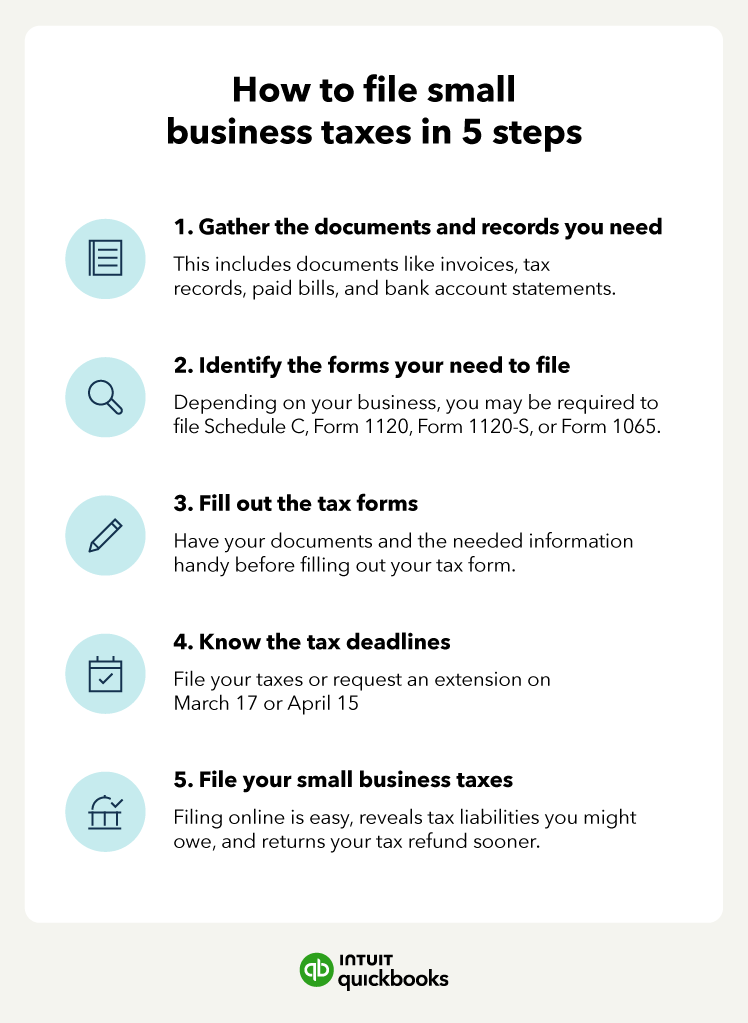
The rise of the “gig economy” and online side hustles has created a specific need for tax software that can handle Schedule C forms. If you are a freelancer or a small business owner, you require a platform that integrates with your accounting software. Many modern tax tools now sync directly with apps like QuickBooks or FreshBooks, allowing for the automatic categorization of business expenses. This integration reduces manual entry errors and ensures that every legitimate deduction—from home office square footage to professional membership fees—is accounted for.
Organizing Your Financial Data: The Key to a Seamless Filing Process
Effective online tax filing begins long before you log into a software platform. The “garbage in, garbage out” principle applies heavily to financial reporting. If your data is disorganized, the software cannot accurately calculate your liability. Organizing your digital “paper trail” is the foundation of a successful filing season.
Essential Documents and Records
Before starting the online process, you should aggregate all digital versions of your income and expense documents. Most financial institutions now provide these exclusively through their online portals.
-
Income Statements: W-2s from employers, 1099-NEC for freelance work, 1099-INT for interest earned, and 1099-DIV for dividends.
-
Adjustment Documentation: Form 1098 for mortgage interest, 1098-E for student loan interest, and records of contributions to Health Savings Accounts (HSAs) or Traditional IRAs.
-
Deduction Records: If you plan to itemize, you will need organized receipts for charitable contributions, medical expenses that exceed a certain percentage of your income, and state and local tax records.
Leveraging Digital Tools for Record-Keeping
To make the online filing process truly efficient, consider using document management tools throughout the year. Cloud storage services like Google Drive, Dropbox, or specialized apps like Expensify allow you to scan receipts and store them in categorized folders. When tax season arrives, you aren’t hunting through shoeboxes; you are simply uploading PDFs. Many high-end tax platforms now feature OCR (Optical Character Recognition) technology, which allows you to upload a photo of your W-2 or 1099, and the software automatically populates the corresponding fields, drastically reducing the risk of typos.
Maximizing Deductions and Credits through Online Platforms
One of the primary benefits of filing online is the guided interview process used by modern software. These platforms use logic-based questionnaires to identify tax credits and deductions you might not even know exist. In the realm of personal finance, understanding the difference between a deduction (which lowers your taxable income) and a credit (which provides a dollar-for-dollar reduction in the tax you owe) is crucial.

Common Credits to Look Out For
Online tools are particularly adept at flagging refundable and non-refundable credits.
-
The Child Tax Credit (CTC): This remains one of the most significant boons for families. Online software will ask for the ages and residency status of your dependents to ensure you receive the maximum benefit.
-
The Earned Income Tax Credit (EITC): Often overlooked by manual filers, this credit is intended for low-to-moderate-income working individuals and families.
-
Education Credits: The American Opportunity Tax Credit (AOTC) and the Lifetime Learning Credit (LLC) can offset the costs of higher education. Online platforms will prompt you to enter information from your Form 1098-T to calculate these.
The Role of AI and Algorithmic Optimization
We are entering an era where Artificial Intelligence plays a significant role in tax optimization. Modern online tax platforms use algorithms to run thousands of “what-if” scenarios in the background. They compare whether it is more beneficial for a married couple to file jointly or separately, or whether taking the standard deduction outperforms itemizing based on the data provided. This level of computational analysis was once reserved for high-priced CPAs, but it is now accessible to anyone with an internet connection.
Security and Compliance: Protecting Your Personal Finance Data
When you do your taxes online, you are handling the most sensitive data of your financial life: Social Security numbers, bank account details, and income history. Security is not an area where you can afford to compromise. The rise of digital filing has unfortunately been accompanied by a rise in tax-related identity theft and phishing scams.
Verifying the Credibility of Tax Platforms
Only use platforms that are authorized IRS e-file providers. The IRS maintains a database of these authorized partners. Furthermore, ensure that the website uses high-level encryption (look for the padlock icon in the browser address bar and “https” in the URL). Reputable platforms will also offer Multi-Factor Authentication (MFA). You should always enable MFA, which requires a code from your phone or an authenticator app in addition to your password, providing an essential layer of defense against unauthorized access.
Safeguarding Sensitive Information
Be wary of emails or text messages claiming to be from the IRS or your tax software provider asking for your password or personal details. The IRS does not initiate contact with taxpayers by email, text messages, or social media channels to request personal or financial information. When filing online, use a secure, private Wi-Fi connection. Filing your taxes at a coffee shop on public Wi-Fi is a significant security risk, as “man-in-the-middle” attacks can allow hackers to intercept your data as it travels to the server.
Beyond the Filing: Planning for Next Year’s Tax Health
Filing your taxes online should not be viewed as an isolated annual event, but rather as a checkpoint in your ongoing financial strategy. The software you use will typically provide a “Tax Summary” or “Year-Over-Year Comparison.” This data is invaluable for future financial planning.
Adjusting Withholdings and Estimated Payments
If you find that you owe a large sum at the end of the year, it may be time to adjust your W-4 with your employer to increase your withholding. Conversely, if you receive a massive refund, you are essentially giving the government an interest-free loan. You might prefer to decrease your withholding so that you have more capital available each month for investing or debt repayment. For those with online side incomes, your tax software will often calculate the “Estimated Tax Payments” you should make quarterly to avoid underpayment penalties in the following year.
Long-Term Financial Integration
The data generated during your online filing process is the raw material for a broader financial plan. Many online tax platforms now offer integrations with investment tracking and budgeting apps. By analyzing your tax return, you can identify if you are taking full advantage of tax-advantaged accounts like 401(k)s, IRAs, or HSAs. The goal of doing your taxes online is to minimize your liability legally, but the ultimate goal of personal finance is to use those savings to build long-term wealth and security.
In conclusion, doing your taxes online is a process of leveraging technology to gain clarity over your financial life. By choosing the right tools, maintaining meticulous digital records, and staying vigilant regarding security, you can turn a stressful annual chore into a strategic advantage. As the digital tools continue to evolve, the line between “doing your taxes” and “managing your wealth” will continue to blur, offering even more opportunities for the savvy digital filer.
aViewFromTheCave is a participant in the Amazon Services LLC Associates Program, an affiliate advertising program designed to provide a means for sites to earn advertising fees by advertising and linking to Amazon.com. Amazon, the Amazon logo, AmazonSupply, and the AmazonSupply logo are trademarks of Amazon.com, Inc. or its affiliates. As an Amazon Associate we earn affiliate commissions from qualifying purchases.