
When evaluating a career path, the financial trajectory is often the primary driver of the decision-making process. In the healthcare sector, dental hygiene has long been heralded as a gold standard for those seeking a balance between a high earning potential, job stability, and a manageable work-life schedule. However, understanding the “average salary” of a dental hygienist requires a deep dive into the nuances of the labor market, regional economic shifts, and the evolving landscape of personal finance within the medical field.
As of the current fiscal year, the dental hygiene profession remains one of the most lucrative “associate-degree-entry” roles in the United States. Yet, a simple number does not tell the whole story. To truly understand the money behind the mask, we must analyze the factors that drive compensation and how professionals can leverage their skills to maximize their lifetime earnings.
Understanding the Base: What Is the Average Salary of a Dental Hygienist?
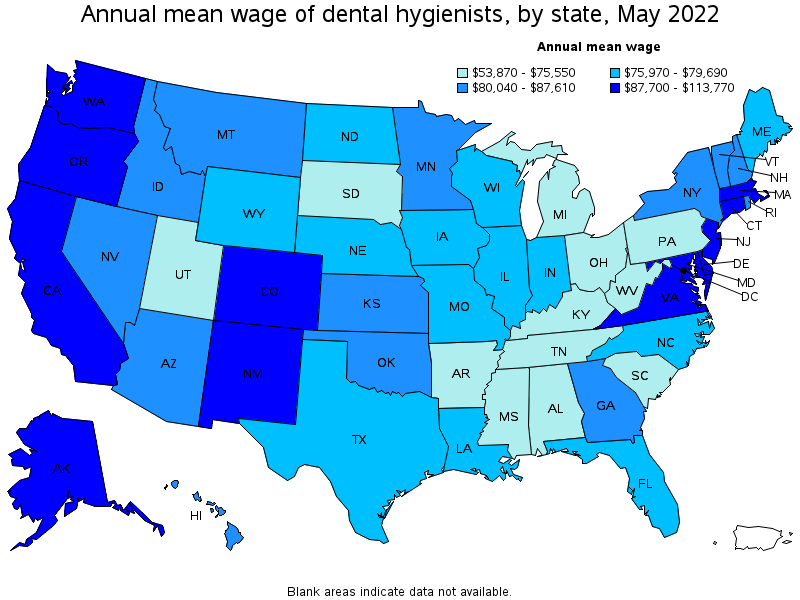
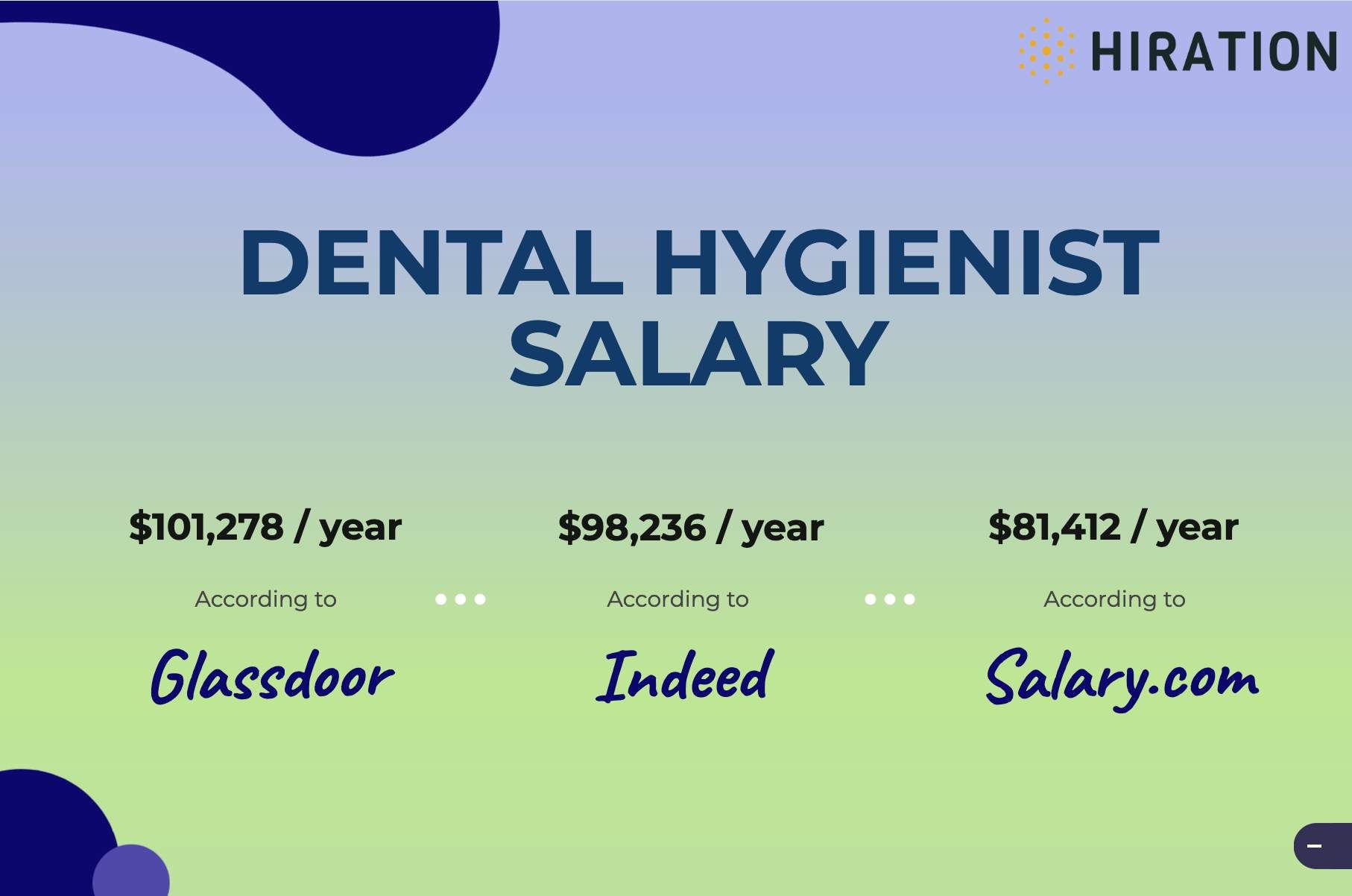
At the core of the discussion is the baseline figure. According to recent data from the Bureau of Labor Statistics (BLS) and various specialized recruitment platforms, the median annual wage for dental hygienists hovers between $81,000 and $87,000. This equates to an hourly rate of approximately $39.00 to $42.00. While these figures provide a solid benchmark, they represent a wide spectrum of financial realities.
National Averages and Regional Disparities
In the world of personal finance, location is often the single greatest determinant of purchasing power. A dental hygienist earning $80,000 in Mississippi will likely have a higher discretionary income than one earning $100,000 in San Francisco or New York City due to the cost of living.
High-demand states such as California, Washington, and Alaska often report average salaries exceeding $100,000. Conversely, in the Southeast or Midwest, averages may dip toward the $65,000 to $75,000 range. When evaluating a salary offer, it is vital to calculate the “real value” of the income by factoring in state income taxes, housing costs, and local inflation rates.
The Role of Work Setting on Earnings
Where a hygienist works significantly impacts their paycheck. The vast majority of hygienists are employed in private dental offices, where compensation is usually a straight hourly wage or a daily rate. However, there are alternative avenues that can offer different financial structures:
- Specialty Practices: Working in periodontics or orthodontics sometimes commands a premium due to the specialized nature of the work.
- Government and Public Health: While these roles might offer a slightly lower base salary compared to private high-end cosmetic practices, they often come with robust pension plans and comprehensive benefits that increase the total “hidden” compensation.
- Corporate Dental Organizations (DSOs): Large dental chains often provide more aggressive sign-on bonuses and structured raises, though the work environment may be more fast-paced.
Factors That Influence Your Earning Potential
In any profession, the “average” is merely a starting point. Moving into the top 10% of earners—who often make upwards of $115,000—requires an understanding of the variables that influence value in the eyes of an employer.
Experience and Specialized Certifications
The transition from a novice to a seasoned professional is marked by a steady increase in billable efficiency and patient retention. In the first five years, a hygienist can expect the most significant percentage increases in their salary.
Furthermore, clinical certifications can act as financial catalysts. For instance, being certified to administer local anesthesia or nitrous oxide, or obtaining a permit for Restorative Functions (EFDA), allows the hygienist to perform more complex tasks, thereby increasing the revenue they generate for the practice. In the language of business finance, a hygienist who can perform more procedures is a higher-yield asset, justifying a higher salary.
Full-time vs. Part-time: The Flex-Work Financial Trade-off
Dental hygiene is unique in its prevalence of part-time work. Many hygienists choose to work three to four days a week. While this offers an enviable lifestyle, it changes the financial equation.

A “full-time” salary usually includes a benefits package—health insurance, 401(k) matching, and paid time off (PTO). A part-time hygienist may earn a higher hourly rate to compensate for the lack of benefits. From a personal finance perspective, a hygienist must calculate whether the higher “sticker price” of an hourly wage without benefits actually nets more money than a lower hourly wage that includes a $15,000-per-year benefits package.
Maximizing Your Income: Strategies for Financial Growth
The most successful professionals do not wait for annual cost-of-living adjustments; they treat their careers like a business. Increasing your income as a dental hygienist involves a combination of negotiation, clinical excellence, and strategic positioning.
Negotiating Your Worth in a High-Demand Market
We are currently in a “candidate’s market” in the dental industry. Post-pandemic shifts have led to a shortage of qualified dental hygienists in many regions, giving practitioners significant leverage.
When negotiating a salary, it is essential to come prepared with data. This includes:
- Production Reports: Show exactly how much revenue you bring into the practice. If you are producing three to four times your salary in billable services, you have a strong case for a raise.
- Market Comparisons: Use local data to show that your current compensation is below the market rate for your level of experience.
- Non-Monetary Benefits: If the practice cannot meet your salary demands, negotiate for more CE (Continuing Education) credits, extra vacation days, or a more flexible schedule which can reduce your personal expenses (like childcare).
Diversifying Income Streams Within the Dental Industry
For those looking to break past the ceiling of clinical hourly pay, diversification is key. Many hygienists are leveraging their expertise to create “side hustles” or alternative revenue streams:
- Dental Sales and Consulting: Working as a clinical educator for tech or tool companies can offer commissions on top of a base salary.
- Professional Speaking and Writing: Established experts can earn significant fees for presenting at conferences or writing for trade publications.
- Temping: Utilizing “temp” apps allows hygienists to pick up shifts at premium rates (often $10–$20 higher than their base pay) during their days off, providing an immediate boost to their savings or investment goals.
The Long-Term Financial Outlook: Investment and Retirement
The physical demands of dental hygiene—repetitive motion and long hours on one’s feet—mean that career longevity must be supported by a strong financial exit strategy. A high salary is only effective if it is managed correctly to build long-term wealth.
Building a Personal Wealth Strategy
Because many dental offices are small businesses, they may not offer the same robust retirement plans found in the corporate world. This places the burden of financial planning on the individual.
- Self-Directed IRAs: If a practice doesn’t offer a 401(k), a hygienist should prioritize contributing to a Roth or Traditional IRA to ensure their money is working for them through compound interest.
- Health Savings Accounts (HSAs): For those on high-deductible health plans, an HSA is a triple-tax-advantaged tool that can serve as a secondary retirement fund for healthcare costs in old age.
- Disability Insurance: Given the physical risks of the job (such as carpal tunnel or back issues), protecting one’s ability to earn an income is a vital financial move. Investing in a high-quality disability insurance policy is just as important as investing in the stock market.
Understanding Employee Benefits and Total Compensation Packages
When comparing two job offers, the “Money” focus should always be on the Total Compensation. Consider two scenarios:
- Office A: Offers $45/hour but no retirement match and a high-premium health plan.
- Office B: Offers $40/hour but provides a 5% 401(k) match, fully paid health insurance, and $2,000 a year for Continuing Education.
In many cases, Office B is the superior financial choice. The $5 difference in hourly pay equates to roughly $10,000 a year (based on a 40-hour week), but the health insurance and retirement match in Office B could easily be valued at $15,000 or more, not to mention the tax advantages of the retirement contributions.
Conclusion
The average salary of a dental hygienist is more than just a statistic; it is a reflection of a dynamic and essential sector of the healthcare economy. While the base numbers are impressive compared to many other vocational paths, the true financial success of a dental hygienist depends on their ability to navigate regional markets, negotiate their value, and manage their income with a long-term wealth-building mindset. By viewing the profession through the lens of personal finance and strategic investment, a dental hygienist can transform a steady paycheck into a lifetime of financial security.
aViewFromTheCave is a participant in the Amazon Services LLC Associates Program, an affiliate advertising program designed to provide a means for sites to earn advertising fees by advertising and linking to Amazon.com. Amazon, the Amazon logo, AmazonSupply, and the AmazonSupply logo are trademarks of Amazon.com, Inc. or its affiliates. As an Amazon Associate we earn affiliate commissions from qualifying purchases.