
The intersection of healthcare and technology has moved far beyond electronic health records and basic telemedicine. Today, we are witnessing a digital revolution in how we understand complex neurological conditions. Among the most challenging aspects of neurodegenerative care is “Dementia-Related Psychosis” (DRP)—a term encompassing the hallucinations and delusions that affect a significant percentage of those living with Alzheimer’s and other forms of dementia. While historically managed through traditional clinical observation, the tech industry is now providing sophisticated tools to detect, monitor, and mitigate these symptoms.
In this deep dive, we explore how cutting-edge technology—ranging from artificial intelligence and machine learning to wearable sensors and digital therapeutics—is redefining what it means to live with and treat dementia-related psychosis.
1. The Intersection of Cognitive Decline and Digital Innovation
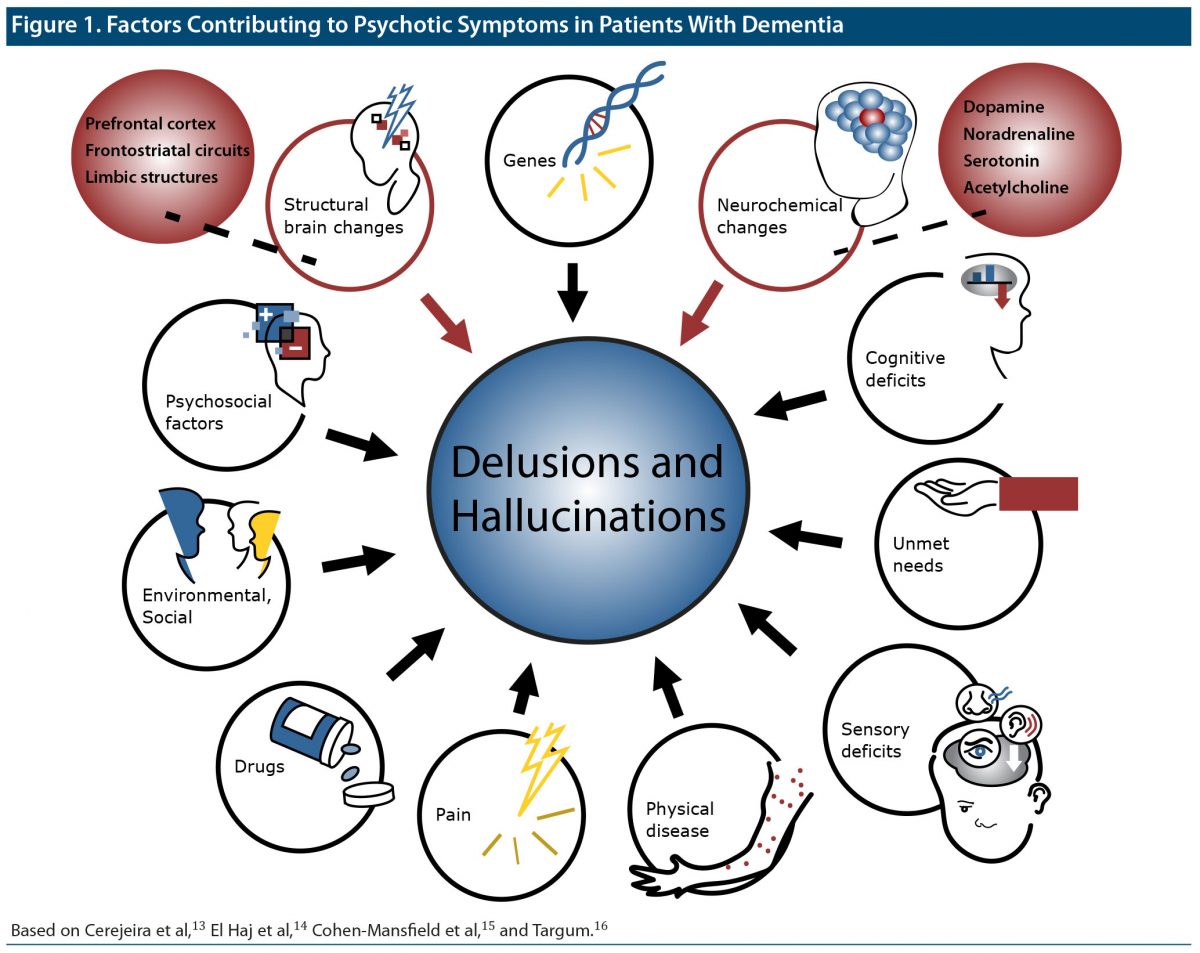
To understand how technology assists in managing dementia-related psychosis, we must first define the condition through the lens of data and observation. DRP is not a standalone disease but a symptom of underlying brain changes. It manifests as visual or auditory hallucinations (seeing or hearing things that aren’t there) and delusions (firmly held false beliefs, often involving paranoia).
Defining Dementia-Related Psychosis in a Digital Context
From a technological standpoint, DRP represents a “behavioral outlier” in a patient’s standard baseline. Traditional medicine relies on caregiver reports, which are often subjective and retrospective. However, the tech sector views DRP as a series of measurable data points. By utilizing “Digital Phenotyping”—the moment-to-moment quantification of the individual-level human phenotype in situ using data from personal digital devices—tech companies are creating a clearer picture of when and why these psychotic episodes occur.
The Role of Big Data in Early Detection
The power of Big Data lies in its ability to identify patterns that the human eye might miss. Large-scale data harvesting from clinical trials and longitudinal studies is being fed into neural networks to identify “prodromal” signs of psychosis. These are the subtle behavioral shifts—changes in sleep architecture, slight tremors, or altered gait—that often precede a full-blown delusional episode. By identifying these patterns, tech platforms can alert medical professionals days or even weeks before a crisis occurs, shifting the paradigm from reactive to proactive care.
2. AI and Machine Learning: Predicting Psychotic Episodes
Artificial Intelligence (AI) is the cornerstone of modern MedTech innovations in the dementia space. By processing vast amounts of unstructured data, machine learning algorithms are becoming increasingly adept at predicting the onset of dementia-related psychosis.
Analyzing Linguistic Patterns with Natural Language Processing (NLP)
One of the most exciting frontiers in tech is the use of Natural Language Processing (NLP) to monitor cognitive health. Dementia-related psychosis often changes the way a person speaks; they may use more “distanced” language, show increased repetitive phrasing, or exhibit “word salad.”
Tech tools like AI-driven voice assistants are being developed to passively monitor these linguistic shifts. If an AI detects a significant deviation in the complexity or tone of a patient’s speech, it can flag the possibility of a psychotic transition. This non-invasive monitoring allows for a level of oversight that was previously impossible without 24/7 nursing care.
Predictive Analytics for Caregivers and Clinicians
Machine learning models are also being used to create “Risk Scores” for patients. By integrating data from electronic health records (EHRs) with real-time biometric data, these algorithms can provide a probability of a psychotic event. For tech-enabled care facilities, this means staffing can be adjusted and pharmacological interventions can be optimized. Instead of waiting for a patient to become agitated or frightened by a hallucination, the tech provides a “weather forecast” for the patient’s mental state, allowing for environmental adjustments that may prevent the episode entirely.
3. Assistive Tech and Digital Therapeutics (DTx)
Beyond prediction, the technology sector is building tools to actively manage the environment and the experience of those suffering from DRP. Digital Therapeutics (DTx) are evidence-based therapeutic interventions driven by high-quality software programs to prevent, manage, or treat a medical disorder.
Virtual and Augmented Reality as Calming Interventions
Virtual Reality (VR) is proving to be a potent tool in the management of dementia-related psychosis. For a patient experiencing a frightening delusion or a confusing hallucination, VR can provide a “controlled environment.” By immersing the patient in a familiar, serene digital landscape—such as a virtual version of their childhood garden or a calming beach—clinicians can use “reminiscence therapy” to ground the patient in reality.
Furthermore, Augmented Reality (AR) can help minimize the impact of visual hallucinations. AR glasses can overlay “anchors” in the real world, helping the patient distinguish between what is part of their physical environment and what is a manifestation of their psychosis.
Smart Home Integration and Patient Monitoring
The “Internet of Things” (IoT) has a massive role to play in the safety of patients with DRP. Psychosis often leads to “wandering” or “exit seeking” due to paranoid delusions. Smart home ecosystems can now be programmed with specific logic for dementia care:
- Smart Lighting: Circadian lighting systems that adjust color temperature to reduce “sundowning,” a phenomenon where psychosis symptoms worsen in the evening.
- Acoustic Sensors: AI-powered microphones that can detect the sound of a fall or the specific frequency of a distressed voice, automatically alerting emergency services or family members.
- Pressure-Sensitive Mats: High-tech floor sensors that track movement patterns, identifying if a patient is pacing (a common sign of rising anxiety or impending psychosis).
4. The Hardware Frontier: Wearables and Biosensors
While software handles the data, hardware provides the input. The next generation of wearables is moving far beyond the simple step-counting capabilities of early fitness trackers.
Advanced Biometrics: Measuring the Physical Manifestations of Psychosis
Dementia-related psychosis often triggers a “fight or flight” response in the autonomic nervous system. New medical-grade wearables can track Electrodermal Activity (EDA), which measures skin conductance related to sweat gland activity. A spike in EDA, combined with an elevated heart rate and reduced Heart Rate Variability (HRV), can be a “digital biomarker” for acute distress. For a patient who may not be able to articulate that they are seeing a hallucination, these sensors provide a voice to their physiological panic, allowing for immediate tech-assisted intervention.
Remote Monitoring Systems and Cloud Integration
The modern tech stack for dementia care relies on the cloud. Data from wearables is transmitted to a centralized hub where it is processed and visualized for the healthcare team. This “Remote Patient Monitoring” (RPM) ensures that even patients living in rural areas have access to high-level psychiatric oversight. The integration of these devices into a cohesive dashboard allows doctors to see the efficacy of medications in real-time, adjusting dosages based on hard data rather than anecdotal evidence.
5. Ethical Considerations in the Tech-Driven Care Landscape
As we lean more heavily on technology to manage sensitive conditions like dementia-related psychosis, we must address the ethical and security implications inherent in the tech niche.
Data Privacy and the Vulnerable User
The collection of biometric, linguistic, and location data from individuals with cognitive decline raises significant privacy concerns. From a digital security perspective, this data is highly sensitive. Tech developers must implement “Privacy by Design,” ensuring that data is encrypted end-to-end and that consent mechanisms are robust, even when the user’s cognitive state is fluctuating. The challenge lies in creating a secure digital environment that protects the patient’s identity while still allowing the AI to function effectively.

Balancing Automation with Human Compassion
The ultimate goal of technology in the context of dementia-related psychosis is not to replace human caregivers, but to empower them. There is a risk of “over-automation,” where a patient might interact more with a screen or a sensor than a human being. The most successful tech solutions in this space are those that reduce the administrative and observational burden on caregivers, giving them more time for the high-touch, empathetic care that no algorithm can replicate.
As we look to the future, the “Tech” of dementia care will continue to evolve. We are moving toward a world where dementia-related psychosis is no longer a “black box” of unpredictable behavior, but a manageable condition supported by a sophisticated digital safety net. Through the synergy of AI, IoT, and advanced hardware, we are providing those suffering from DRP with something technology is uniquely positioned to offer: a clearer, safer, and more predictable reality.
aViewFromTheCave is a participant in the Amazon Services LLC Associates Program, an affiliate advertising program designed to provide a means for sites to earn advertising fees by advertising and linking to Amazon.com. Amazon, the Amazon logo, AmazonSupply, and the AmazonSupply logo are trademarks of Amazon.com, Inc. or its affiliates. As an Amazon Associate we earn affiliate commissions from qualifying purchases.