
The intersection of cardiovascular health and wearable technology has transformed the way we understand the human body. Historically, the question “what is the average normal heart rate?” was answered within the sterile confines of a doctor’s office using a manual pulse check or a clinical electrocardiogram (ECG). Today, that answer is being redefined by sophisticated sensors, machine learning algorithms, and a 24/7 stream of biometric data. As we move deeper into the era of the “quantified self,” understanding the technology behind heart rate monitoring is essential for interpreting the data that sits on our wrists and in our pockets.
The Technological Revolution in Biometric Monitoring
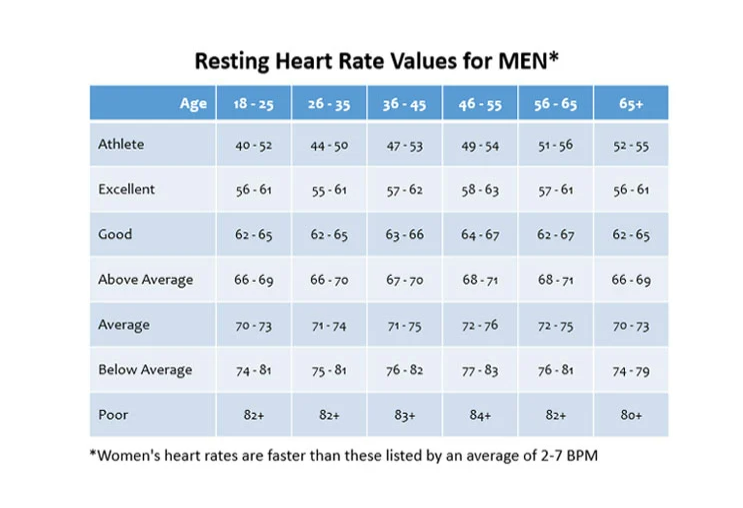
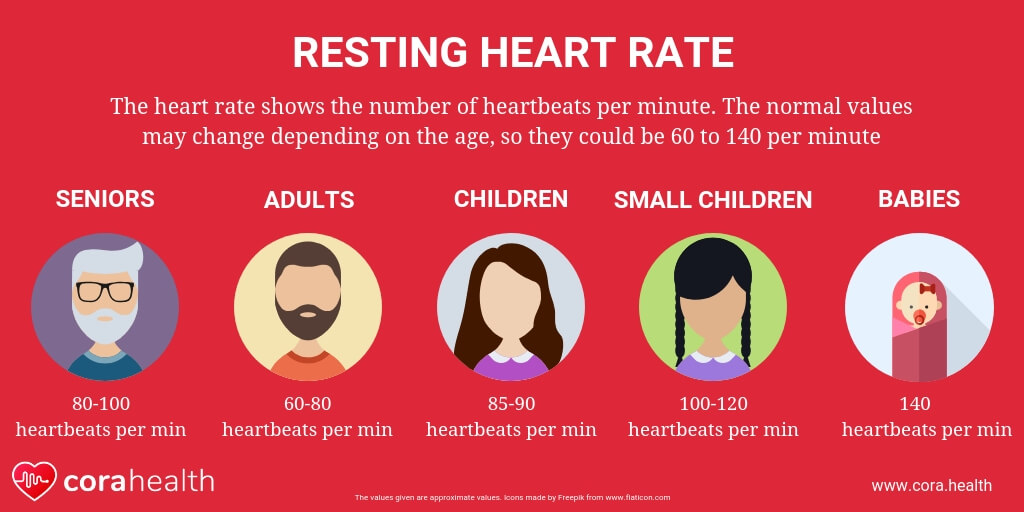
The standard medical definition of a resting heart rate for adults ranges from 60 to 100 beats per minute (BPM). However, the technology used to measure these beats has evolved from simple mechanical devices to complex digital ecosystems. Understanding how tech calculates “normal” requires a deep dive into the hardware that makes modern monitoring possible.
Photoplethysmography (PPG) and the Modern Wrist-Bound Sensor
Most consumer wearables, from the Apple Watch to Garmin and Fitbit devices, utilize Photoplethysmography (PPG). This technology uses green LED lights paired with light-sensitive photodiodes to measure the volume of blood flowing through the wrist. Because blood is red, it reflects red light and absorbs green light. When your heart beats, the blood flow in your wrist—and the green light absorption—is greater. Between beats, it is less.
By flashing its LED lights hundreds of times per second, the device can calculate the number of times the heart beats each minute. This tech has become incredibly precise, but it faces challenges like “noise” from movement or skin tone variations. Tech companies are constantly refining the signal-to-noise ratio through improved sensor arrays and sophisticated filtering software, ensuring that the “average” reported to the user is grounded in high-fidelity data.
Electrical Heart Sensors and the Consumer ECG
While PPG is excellent for continuous monitoring, it is an optical approximation. For a higher level of accuracy, tech companies have integrated electrical heart sensors into the chassis of their devices. By placing a finger on a digital crown or a specific metal contact point, the user completes a circuit across their chest, allowing the device to record a single-lead ECG.
This shift represents a monumental leap in consumer-facing hardware. These sensors do not just measure the “average” rate; they analyze the electrical waveform of the heart. This allows the software to detect irregularities such as Atrial Fibrillation (AFib), moving the conversation from simple pulse tracking to complex cardiac diagnostics.
Data Processing and the Algorithmic Definition of “Normal”
A heart rate of 72 BPM might be normal for a sedentary office worker but elevated for an elite athlete. This is where the “Tech” in heart rate monitoring moves from hardware to software. Raw data is meaningless without context, and modern AI tools are now tasked with defining what is “normal” for each specific user.
Defining Individual Baselines through Machine Learning
The most significant advancement in health tech is the move away from broad population averages toward personalized baselines. When you first wear a modern fitness tracker, the onboard software begins a calibration phase. Using machine learning models, the device analyzes your heart rate during sleep, periods of inactivity, and intense exercise.
Over time, the AI builds a profile of your unique cardiovascular signature. It learns that your “normal” resting heart rate might be 54 BPM—technically bradycardia by old clinical standards, but perfectly healthy for a fit individual. By establishing these personalized thresholds, the software can alert users to deviations that might indicate illness, stress, or overtraining, long before the user “feels” a difference.
Beyond BPM: The Importance of Heart Rate Variability (HRV)
In the world of high-end health tech, the “average heart rate” is increasingly taking a backseat to Heart Rate Variability (HRV). HRV is the measure of the variation in time between each heartbeat. While it sounds counterintuitive, a “regular” heart like a metronome is often a sign of stress. A high HRV indicates a nervous system that is resilient and responsive.

Calculating HRV requires immense processing power and high-speed sensors capable of measuring time in milliseconds. Apps like Oura, Whoop, and Athlytic use these complex calculations to provide a “Readiness Score” or “Recovery Index.” This shift illustrates how technology is moving beyond the simple “beats per minute” metric to provide a holistic view of the body’s internal state.
Software Ecosystems and the Quantified Self
The hardware captures the data, and the algorithms process it, but the software ecosystem is what makes the information actionable. The user interface (UI) and user experience (UX) of health apps play a critical role in how we perceive our “normal” heart rate and what we do with that information.
The Intersection of Fitness Apps and Cardiac Data
Digital platforms such as Strava, TrainingPeaks, and Apple Health have gamified the heart rate. By categorizing heart rates into “zones” (Zone 1 through Zone 5), these apps use tech to guide human behavior. The software calculates these zones based on the user’s maximum heart rate, which is often estimated using age-based formulas or determined through historical peak data captured during workouts.
This integration allows for real-time feedback. During a run, haptic engines in a smartwatch can vibrate to notify a user if their heart rate has exceeded a safe “normal” threshold for that specific activity. This loop of data-capture and real-time feedback is a hallmark of modern digital health platforms, transforming a passive measurement into an active coaching tool.
Digital Security and the Privacy of Biometric Information
As we continuously track our heart rates, we are generating a massive amount of sensitive biometric data. The tech industry has had to pivot quickly to address the security implications of this “digital DNA.” End-to-end encryption and on-device processing have become the gold standard for protecting heart rate data.
When a device records a potential cardiac event, that data is often encrypted before it is even synced to the cloud. Companies like Apple and Google-owned Fitbit emphasize that this data is siloed from their advertising arms, highlighting the growing importance of “privacy-first” engineering in health tech. The “average heart rate” is no longer just a number; it is a protected data point in a global digital infrastructure.
The Future of Wearable Tech and Preventive Cardiology
The trajectory of heart rate monitoring technology suggests a future where the “average” is monitored not just for fitness, but for life-saving preventive care. We are moving from reactive monitoring to proactive intervention through the power of predictive AI.
Predictive AI and Early Illness Detection
Researchers are currently using large language models and neural networks to analyze heart rate patterns on a massive scale. By looking at “normal” heart rate data from millions of users, tech companies can identify subtle patterns that precede the onset of respiratory infections or chronic conditions.
For instance, a slight, sustained increase in a user’s average resting heart rate over a 48-hour period, combined with a dip in HRV, can be a digital precursor to the flu or COVID-19. In the near future, your wearable might send you a push notification suggesting you rest before you even realize you are falling ill. This is the ultimate goal of health tech: turning the heart rate into an early-warning system.
Integration with the Broader Digital Health Landscape
The final frontier for this technology is its seamless integration with clinical healthcare systems. Telehealth platforms are already beginning to pull data directly from consumer wearables. In this ecosystem, your “average normal heart rate” is transmitted directly to your physician’s dashboard.
If the technology detects an anomaly—such as a sudden spike in BPM while the accelerometer shows the user is stationary—it can trigger an automated alert. This level of connectivity bridges the gap between consumer gadgets and professional medical equipment, ensuring that the technology on our wrists is more than just a novelty; it is a vital component of 21st-century longevity.
In conclusion, while the “average normal heart rate” remains a fundamental biological metric, the technology we use to track it has fundamentally changed its meaning. Through the lens of PPG sensors, AI-driven baselines, and secure software ecosystems, the heart rate has become a dynamic digital asset. As tech continues to advance, our ability to monitor, interpret, and act upon our cardiac data will only become more precise, ushering in a new era of personalized, tech-enabled wellness.
aViewFromTheCave is a participant in the Amazon Services LLC Associates Program, an affiliate advertising program designed to provide a means for sites to earn advertising fees by advertising and linking to Amazon.com. Amazon, the Amazon logo, AmazonSupply, and the AmazonSupply logo are trademarks of Amazon.com, Inc. or its affiliates. As an Amazon Associate we earn affiliate commissions from qualifying purchases.