
For the vast majority of individuals, a mortgage represents the single largest financial commitment of their lifetime. It is the cornerstone of personal finance, a long-term debt instrument that facilitates the acquisition of real estate while simultaneously acting as a primary vehicle for wealth accumulation. To ask “what is the average mortgage” is to pull a thread that unravels the complexities of the current economic climate, regional cost-of-living variances, and the evolving habits of modern consumers. Understanding these averages is not merely an academic exercise; it is a vital benchmarking tool for anyone looking to navigate the housing market, manage their debt-to-income ratio, or plan for a secure retirement.
The Current State of Mortgage Debt in the Modern Economy
When examining the average mortgage, one must distinguish between two distinct figures: the average total mortgage debt held by households and the average size of a new mortgage loan. As of the current economic cycle, the average balance on a mortgage in the United States typically hovers between $230,000 and $250,000 for existing homeowners. However, for those entering the market today, the average new mortgage loan frequently exceeds $400,000, reflecting the steep appreciation in home prices over the last decade.
National Averages and Regional Disparities
The concept of a “national average” often obscures the radical differences between geographic markets. In high-cost-of-living areas such as San Francisco, New York City, or Seattle, an average mortgage may easily double or triple the national figure. Conversely, in the Midwest or parts of the South, homeowners may maintain balances significantly below the $200,000 mark. These regional disparities are driven by land value, local economic growth, and supply-and-demand dynamics. For the personal finance strategist, this highlights the importance of localized data over national headlines. The “average” mortgage is ultimately a product of the local economy where the asset is situated.
How Interest Rates Influence the Principal
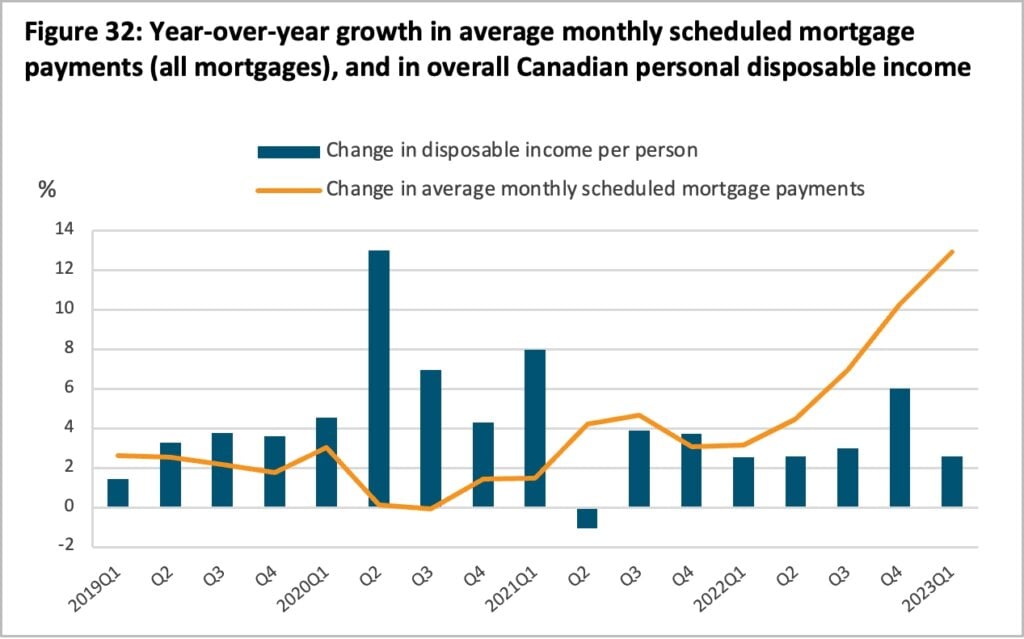
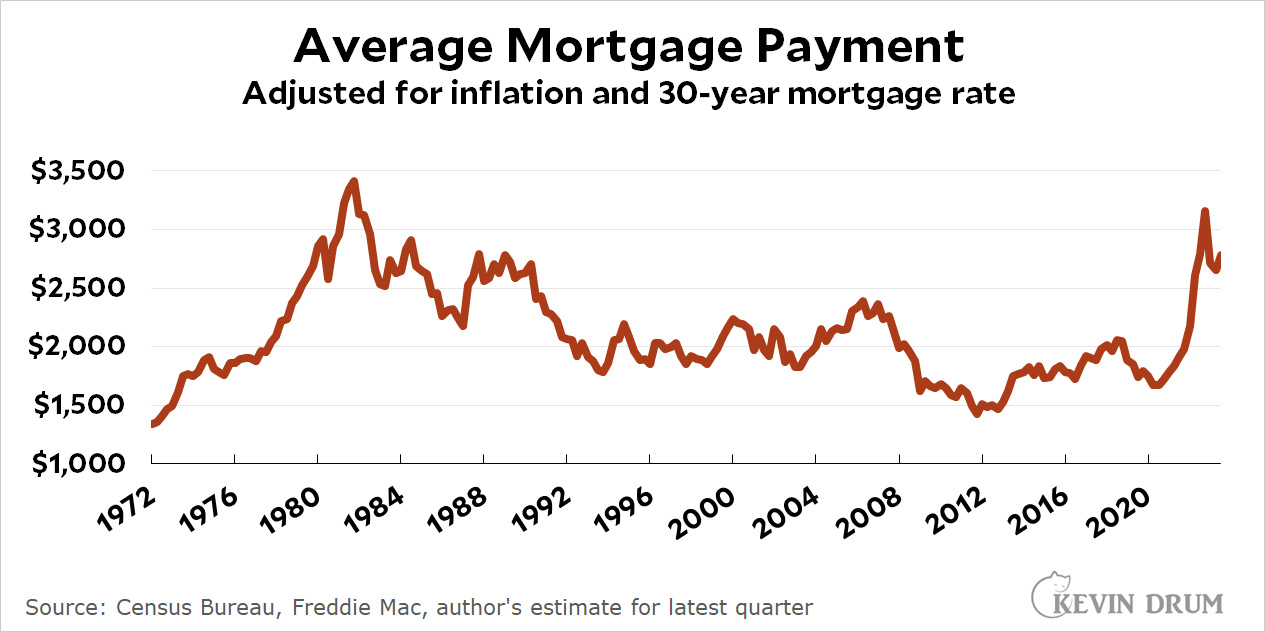
The average mortgage is inextricably linked to the prevailing interest rate environment. In periods of low interest rates, borrowers are empowered to take out larger principal amounts because the monthly servicing cost remains manageable. However, as the Federal Reserve adjusts the federal funds rate to combat inflation, mortgage rates climb. This shift has a cooling effect on the average loan size, as buyers find their purchasing power diminished. A 1% increase in interest rates can reduce a borrower’s buying power by approximately 10%, meaning that while the “average” home price might remain steady, the “average” mortgage amount may actually decrease as buyers are forced into more modest properties to fit their monthly budgets.
Factors That Determine Your Personal Financial Average
While national statistics provide a baseline, an individual’s mortgage profile is dictated by several specific financial levers. Lenders do not look at averages; they look at risk profiles. Understanding how these factors influence your loan amount is essential for optimizing your personal balance sheet.
Credit Scores and Loan Eligibility
The interest rate applied to a mortgage—and therefore the total cost of the debt—is primarily determined by the borrower’s FICO score. A borrower with a “very good” to “exceptional” score (740 and above) will qualify for the lowest available rates, which minimizes the long-term interest burden. Conversely, a borrower with a sub-650 score may face significantly higher rates, or may be required to take out a smaller loan to mitigate the lender’s risk. This creates a scenario where two neighbors with identical home values may have vastly different “average” monthly payments based solely on their credit history.
The Impact of Down Payments on Monthly Obligations
The size of the initial down payment is the most direct way a homeowner influences their mortgage balance. While the traditional 20% down payment was once the standard, the average down payment for first-time buyers has recently fluctuated between 6% and 8%. While a lower down payment allows for faster market entry, it results in a higher mortgage principal and the added cost of Private Mortgage Insurance (PMI). In the context of personal finance, the decision to maximize or minimize a down payment is a trade-off between liquidity (keeping cash in hand for investments) and equity (reducing debt and interest expense).
Debt-to-Income Ratio: The Lender’s Perspective
Lenders utilize the Debt-to-Income (DTI) ratio to determine the maximum mortgage a household can sustain. Generally, lenders prefer a front-end DTI (mortgage payment, taxes, and insurance) of no more than 28% of gross monthly income, and a back-end DTI (all recurring debts) of no more than 36% to 43%. Because the average American household income varies, the average mortgage naturally scales with earnings. For a high-earning household, an “average” mortgage might be $600,000, whereas for a middle-income household, it might be $250,000. Staying within these ratios is critical for maintaining financial flexibility and avoiding the trap of being “house poor.”
Different Mortgage Types and Their Long-Term Costs
The “average” mortgage is also defined by the structure of the loan itself. The choice between loan products can result in hundreds of thousands of dollars in difference over the life of the loan, regardless of the initial principal.
Conventional vs. FHA Loans
Conventional loans are the most common and are typically backed by Fannie Mae or Freddie Mac. They often require higher credit scores but offer more flexibility once a homeowner reaches 20% equity, as PMI can be cancelled. FHA loans, backed by the Federal Housing Administration, are popular among those with lower credit scores or smaller down payments. However, FHA loans often carry mortgage insurance premiums (MIP) for the life of the loan if the down payment is less than 10%. When calculating the average cost of a mortgage, one must account for these ancillary insurance costs which can add hundreds of dollars to the monthly obligation.
Fixed-Rate vs. Adjustable-Rate Mortgages (ARMs)
The 30-year fixed-rate mortgage remains the gold standard for American homeowners, providing predictability and protection against rising interest rates. However, in high-rate environments, Adjustable-Rate Mortgages (ARMs) become more attractive. An ARM typically offers a lower “teaser” rate for an initial period (e.g., 5, 7, or 10 years) before adjusting based on market indices. While an ARM can lower the “average” payment in the short term, it introduces significant interest rate risk. From an investment perspective, ARMs are often utilized by individuals who plan to sell or refinance before the adjustment period begins, whereas fixed-rate loans are preferred by those seeking long-term stability.
Strategies for Managing and Reducing Mortgage Debt
For the savvy investor, a mortgage is not just a debt to be paid; it is a liability to be managed. Bringing one’s personal mortgage balance below the national average or paying it off early can significantly enhance a household’s net worth.
Refinancing Opportunities
Refinancing is the process of replacing an existing mortgage with a new one, typically to take advantage of lower interest rates or to change the loan term. When rates drop significantly below a homeowner’s current rate, refinancing can reduce the monthly payment, thereby lowering the “average” cost of debt. Additionally, “cash-out” refinances allow homeowners to tap into their equity for home improvements or debt consolidation, though this increases the total mortgage balance and should be approached with caution.
Accelerated Payment Strategies
Reducing the principal balance faster than the amortization schedule requires can save a homeowner tens of thousands of dollars in interest. Simple strategies, such as making one extra payment per year or switching to bi-weekly payments, can shave years off a 30-year mortgage. By applying extra capital toward the principal, the borrower effectively earns a guaranteed “return” equal to the interest rate of the mortgage. In a personal finance portfolio, this is often viewed as a low-risk alternative to bond investing.

The Future of Mortgage Financing and Market Trends
As we look toward the future, the “average mortgage” is likely to be influenced by shifting demographics and technological advancements in the fintech space. The rise of digital lending has streamlined the application process, making it easier for borrowers to compare rates and find the most competitive offers. Furthermore, as the “Gig Economy” continues to grow, lenders are evolving their underwriting criteria to account for non-traditional income streams, which may change the profile of the average borrower.
Institutional investment in residential real estate is another factor to watch. As large corporations purchase single-family homes, the supply of available housing for individual buyers may tighten, potentially driving up the average mortgage size even further. For the individual, staying informed about these macro trends is essential for making proactive financial decisions.
In conclusion, the average mortgage is a dynamic figure that reflects the intersection of personal financial health and global economic forces. Whether your goal is to buy your first home, refinance an existing property, or pay off your debt early, understanding the mechanics behind the averages allows for more informed, strategic decision-making. By focusing on credit health, manageable DTI ratios, and the right loan products, you can ensure that your mortgage remains a tool for building wealth rather than a barrier to financial freedom.
aViewFromTheCave is a participant in the Amazon Services LLC Associates Program, an affiliate advertising program designed to provide a means for sites to earn advertising fees by advertising and linking to Amazon.com. Amazon, the Amazon logo, AmazonSupply, and the AmazonSupply logo are trademarks of Amazon.com, Inc. or its affiliates. As an Amazon Associate we earn affiliate commissions from qualifying purchases.