
Managing your personal banking infrastructure is a critical component of a healthy financial life. Over time, your financial needs evolve. You might find that a different institution offers better interest rates, lower fees, or a more intuitive digital experience. If you have decided that Citibank no longer fits into your long-term wealth-building strategy, closing your account is the necessary next step. However, terminating a banking relationship with a major institution like Citi requires more than just withdrawing your cash. To avoid service disruptions, unexpected fees, or “zombie” transactions, you must follow a structured decommissioning process.
Essential Pre-Closure Checklist: Preparing Your Liquidity
Before you initiate the closure of your Citi checking or savings account, you must perform due diligence to ensure your financial ecosystem remains stable. Simply zeroing out an account and walking away can lead to overdraft fees if a forgotten subscription hits the account or if the bank charges a monthly maintenance fee on a zero balance.
Redirecting Direct Deposits and Automated Transfers
The most common mistake when switching banks is failing to update direct deposit instructions. This includes your salary, tax refunds, social security benefits, or investment dividends. Contact your HR department or use your employer’s payroll portal to redirect these funds to your new institution at least two pay cycles before you close the Citi account. Simultaneously, review your outgoing automated clearing house (ACH) transfers. This includes your rent or mortgage payments, utility bills, insurance premiums, and gym memberships. Failure to move these can result in missed payments and potential hits to your credit score if a bill goes into collections.
Managing Your Final Balance and Pending Transactions
You should never close an account that has “pending” transactions. Monitor your Citi mobile app or online portal for 7 to 10 days to ensure all checks have cleared and all debit card transactions have moved from “pending” to “posted.” Once the activity has settled, move the majority of your funds to your new bank, but leave a small “buffer” of $50 to $100. This buffer acts as a safety net for any overlooked micro-transactions. Do not attempt to close the account until this final period of inactivity has passed.
Downloading Financial Records and Statements
Once an account is closed, your access to the Citi online portal and mobile app will typically be revoked within a short window. You will need your transaction history for tax purposes, mortgage applications, or personal record-keeping. Download the last 24 months of PDF statements and any specific tax documents (like 1099-INT forms for interest earned). Having a digital archive of these documents is vital for maintaining a clean financial paper trail.
Methods for Closing Your Citi Account
Citibank offers several channels for closing an account, ranging from digital-first options to traditional in-person service. The method you choose may depend on whether you are closing a standard checking/savings account or a more complex wealth management account.
Closing via Phone Support
For most customers, calling Citi’s customer service is the most direct way to ensure the account is closed immediately. You can reach the retail banking department by calling the number on the back of your debit card or the general customer service line.
-
The Verification Process: Be prepared to provide your account number, Social Security number, and answer security questions.
-
The Retention Pitch: Banks are incentivized to keep customers. Be firm but polite if the representative offers to waive fees or provide a temporary interest rate boost to keep you from leaving. If your mind is made up, simply state that you are consolidating your finances and wish to proceed with the closure.
-
Confirmation: Always ask for a “closure confirmation number” and the name of the representative you spoke with.
Utilizing the Online Message Center or Live Chat
If you prefer a written record of your request, you can use the “Help & Support” section within the Citi Online portal. Using the Secure Message Center allows you to send an official request to close the account.
-
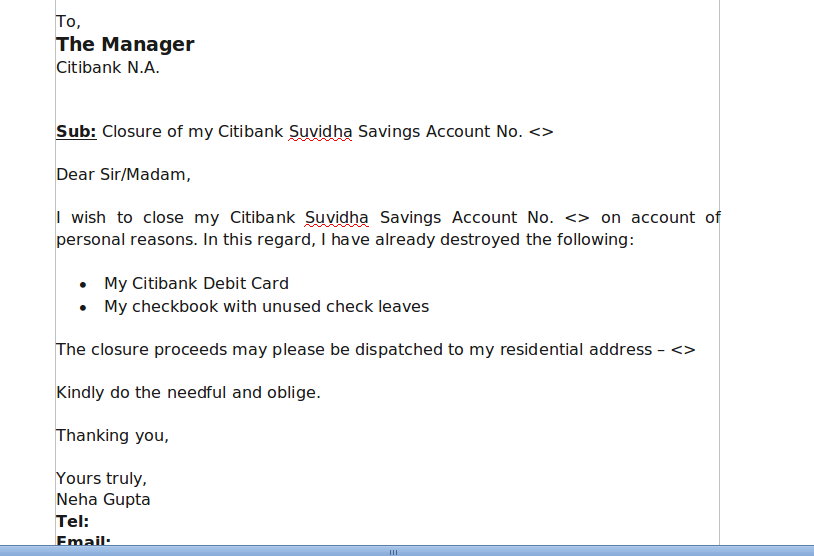
The Request: State clearly which account number you wish to close and where you would like any remaining balance to be sent (usually via a mailed check to your address on file).
-
The Timeline: Digital requests can take 2 to 3 business days to process. Keep a screenshot of your sent message for your records. This method is often preferred by those who want to avoid a live retention sales pitch.

Visiting a Branch in Person
If you live near a Citibank branch, visiting in person is the most definitive way to handle the process. This is particularly useful if you have a significant amount of cash to withdraw or if you want an immediate cashier’s check for your remaining balance. Bring a valid government-issued ID and your debit card. The banker will provide you with a printed confirmation that the account has been closed and the balance is zero. This provides immediate peace of mind and physical documentation.
Navigating Fees, Interest, and Fine Print
Banking contracts are dense, and there are specific financial nuances to be aware of when exiting a relationship with a global bank like Citi. Understanding these can save you from unnecessary “exit costs.”
Dealing with Early Account Closure Fees
Some financial institutions charge an “early account closure fee” if you terminate the relationship within 90 to 180 days of opening the account. While this is more common with smaller banks, always check your original account agreement. If you opened the account to capture a sign-up bonus, ensure you have met all the requirements and that the bonus has been deposited and cleared before you initiate the closure. Closing too early can result in the bank clawing back the promotional incentive.
The Nuance of Accrued Interest
If you are closing a high-yield savings account or an interest-bearing checking account, there may be “accrued but unposted” interest. This is interest you earned during the current month that hasn’t been credited to your balance yet. When you request a closure, ask the representative how the final interest payment will be handled. Usually, the bank will calculate the pro-rated interest and include it in your final check or transfer.
Impact on Your Credit Score
It is a common misconception that closing a checking or savings account affects your credit score. Since these are not credit products, closing them does not impact your credit utilization or payment history. However, if you are also closing a Citi credit card, that will affect your credit profile by changing your total available credit and potentially the average age of your accounts. This guide focuses on banking accounts, but if your goal is a total exit from Citi, consult a credit strategist before closing long-held credit card accounts.
Strategic Post-Closure Management
Your responsibility doesn’t end the moment the representative says “your account is closed.” There are a few final steps to ensure the closure is permanent and that your financial reputation remains untarnished.
Obtaining a Formal Closure Letter
The most important post-closure document is a formal “Account Closed” letter. Citi typically mails this within 7 to 10 business days. This letter is your legal proof that the relationship ended in good standing with a zero balance. If a debt collector or credit bureau ever claims you have an outstanding balance or an overdrawn account at Citi, this letter is your primary evidence to dispute the claim.
Destroying Physical Access Points
Once the account is confirmed closed, you must physically destroy any debit cards, unused checks, and deposit slips associated with the account. Use a cross-cut shredder for checks and a heavy-duty shredder or scissors for the debit card’s EMV chip. This prevents “trash digging” identity theft and ensures no one can attempt to use your old account information.
Monitoring for “Zombie” Re-openings
In rare cases, an account can be “re-opened” if an incoming ACH transfer or a late-clearing check hits the account shortly after closure. This is known as a “zombie account.” Check your mail and email for 30 days after the closure to ensure no new statements are generated. If you see any activity, contact Citi immediately to restate that the account was closed and that the transaction should be rejected.

Consolidating and Reinvesting
Closing an underperforming account is an excellent time to re-evaluate your asset allocation. If the funds from your Citi account are now sitting in a new checking account, consider whether a portion of that capital should be moved into a brokerage account, a high-yield CD, or an IRA. Streamlining your banking is not just about subtraction; it is about optimizing your capital for better growth and efficiency. By following this professional framework, you ensure that your transition away from Citibank is seamless, secure, and strategically sound.
aViewFromTheCave is a participant in the Amazon Services LLC Associates Program, an affiliate advertising program designed to provide a means for sites to earn advertising fees by advertising and linking to Amazon.com. Amazon, the Amazon logo, AmazonSupply, and the AmazonSupply logo are trademarks of Amazon.com, Inc. or its affiliates. As an Amazon Associate we earn affiliate commissions from qualifying purchases.