
Navigating the landscape of real estate finance can often feel like tracking a moving target. For most prospective homeowners and investors, the question “what is the average mortgage rate?” is the starting point for every financial calculation. However, the answer is rarely a single, static number. The average mortgage rate is a complex reflection of global economics, central bank policy, and individual financial health.
Understanding these rates is critical because even a fraction of a percentage point can translate into tens of thousands of dollars over the life of a 30-year loan. In this guide, we will dissect the mechanics behind mortgage rates, the external forces that drive them, and the strategies you can use to secure the most competitive terms possible.
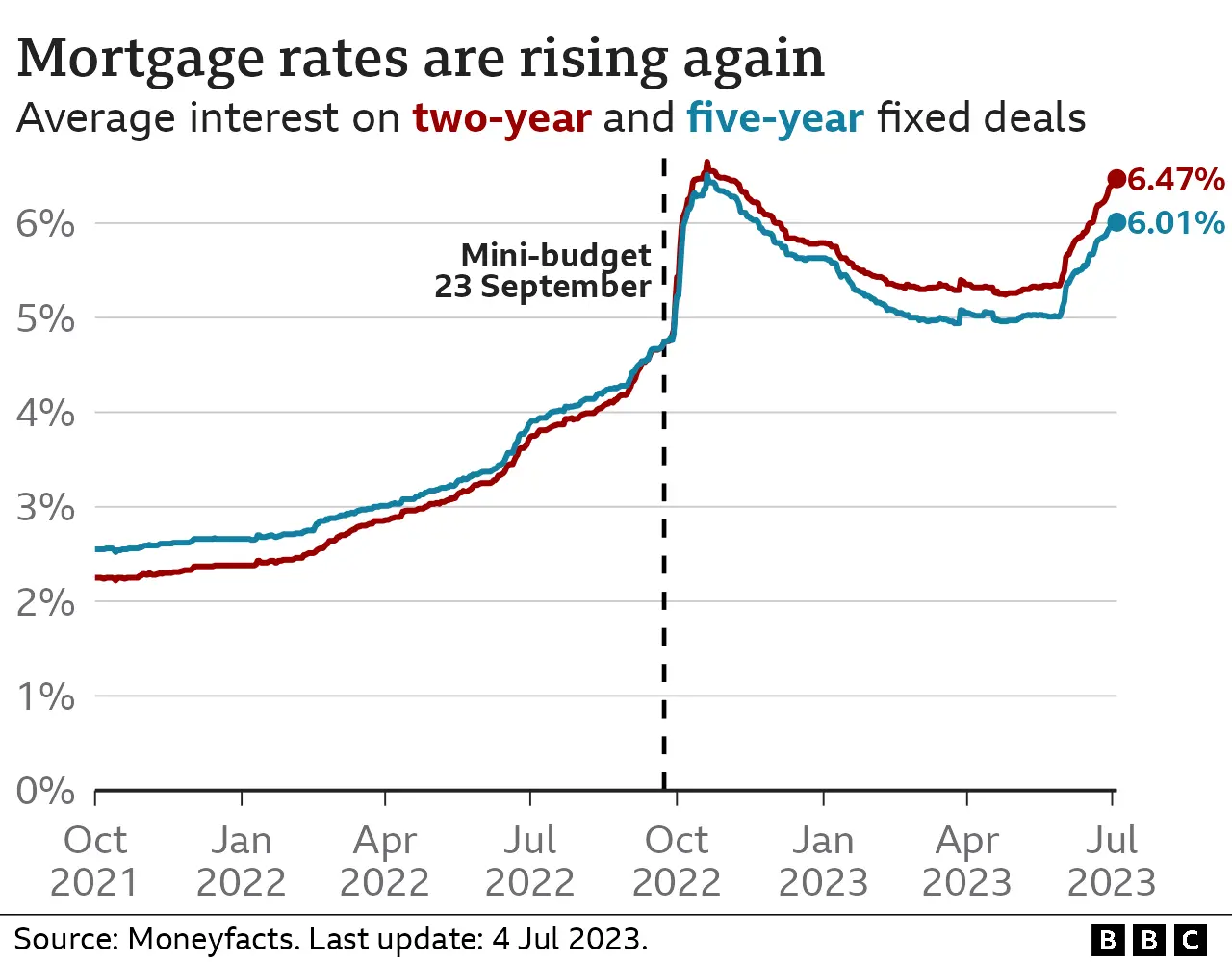
The Economic Engine: What Drives National Average Mortgage Rates?
The average mortgage rate seen in daily news headlines is a benchmark typically based on a 30-year fixed-rate mortgage for a borrower with excellent credit. This number does not exist in a vacuum; it is the byproduct of several interlocking economic gears.
The Role of the Federal Reserve and Monetary Policy
While the Federal Reserve does not directly set mortgage rates, its influence is profound. The Fed sets the “federal funds rate,” which is the interest rate at which commercial banks borrow from each other overnight. When the Fed raises rates to combat inflation, the cost of borrowing increases across the board. Mortgage lenders respond by raising their rates to maintain profit margins. Conversely, when the economy slows, the Fed may lower rates to encourage borrowing and spending, which often leads to a dip in mortgage averages.
The 10-Year Treasury Yield
There is a long-standing correlation between mortgage rates and the yield on the 10-year U.S. Treasury note. Investors often view mortgage-backed securities (MBS) as a slightly riskier alternative to government bonds. When the yield on the 10-year Treasury rises, mortgage rates typically follow suit to remain attractive to investors. Monitoring the “spread”—the difference between the Treasury yield and mortgage rates—can give financial analysts insight into the health and stability of the housing market.
Inflation and Market Sentiment
Inflation is the natural enemy of fixed-income investments. If inflation is high, the purchasing power of the interest payments a lender receives over 30 years is eroded. To compensate for this risk, lenders increase interest rates during inflationary periods. Market sentiment also plays a role; if investors fear a recession, they may flock to the safety of bonds, which can drive down yields and, subsequently, mortgage rates.
Deconstructing Loan Products: Why Rates Vary by Type
When looking for the “average” rate, it is essential to recognize that different loan products carry different levels of risk and reward for both the lender and the borrower. The rate you are quoted will depend heavily on the structure of the loan you choose.
Fixed-Rate vs. Adjustable-Rate Mortgages (ARMs)
The 30-year fixed-rate mortgage is the industry standard in the United States, offering stability and predictable monthly payments. However, the “average” for a 15-year fixed-rate loan is almost always lower because the lender is exposed to interest rate risk for a shorter duration.
Adjustable-Rate Mortgages (ARMs) typically offer a lower “teaser” rate for an initial period (such as five or seven years). After this period, the rate adjusts based on market indices. While the initial average for ARMs may look lower than fixed rates, they carry the risk of significantly higher payments in the future, making them a strategic choice primarily for those who plan to sell or refinance before the adjustment period begins.
Conventional vs. Government-Backed Loans
Average rates also differ between loan programs. Conventional loans, which are not insured by the government, often have competitive rates but stricter qualification standards. In contrast, FHA (Federal Housing Administration) loans are designed for buyers with lower credit scores or smaller down payments. While FHA interest rates might sometimes appear lower than conventional rates, they often come with mandatory mortgage insurance premiums (MIP) that can increase the effective annual percentage rate (APR).

Jumbo Loans for High-Value Properties
In high-cost real estate markets, borrowers may require a “jumbo loan”—a mortgage that exceeds the conforming loan limits set by Fannie Mae and Freddie Mac. Historically, jumbo loans carried higher interest rates because they could not be easily sold to government-sponsored enterprises. However, in certain market conditions, jumbo rates can actually be lower than conforming rates, depending on the liquidity and appetite of private investors and large commercial banks.
The Personal Factor: How Your Financial Profile Impacts Your Rate
While the national average serves as a baseline, the rate you are actually offered is tailored to your unique financial footprint. Lenders use a process called “risk-based pricing” to determine how much to charge a specific borrower.
The Power of the Credit Score
Your credit score is perhaps the single most influential factor in your personal mortgage rate. The national “average” usually assumes a FICO score of 740 or higher. Borrowers with scores in the 600s may find themselves paying 1% to 2% more than the average. Over the life of a $400,000 mortgage, this difference can result in over $100,000 in additional interest. Maintaining a clean credit history and a low credit utilization ratio is the most effective way to beat the national average.
Loan-to-Value (LTV) and Down Payments
The amount of “skin in the game” you have also dictates your rate. A borrower putting down 20% represents less risk to a lender than someone putting down 3%. Generally, a higher down payment leads to a lower LTV ratio, which can qualify you for better interest rates. If your LTV is above 80%, you will likely be required to pay Private Mortgage Insurance (PMI), which, while not part of the interest rate itself, increases your total monthly cost of borrowing.
Debt-to-Income (DTI) Ratios
Lenders look at your DTI ratio to ensure you aren’t overextended. A high DTI suggests that a significant portion of your monthly income is already committed to car loans, student debt, or credit cards. To mitigate the risk of default, lenders may charge a higher interest rate to borrowers with a DTI that pushes the upper limits of their guidelines (typically around 43% to 50% depending on the loan type).
Strategic Maneuvers: How to Secure a Rate Below the Average
Securing a mortgage is not a passive process. Sophisticated borrowers use various financial tools and timing strategies to ensure they are not just settling for the average, but actively seeking the best possible terms.
Buying Down the Rate with Points
One common strategy is the use of “discount points.” A point is an upfront fee paid to the lender at closing in exchange for a lower interest rate. Typically, one point costs 1% of the total loan amount and reduces the interest rate by about 0.25%. This is an excellent strategy for those who plan to stay in their home for a long time, as the long-term interest savings will eventually outweigh the initial cost.
The Importance of Comparison Shopping
Mortgage rates are not uniform across all institutions. Large national banks, local credit unions, and online mortgage lenders all have different overhead costs and risk appetites. Research from the Consumer Financial Protection Bureau (CFPB) suggests that borrowers who get at least three quotes can save thousands of dollars. When shopping, it is vital to look at the APR, which includes both the interest rate and the fees, providing a more accurate “apples-to-apples” comparison.
Timing and Rate Locks
Because mortgage rates can fluctuate multiple times in a single day, timing is crucial. Once you find a rate you are comfortable with, you can request a “rate lock.” This guarantee from the lender ensures that your interest rate won’t change between the time you apply and the time you close, provided you close within a specific window (usually 30 to 60 days). In a volatile market, a rate lock provides peace of mind and financial certainty.

Conclusion: Navigating the Future of Mortgage Rates
The average mortgage rate is more than just a headline; it is a vital sign of the broader economy and a primary driver of personal wealth accumulation. While we cannot control the Federal Reserve’s decisions or global inflationary pressures, we can control how we prepare our financial profiles to meet these challenges.
By understanding the relationship between macroeconomic trends and personal financial health, you can move beyond simply asking “what is the average?” and start asking “how can I get the best rate for my situation?” Whether through improving your credit score, choosing the right loan product, or shopping around for the best deal, being an informed participant in the mortgage market is the surest way to secure your financial future. As the market continues to evolve, staying educated on these money-centric principles will remain your greatest asset in the journey toward homeownership.
aViewFromTheCave is a participant in the Amazon Services LLC Associates Program, an affiliate advertising program designed to provide a means for sites to earn advertising fees by advertising and linking to Amazon.com. Amazon, the Amazon logo, AmazonSupply, and the AmazonSupply logo are trademarks of Amazon.com, Inc. or its affiliates. As an Amazon Associate we earn affiliate commissions from qualifying purchases.