
Navigating the world of personal finance requires a keen understanding of the cost of borrowing. Whether you are looking to purchase a first home, finance a vehicle, or consolidate high-interest debt, the interest rate is the most significant factor determining the total amount you will repay over the life of a loan. However, identifying a single “average” interest rate is complex because rates are constantly fluctuating based on macroeconomic shifts, central bank policies, and individual borrower profiles.
In the current economic climate, interest rates have seen significant volatility. After a long period of historically low rates, global markets have shifted toward a higher-rate environment as central banks attempt to curb inflation. To understand what the average loan interest rate is today, one must look at the specific category of debt, as the risks and structures associated with a mortgage are vastly different from those of a credit card or a personal loan.

The Macroeconomic Drivers of Interest Rates
Before diving into specific loan types, it is essential to understand the forces that move the needle on average rates. No lender operates in a vacuum; they are influenced by broader economic indicators that dictate the cost of capital.
The Role of the Federal Reserve and Central Banks
The single most influential factor in determining average loan interest rates is the federal funds rate (or the equivalent benchmark rate in other countries). This is the rate at which commercial banks borrow and lend to one another overnight. When the Federal Reserve raises this benchmark to fight inflation, the cost of borrowing for banks increases. Consequently, banks pass these costs on to consumers by raising interest rates on mortgages, auto loans, and personal lines of credit.
Inflation and Market Expectations
Inflation erodes the purchasing power of money over time. Lenders must charge interest rates that not only cover their risk but also exceed the rate of inflation to ensure they are making a real profit. When inflation is high, average interest rates naturally rise. Furthermore, investor expectations about future economic growth can influence long-term rates, such as the 30-year fixed-rate mortgage, which is often tied to the yield on the 10-year Treasury note.
Average Interest Rates by Loan Category
The “average” rate varies dramatically depending on the type of loan. Secured loans, which are backed by collateral like a house or a car, typically carry lower interest rates than unsecured loans, which rely solely on the borrower’s promise to pay.
Mortgage Loans: The Housing Benchmark
For most consumers, the mortgage is the largest financial commitment they will ever make. Average rates for a 30-year fixed-rate mortgage have historically fluctuated between 3% and 8% over the last two decades. In a low-inflation environment, these rates might hover near 3.5% to 4.5%. However, in tighter economic cycles, it is common to see averages climb toward 7% or higher.
The 15-year fixed mortgage usually offers a lower average rate—often 0.5% to 1% lower than the 30-year counterpart—because the lender is exposed to risk for a shorter duration. Adjustable-rate mortgages (ARMs) may offer lower introductory rates, but these are subject to market fluctuations after a set period, making them riskier in a rising-rate environment.
Personal Loans: The Versatile Debt Tool
Personal loans are generally unsecured and used for everything from home improvements to debt consolidation. Because there is no collateral for the lender to seize if the borrower defaults, interest rates are higher than those for mortgages.
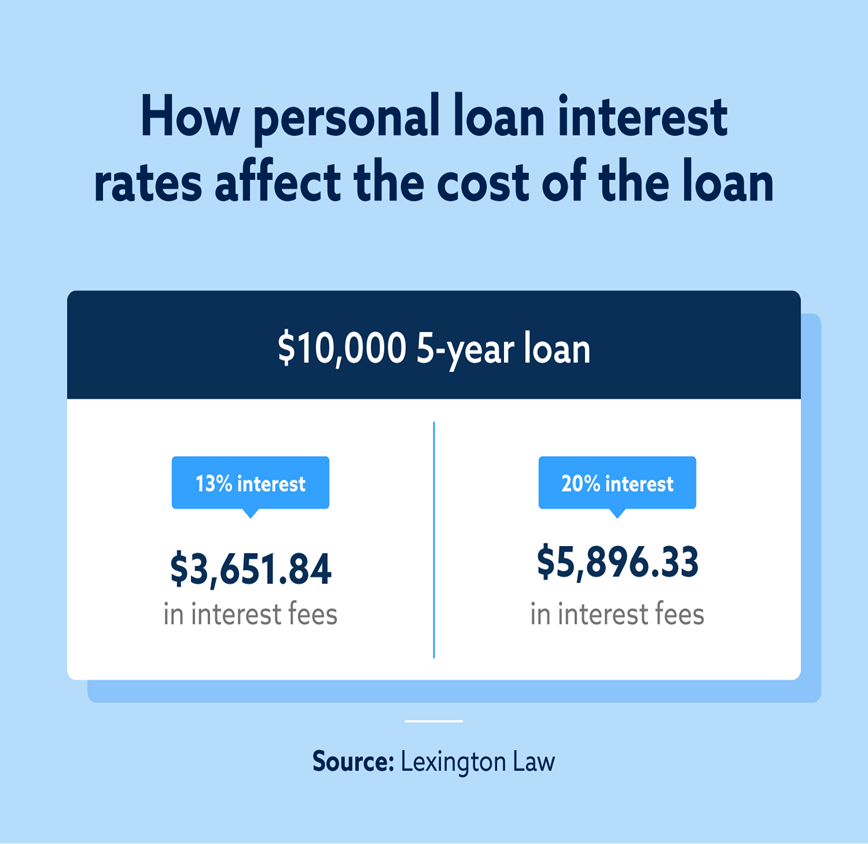
The average interest rate for a personal loan typically ranges from 10% to 20%, though this is highly sensitive to the borrower’s credit score. Individuals with excellent credit may secure rates as low as 6% or 7%, while those with subprime credit may face rates exceeding 30%. Unlike credit cards, personal loans offer fixed terms and fixed monthly payments, which can make them a more stable choice for long-term repayment.
Auto Loans: Financing Your Mobility
Auto loan rates are influenced by whether the vehicle is new or used. Historically, new car loans carry lower average interest rates—often between 5% and 8%—because the vehicle has a higher resale value and represents better collateral. Used car loans typically see averages between 9% and 12%. The term of the loan also plays a role; while 72-month or 84-month loans offer lower monthly payments, they often come with higher interest rates and result in the borrower paying significantly more over the life of the loan.
Credit Cards: High-Interest Revolving Debt
While technically a line of credit rather than a traditional term loan, credit cards represent a significant portion of consumer debt. Credit card interest rates are among the highest in the market, often averaging between 20% and 25%. Because these rates are usually variable and tied to the prime rate, they increase almost immediately when the central bank raises interest rates.
Factors That Determine Your Personalized Interest Rate
While market averages provide a useful benchmark, the rate a specific individual receives is determined by their unique financial profile. Lenders use several key metrics to assess the risk of a borrower defaulting.
Credit Score and History
The credit score is the primary tool used by lenders to price risk. A borrower with a “Super Prime” score (720-850) will almost always receive a rate significantly below the national average. Conversely, a borrower with a “Deep Subprime” score (below 580) will be charged a premium to compensate the lender for the increased risk. Over the life of a 30-year mortgage, the difference between a 650 and a 750 credit score can equate to tens of thousands of dollars in interest payments.
Debt-to-Income Ratio (DTI)
Lenders look at how much of a borrower’s monthly gross income is already committed to debt payments. A lower DTI suggests that the borrower has a higher capacity to take on new debt without becoming overwhelmed. Most lenders prefer a DTI below 36%, though some mortgage programs allow for higher ratios. If your DTI is high, a lender might still approve the loan but will likely charge a higher interest rate to mitigate the perceived risk.
Loan-to-Value Ratio (LTV)
In the context of secured loans like mortgages and auto financing, the LTV ratio measures the loan amount against the value of the asset. A borrower who provides a 20% down payment on a home has an LTV of 80%. Because the borrower has significant “skin in the game,” the lender views the loan as less risky and is more likely to offer a competitive interest rate.
Strategies to Secure a Below-Average Rate
Understanding the average is only the first step; the goal of any savvy borrower is to beat the average. Implementing specific financial strategies can lead to substantial savings.
Comparison Shopping and Negotiation
Interest rates are not monolithic. Different banks, credit unions, and online lenders have different overhead costs and risk appetites. By obtaining at least three quotes for any major loan, a borrower can leverage competition to find the lowest possible rate. It is often possible to take a quote from one lender and ask another to match or beat it.
Improving Your Financial Profile Before Applying
If a loan is not an immediate necessity, taking six months to improve your financial standing can pay dividends. Paying down existing credit card balances to lower your credit utilization ratio can lead to a rapid increase in your credit score. Similarly, ensuring there are no errors on your credit report is a vital step in preparing for a loan application.
Considering Loan Terms and Structures
Shorter loan terms almost always come with lower interest rates. While a 15-year mortgage has a higher monthly payment than a 30-year mortgage, the interest rate is lower, and the total interest paid over time is dramatically reduced. Additionally, some borrowers may benefit from “buying down” the rate on a mortgage by paying “points” upfront—a strategy where you pay a lump sum at closing to secure a permanently lower interest rate.
The Future Outlook for Interest Rates
Predicting the future of interest rates is notoriously difficult, as it depends on global geopolitical events, labor market health, and consumer spending patterns. However, financial markets generally operate in cycles. When the economy overheats and inflation rises, rates go up. When the economy slows down, central banks typically lower rates to encourage borrowing and investment.
For the modern investor and borrower, staying informed about the “average” is a matter of ongoing education. By monitoring the Federal Reserve’s movements and keeping a close eye on personal credit health, individuals can make strategic decisions about when to lock in a rate and when to wait for a more favorable market.
Ultimately, the average loan interest rate serves as a barometer for the cost of capital in society. While you cannot control the global economy, you can control how you position yourself within it. Maintaining high credit standards, minimizing unnecessary debt, and shopping aggressively for the best terms are the hallmarks of successful financial management in any interest rate environment.
aViewFromTheCave is a participant in the Amazon Services LLC Associates Program, an affiliate advertising program designed to provide a means for sites to earn advertising fees by advertising and linking to Amazon.com. Amazon, the Amazon logo, AmazonSupply, and the AmazonSupply logo are trademarks of Amazon.com, Inc. or its affiliates. As an Amazon Associate we earn affiliate commissions from qualifying purchases.