
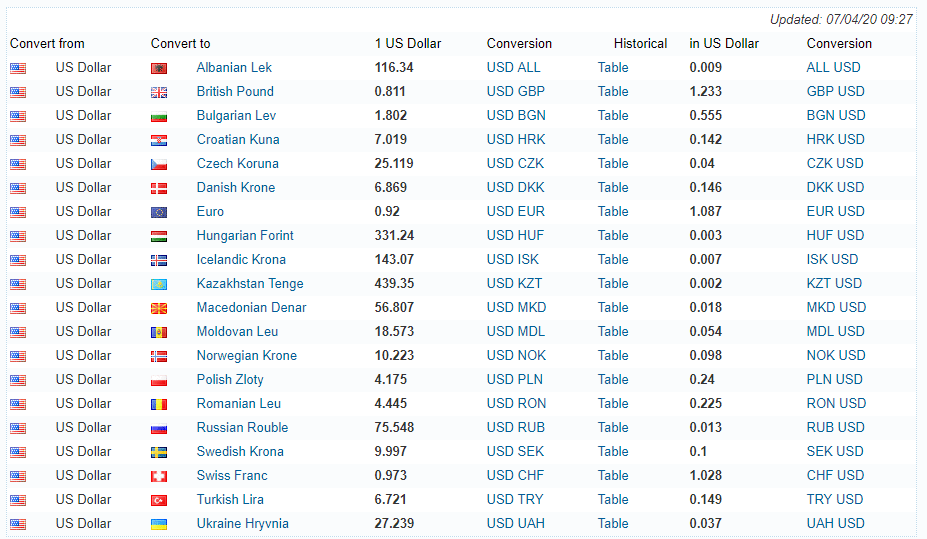
In the volatile landscape of global finance, the question of “how much the dollar is worth” is far more complex than a simple glance at a currency converter might suggest. While a nominal exchange rate provides a snapshot of the dollar’s value against the Euro, Yen, or Pound at a specific moment, its true worth is measured through a multifaceted lens of purchasing power, interest rate differentials, and its status as the world’s primary reserve currency. For investors, business owners, and personal finance enthusiasts, understanding the current trajectory of the U.S. Dollar (USD) is essential for protecting capital and identifying opportunities in an interconnected economy.
To comprehend the dollar’s current standing, one must look beyond the daily fluctuations and examine the structural forces that dictate its strength. From the halls of the Federal Reserve to the geopolitical shifts in emerging markets, the value of the greenback serves as a barometer for global economic health and investor sentiment.
The Current State of the US Dollar: Deciphering the DXY and Market Strength
When financial analysts discuss the strength of the dollar, they often refer to the U.S. Dollar Index, or DXY. This index measures the value of the USD against a weighted basket of six major world currencies: the Euro, Japanese Yen, British Pound, Canadian Dollar, Swedish Krona, and Swiss Franc.
What is the US Dollar Index (DXY)?
The DXY provides a standardized metric to determine whether the dollar is “expensive” or “cheap” in a global context. When the DXY is high, it indicates that the dollar is strengthening relative to its peers. Currently, the dollar remains in a position of relative dominance, driven by a combination of domestic economic resilience and the relative weakness of other major economies. A high DXY means that American consumers have more purchasing power abroad, but it also means that U.S. exports become more expensive for foreign buyers, potentially slowing domestic manufacturing.
The Role of Safe-Haven Demand in Current Valuation
One of the most unique aspects of the U.S. Dollar is its status as a “safe-haven” asset. During periods of geopolitical instability or global economic uncertainty, investors tend to liquidate riskier assets—such as emerging market stocks or cryptocurrencies—and move their capital into the perceived safety of U.S. Treasuries and cash. This flight to quality creates an artificial floor for the dollar’s value. Even when the U.S. economy faces internal challenges, the dollar often appreciates simply because it is viewed as the “least risky” option in a volatile world.
Macroeconomic Catalysts: Why the Dollar Fluctuates Today
The valuation of currency does not happen in a vacuum. It is the result of aggressive monetary policies and shifts in the global supply chain. To understand “how much” the dollar is worth now, we must analyze the specific catalysts currently driving market behavior.
The Federal Reserve’s Monetary Policy and Interest Rates
The single most significant driver of the dollar’s value is the Federal Reserve’s stance on interest rates. When the Fed maintains high interest rates to combat inflation, it attracts foreign capital. Investors seeking the highest possible “risk-free” return will buy U.S. Dollars to purchase U.S. Treasury bonds. This increased demand for the currency naturally drives up its price. Conversely, when the Fed signals a “dovish” turn—meaning a move toward lowering interest rates—the dollar typically softens as the yield advantage over other currencies diminishes.
The Dollar Smile Theory
Economists often refer to the “Dollar Smile Theory” to explain the currency’s behavior. The theory suggests that the USD excels in two extreme scenarios: when the U.S. economy is booming and outperforming the rest of the world, and when the global economy is in a deep recession, triggering safe-haven buying. The “bottom” of the smile occurs when the U.S. economy is stagnating while the rest of the world is growing. Identifying where we are on this “smile” curve is critical for determining the dollar’s near-term outlook.
Inflation and Purchasing Power Parity
While exchange rates tell us the dollar’s external value, inflation tells us its internal value. Purchasing Power Parity (PPP) is an economic theory that allows for the comparison of the purchasing power of various world currencies to one another. If U.S. inflation is higher than that of its trading partners, the “real” value of the dollar may be declining even if the exchange rate remains stable. Monitoring the Consumer Price Index (CPI) is therefore just as important as monitoring FOREX charts when assessing the true worth of your money.
The Global Impact: How a Strong or Weak Dollar Affects Your Wallet

The ripple effects of the dollar’s valuation extend far beyond the borders of the United States. Because the USD is the “lingua franca” of global finance, its fluctuations dictate the cost of living and the profitability of businesses worldwide.
Impact on International Travel and Import Costs
For the individual consumer, a strong dollar is a double-edged sword. On the positive side, it makes international travel significantly more affordable. An American tourist in Europe or Japan will find that their dollars “stretch” much further when the USD is strong against the Euro or Yen. Similarly, imported goods—from French wines to Japanese electronics—become cheaper for U.S. consumers, which can help dampen the effects of domestic inflation.
Commodities and the “Petrodollar” Effect
Most of the world’s essential commodities, including gold, silver, and oil, are priced in U.S. Dollars. This creates an inverse relationship: when the dollar strengthens, commodity prices typically fall in nominal terms because it takes fewer dollars to buy the same amount of oil or gold. However, for countries that must import energy but do not hold large USD reserves, a strong dollar can be catastrophic, as it effectively raises the price of fuel in their local currency, leading to “imported inflation.”
Emerging Markets and Debt Obligations
Many developing nations and foreign corporations issue debt denominated in U.S. Dollars rather than their local currency. When the dollar appreciates, the cost of servicing that debt skyrockets. This can lead to liquidity crises in emerging markets, as more of their local tax revenue or profits must be converted into expensive dollars to pay back creditors. For the global investor, a rapidly strengthening dollar is often a warning sign of potential defaults in international bond markets.
Practical Strategies for Navigating Currency Volatility
In an era of fluctuating currency values, passive saving is often insufficient. Wealth preservation requires an active approach to managing currency risk and leveraging the dollar’s current position.
Hedging Against Currency Risk in Investment Portfolios
For those with international exposure—such as owning stocks in foreign companies—currency fluctuations can eat into returns. If you own a German stock that gains 10%, but the Euro loses 10% against the Dollar during that same period, your net gain in USD terms is zero. Investors can mitigate this by using “currency-hedged” ETFs, which use financial derivatives to offset the impact of exchange rate movements, allowing the investor to focus solely on the performance of the underlying asset.
Diversification Through Foreign Assets and Hard Assets
When the dollar is exceptionally strong, it may be an opportune time to diversify into undervalued foreign assets. Buying international real estate or equities when the dollar has high purchasing power allows for “currency gains” later if the dollar eventually weakens. Additionally, holding hard assets like gold has historically served as a hedge against the long-term devaluation of fiat currency. Gold often moves inversely to the dollar, providing a balance to a dollar-heavy portfolio.
Utilizing Modern Financial Tools for Real-Time Monitoring
The digital age has democratized access to currency markets. Tools like multi-currency accounts and “neobanks” allow individuals to hold balances in USD, EUR, or GBP simultaneously. By using these platforms, users can convert funds when rates are favorable and avoid the exorbitant fees traditionally charged by brick-and-mortar banks. Monitoring real-time data through financial news terminals or dedicated currency apps ensures that you are making decisions based on “how much the dollar is worth now” rather than outdated information.
Future Outlook: Predicting the Trajectory of the Greenback
As we look toward the future, the primary debate surrounding the dollar is “de-dollarization.” While some analysts point to the rise of alternative trade blocs and digital currencies as a threat to the dollar’s hegemony, the reality remains that the infrastructure of global finance is deeply entrenched in the USD.
The dollar’s value in the coming years will likely be defined by the U.S. government’s ability to manage its national debt and the Federal Reserve’s success in achieving a “soft landing” for the economy. While digital assets and alternative reserve currencies may gain marginal ground, the liquidity, legal protections, and military might backing the U.S. Dollar ensure that it remains the benchmark against which all other stores of value are measured.
Understanding “how much the dollar is worth” is not a one-time calculation but a continuous process of economic observation. By staying informed on interest rate trends, inflation data, and geopolitical shifts, individuals can navigate the complexities of the financial world with confidence, ensuring that their purchasing power is protected regardless of which way the currency markets swing.
aViewFromTheCave is a participant in the Amazon Services LLC Associates Program, an affiliate advertising program designed to provide a means for sites to earn advertising fees by advertising and linking to Amazon.com. Amazon, the Amazon logo, AmazonSupply, and the AmazonSupply logo are trademarks of Amazon.com, Inc. or its affiliates. As an Amazon Associate we earn affiliate commissions from qualifying purchases.