
The question “what is the average interest rate?” might seem straightforward at first glance, but the reality is far more complex and nuanced. Interest rates are the lifeblood of our financial system, impacting everything from the cost of a mortgage to the returns on a savings account, and influencing the broader economy. There isn’t a single “average interest rate” because rates vary dramatically based on the type of loan or savings product, the economic environment, the lender’s policies, and crucially, the borrower’s creditworthiness. Understanding these averages, and the factors that shape them, is paramount for anyone looking to borrow, save, or invest wisely. This article delves into the multifaceted world of interest rates, providing insights into what drives them and how they affect your personal and business finance decisions.

Deconstructing “Average”: A Multifaceted Concept
To truly grasp what an “average interest rate” means, we must first acknowledge that the term itself is an oversimplification. The financial landscape is a mosaic of different products, each with its own risk profile, term structure, and market dynamics that dictate its particular rate.
The Nuance of “Average”
When we speak of an “average,” are we referring to the median rate offered by a sampling of banks for a specific product, or an aggregated figure across an entire industry? Is it a national average, or one localized to a particular region? Without specifying the context, the “average” can be misleading. For instance, the average interest rate for a 30-year fixed-rate mortgage will be vastly different from the average annual percentage rate (APR) on a credit card, or the average yield on a high-interest savings account. Each “average” serves a distinct purpose and is relevant to a particular financial decision.
Key Determinants of Interest Rates
Beyond the product type, several foundational elements collectively shape the interest rates we encounter. These include the prevailing economic conditions, central bank policies, the specific risk profile associated with the loan or investment, and the competitive dynamics within the financial market. Understanding these macro and micro forces is essential to making sense of the rates on offer and how they might evolve over time.
Exploring Average Interest Rates Across Key Financial Products
Interest rates are not uniform; they are meticulously calculated and applied to various financial products, reflecting different levels of risk, terms, and market demands. Examining the averages across key product categories provides a clearer picture of the financial landscape.
Mortgage Rates: A Cornerstone of Homeownership
Mortgage rates are arguably the most impactful interest rates for many individuals, determining the long-term affordability of a home. These rates fluctuate based on broader economic indicators, inflation expectations, and the bond market. For a 30-year fixed-rate mortgage, the average can range significantly over time, typically moving within a band influenced by the Federal Reserve’s actions and investor sentiment. Adjustable-rate mortgages (ARMs) offer initial lower rates that reset periodically, carrying different risk profiles and thus different average starting points. Generally, factors like a borrower’s credit score, loan-to-value ratio, and down payment size play a critical role in securing a rate that is below the prevailing “average.”
Credit Card APRs: The Cost of Revolving Debt
Credit card annual percentage rates (APRs) are notoriously higher than most other forms of consumer debt. This is largely due to the unsecured nature of credit card debt and the flexibility it offers. The average credit card APR can vary widely based on the card type (e.g., rewards, balance transfer, secured), the cardholder’s creditworthiness, and the issuer’s risk assessment. Averages typically span a broad range, with prime borrowers accessing lower rates and those with fair or poor credit facing significantly higher costs. Understanding your card’s APR and making timely payments is crucial to avoid accumulating expensive debt.
Personal Loan Rates: Fueling Your Financial Needs
Personal loans are versatile, used for everything from debt consolidation to home improvements or unexpected expenses. Their interest rates fall somewhere between mortgage rates and credit card APRs, depending on whether they are secured (backed by collateral) or unsecured. Average rates for unsecured personal loans are heavily influenced by the borrower’s credit score, debt-to-income ratio, and the loan term. Lenders assess the risk of default, and a stronger financial profile invariably leads to a more favorable average rate. Secured personal loans, carrying less risk for the lender, typically offer lower average rates.
Savings & CD Rates: The Return on Your Capital
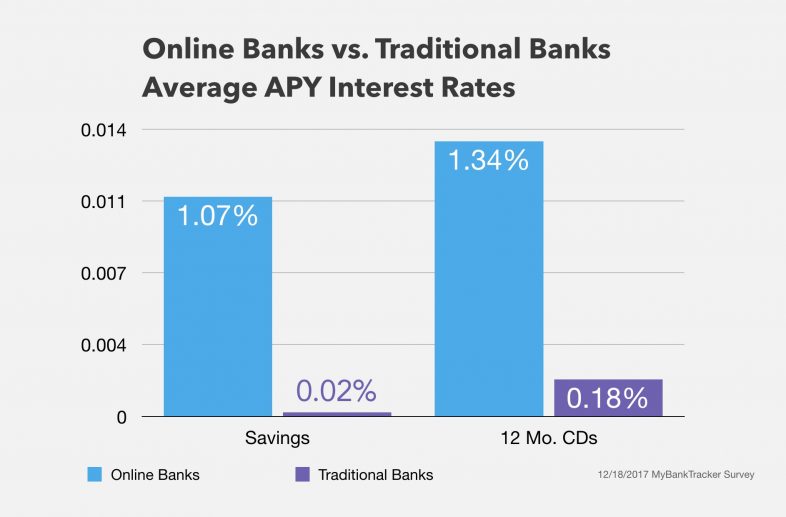
For savers and investors, interest rates represent the return on their deposits. High-yield savings accounts and Certificates of Deposit (CDs) offer competitive rates, albeit still modest compared to borrowing rates. The average interest rate for savings accounts and CDs is influenced by the Federal Reserve’s benchmark rate, market competition among banks, and the duration of the CD. Longer-term CDs usually offer higher average rates as they require you to lock up your money for an extended period. Online banks often boast higher average savings rates than traditional brick-and-mortar institutions due to lower overhead costs.
Auto Loan Rates: Financing Your Ride
Auto loan rates are determined by factors similar to personal loans, including the borrower’s credit score, the loan term, and whether the vehicle is new or used. New car loans generally carry lower average interest rates than used car loans because new cars retain their value better and are seen as lower risk. Shorter loan terms also tend to have lower average rates, though they result in higher monthly payments. Dealerships and financial institutions compete for business, leading to a range of average rates that consumers can compare.
The Economic Forces Shaping Interest Rates
Interest rates are not static; they are dynamic, constantly responding to a complex interplay of economic forces. Understanding these macro-economic drivers provides critical insight into why rates move up or down and how they might impact your financial planning.
The Federal Reserve’s Influence: Monetary Policy
The most significant influencer of interest rates in the United States is the Federal Reserve. Through its Federal Open Market Committee (FOMC), the Fed sets the target range for the federal funds rate – the rate at which banks lend to each other overnight. This benchmark rate serves as the foundation for virtually all other interest rates in the economy. When the Fed raises the federal funds rate, borrowing becomes more expensive for banks, which in turn passes on higher costs to consumers and businesses in the form of higher mortgage rates, credit card APRs, and business loan rates. Conversely, when the Fed lowers rates, the cost of borrowing typically decreases, stimulating economic activity.
Inflation and Economic Indicators: A Delicate Balance
Inflation, the rate at which prices for goods and services increase, is a critical factor influencing interest rates. Lenders need to ensure that the interest they earn on a loan outpaces inflation, otherwise, the real value of their return diminishes. If inflation is expected to rise, lenders will demand higher interest rates to compensate for the erosion of purchasing power. Other economic indicators, such as Gross Domestic Product (GDP) growth, unemployment rates, and consumer confidence, also play a role. A strong economy with low unemployment often leads to higher demand for credit, allowing lenders to charge higher rates. Conversely, a weakening economy may see rates lowered to encourage borrowing and stimulate spending.
The Borrower’s Profile: Creditworthiness and Risk Assessment
While macro-economic factors set the general market average, an individual borrower’s creditworthiness is perhaps the most critical micro-factor determining the specific interest rate they receive. Lenders use credit scores (like FICO scores), credit history, debt-to-income ratio, and employment stability to assess the risk of default. A borrower with an excellent credit score and a stable financial history presents less risk and will typically be offered interest rates significantly below the broader market average. Conversely, individuals with lower credit scores or a history of missed payments are considered higher risk, leading to much higher interest rates to compensate the lender for that increased risk. This is why two individuals applying for the same type of loan on the same day can receive vastly different interest rate offers.
Why Understanding Average Rates is Crucial for Financial Well-being
Navigating the financial world effectively hinges on a solid understanding of interest rates. For both borrowers and savers, grasping the concept of average rates is not just academic; it’s a practical necessity for sound financial decision-making.
Empowering Borrowers to Make Informed Decisions
For those seeking credit, knowing the average interest rates for various loan products empowers them to be more discerning consumers. If you’re applying for a mortgage, a personal loan, or an auto loan, comparing the rate you’re offered against the current market average allows you to assess whether it’s a competitive offer. Being aware of the averages helps you identify if you’re paying too much, prompting you to negotiate for a better rate or shop around for alternative lenders. It also helps in budgeting, as higher interest rates translate to higher monthly payments and a greater total cost over the loan’s lifetime. An informed borrower is a powerful borrower, capable of saving thousands over the life of their debts.
Maximizing Returns for Savers and Investors
On the flip side, for individuals looking to save or invest, understanding average interest rates is key to maximizing returns. When comparing different savings accounts, CDs, or money market accounts, knowing the average yields helps you identify institutions offering the most competitive rates. In an environment where inflation can erode purchasing power, securing a savings rate that is at or above the average is crucial for growing your wealth effectively. For investors, interest rates influence bond yields and can indirectly impact stock market valuations, making them a consideration in broader portfolio strategy.
A Barometer of Economic Health
Beyond personal finance, average interest rates serve as a vital barometer for the broader economic health. Rising rates can signal an economy that’s growing too fast, potentially leading to inflation, prompting central banks to cool it down. Falling rates can indicate an economy needing stimulation, encouraging borrowing and investment. Businesses closely monitor interest rate trends to make decisions about expansion, capital investments, and financing. This interconnectedness means that understanding interest rate movements offers insights into the wider economic landscape, affecting everything from job creation to consumer spending patterns.
Strategies for Navigating the Interest Rate Landscape
Armed with knowledge about what average interest rates are and what influences them, individuals can proactively implement strategies to secure the most favorable rates, whether they are borrowing or saving.
Leveraging Your Credit Score
Your credit score is your financial reputation, and it’s the single most powerful tool you possess for influencing the interest rates you’ll be offered. Lenders use it to gauge your creditworthiness and the likelihood of you repaying your debts. A higher credit score (typically 760 and above) signals lower risk, qualifying you for the best available interest rates on mortgages, personal loans, auto loans, and credit cards. Regularly checking your credit report for errors, paying bills on time, keeping credit utilization low, and avoiding unnecessary new credit applications are all crucial steps to maintaining a strong credit profile. Investing time in improving your credit score before seeking financing can save you thousands of dollars over the life of your loans.
The Power of Comparison Shopping
Never settle for the first interest rate offer you receive. The financial market is highly competitive, with a multitude of banks, credit unions, and online lenders vying for your business. For any significant financial product – a mortgage, an auto loan, or a personal loan – dedicating time to comparison shop is paramount. Obtain quotes from at least three to five different lenders. Pay close attention not only to the interest rate but also to the annual percentage rate (APR), which includes all fees and charges, giving you a truer picture of the total cost of borrowing. For savings products, compare annual percentage yields (APYs) across various institutions, including online-only banks, which often offer superior rates. This diligent approach ensures you’re securing a rate that is truly competitive and aligns with current market averages for your specific financial profile.
Negotiation and Loan Structure
Don’t be afraid to negotiate. While some rates are non-negotiable, many lenders, especially for larger loans like mortgages or auto loans, have some flexibility. If you’ve received a better offer from a competitor, present it to your preferred lender and ask if they can match or beat it. Furthermore, understand how different loan structures can impact your rate. For instance, opting for a shorter loan term on an auto loan often results in a lower interest rate, though with higher monthly payments. For mortgages, consider the trade-offs between fixed-rate and adjustable-rate options based on your risk tolerance and financial outlook. Discussing these options with a knowledgeable loan officer can help you tailor a loan that not only fits your budget but also provides the most advantageous interest rate over its lifetime.
In conclusion, the “average interest rate” is a dynamic and context-dependent concept. It’s not a single number but a spectrum influenced by global economics, central bank policies, specific product types, and individual financial standing. By understanding these intricacies, diligently managing your credit, and strategically comparing offers, you can effectively navigate the financial landscape to your advantage, securing better terms for your borrowing and maximizing returns on your savings and investments.
aViewFromTheCave is a participant in the Amazon Services LLC Associates Program, an affiliate advertising program designed to provide a means for sites to earn advertising fees by advertising and linking to Amazon.com. Amazon, the Amazon logo, AmazonSupply, and the AmazonSupply logo are trademarks of Amazon.com, Inc. or its affiliates. As an Amazon Associate we earn affiliate commissions from qualifying purchases.