
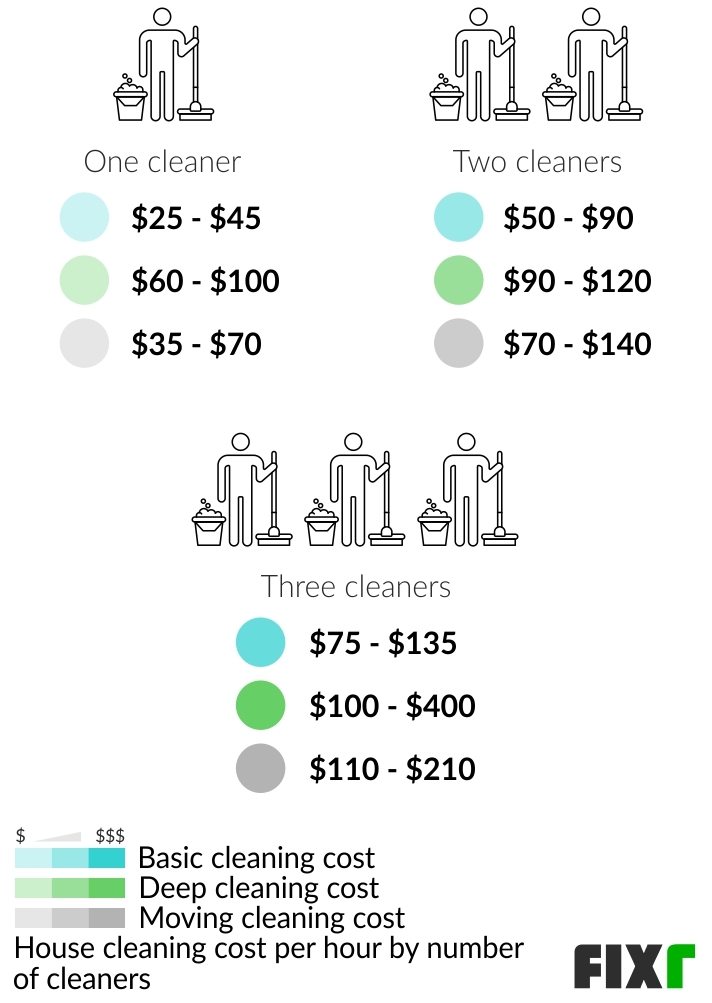
Determining the average house cleaning rate is a multifaceted financial calculation that extends beyond a simple price tag. For homeowners, it is an exercise in personal finance and time management—balancing the cost of service against the value of reclaimed time. For entrepreneurs and side-hustlers, it is a lesson in market analysis, overhead management, and profit margins. Generally, the average house cleaning rate in the United States ranges from $25 to $90 per hour per cleaner, or between $100 and $300 for a standard residential visit. However, these figures fluctuate based on geography, service depth, and the specific business model of the provider.
In this guide, we will break down the financial architecture of cleaning rates, explore the variables that influence cost, and analyze how to view house cleaning through the lens of investment and income.
The Economics of House Cleaning: How Rates are Determined
The pricing of house cleaning services is not arbitrary; it is governed by the principles of supply and demand, labor costs, and operational overhead. Understanding the underlying economic structures helps both consumers and service providers navigate the market effectively.
Hourly vs. Flat Rate Pricing Models
Most cleaning services operate on one of two financial models: hourly rates or flat fees.
Hourly rates are common for independent contractors and initial “deep cleans.” From a money management perspective, hourly rates provide transparency for the labor involved but can lead to “bill creep” if the job takes longer than expected. Most independent cleaners charge between $25 and $50 per hour, while professional agencies may charge $50 to $90 per hour to cover their higher overhead.
Flat rate pricing is often preferred by established companies for recurring services. This model is based on the estimated time a job should take given the square footage and number of rooms. For the consumer, this offers budget predictability. For the business, it rewards efficiency; if a team completes a $200 job in two hours instead of three, their effective hourly rate increases, boosting their profit margin.
Geographic Variables and Market Demands
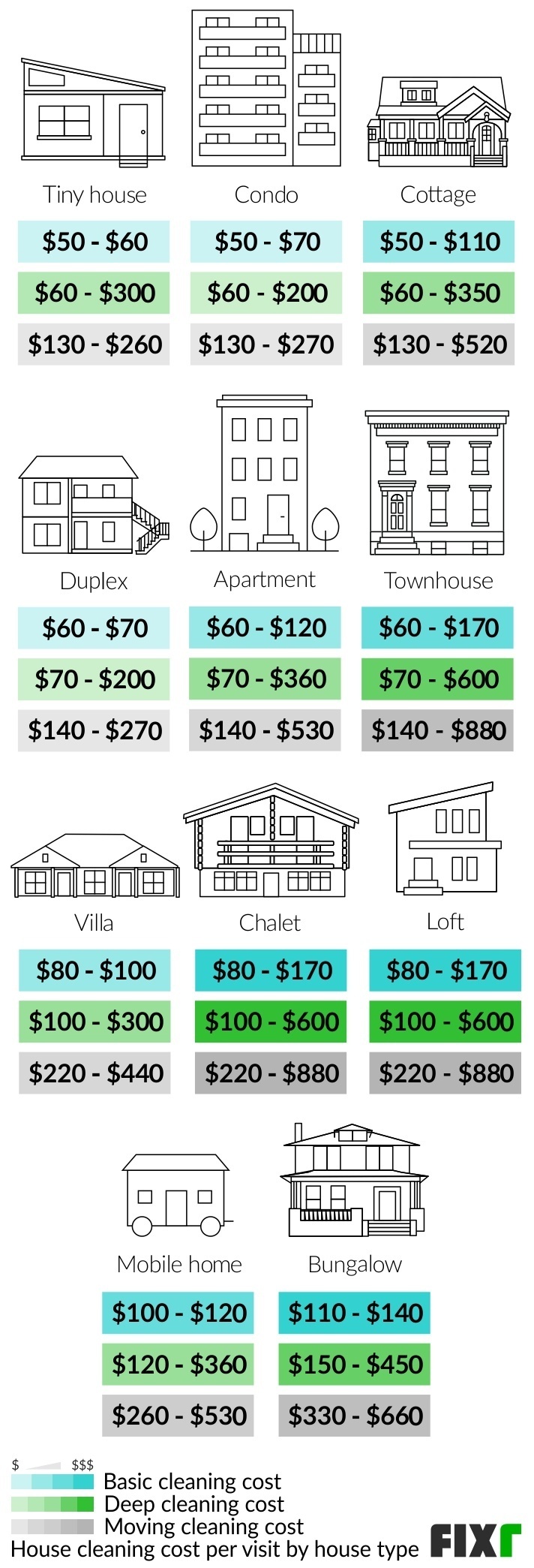
Just as real estate prices vary by zip code, so do cleaning rates. In high-cost-of-living (HCOL) areas like New York City, San Francisco, or Seattle, rates are significantly higher to account for the cleaner’s living expenses, transportation costs, and higher insurance premiums. In these markets, a standard three-bedroom home might cost $250–$400 per visit. Conversely, in rural or lower-cost regions, the same service might range from $120–$180.
Independent Cleaners vs. Professional Cleaning Companies
From a financial standpoint, the choice between an individual and a company is a trade-off between cost and security.
- Independent Cleaners: Usually the most budget-friendly option. Because they have minimal overhead (no office staff, lower marketing costs), they can pass savings to the client. However, they may not carry liability insurance or workers’ compensation.
- Professional Agencies: These entities charge a premium. This higher rate funds background checks, specialized training, bonded insurance, and administrative support. For the homeowner, this is a “risk management” cost.
Factors Influencing Your Cleaning Quote
When a service provider assesses a home, they are looking at several variables that impact their “time-on-site,” which is the primary driver of cost.
Square Footage and Number of Rooms
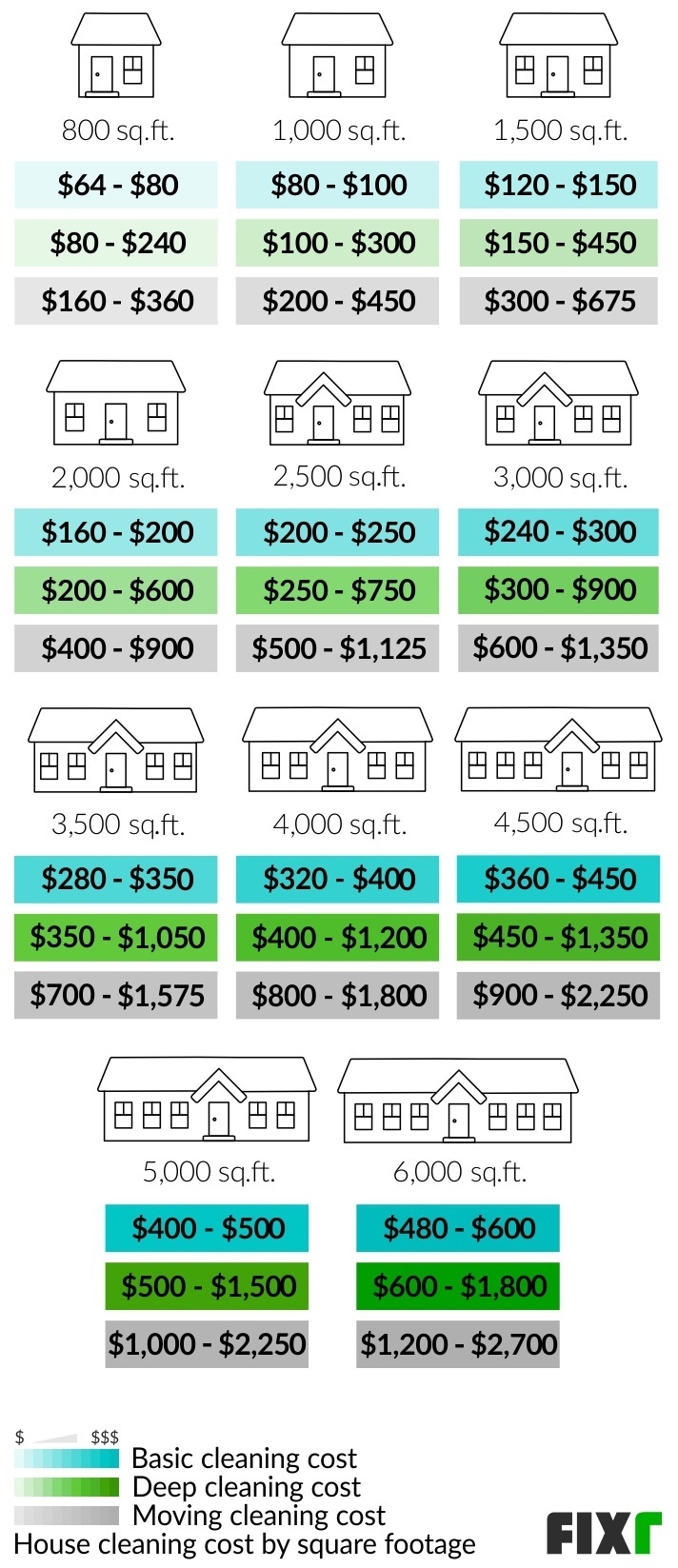
The most obvious factor is the size of the home. A 1,200-square-foot apartment requires less labor and fewer supplies than a 4,500-square-foot estate. Most companies use a tiered pricing system based on the number of bedrooms and bathrooms. Bathrooms, in particular, are “high-intensity” areas that require more chemical usage and scrubbing time, often commanding a higher price per room than a guest bedroom or a home office.
Deep Cleaning vs. Maintenance Cleaning
The “type” of clean is a critical financial distinction.
- Maintenance Cleaning: This is the standard recurring service (weekly or bi-weekly). It involves dusting, vacuuming, mopping, and surface cleaning. Because the home is kept at a baseline level of cleanliness, these visits are faster and cheaper.
- Deep Cleaning: Usually the first visit or a seasonal service. It includes detail work like baseboards, inside ovens, behind appliances, and window tracks. Deep cleans can cost 2x to 3x the price of a maintenance clean because they are labor-intensive and require specialized equipment.
Specialized Services: Pets, Windows, and Organization
Add-on services are where cleaning companies often find their highest profit margins. If a household has multiple pets, the cleaner must deal with excessive fur and dander, which may involve specialized vacuum attachments and more frequent filter changes. Other “extras” that increase the rate include:
- Move-in/Move-out services: Essential for reclaiming security deposits or preparing a home for sale.
- Interior Windows: Often billed per pane.
- Laundry and Folding: Charged by the load or by the hour.
- Post-Construction Cleaning: Requires heavy-duty removal of dust and debris.
Building a Profitable House Cleaning Side Hustle
If you are looking at the average house cleaning rate from the perspective of an entrepreneur, the focus shifts to “Money In vs. Money Out.” Cleaning is a low-barrier-to-entry side hustle that can evolve into a lucrative business if the finances are managed correctly.
Calculating Your Overhead and Margin
To set a competitive yet profitable rate, you must first understand your “cost of goods sold” (COGS). This includes:
- Cleaning Supplies: Chemicals, microfibers, mops, and vacuums. (Estimated 5–10% of revenue).
- Transportation: Gas, vehicle maintenance, and insurance.
- Marketing: Website hosting, lead generation, and business cards.
If you charge $40 per hour but spend $10 on supplies and travel, and another $5 on self-employment tax, your take-home pay is $25. Successful entrepreneurs aim for a gross margin of at least 50% to ensure the business is sustainable.
Tax Considerations and Insurance Costs
In the world of personal and business finance, failing to account for “the invisible costs” can sink a side hustle.
- Self-Employment Tax: In the US, this is currently 15.3%. You must set this aside from every check you receive.
- Liability Insurance: A basic policy might cost $500–$1,000 per year but protects you from a $50,000 lawsuit if you accidentally damage a client’s high-end marble countertop or hardwood floors.
Scaling Your Income Through Premium Services
To move beyond the “average” rate, you must offer “above-average” value. High-earning cleaning businesses often specialize in niches. For example, “eco-friendly” or “green cleaning” allows you to charge a premium to health-conscious clients. Similarly, specializing in short-term rental (Airbnb) turnovers allows for higher rates due to the tight scheduling and “hotel-ready” standards required.
Budgeting for Professional Cleaning Services
For the consumer, hiring a cleaner is a strategic financial move. It is an investment in your most finite resource: time.
Incorporating Service Costs into Your Monthly Budget
If the average rate for a bi-weekly clean is $150, that represents a $300 monthly line item. To justify this, look at your budget for “discretionary spending.” Often, reducing dining out or subscription services can easily cover the cost of a cleaner. When viewed as a utility—similar to electricity or water—the expense becomes a predictable part of household management.
Evaluating the ROI of Outsourcing Chores
In personal finance, we often talk about “Opportunity Cost.” If you earn $100 per hour in your professional life, and it takes you five hours every weekend to clean your house, you are essentially “spending” $500 worth of your time. If you can hire a professional for $150 to do the same job better, you have technically “made” a profit of $350 in time-value. This reclaimed time can be used for professional development, rest, or spending quality time with family, which has a high emotional ROI.
Tips for Finding the Best Value Without Sacrificing Quality
Finding the “best” rate doesn’t always mean finding the “lowest” rate. To maximize value:
- Frequency Discounts: Many companies offer 10–20% discounts for weekly or bi-weekly contracts compared to one-off cleanings.
- Referral Programs: Some cleaners offer a free clean or a significant discount for every new client you refer.
- Provide Your Own Supplies: Some independent cleaners will lower their hourly rate if you provide the vacuum and cleaning chemicals, though many pros prefer their own tested products.
- Prioritize High-Traffic Areas: If a full-house clean is outside your budget, ask for a “kitchen and bath only” rate. These are the hardest areas to clean and offer the most value for your dollar.
By understanding the average house cleaning rate through the lens of economic variables, business overhead, and personal ROI, you can make informed decisions that benefit your home and your wallet. Whether you are paying for the service or providing it, the goal remains the same: maximizing value in the exchange of money for time.
aViewFromTheCave is a participant in the Amazon Services LLC Associates Program, an affiliate advertising program designed to provide a means for sites to earn advertising fees by advertising and linking to Amazon.com. Amazon, the Amazon logo, AmazonSupply, and the AmazonSupply logo are trademarks of Amazon.com, Inc. or its affiliates. As an Amazon Associate we earn affiliate commissions from qualifying purchases.