
Navigating the landscape of personal finance often requires balancing immediate needs with long-term fiscal health. For many individuals, purchasing a vehicle represents the second-largest financial commitment of their lives, trailing only the purchase of a home. However, the sticker price of a car is rarely the final cost. In the world of auto financing, the interest rate—or more accurately, the Annual Percentage Rate (APR)—serves as the critical variable that determines just how much you will pay over the life of your loan.
Understanding the average car loan interest rate is not just about looking at a single number; it is about understanding a shifting economic landscape influenced by central bank policies, inflation, and individual creditworthiness. In the current economic climate, where interest rates have seen significant volatility, being informed is your best defense against predatory lending and unnecessary financial strain.
The State of Auto Financing: Current Averages and Market Trends
The “average” car loan interest rate is a moving target, dictated by the broader movements of the Federal Reserve and the competitive landscape of the lending industry. As of the current market cycle, rates have climbed significantly from the historic lows seen in the previous decade. When evaluating averages, it is essential to distinguish between the various segments of the market, as a single figure rarely tells the whole story.
The Divergence Between New and Used Car Rates
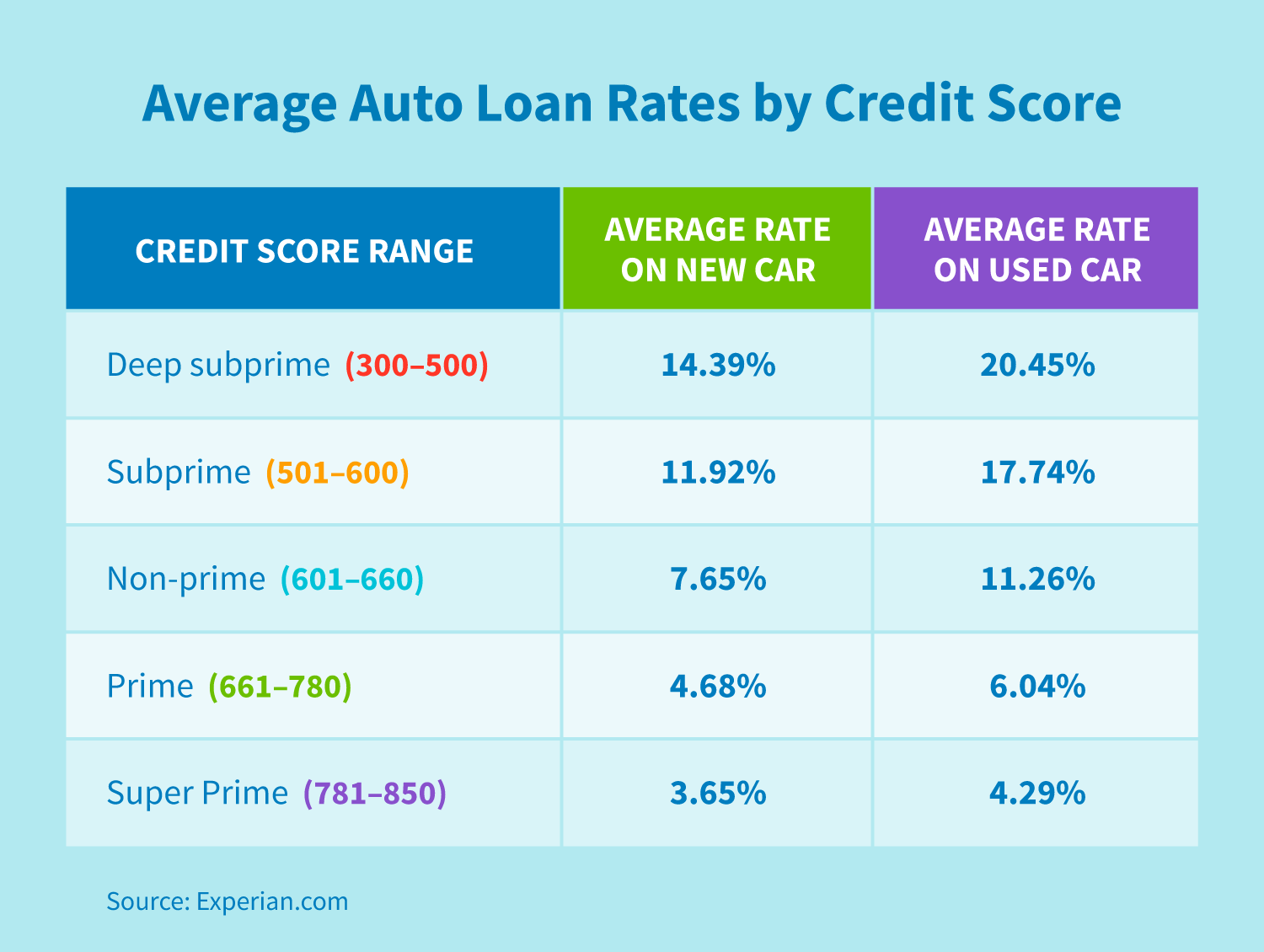
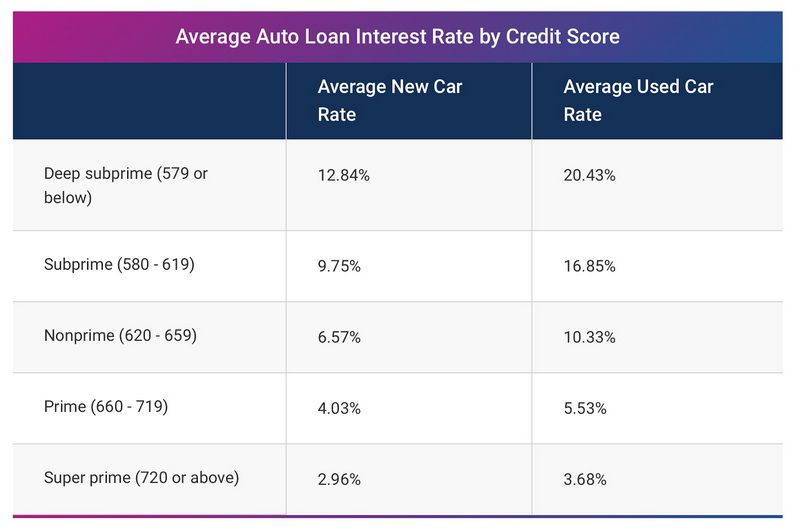
One of the first distinctions every borrower must understand is the gap between interest rates for new vehicles versus used ones. Historically, new car loans carry lower interest rates. Lenders view new cars as lower-risk collateral because they are easier to value, come with manufacturer warranties, and have a higher resale potential in the event of a repossession. On average, new car rates might hover between 6% and 9% for those with good credit.
In contrast, used car loans typically command higher rates, often 2% to 5% higher than their new-car counterparts. This is because used vehicles are more difficult to value accurately and carry a higher risk of mechanical failure, which increases the likelihood of a borrower defaulting on the loan if the car becomes undrivable. For many used car buyers, seeing rates in the 10% to 14% range is not uncommon in the current market.
How Macroeconomic Trends Influence Your APR
Your individual car loan does not exist in a vacuum; it is tethered to the federal funds rate. When the Federal Reserve raises interest rates to combat inflation, the cost of borrowing increases for banks. These banks then pass those costs on to consumers in the form of higher APRs on auto loans.
Furthermore, the “liquidity” in the financial markets plays a role. During periods of economic uncertainty, lenders may tighten their requirements, meaning that only those with the highest credit scores can access the “average” rates, while everyone else is pushed into higher-cost brackets. Understanding these trends helps you time your purchase or decide whether to wait for a potential cooling of the market.
Key Variables That Shape Your Personal Interest Rate
While market averages provide a baseline, your personal financial profile is what ultimately determines the quote you receive from a lender. Auto financing is an exercise in risk assessment. Lenders use several data points to predict the likelihood that you will repay the debt in full and on time.
The Power of Your Credit Score and Tier
Your credit score is the single most influential factor in determining your car loan interest rate. Lenders categorize borrowers into “tiers,” ranging from “Super Prime” (scores 780-850) to “Deep Subprime” (scores below 500).
- Super Prime Borrowers: Often receive the lowest advertised rates, sometimes even 0% or 0.9% promotional rates from manufacturers.
- Prime Borrowers (661-780): Generally receive rates close to the national average.
- Subprime Borrowers (Below 600): May face interest rates that exceed 15% or 20%.
Over the life of a five-year loan, the difference between a 5% rate and a 15% rate can amount to thousands of dollars in interest alone, potentially costing more than the actual depreciation of the vehicle.
Loan Term Length and Its Impact on Total Cost
In recent years, the average length of a car loan has stretched from 48 or 60 months to 72 or even 84 months. While a longer term lowers the monthly payment, it almost always comes with a higher interest rate. Lenders charge a premium for longer terms because the extended duration increases the risk that the borrower will experience a financial hardship or that the car’s value will drop significantly below the remaining loan balance (being “underwater”).
From a personal finance perspective, a longer term is a double-edged sword. It makes an expensive car feel affordable on a monthly basis, but the total interest paid balloons, and the borrower remains in debt for a significant portion of the vehicle’s useful life.

The Role of Down Payments and Loan-to-Value (LTV) Ratio
The amount of money you put down upfront acts as a buffer for the lender. A substantial down payment reduces the Loan-to-Value (LTV) ratio. If you are financing $20,000 for a car worth $25,000, your LTV is 80%. Lenders prefer low LTV ratios because, in the event of a default, they can easily recoup their money by selling the car. Consequently, borrowers who provide a 20% down payment are often rewarded with lower interest rates compared to those seeking “zero-down” financing.
Navigating the Lender Landscape for the Best Deals
Not all car loans are created equal, and where you get your financing can be just as important as the car you choose. The market is divided into several types of institutions, each with its own incentives and rate structures.
Traditional Banks vs. Credit Unions
Traditional commercial banks offer convenience, especially if you already have an account with them. However, they often have rigid lending criteria and moderate interest rates.
Credit unions, on the other hand, are member-owned, non-profit entities. Because they do not have to answer to shareholders, they frequently return their “profits” to members in the form of lower interest rates and lower fees. For many savvy consumers, a credit union is the first stop when seeking a car loan, as their rates for used cars are often significantly lower than those offered by national banks.
Dealership Financing and Captive Lenders
When you finance through a dealership, you are often working with “captive lenders”—financing arms owned by the car manufacturers (e.g., Ford Credit, Toyota Financial Services). These lenders often offer the most competitive rates on new cars, including 0% APR promotions, because their primary goal is to help the manufacturer sell more units.
However, caution is required. Dealerships may also work with third-party lenders and “markup” the interest rate. If a bank approves you for 6%, the dealer might tell you your rate is 8%, pocketing the 2% difference as profit. This is why it is crucial to obtain a pre-approval from an outside bank or credit union before stepping onto the lot.
Online Lenders and Fintech Innovations
The rise of financial technology (Fintech) has introduced a new wave of online-only lenders. These companies often use sophisticated algorithms to evaluate creditworthiness beyond just a FICO score. For borrowers with unique financial situations or those who value a completely digital, rapid approval process, online lenders can offer competitive rates that rival traditional institutions.
Proactive Financial Tactics to Lower Your Borrowing Costs
Securing a low interest rate is not just a matter of luck; it is a result of strategic financial planning. If the current average rates are higher than you’d like, there are several levers you can pull to improve your position.
Improving Your Credit Profile Before Applying
If you are not in an immediate rush to buy a vehicle, taking six months to polish your credit report can save you a fortune. Paying down credit card balances to lower your credit utilization ratio and ensuring there are no errors on your credit report can bump your score into a higher tier. Even a 30-point increase can sometimes move you from a “Non-prime” rate to a “Prime” rate, slashing your APR by several percentage points.
The Art of Refinancing Your Current Auto Loan
If you already have a car loan with a high interest rate, you aren’t necessarily stuck with it. Auto loan refinancing allows you to take out a new loan to pay off the old one, ideally at a lower rate. This is a particularly effective strategy if your credit score has improved since you first bought the car, or if market interest rates have dropped. By refinancing, you can either lower your monthly payment or shorten the loan term to pay off the vehicle faster, saving significantly on interest.
Considering a Co-signer for Better Terms
For younger borrowers or those with a thin credit history, a co-signer with an excellent credit profile can be a game-changer. A co-signer essentially “lends” their credit score to the application, providing the lender with additional security. This typically results in an interest rate that reflects the co-signer’s creditworthiness rather than the primary borrower’s. However, this is a serious commitment, as the co-signer is equally responsible for the debt if the primary borrower fails to pay.
Conclusion: Balancing Monthly Payments and Long-Term Value
While the average car loan interest rate serves as a useful benchmark, your focus should always be on the “total cost of ownership.” A low monthly payment can be a financial trap if it is achieved through an 84-month term with a double-digit interest rate.
In the realm of personal finance, the goal is to minimize the amount of money leaving your pocket in the form of interest. By monitoring market trends, maintaining a robust credit score, and shopping around for the best lender, you can secure a rate that preserves your capital for other wealth-building opportunities, such as investing or retirement savings. Remember: the best car loan is the one that you pay off as quickly as possible, with the least amount of interest accrued.
aViewFromTheCave is a participant in the Amazon Services LLC Associates Program, an affiliate advertising program designed to provide a means for sites to earn advertising fees by advertising and linking to Amazon.com. Amazon, the Amazon logo, AmazonSupply, and the AmazonSupply logo are trademarks of Amazon.com, Inc. or its affiliates. As an Amazon Associate we earn affiliate commissions from qualifying purchases.