
In an increasingly digital world, subscription services have become a ubiquitous part of our daily lives, from streaming entertainment to software tools and, perhaps most prominently, e-commerce. Among these, Amazon Prime stands out as a colossal offering, far transcending mere expedited shipping. However, the comprehensive suite of benefits it provides comes with an annual fee, a cost that prompts many consumers to ponder its true value. Understanding this fee, its variations, and how it integrates into one’s personal finance strategy is crucial for making an informed decision about whether Prime aligns with your financial goals and lifestyle.
For many, Amazon Prime is synonymous with convenience, a gateway to a world of rapid deliveries, exclusive content, and a myriad of other perks. Yet, at its core, it represents a recurring financial commitment. This article will delve into the specifics of the Amazon Prime annual fee, explore the multifaceted value proposition it offers, and provide a financial framework for assessing its worth in your personal budget. We’ll dissect the various membership options, reveal potential savings, and offer insights into how to maximize the financial utility of your subscription, ensuring you’re not just paying for a service, but strategically investing in value.
Deconstructing the Amazon Prime Membership Options and Their Costs
Understanding the annual fee for Amazon Prime isn’t as simple as a single, static number; it involves recognizing the various membership structures and potential discounts available. Amazon has strategically tiered its offerings to cater to different demographics and financial situations, making it essential to identify which option best suits your needs and budget.
Standard Annual and Monthly Membership Rates
The most common way individuals subscribe to Amazon Prime is through its standard annual or monthly plans. As of the latest updates, the standard annual fee for Amazon Prime in the U.S. is $139. This upfront payment grants members a full year of access to all Prime benefits, often representing a cost-saving compared to its monthly counterpart.
Alternatively, Amazon offers a monthly membership option, typically priced at $14.99 per month. While this offers greater flexibility, allowing subscribers to cancel at any time without a year-long commitment, it does accumulate to a higher cost over a 12-month period ($14.99 x 12 = $179.88). From a purely financial standpoint, the annual payment offers a discount of roughly $40 over paying monthly, making it the more economical choice for consistent users.
It’s important for consumers to regularly check Amazon’s official website for the most current pricing, as fees are subject to change over time, often reflecting expanded services or increased operational costs.
Special Discounts and Eligibility Programs
Recognizing that a one-size-fits-all approach doesn’t cater to all financial realities, Amazon provides several discounted Prime membership programs, making the service more accessible to broader segments of the population. These programs are key for many individuals looking to access Prime benefits without the full standard annual fee.
-
Prime Student: This is perhaps one of the most generous discount programs. Eligible college students can sign up for Prime Student, which often begins with a free 6-month trial sponsored by Sprint (or similar partners), followed by a discounted annual rate. The current discounted rate for Prime Student is typically $7.49 per month or $69 per year, half the cost of a standard Prime membership. Eligibility usually requires a valid .edu email address or other proof of student enrollment. This program not only offers significant savings but also often includes unique student-centric benefits or promotions.
-
EBT and Medicaid Holders: To ensure Prime’s benefits are available to individuals receiving government assistance, Amazon offers a reduced-price Prime membership for those with qualifying EBT or Medicaid cards. This program typically allows eligible individuals to subscribe for $6.99 per month. While this is a monthly payment option, it represents a substantial discount from the standard monthly rate and provides access to the core Prime benefits, excluding certain digital channels that might require additional payment. This initiative underscores Amazon’s efforts to broaden its market reach while addressing financial accessibility.
These discount programs highlight Amazon’s strategic approach to expanding its subscriber base by lowering financial barriers for specific demographics. For those who qualify, these options present a significant financial advantage, making the extensive benefits of Prime more attainable.
Understanding the Value Proposition of Amazon Prime
While the annual fee is a clear financial outlay, the true assessment of Amazon Prime’s worth extends far beyond this single number. Its value proposition is built upon a diverse ecosystem of services and benefits, each designed to enhance convenience, offer entertainment, and potentially save members money in various aspects of their lives.
More Than Just Free Shipping: A Suite of Benefits
The initial allure of Amazon Prime for many was its expedited, “free” two-day shipping on millions of items. This benefit alone can translate into significant savings, especially for frequent online shoppers who would otherwise incur standard shipping fees. However, Prime has evolved into a comprehensive lifestyle subscription, offering a robust portfolio of services:
-
Expedited and Free Shipping: Beyond two-day shipping, members often get access to one-day, same-day, and even 2-hour grocery delivery (in select areas) at no extra charge, a major convenience for urgent needs.
-
Prime Video: An extensive library of movies and TV shows, including critically acclaimed Amazon Originals, rivals other major streaming platforms. This benefit alone can offset a significant portion of the annual fee if it replaces or reduces the need for other paid streaming subscriptions.
-
Prime Music: Ad-free access to millions of songs and thousands of stations and playlists. While not as comprehensive as dedicated music streaming services, it offers substantial value for casual listeners.
-
Prime Reading: Access to a rotating selection of ebooks, magazines, and comics, available to read on Kindle devices or the Kindle app.
-
Whole Foods Market Discounts: Exclusive savings and 5% back on select purchases for Prime members using the Amazon Prime Rewards Visa Card at Whole Foods Market.
-
Amazon Pharmacy: Prime members can get prescription medications delivered to their door with free 2-day shipping, along with exclusive savings.
-
Amazon Photos: Unlimited full-resolution photo storage and 5 GB for video, a valuable perk for anyone with a large digital photo collection.
-
Prime Gaming: Free games, a free monthly Twitch channel subscription, and access to exclusive in-game content.
-
Early Access to Deals: Prime members often get early access to Lightning Deals and special sales events like Prime Day, potentially leading to significant savings on desired products.
This extensive list underscores that the annual fee provides access to a multifaceted service, going far beyond its initial promise of quick deliveries.
The Cost-Benefit Analysis for Consumers
Evaluating whether the Amazon Prime annual fee is a worthwhile financial investment requires a personalized cost-benefit analysis. This involves tallying up your usage of each Prime benefit and comparing it against the annual cost.
Consider the following questions to help with your analysis:
-
Shipping Savings: How many orders do you place on Amazon in a year? If each order would typically incur a shipping fee of, say, $5, and you place 30 orders a year, you’re saving $150 in shipping costs alone, which already surpasses the annual fee.
-
Streaming Entertainment: Do you subscribe to other video or music streaming services? If Prime Video or Music sufficiently meets your entertainment needs, you might be able to cancel another subscription, directly offsetting the Prime fee.
-
Grocery Savings: Do you shop at Whole Foods frequently? The exclusive discounts and cash back can add up over time, providing tangible savings.
-
Digital Storage: Are you paying for cloud storage for photos elsewhere? Amazon Photos could eliminate that expense.
-
Convenience Value: While harder to quantify financially, the value of convenience—such as last-minute gift shopping with expedited shipping, or immediate access to entertainment—is a significant factor for many.
If, after this assessment, the combined monetary and convenience value of the benefits you regularly use exceeds the annual fee, then Prime likely represents a sound financial decision. Conversely, if you primarily use only one or two minor benefits, the fee might be disproportionately high for your usage pattern, suggesting a reconsideration of the subscription’s necessity.
Maximizing Your Prime Membership: Financial Strategies and Tips
Once you’ve decided that Amazon Prime’s annual fee is a justifiable expense for your household, the next step is to ensure you’re getting the absolute most financial value out of your membership. Strategic utilization can transform Prime from a mere subscription into a powerful tool for savings and financial optimization.
Leveraging Prime Benefits to Save Money
Beyond the obvious savings from free shipping, several Prime benefits can be actively leveraged to reduce other household expenses:
-
Consolidate Streaming Services: If you’re paying for multiple video or music streaming services, assess whether Prime Video and Prime Music can sufficiently replace one or more of them. For instance, if you mostly watch mainstream movies and TV shows, Prime Video might allow you to cancel another streaming subscription, saving $10-$20 per month.
-
Shop Smart for Groceries: Make a habit of checking Whole Foods Market for Prime-exclusive deals. Plan your grocery shopping around these sales, especially for staples you regularly purchase. The 5% cash back with the Amazon Prime Rewards Visa Card at Whole Foods and Amazon.com can also add up, providing a tangible return on your spending.
-
Utilize Digital Perks: Take advantage of Prime Reading for books and magazines instead of purchasing them or subscribing to other digital reading services. Use Amazon Photos for cloud storage to avoid separate subscription fees for photo backup.
-
Take Advantage of Prime Day and Early Access: Prime Day sales can offer significant discounts on a wide range of products. If you have planned purchases, waiting for Prime Day or utilizing early access to other deals can lead to substantial savings, effectively reducing the net cost of your Prime membership.
-
Compare Rx Prices: Use Amazon Pharmacy for prescription medications. Compare their prices with your local pharmacy, as Prime member discounts or free delivery could result in savings, especially for regular prescriptions.
By consciously integrating these Prime benefits into your spending habits and planning, you can transform the annual fee into an investment that yields greater financial returns than its initial cost.
The Subscription Audit: Is Prime Still Worth It?
Like all recurring expenses, it’s financially prudent to conduct a regular “subscription audit” of your Amazon Prime membership. Consumer habits and needs change, and a service that was invaluable a year ago might no longer offer the same level of utility.
-
Annual Review: Once a year, preferably before your annual renewal date, take a moment to review your Amazon purchase history and your usage of Prime’s digital services (Prime Video, Music, Reading).
-
Usage vs. Cost: Ask yourself: How often did I genuinely utilize the free shipping? Did I watch enough Prime Video content to justify its inclusion? Did I save money at Whole Foods or through Prime-exclusive deals?
-
Opportunity Cost: Consider what else you could do with the $139 annual fee. Could that money be better allocated to an investment, an emergency fund, or a different subscription service that offers more value to your current lifestyle?
If your usage has significantly decreased, or if you find yourself paying for benefits you rarely use, it might be time to reconsider the subscription or opt for the monthly plan to allow for greater flexibility to cancel when not needed. Financial mindfulness means ensuring every dollar spent brings commensurate value.
Alternative Strategies: Sharing and Family Plans
Amazon Prime offers a feature called Amazon Household, which allows two adults and up to four teens and four children to share certain Prime benefits. This is a crucial financial strategy for families or even roommates.
-
How it Works: Two adults living in the same household can link their Amazon accounts to share benefits like free Prime shipping, Prime Video, Prime Reading, and Amazon Photos. Each adult maintains their own personalized experience, purchase history, and payment methods.
-
Financial Advantage: This effectively allows two adults to split the cost of a single Prime membership, each paying half the annual fee (e.g., $69.50 each per year), while still enjoying a significant portion of the benefits. This dramatically reduces the individual financial burden and maximizes the value derived from one subscription.
Before signing up for two separate Prime memberships, always explore the Amazon Household option. It’s a simple yet highly effective way to cut down on subscription costs while maintaining access to desired services, aligning perfectly with smart personal finance management.
The Future of Prime Membership and Financial Considerations
The landscape of subscription services is constantly evolving, and Amazon Prime is no exception. Understanding potential future changes and integrating your Prime membership into a broader financial strategy can help ensure its continued value.
Anticipating Potential Price Changes and Service Expansions
Amazon has a history of adjusting Prime’s annual fee, typically upward, as it expands the range and quality of its services. These price increases usually reflect increased operational costs, investments in original content, and the addition of new benefits.
-
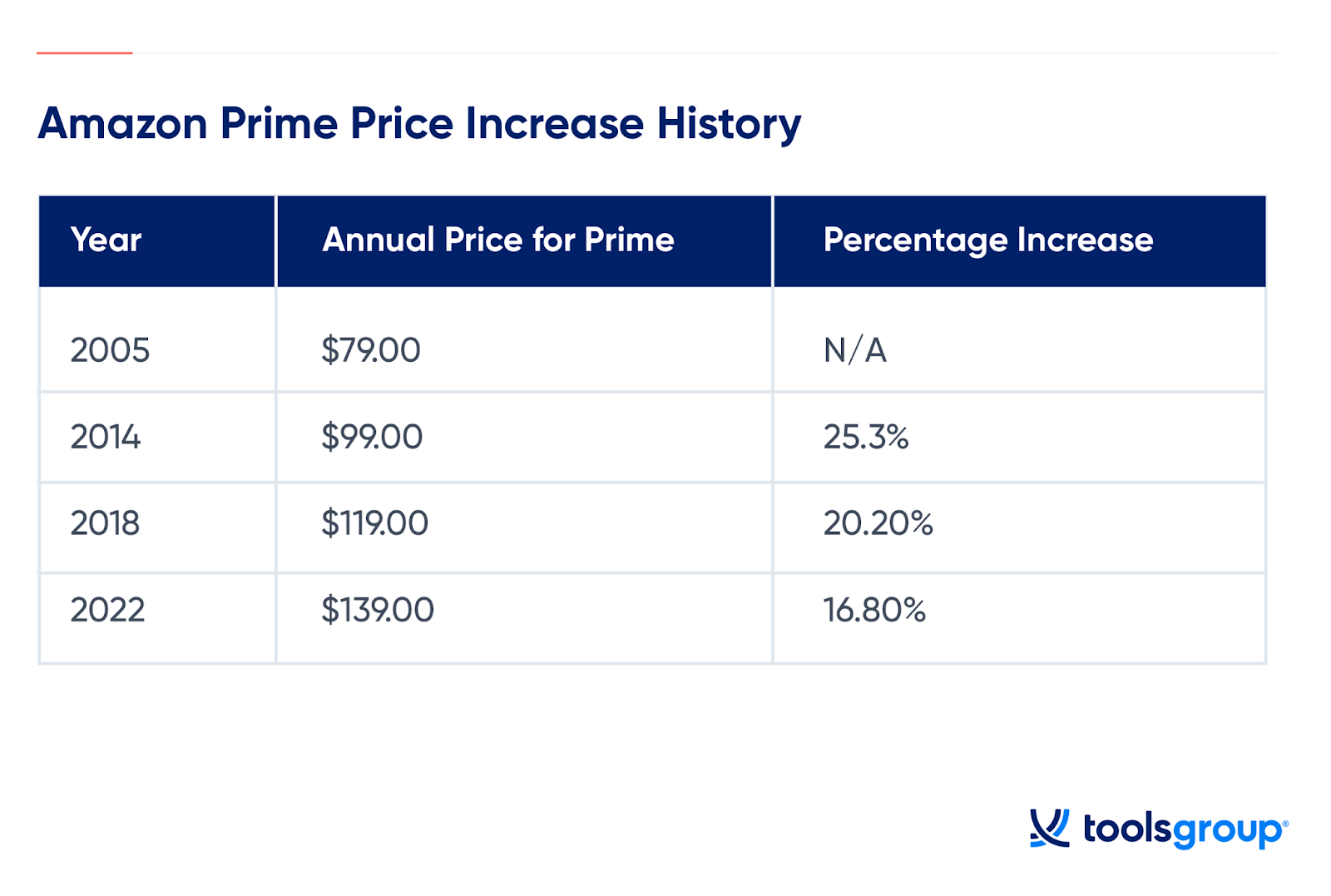
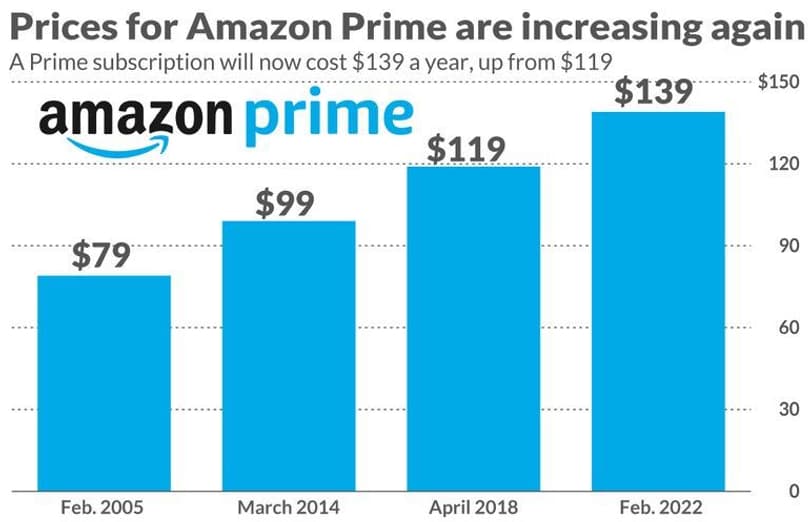
Historical Precedent: The annual fee has seen several increases since its inception at $79, rising to $99, then to $119, and most recently to $139. These changes are usually accompanied by a promise of enhanced services or a greater return on investment for members.
-
Future Outlook: It’s reasonable to anticipate that future price adjustments could occur, especially as Amazon continues to invest heavily in areas like Prime Video content, faster delivery infrastructure, and new member benefits. From a financial planning perspective, it’s wise to factor in the possibility of incremental cost increases when budgeting for long-term subscriptions.
-
New Services: Keep an eye on announcements regarding new features or services added to Prime. Sometimes, a new benefit might unlock significant value for you that wasn’t previously available, reinforcing the membership’s worth.
Being aware of these trends allows you to proactively assess the ongoing financial viability of your Prime membership.

Integrating Prime into Your Household Budget
Managing recurring subscription fees like Amazon Prime is a fundamental aspect of modern personal finance. Rather than viewing it as an isolated expense, integrate it consciously into your overall household budget.
-
Allocate a “Subscriptions” Category: Create a specific category in your budget for all recurring digital services, including Prime. This provides a clear overview of how much you’re spending monthly or annually on subscriptions.
-
Annual vs. Monthly Payment: For services like Prime where an annual payment offers a discount, consider whether you have the upfront cash flow to take advantage of this saving. If you opt for the annual payment, ensure you budget for it accordingly once a year. If paying monthly is better for your cash flow, be aware of the higher cumulative cost.
-
Prioritize and Prune: Regularly review your entire subscription portfolio. If Amazon Prime’s benefits largely overlap with another service you’re paying for (e.g., another streaming platform, a separate photo storage service), consider consolidating to save money. Be ruthless in pruning subscriptions that no longer offer sufficient value for their cost.
By treating the Amazon Prime annual fee not as an unavoidable cost but as a deliberate financial choice, evaluated against its tangible and intangible benefits, you empower yourself to make smarter spending decisions. A well-managed Prime membership can indeed be a valuable asset in your financial toolkit, providing convenience and savings, but only when actively monitored and leveraged to its fullest potential within your budget.
aViewFromTheCave is a participant in the Amazon Services LLC Associates Program, an affiliate advertising program designed to provide a means for sites to earn advertising fees by advertising and linking to Amazon.com. Amazon, the Amazon logo, AmazonSupply, and the AmazonSupply logo are trademarks of Amazon.com, Inc. or its affiliates. As an Amazon Associate we earn affiliate commissions from qualifying purchases.