
In the rapidly evolving landscape of consumer electronics and interactive entertainment, few products have bridged the gap between physical collectibles and digital functionality as effectively as the Amiibo. Launched by Nintendo in 2014, the Amiibo line represents a sophisticated application of Near Field Communication (NFC) technology, designed to enhance the gaming experience across multiple hardware platforms. While they may appear to be high-quality figurines or cards, they are essentially encrypted storage devices that trigger specific software responses when brought into proximity with compatible hardware.
To understand what an Amiibo is from a technical perspective, one must look beyond the plastic aesthetics and examine the interplay between hardware protocols, data management, and software integration. This guide explores the technological foundation of the Amiibo ecosystem, its integration across Nintendo’s console generations, and the mechanics that drive its interactive capabilities.
The Technological Foundation: NFC and Hardware Architecture
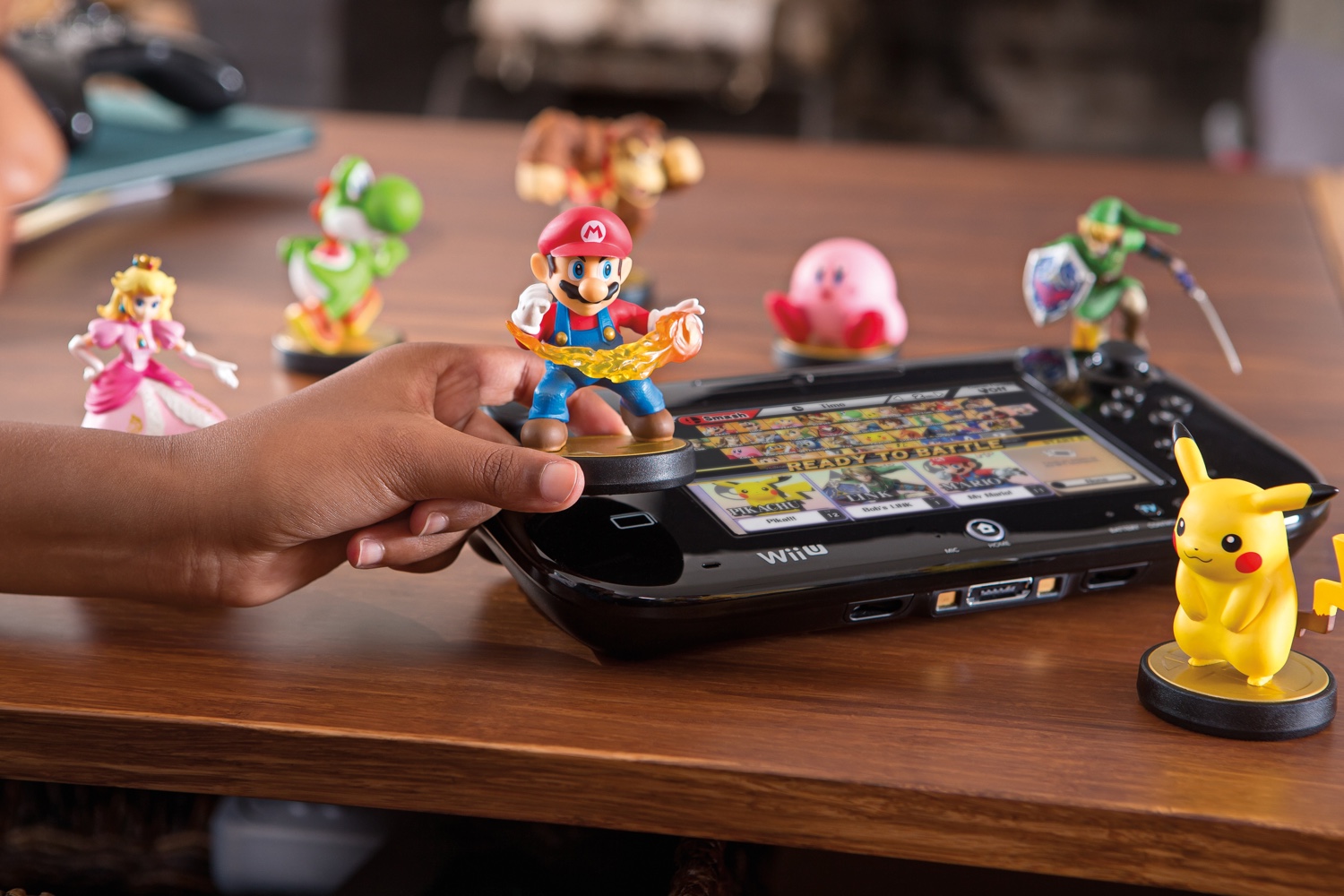
At its core, an Amiibo is a peripheral device that utilizes Near Field Communication (NFC). This is a short-range wireless connectivity technology that allows for the exchange of data between devices over a distance of typically 4 centimeters or less. Unlike Bluetooth or Wi-Fi, which require active power sources and complex pairing processes, the NFC chips inside Amiibo are “passive” tags. They are powered by the electromagnetic field generated by the “active” reader—in this case, the Nintendo Switch, Wii U, or New Nintendo 3DS.
Near Field Communication (NFC) Protocols
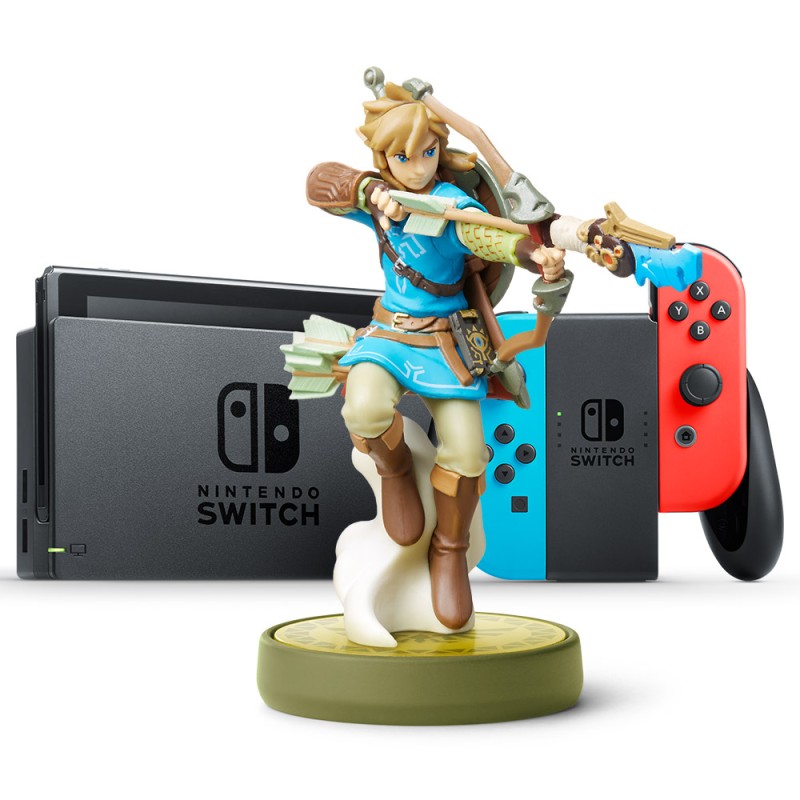
The Amiibo uses a specific type of NFC chip (often identified as NTAG215) that operates at the 13.56 MHz frequency. When an Amiibo is placed over the NFC touchpoint—located under the right Joy-Con analog stick or the Pro Controller’s center on the Switch—the console sends a radio frequency signal that wakes up the chip. The chip then transmits its unique identification code and any stored data back to the console.
This process is instantaneous and requires very little energy from the host device. From a security standpoint, the data on an Amiibo is encrypted to prevent unauthorized modification, ensuring that the “level” or “items” stored on the device remain consistent with the game’s internal logic.
Evolution of the NFC Reader Hardware
Nintendo has refined its NFC reader technology through several iterations of hardware. The Wii U GamePad was the first to feature a built-in reader on its left side. As the technology matured, Nintendo integrated the reader directly into the handheld screens of the “New” Nintendo 3DS and 2DS models.
For the Nintendo Switch, the technology was miniaturized further to fit within the compact housing of the Joy-Con controllers. This evolution demonstrates a significant feat in hardware engineering: maintaining a consistent read-range and data-transfer speed despite the shrinking physical footprint of the sensors.
Functionality and Software Integration
The primary purpose of an Amiibo is to act as a physical key that unlocks or alters digital content. However, the tech operates in two distinct modes: “Read-Only” and “Read/Write.” Understanding these modes is essential to grasping how the device interacts with a game’s software architecture.
Read-Only vs. Read/Write Mechanics
In “Read-Only” mode, the game simply recognizes the ID of the Amiibo. For example, if you scan a Mario Amiibo in Super Mario Odyssey, the software detects the “Mario” ID and triggers a specific cosmetic unlock (like a costume). The chip’s data is not altered.
In “Read/Write” mode, the interaction is more complex. Games like Super Smash Bros. Ultimate allow players to save data directly onto the Amiibo chip. When you train a “Figure Player” (FP), the software writes the character’s level, personality traits, and stat boosts back to the NTAG215 chip. This allows the user to bring their physical figurine to a friend’s house, scan it onto a different console, and have their specific, leveled-up character appear instantly. This bidirectional data flow is what separates Amiibo from standard digital-only DLC.
Software Hooks and Digital Content Delivery
From a software engineering perspective, Amiibo serve as an alternative delivery method for downloadable content (DLC). Instead of purchasing a license through a digital storefront, the physical presence of the Amiibo provides the “handshake” required to unlock assets already present in the game’s code. This allows developers to gate content behind a physical purchase, creating a unique synergy between the hardware peripheral and the software’s asset management system.

Hardware Diversity: Figures, Cards, and Beyond
While the most recognizable Amiibo are the detailed 4-inch figurines, Nintendo has expanded the form factor of the technology to suit different consumer needs and manufacturing costs. Regardless of the exterior, the internal tech remains largely the same.
Amiibo Figures vs. Amiibo Cards
The standard figure consists of a hand-painted PVC character mounted on a base that contains the NFC coil and chip. These are designed for display as much as for utility. However, for games that require a massive library of characters—such as Animal Crossing: New Horizons—Nintendo utilized the Amiibo Card format.
Amiibo cards contain the same NTAG215 technology embedded within thin layers of laminated cardstock. From a tech standpoint, the console cannot distinguish between a card and a figure; it only reads the digital signature of the chip. This allows for a more portable and affordable way to manage a large collection of interactive assets.
Specialized Tech Formats
Nintendo has occasionally experimented with the physical application of NFC. A notable example is the “Mega Yarn Yoshi,” which featured an NFC chip embedded inside a plush textile toy. Another is the Skylanders SuperChargers collaboration, where a “Turbo Charge Donkey Kong” figure featured a rotating base that could switch the internal chip’s frequency between Nintendo’s Amiibo protocol and Activision’s proprietary Skylanders protocol. This mechanical solution to a software compatibility issue remains a unique highlight in the history of interactive toys.
Maintenance, Data Management, and Troubleshooting
Like any hardware peripheral, Amiibo are subject to technical limitations and potential points of failure. Understanding how to manage the digital data on these chips is crucial for long-term use.
Troubleshooting Syncing and Interference
Because NFC relies on radio waves, it is susceptible to electromagnetic interference. Placing an Amiibo near a powerful magnet, a wireless router, or even a smartphone with its own NFC active can sometimes result in a “failed to read” error. Additionally, the physical orientation of the chip matters; if the base of the figurine is tilted or moved too quickly during the “Write” process, data corruption can occur.
The Nintendo Switch system software includes a dedicated “Amiibo” section in the System Settings. Here, users can register an owner and a nickname to the chip, or perform a factory reset to clear stored “Read/Write” data. This level of OS-level integration ensures that users have a pathway to fix software-side errors without needing specialized external hardware.
Digital Backups and Data Longevity
NFC chips are rated for thousands of “reads,” but their lifespan is not infinite. Over decades, the data on an NFC chip can theoretically degrade (a phenomenon known as data rot). For tech enthusiasts, this has led to the development of third-party tools and apps that can “back up” the data of an Amiibo. By using an NFC-enabled smartphone, a user can read the encrypted bin file of their Amiibo and store it digitally. While Nintendo does not officially support this, it highlights the intersection of the Amiibo community and the broader digital preservation movement.
The Future of Interactive Peripherals
The Amiibo ecosystem has outlasted many of its competitors in the “toys-to-life” category, such as Disney Infinity or LEGO Dimensions. Its success is largely attributed to its platform-wide utility. Rather than being tied to a single game, the Amiibo is a multi-purpose tech tool that works across hundreds of titles.
Advancements in Peripheral Interactivity
Looking forward, the tech behind Amiibo is likely to evolve alongside Nintendo’s future hardware. We may see the integration of larger storage capacities on the chips, allowing for more complex data—such as entire replays or customized level designs—to be stored within the figurine. There is also the potential for “active” NFC chips that could include LED lighting or haptic feedback powered by the console’s NFC field.
As augmented reality (AR) becomes more prevalent, the physical Amiibo could serve as an anchor point for digital overlays. Imagine a scenario where scanning an Amiibo on a desk allows a mobile device or AR glasses to project a 3D animated version of that character in the real world, using the NFC chip as the spatial coordinate.
Conclusion
The Amiibo is far more than a collectible toy; it is a sophisticated, durable, and highly integrated piece of technology. By leveraging NFC protocols and smart software hooks, Nintendo has created a peripheral that adds tangible value to digital gaming. Whether it is used for storing character data in a fighting game or unlocking a rare item in an adventure title, the Amiibo remains a benchmark for how physical hardware can seamlessly interact with digital environments. As we move into the next generation of gaming, the Amiibo’s blend of simplicity and technical utility ensures its place as a cornerstone of the modern gaming kit.
aViewFromTheCave is a participant in the Amazon Services LLC Associates Program, an affiliate advertising program designed to provide a means for sites to earn advertising fees by advertising and linking to Amazon.com. Amazon, the Amazon logo, AmazonSupply, and the AmazonSupply logo are trademarks of Amazon.com, Inc. or its affiliates. As an Amazon Associate we earn affiliate commissions from qualifying purchases.