
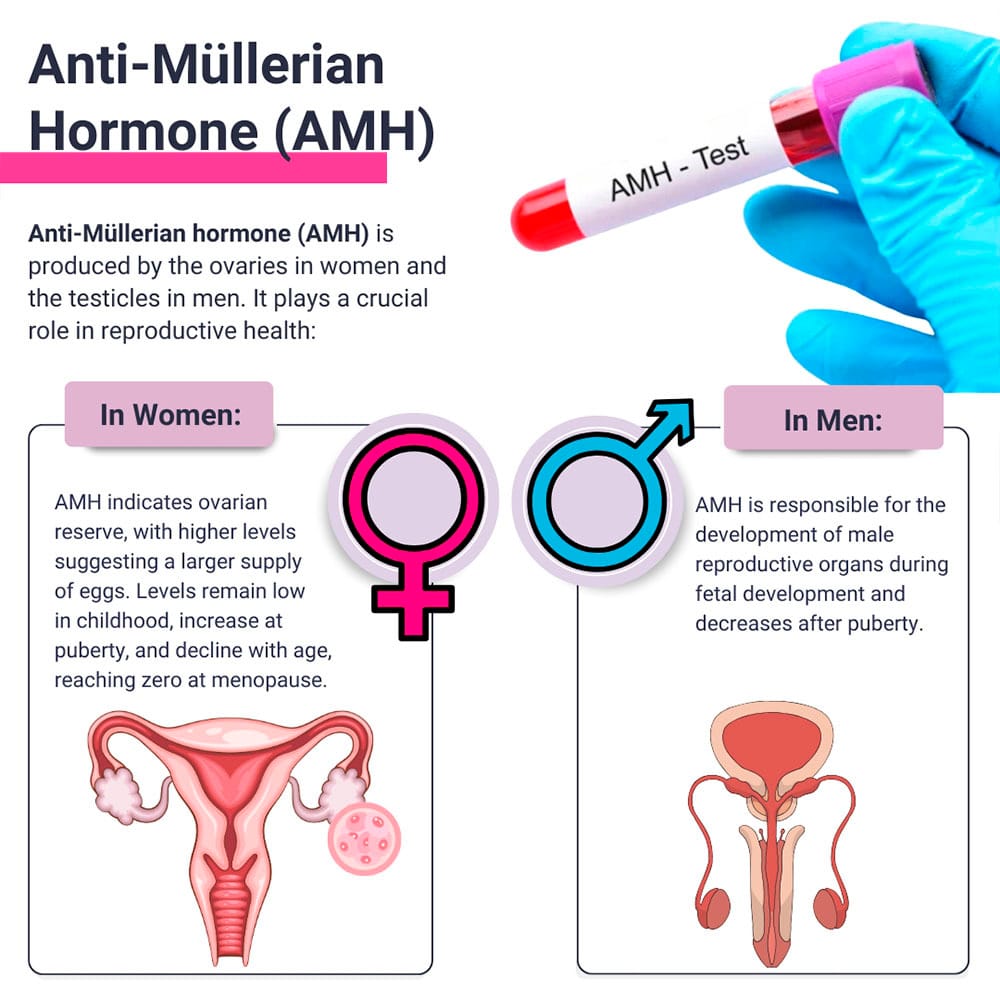
In the rapidly evolving landscape of health technology, the Anti-Müllerian Hormone (AMH) test has emerged as a cornerstone of the FemTech (Female Technology) revolution. While traditionally viewed through a purely clinical lens, the modern AMH test represents a sophisticated fusion of automated laboratory diagnostics, data science, and consumer-facing software. It is no longer just a laboratory metric; it is a data point that fuels a multi-billion dollar ecosystem of predictive algorithms, personalized health apps, and digital wellness platforms. Understanding what the AMH test is requires an exploration of the high-tech infrastructure that makes modern reproductive insights possible.
The Technological Architecture of Modern Hormonal Diagnostics
At its core, the AMH test is a biochemical assay designed to measure the levels of Anti-Müllerian Hormone in a blood sample. However, the technology used to perform this measurement has undergone a radical transformation over the last decade. Early iterations of the test relied on manual Enzyme-Linked Immunosorbent Assay (ELISA) protocols, which were prone to human error and inter-laboratory variability. Today, the industry has shifted toward fully automated platforms that define the cutting edge of diagnostic hardware.
Automated Immunoassay Systems
Modern AMH testing is primarily conducted using high-throughput automated systems such as the Roche Elecsys or the Beckman Coulter Access. These machines utilize Chemiluminescent Enzyme Immunoassay (CLEIA) technology. In this process, the hormone is captured by specific antibodies, and a chemical reaction produces light as a signal. The intensity of the light is measured by high-precision optical sensors, allowing for a level of sensitivity and specificity that was previously unattainable. This automation ensures that data is consistent across different geographic locations, a critical requirement for digital health platforms that aggregate user data globally.
Microfluidics and Miniaturization
One of the most significant trends in diagnostic tech is the move toward microfluidics—the manipulation of fluids at a sub-millimeter scale. New “lab-on-a-chip” technologies are being integrated into AMH testing to reduce the volume of blood required and to speed up processing times. By etching microscopic channels into silicon or glass, engineers can recreate complex laboratory environments on a device the size of a postage stamp. This technological leap is the backbone of the next generation of rapid, point-of-care testing tools.
The Digital Shift: At-Home Testing Kits and IoT Integration
The most visible tech trend regarding the AMH test is the democratization of laboratory access through at-home testing kits. Companies like Modern Fertility, Let’s Get Checked, and Hertility have disrupted the traditional healthcare model by leveraging logistical software and consumer-friendly hardware. This shift is not merely about convenience; it is about the integration of biological data into the Internet of Medical Things (IoMT).
The At-Home Hardware Ecosystem
An at-home AMH test kit is a sophisticated piece of logistics and engineering. It typically includes a capillary blood collection device designed to minimize user discomfort while maximizing sample integrity. Once the sample is collected, it is stabilized using proprietary chemical buffers that allow it to be shipped via standard mail without degrading the delicate proteins. The backend technology involves sophisticated tracking systems that use QR codes and blockchain-like ledgers to ensure that the digital identity of the user remains tethered to the physical sample throughout the laboratory process.
API Integration and Personal Health Dashboards
The true power of the modern AMH test lies in how the results are delivered. Leading FemTech brands utilize robust Application Programming Interfaces (APIs) to pipe lab data directly into mobile applications. Instead of receiving a static PDF, users see their AMH levels visualized through dynamic charts and graphs. These dashboards compare the user’s data against large-scale datasets, providing a percentile ranking based on age-matched cohorts. This software-driven approach transforms a raw number (e.g., 2.5 ng/mL) into an actionable digital asset that can be tracked over time, much like a stock portfolio or a fitness metric.
Artificial Intelligence and Predictive Analytics in Reproductive Tech

Beyond the hardware of the test itself, the data generated by AMH testing is being used to train increasingly sophisticated Artificial Intelligence (AI) and Machine Learning (ML) models. This is where the intersection of biology and software engineering becomes most profound.
Machine Learning for Ovarian Reserve Prediction
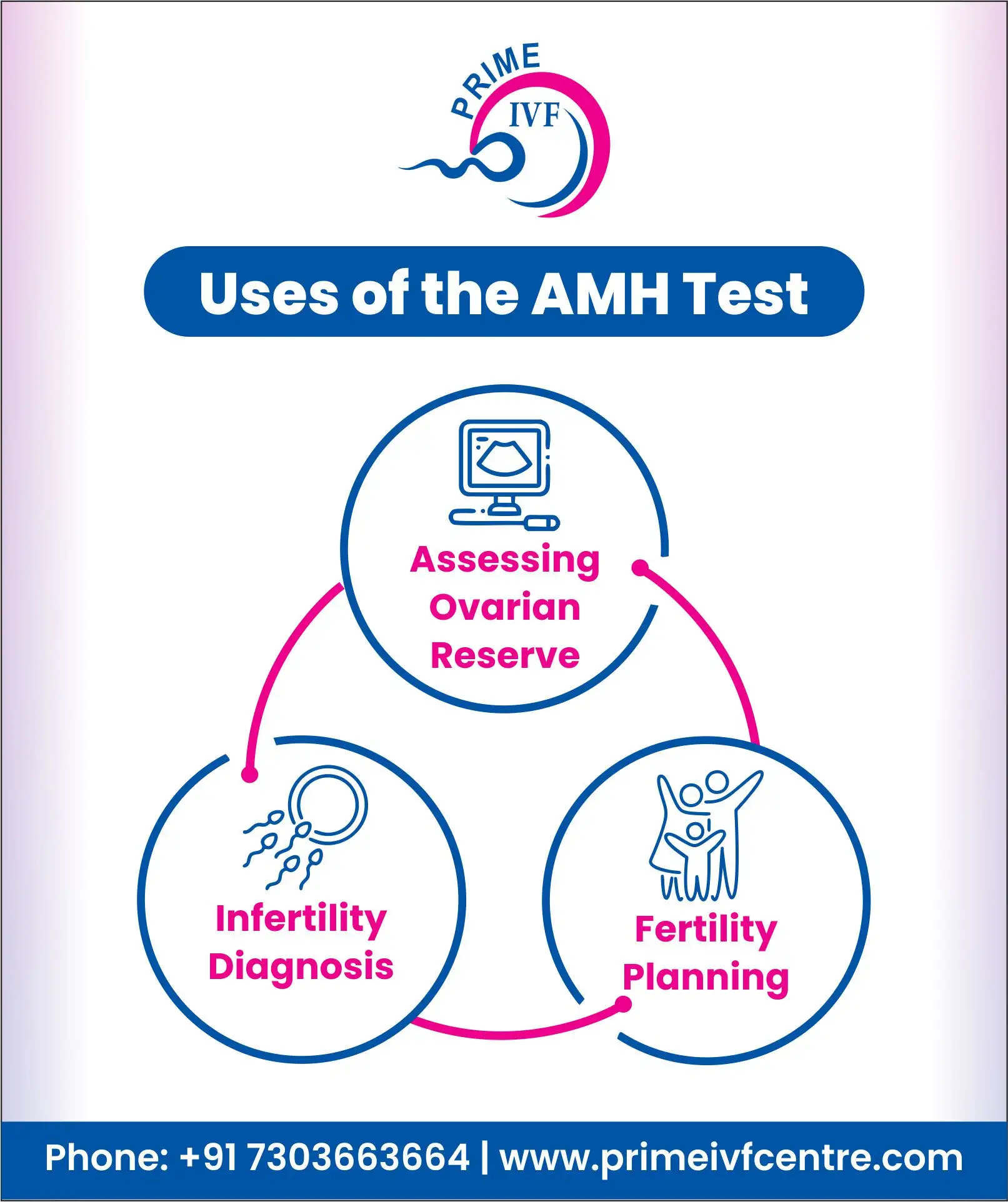
AMH is a proxy for the “ovarian reserve,” or the estimated number of eggs remaining. However, a single AMH value is only one variable in a complex equation. Tech companies are now using ML algorithms to combine AMH data with other digital biomarkers—such as sleep patterns from wearables, basal body temperature data, and historical cycle tracking. By processing millions of these data points, AI can provide predictive insights into the timing of the menopausal transition or the likely success rate of assisted reproductive technologies like Egg Freezing or IVF.
Algorithmic Personalization
The software powering these platforms uses “If-This-Then-That” logic and neural networks to offer personalized recommendations. If a user’s AMH levels show a specific rate of decline over two years, the software might trigger a personalized notification recommending a consultation with a specialist. This proactive, algorithmic approach to health is a significant departure from the reactive nature of traditional medicine. It represents a move toward “Precision Medicine,” where software tools help individuals manage their biological capital with the same rigor used in financial planning.
Data Security and the Infrastructure of Health-Tech Platforms
As the AMH test becomes a digital product, the focus shifts toward the security and privacy of the sensitive bio-information being generated. The infrastructure required to store and protect hormonal data is a critical component of the tech stack for any company in this space.
Encrypted Bio-Data Storage
Given the sensitive nature of reproductive health data, companies are employing end-to-end encryption and decentralized storage solutions. In some jurisdictions, the storage of AMH results must comply with strict regulatory frameworks like HIPAA in the United States or GDPR in Europe. Advanced tech platforms are implementing “Zero-Knowledge” architectures, where the service provider cannot access the raw health data without the user’s explicit digital key. This ensures that a person’s biological profile remains private and protected from potential data breaches.
The Role of Cloud Computing in Diagnostics
The scalability of AMH testing services relies heavily on cloud infrastructure. When a lab processes a sample, the raw data is often uploaded to a cloud-based server for analysis and interpretation. Cloud computing allows for the real-time processing of complex biological models that would be too computationally intensive for a local machine. This allows for a seamless user experience, where a user can receive an alert on their smartphone the moment their biological data has been synthesized and analyzed by a remote server.
Emerging Trends: The Future of Biosensor Technology
Looking toward the horizon, the technology surrounding the AMH test is moving toward real-time monitoring and non-invasive sensing. We are entering an era where the “snapshot” approach of a blood test may be replaced by continuous data streams.
Wearable Biosensors
Engineers are currently developing wearable biosensors capable of detecting protein biomarkers in interstitial fluid or sweat. While current wearables like the Apple Watch or Oura Ring focus on physical metrics (heart rate, temperature), the next generation of “Smart Patches” aims to monitor hormonal fluctuations, including AMH, in real-time. This would require a monumental leap in sensor technology, involving synthetic biology and molecular recognition elements integrated into flexible electronic circuits.
Digital Twins and Biological Simulation
One of the most ambitious trends in Health-Tech is the creation of “Digital Twins.” By inputting AMH test results and other physiological data into a high-powered simulation, scientists can create a virtual model of a person’s reproductive system. This “Digital Twin” can be used to run simulations of how the body might respond to different treatments or lifestyle changes. This move from data tracking to data simulation represents the pinnacle of the current tech trajectory in the fertility space.
In conclusion, the AMH test is far more than a simple blood draw; it is the entry point into a complex digital ecosystem. It represents the successful integration of automated laboratory hardware, cloud-based data management, and AI-driven predictive analytics. As the technology continues to advance, the AMH test will remain a vital tool in the FemTech arsenal, empowering users with the data they need to navigate their biological futures through the lens of modern software and engineering.
aViewFromTheCave is a participant in the Amazon Services LLC Associates Program, an affiliate advertising program designed to provide a means for sites to earn advertising fees by advertising and linking to Amazon.com. Amazon, the Amazon logo, AmazonSupply, and the AmazonSupply logo are trademarks of Amazon.com, Inc. or its affiliates. As an Amazon Associate we earn affiliate commissions from qualifying purchases.