
The Amazon Jungle, often depicted as a mystical expanse of untamed wilderness, is far more than just a biological wonder; it is a colossal financial asset, a complex economic ecosystem, and a battleground for competing monetary interests. From a financial perspective, understanding “what is the Amazon Jungle” involves recognizing its profound impact on global commodities, carbon markets, sustainable investment, and the livelihoods of millions. It is a vast reservoir of natural capital, an engine of ecosystem services valued in the trillions, and a frontier for both destructive exploitation and innovative green finance. This article delves into the economic layers of the Amazon, exploring its financial significance, the diverse monetary activities it hosts, and the intricate balance between profit, preservation, and prosperity.
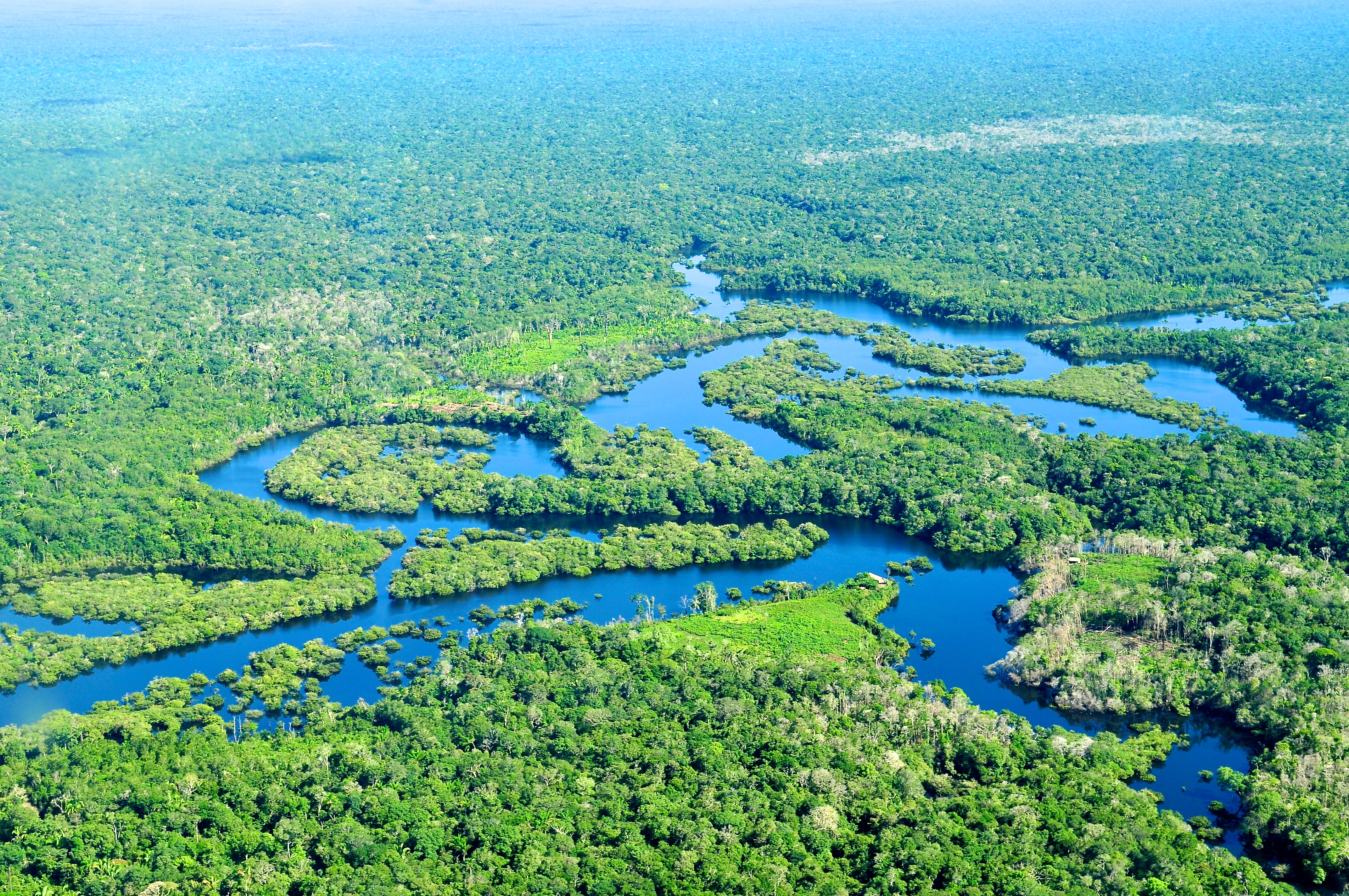
The Amazon as Untapped Natural Capital
At its core, the Amazon Jungle is an unparalleled storehouse of natural capital, holding immense, often undervalued, financial potential. This natural wealth extends beyond raw materials to encompass vital ecological functions that underpin global economic stability.
Biodiversity’s Economic Value
The Amazon is home to an estimated 10% of the world’s known species, a genetic library with staggering economic implications. This biodiversity offers a continuous source of potential pharmaceuticals, industrial enzymes, and novel food crops. Bioprospecting, the exploration of biological resources for commercial products, represents a multi-billion-dollar industry, with countless Amazonian species yet to be scientifically cataloged or financially assessed. Indigenous communities, with their deep traditional knowledge, hold keys to unlocking much of this value, often through sustainable harvesting practices that could form the basis of lucrative, ethically sourced businesses. Investment in research and development to identify, patent, and commercialize these natural compounds could yield significant returns, fostering a new bioeconomy that incentivizes preservation over destruction. The potential for new drugs, agricultural innovations, and sustainable biomaterials from the Amazon’s flora and fauna underscores its role as a living venture capital fund for future industries.
Ecosystem Services and Their Monetary Worth
Beyond tangible products, the Amazon provides invaluable ecosystem services, which, if monetized, represent an astounding financial contribution to the global economy. Its vast forests act as the planet’s largest terrestrial carbon sink, absorbing billions of tons of carbon dioxide annually, a service crucial for mitigating climate change. The monetary value of carbon sequestration, particularly within emerging carbon markets, positions the Amazon as a critical global asset for climate finance. Furthermore, the Amazon is responsible for a significant portion of the world’s freshwater cycle, influencing rainfall patterns across South America and beyond, impacting agriculture, hydroelectric power generation, and water security—all services with immense economic implications. Quantifying the financial value of these services, though challenging, highlights the substantial economic loss incurred by deforestation and the significant economic benefit derived from conservation.
Indigenous Knowledge and Economic Empowerment
The economic landscape of the Amazon is deeply intertwined with its indigenous populations, who are often the frontline stewards of its biodiversity. Their traditional knowledge, passed down through generations, represents an invaluable, non-monetary asset that can be translated into sustainable economic ventures. Initiatives supporting indigenous-led enterprises – such as the sustainable harvesting of non-timber forest products (e.g., Brazil nuts, açaí berries, medicinal plants), ecotourism, and artisan crafts – not only generate local income but also provide powerful economic incentives for forest preservation. Investment in these ventures can create resilient local economies, empowering communities and offering alternatives to destructive industries, thereby creating a financially sustainable model for conservation that benefits both people and the planet.
Economic Activities and Financial Stakes in the Amazon
The Amazon is a dynamic arena of diverse economic activities, each with significant financial stakes, often pitting short-term gain against long-term sustainability. Understanding these activities is crucial to grasping the Amazon’s role in global finance.
Traditional Industries: Mining, Logging, and Agriculture
Historically, and presently, much of the Amazon’s economic activity revolves around resource extraction. Large-scale agriculture, particularly cattle ranching and soy cultivation, is a primary driver of deforestation, fueled by global demand for food and feed. These industries represent multi-billion-dollar sectors, with vast financial investments in land, machinery, and logistics, often backed by international capital. Illegal logging, while less transparent, also contributes substantially to regional economies, albeit at a devastating environmental cost. Mining, especially for gold, iron ore, and bauxite, constitutes another major financial interest, attracting both large corporations and informal wildcat operations. While these industries generate significant GDP and employment, their financial model often externalizes environmental and social costs, creating a contentious financial landscape where profit often overshadows sustainability. The financial incentives driving these sectors are powerful, requiring equally powerful financial countermeasures to shift towards more sustainable practices.
The Rise of Ecotourism and Sustainable Ventures
In contrast to extractive industries, ecotourism and a growing number of sustainable ventures offer financially viable alternatives. Ecotourism leverages the Amazon’s unique natural beauty and biodiversity to generate income for local communities and conservation efforts. Investing in lodges, tour operators, and related infrastructure creates jobs, encourages local entrepreneurship, and provides a direct financial incentive for preserving the ecosystem. Beyond tourism, there’s a surge in businesses focused on sustainable agroforestry, producing high-value non-timber forest products, and developing bioproducts. Companies investing in traceable, ethically sourced Amazonian ingredients for cosmetics, food, and pharmaceuticals are tapping into a growing consumer market willing to pay a premium for sustainability. These ventures represent a new frontier of responsible investment, proving that economic development and ecological preservation can be mutually reinforcing.
Global Financial Interests and Supply Chains
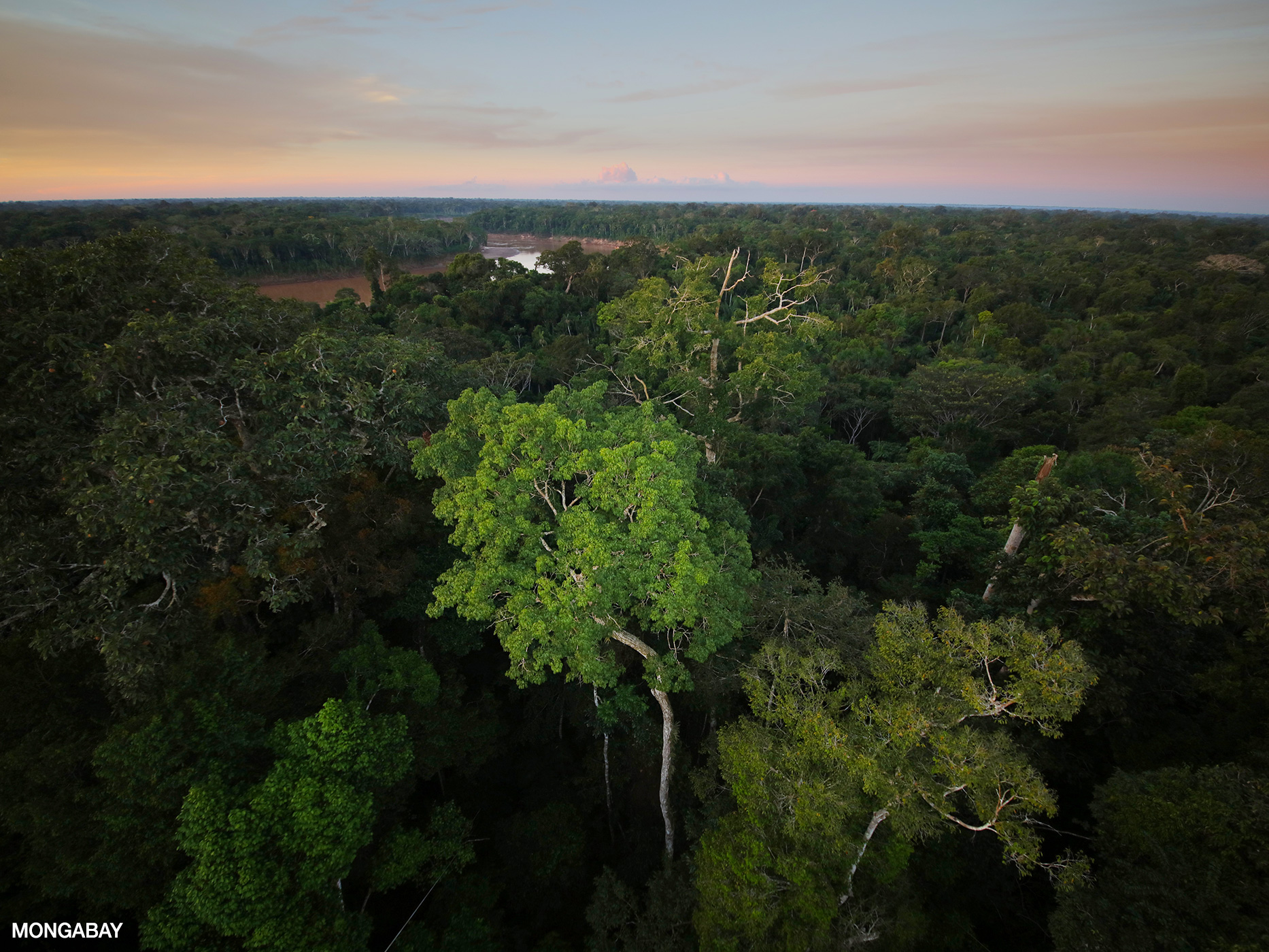
The financial health of the Amazon is inextricably linked to global supply chains and international financial markets. Major commodity traders, banks, and investment funds have significant exposure to Amazonian products, from beef and soy to minerals and timber. The financial decisions made in New York, London, or Shanghai can have direct repercussions on deforestation rates and land use in the Amazon basin. Growing pressure from consumers, NGOs, and ethical investors is pushing financial institutions to adopt stricter environmental, social, and governance (ESG) criteria, influencing lending practices and investment portfolios. This creates a financial incentive for companies operating in the Amazon to demonstrate sustainability, as access to capital and market acceptance increasingly depend on it. Understanding these global financial linkages is key to leveraging market forces for positive environmental change.
Investment in Conservation and Sustainable Development
Recognizing the global financial implications of the Amazon’s degradation, there’s a growing movement towards dedicated investment in its conservation and sustainable development. This represents a paradigm shift from viewing the Amazon solely as a source of raw materials to seeing it as a critical global asset requiring strategic financial management.
Carbon Markets and Green Finance
Carbon markets, both compliance and voluntary, offer a potent financial mechanism for valuing the Amazon’s role in climate regulation. Projects that reduce emissions from deforestation and forest degradation (REDD+) allow Amazonian nations and communities to sell carbon credits to polluters, providing a direct financial stream for forest protection. The expansion of green bonds, impact investing funds, and other innovative financial instruments are channeling billions into conservation initiatives, sustainable infrastructure, and biodiversity protection. These financial tools allow investors to achieve both financial returns and positive environmental outcomes, making conservation an increasingly attractive asset class. The development of robust, transparent carbon markets is critical for unlocking significant private sector finance for the Amazon.
Philanthropy and International Aid
While market mechanisms are growing, philanthropy and international aid remain crucial pillars of Amazonian conservation finance. Large foundations, international organizations, and government aid agencies allocate substantial funds to protect critical habitats, support indigenous communities, and strengthen environmental governance. These funds often act as catalytic capital, enabling pilot projects, capacity building, and essential research that lay the groundwork for larger-scale sustainable investments. The financial flows from these sources are vital for addressing the non-market aspects of conservation and supporting initiatives that may not immediately generate revenue but are critical for long-term ecological and social resilience.
Business Models for a Green Amazon
Innovative business models are emerging, demonstrating that profit and preservation can coexist. These include companies developing sustainable aquaculture, cultivating non-timber forest products for global markets (e.g., sustainable rubber, specialty foods), and investing in renewable energy projects that minimize environmental impact. The focus is on creating value chains that keep the forest standing, provide economic benefits to local communities, and meet the demands of a growing green consumer market. Financial tools like microfinance, venture capital for green startups, and impact investment platforms are helping these models scale, proving that a “green Amazon” can be a financially thriving one.
Navigating the Financial Jungle: Risks, Rewards, and Ethical Considerations
The economic landscape of the Amazon is a complex “financial jungle” where opportunities and perils coexist. Navigating it requires a deep understanding of the financial risks, potential rewards, and profound ethical considerations involved.
The Cost of Deforestation vs. The Value of Preservation
The immediate financial gains from deforestation (e.g., converting forest to cattle pasture, mining) are often stark and attractive, particularly for those operating with short-term horizons. However, the long-term economic costs—loss of ecosystem services, climate change impacts, biodiversity depletion, and damage to indigenous livelihoods—far outweigh these transient profits. Economists are increasingly quantifying these hidden costs, revealing that the true financial value of a standing, healthy Amazon forest far surpasses its value as cleared land. Investors and policymakers face the ethical and financial dilemma of balancing short-term economic growth against the immense, irreplaceable long-term value of the Amazon’s natural capital. The financial imperative for preservation is becoming clearer as the true costs of destruction become apparent.
Financial Instruments for Sustainable Investment
The financial sector is developing increasingly sophisticated instruments to facilitate sustainable investment in the Amazon. Green bonds, which earmark proceeds exclusively for environmentally friendly projects, are gaining traction. ESG (Environmental, Social, and Governance) funds screen companies based on their sustainability performance, guiding capital towards more responsible actors. Blended finance models, combining public, philanthropic, and private capital, are de-risking investments in sustainable Amazonian projects, making them more appealing to mainstream investors. These instruments provide avenues for individuals and institutions to align their financial goals with their ethical values, contributing to the Amazon’s sustainable future while seeking competitive returns.

Balancing Profit with Planetary Health
Ultimately, the question of “what is the Amazon Jungle” from a financial perspective boils down to finding a sustainable balance between profit generation and planetary health. This requires a shift from conventional economics that treats nature as an endless resource to be exploited, towards an ecological economics that values natural capital and ecosystem services. Corporate social responsibility, stakeholder capitalism, and ethical investment are not just buzzwords but represent a fundamental re-evaluation of financial objectives. The Amazon serves as a critical test case for humanity’s ability to reconcile economic aspirations with ecological imperative, making wise financial decisions that secure both prosperity and the planet’s future.
The Amazon Jungle is an ecological marvel and a financial titan. Its sheer scale and biological richness translate into immense financial value, from the raw commodities it provides to the invaluable ecosystem services it delivers. Understanding “what is the Amazon Jungle” fundamentally requires acknowledging its role as a global financial asset, where investments in conservation and sustainable development are not merely altruistic acts but essential strategies for long-term economic stability and global prosperity. The decisions made today regarding the Amazon’s economic future will echo through generations, shaping not only the rainforest itself but also the financial health of our interconnected world.
aViewFromTheCave is a participant in the Amazon Services LLC Associates Program, an affiliate advertising program designed to provide a means for sites to earn advertising fees by advertising and linking to Amazon.com. Amazon, the Amazon logo, AmazonSupply, and the AmazonSupply logo are trademarks of Amazon.com, Inc. or its affiliates. As an Amazon Associate we earn affiliate commissions from qualifying purchases.