
The modern economic landscape has undergone a seismic shift, moving away from centralized corporate offices toward a decentralized, home-based model. For the aspiring entrepreneur, starting a home-based business is no longer just a “side hustle”; it is a strategic financial move that minimizes overhead while maximizing potential ROI. Whether you are looking to replace a six-figure salary or build a secondary stream of passive income, the path to a successful home enterprise requires a rigorous focus on financial planning, market viability, and scalable operations.
To transition from a concept to a cash-flow-positive entity, one must navigate the complexities of business finance, tax optimization, and capital allocation. This guide explores the essential pillars of launching a home-based business from a strictly financial and operational perspective.
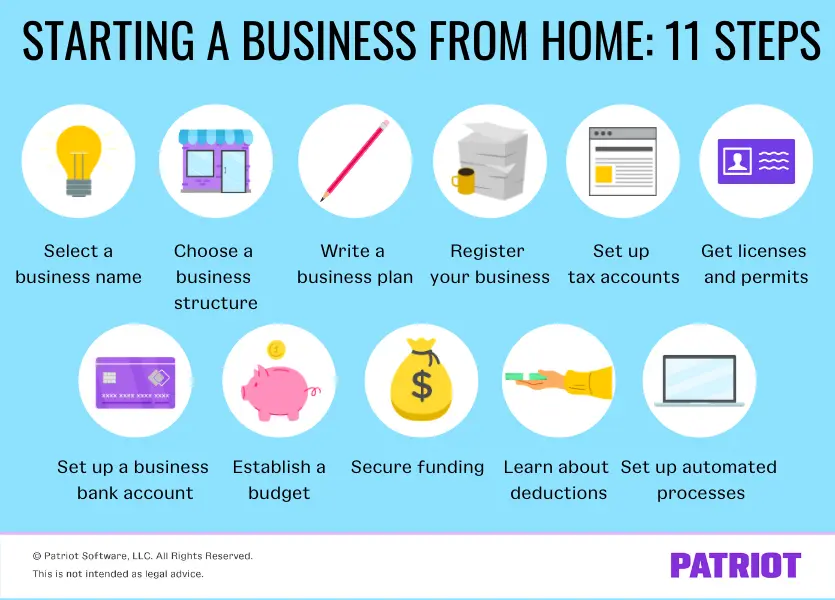
Establishing a Robust Financial Foundation
The primary advantage of a home-based business is the reduction of fixed costs, particularly commercial rent and utilities. However, this low barrier to entry can lead to a lack of financial discipline. To ensure long-term viability, a professional financial foundation must be established from day one.
Assessing Startup Costs and Capital Requirements
Before launching, you must conduct a thorough “burn rate” analysis. Even though you are working from home, costs such as high-speed internet upgrades, specialized software subscriptions, initial inventory, and legal registration fees add up. Create a comprehensive spreadsheet detailing “must-have” vs. “nice-to-have” expenditures. Bootstrapping—funding the business through personal savings—is the most common route for home-based entrepreneurs, as it avoids the pressure of high-interest debt or equity dilution.
Separating Personal and Business Finances
One of the most common mistakes in home-based entrepreneurship is the co-mingling of funds. To protect your personal assets and simplify accounting, it is imperative to open a dedicated business bank account. This separation is crucial for accurate bookkeeping and is often a legal requirement if you choose to incorporate. Furthermore, obtaining a business credit card can help build a credit profile for the entity, which becomes vital when seeking larger lines of credit for future expansion.
Understanding Unit Economics
To ensure your business is actually profitable, you must understand your unit economics—the direct revenues and costs associated with a single unit of your product or service. If you are selling a digital consulting package, your costs are primarily your time and software overhead. If you are selling physical goods, you must account for the Cost of Goods Sold (COGS), including shipping and packaging. A business that does not have healthy margins at the unit level will only lose more money as it scales.
Tax Strategy and Legal Structure
Operating from home provides unique tax advantages, but it also introduces specific regulatory obligations. Choosing the right legal structure and understanding your tax liabilities can save thousands of dollars annually.
Selecting the Right Business Entity
The legal structure you choose impacts your personal liability and how you are taxed.
-
Sole Proprietorship: The simplest form, where the owner and business are the same legal entity. While easy to set up, it offers no protection for personal assets against business debts.
-
Limited Liability Company (LLC): A popular choice for home-based businesses, as it provides a shield for personal assets while allowing for “pass-through” taxation, where profits are reported on the owner’s individual tax return.
-
S-Corp Election: For businesses generating significant profit, electing S-Corp status can reduce self-employment taxes by allowing the owner to pay themselves a “reasonable salary” and take the remaining profit as a distribution.
Maximizing the Home Office Deduction
The IRS and other global tax authorities often provide deductions for the business use of a home. To qualify for the home office deduction, a specific area of your home must be used “regularly and exclusively” for business. You can typically deduct a portion of your mortgage interest or rent, property taxes, utilities, and home maintenance based on the percentage of your home dedicated to work. This is a powerful tool for reducing your overall taxable income.
Managing Self-Employment Taxes
Unlike traditional employees, home-based business owners are responsible for both the employer and employee portions of Social Security and Medicare taxes. This “self-employment tax” can be a shock to those unprepared. A disciplined entrepreneur sets aside approximately 25-30% of every dollar earned in a high-yield savings account to cover quarterly estimated tax payments, avoiding year-end penalties and cash flow crises.
Revenue Models and Market Analysis

A business is only as strong as its ability to generate consistent revenue. Identifying a profitable niche requires moving beyond passion and focusing on market demand and price elasticity.
Identifying High-Margin Niches
Not all home-based businesses are created equal. Service-based businesses (consulting, digital marketing, bookkeeping) often have the highest margins because they require minimal inventory. Conversely, e-commerce businesses require careful management of supply chains and logistics. When selecting your niche, look for “pain points” in the market where customers are willing to pay a premium for a solution. High-demand, low-competition areas are the gold standard for rapid profitability.
Pricing Strategies for Growth
Pricing is a lever that directly affects your bottom line. Many new entrepreneurs default to “cost-plus” pricing, adding a small margin to their expenses. However, “value-based” pricing—charging based on the perceived value to the customer—is often more lucrative. Research your competitors’ pricing models but avoid a “race to the bottom.” If your business competes solely on price, you are vulnerable to larger competitors with better economies of scale.
Diversifying Income Streams
To mitigate financial risk, successful home-based businesses often develop multiple revenue streams. For example, a home-based graphic designer might offer bespoke client services (active income) while also selling digital templates or online courses (passive income). This diversification ensures that if one revenue source slows down, the business remains solvent.
Building the Financial and Operational Infrastructure
Efficiency is the key to maintaining profitability while working solo. Implementing the right tools and systems allows you to focus on high-value activities rather than administrative minutiae.
Implementing Automated Bookkeeping
In the early stages, you might be tempted to use a simple spreadsheet for accounting. However, as transactions increase, this becomes a liability. Utilizing cloud-based financial software like QuickBooks, Xero, or FreshBooks allows for real-time tracking of income and expenses. Many of these tools sync directly with your bank account, automating the categorization of expenses and making tax season significantly less stressful.
Managing Cash Flow and Working Capital
Cash flow is the lifeblood of any small business. There is a fundamental difference between profit and cash flow; a business can be profitable on paper but still run out of money if its accounts receivable are lagging. Implement strict invoicing terms (e.g., Net-15 or Net-30) and utilize automated reminders for late payments. Maintaining a “cash cushion”—typically three to six months of operating expenses—is essential for weathering seasonal downturns or unexpected costs.
Lean Operational Scaling
The “lean” philosophy suggests that you should only invest in infrastructure that directly contributes to revenue. Avoid the trap of “lifestyle entrepreneurship”—buying expensive equipment or branding packages before you have proven your business model. Use virtual assistants or freelance contractors for non-core tasks (like data entry or basic scheduling) to keep your fixed payroll costs at zero while you grow.
Scaling Profits and Long-Term Wealth Building
The ultimate goal of a home-based business is often financial independence. Achieving this requires a transition from “working in the business” to “working on the business.”
Reinvesting for Compounded Growth
Once the business is consistently profitable, the owner faces a choice: withdraw the profits or reinvest. To scale, you must allocate capital toward growth drivers, such as targeted advertising, improved technology, or expanding your product line. Think of your business as an investment vehicle; the more efficiently you can reinvest capital back into the company at a high rate of return, the faster your net worth will grow.
Retirement Planning for the Self-Employed
Home-based business owners do not have access to employer-sponsored 401(k) matches, but they do have access to powerful tax-advantaged retirement accounts. Options like the Simplified Employee Pension (SEP) IRA or the Solo 401(k) allow for significantly higher contribution limits than traditional IRAs. These contributions are typically tax-deductible, further reducing your annual tax burden while building long-term wealth outside of the business itself.

Preparing for an Exit or Passive Ownership
Even if you are just starting, it is wise to build the business with an “exit strategy” in mind. A business that is entirely dependent on your personal labor is a job, not an asset. By documenting processes, building a brand that exists independently of your name, and creating recurring revenue models, you create an entity that can eventually be sold or managed by others. This transition from active labor to asset ownership is the final stage of a successful home-based business journey.
Starting a home-based business is a sophisticated financial endeavor that rewards those who prioritize data, discipline, and strategic planning. By treating the venture with the same financial rigor as a major corporation, you can turn a home office into a powerful engine for wealth creation and professional freedom.
aViewFromTheCave is a participant in the Amazon Services LLC Associates Program, an affiliate advertising program designed to provide a means for sites to earn advertising fees by advertising and linking to Amazon.com. Amazon, the Amazon logo, AmazonSupply, and the AmazonSupply logo are trademarks of Amazon.com, Inc. or its affiliates. As an Amazon Associate we earn affiliate commissions from qualifying purchases.