
In the vast lexicon of commerce and consumer goods, the acronym “ALC” often refers to “Alcohol by Volume” (ABV), a critical metric that underpins a multi-trillion-dollar global industry. While seemingly a simple measure, understanding the ALC is fundamental to navigating the complex financial landscape of alcoholic beverages, impacting everything from production costs and pricing strategies to regulatory frameworks, consumer behavior, and investment opportunities. For businesses and investors alike, ALC is not merely a number on a label; it’s a cornerstone of financial strategy and market analysis in one of the world’s most enduring and profitable sectors.

Understanding ALC in the Commercial Landscape
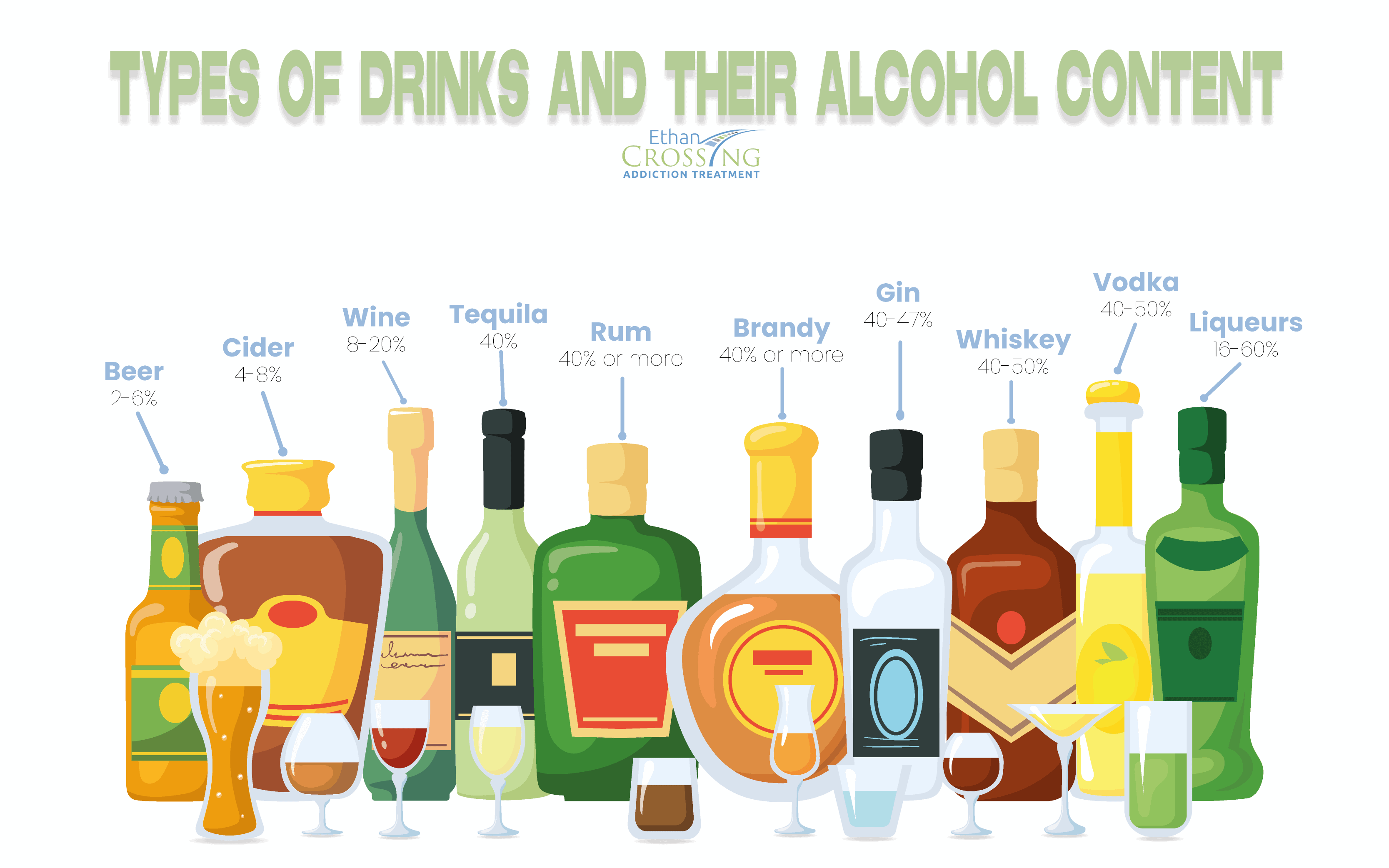
The ALC, or alcohol by volume, quantifies the amount of ethanol present in an alcoholic beverage as a percentage of the total volume. This seemingly straightforward figure is, in fact, a pivotal element dictating numerous commercial and financial considerations for producers, distributors, retailers, and consumers within the alcoholic beverage industry. Its significance stretches beyond taste and potency, directly influencing market dynamics and financial outcomes.
ALC as a Core Product Metric
For producers, ALC is a defining characteristic of their product. It determines the beverage category—whether it’s a beer, wine, spirit, or a ready-to-drink (RTD) cocktail—and often dictates the target market and brand positioning. A higher ALC in spirits, for instance, typically implies a concentrated product often consumed in smaller quantities or mixed, leading to different packaging and serving size economics compared to lower ALC beverages like beer. Craft brewers might innovate with unique yeast strains and fermentation processes to achieve specific ALC profiles that appeal to discerning consumers, investing significant research and development capital to perfect these formulations. Wineries carefully manage fermentation to achieve desired ALC levels that impact the wine’s body, flavor profile, and aging potential, all of which directly affect its market value and perceived quality. The precision in measuring and maintaining ALC levels is a mark of quality assurance, protecting brand reputation and ensuring consumer trust—factors that translate directly into sustained sales and financial performance.
Regulatory and Taxation Implications
One of the most profound financial impacts of ALC lies within its regulatory and taxation implications. Governments worldwide impose excise taxes on alcoholic beverages, often directly tied to their ALC. Higher ALC products typically incur higher tax rates per unit of volume, which significantly influences wholesale and retail pricing. For businesses, accurately calculating and remitting these taxes is a complex, ongoing financial obligation. Miscalculations can lead to severe penalties, impacting profitability and even solvency.
Beyond taxation, ALC also dictates various licensing requirements, sales restrictions (e.g., specific hours, locations, or types of establishments authorized to sell certain ALC levels), and marketing regulations. For example, some jurisdictions have different licensing tiers for establishments selling beer/wine versus hard spirits, each with distinct application fees and compliance costs. Importing and exporting alcoholic beverages also involve tariffs and duties that are frequently ALC-dependent, creating intricate financial models for international trade. Businesses must invest in legal and compliance expertise to navigate these evolving regulatory landscapes, adding a considerable overhead cost but also mitigating significant financial risks.
Financial Impact on Businesses
The ALC of a product has a cascading financial effect across the entire business ecosystem of alcoholic beverages, from the initial stages of production to final sales and long-term investment.
Production Costs and Pricing Strategies
The ALC directly influences a beverage’s production costs. Higher alcohol content generally requires more raw materials (e.g., grains for beer, grapes for wine, specific ingredients for spirits) and potentially longer fermentation, distillation, or aging processes. Each of these steps contributes to increased capital expenditure on ingredients, energy consumption, equipment maintenance, and labor. For distilleries, the cost of specialized stills and energy for multiple distillation runs can be substantial for high-ALC spirits. Wineries investing in premium oak barrels for extended aging periods to develop complex flavor profiles in higher ALC wines incur significant costs over several years before a product reaches the market.
These production costs, alongside regulatory taxes, form the basis of a product’s pricing strategy. Businesses must carefully balance production economics with market demand and competitive pricing. A high-ALC product might command a premium price due to its potency and perceived quality, allowing for higher profit margins per unit. However, if the price point becomes too high, it risks alienating a segment of the consumer base. Conversely, lower-ALC products might be priced more accessibly, relying on volume sales to generate revenue. Dynamic pricing models, often influenced by ALC, market trends, and promotional activities, are crucial for optimizing revenue and market share.
Supply Chain and Distribution Economics
The ALC also plays a significant role in the economics of supply chain management and distribution. Different ALC categories may necessitate specialized handling, storage, and transportation. High-ALC spirits, for instance, might require stricter security measures to prevent theft due to their higher intrinsic value. Temperature-controlled environments are often critical for wines and certain beers, adding to logistics costs. The weight and volume of products, influenced by packaging choices which are often designed to protect and present ALC-specific beverages, also impact freight costs.
Distribution networks themselves can be segmented by ALC. In some markets, a separate licensing and distribution channel exists for spirits compared to beer and wine, requiring businesses to establish multiple, often costly, logistical infrastructures. For instance, a company might need to work with distinct distributors who specialize in spirits versus those handling broader alcoholic beverage portfolios. Managing these diverse supply chains efficiently is paramount for profitability, as any inefficiencies or bottlenecks can lead to increased operational costs, spoilage, and lost sales opportunities. Effective inventory management, forecasting, and leveraging economies of scale where possible are critical financial levers in this intricate landscape.
Marketing, Sales, and Profit Margins
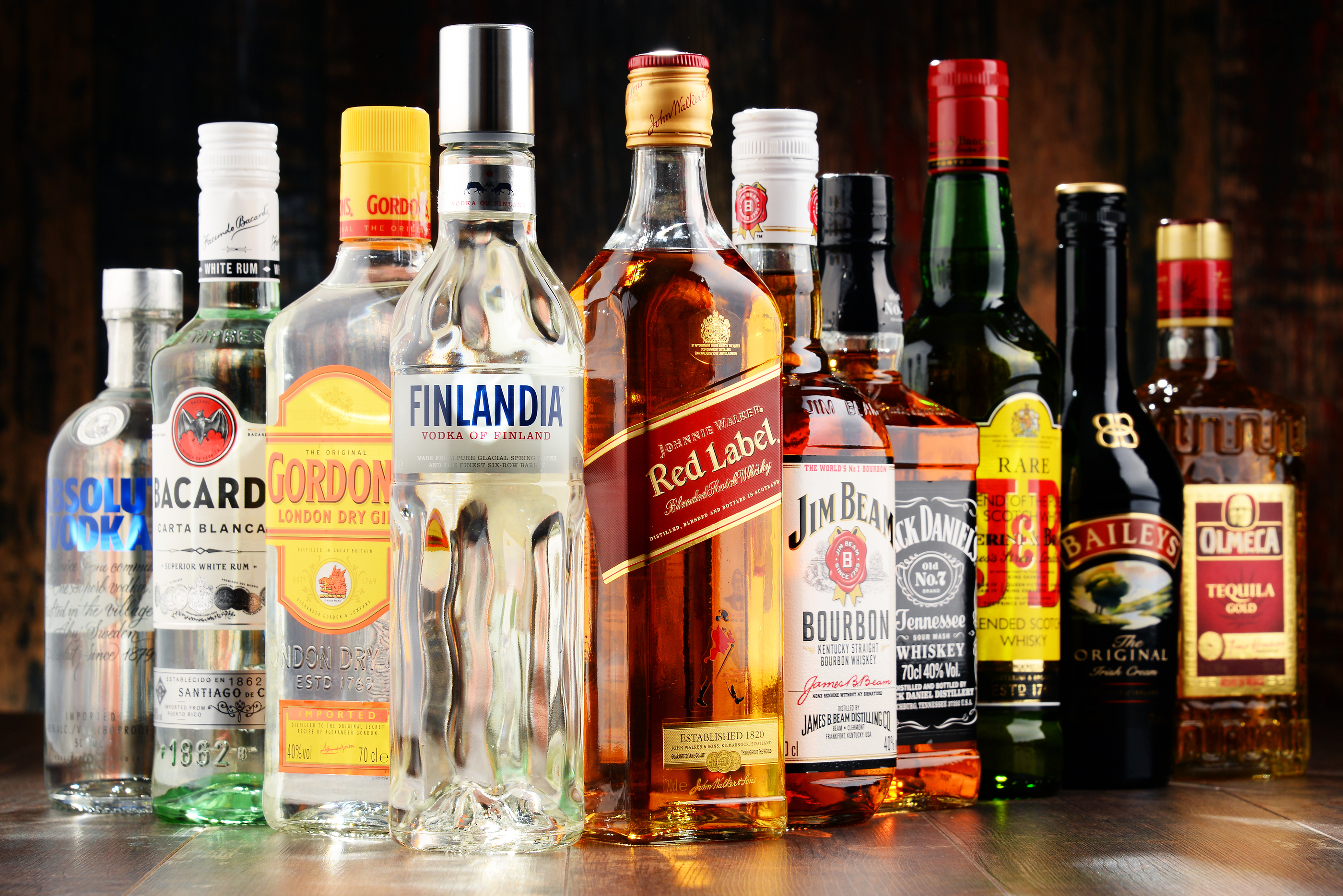
Marketing and sales strategies are heavily influenced by a product’s ALC. Advertising regulations frequently vary based on alcohol content, with stricter rules for higher-ALC products regarding target demographics, messaging, and media placement. Brands must invest in creative, compliant marketing campaigns that effectively communicate their product’s value proposition while adhering to legal constraints. The target audience for a low-ALC beer, for example, might be broad and encompass social occasions, while a high-end single malt Scotch (high ALC) would target connoisseurs and luxury markets, each requiring vastly different advertising spend and distribution channels.
Ultimately, ALC directly impacts profit margins. While high-ALC products might have higher unit costs and taxes, they can also command higher retail prices and often have longer shelf lives, potentially reducing waste and improving inventory turnover. Low-ALC beverages might have lower unit margins but can achieve significant overall revenue through high-volume sales. The optimal financial strategy often involves a balanced portfolio of products across various ALC levels, diversifying risk and catering to different market segments. Understanding these dynamics allows businesses to make informed decisions about product development, market entry, and promotional investments to maximize financial returns.
Investing in the Alcoholic Beverage Industry
The alcoholic beverage industry, intrinsically linked to the ALC metric, represents a robust and often resilient sector for investors. Its stability, driven by consistent consumer demand across economic cycles, offers diverse opportunities for capital growth and dividend income.
Publicly Traded Companies and Market Trends
Major multinational conglomerates dominate a significant portion of the alcoholic beverage market. Companies like Diageo (Johnnie Walker, Guinness), Anheuser-Busch InBev (Budweiser, Stella Artois), Pernod Ricard (Absolut, Jameson), and Constellation Brands (Corona, Modelo, Robert Mondavi) offer investors exposure to diversified portfolios spanning spirits, beer, and wine across various ALC categories. Investing in these publicly traded entities provides access to established brands, global distribution networks, and economies of scale. Analyzing their financial reports, investors often look at metrics such as revenue growth, profit margins, market share in specific ALC segments (e.g., premium spirits versus mainstream beer), and strategies for navigating regulatory changes and evolving consumer preferences.
Current market trends, heavily influenced by ALC, include the premiumization of spirits and wines, where consumers are willing to pay more for higher-quality, often higher-ALC, craft or luxury products. The growth of the RTD (Ready-to-Drink) cocktail segment, which features a diverse range of ALC levels, is another significant trend, appealing to convenience-driven consumers. Investors assess how well these large corporations are adapting to these trends, either through organic product development, strategic acquisitions, or marketing innovations, all of which directly impact their financial performance and stock valuation.
Craft and Niche Market Opportunities
Beyond the giants, the craft beverage movement—encompassing craft beer, artisanal spirits, and boutique wineries—presents compelling investment opportunities, albeit with higher risk profiles. These smaller players often focus on unique ALC profiles, innovative flavors, and locally sourced ingredients, appealing to niche consumer segments seeking authenticity and distinct experiences. Investing in craft businesses can yield significant returns if a brand successfully scales or is acquired by a larger entity.
Private equity and venture capital funds frequently target these burgeoning craft producers, recognizing their growth potential. For individual investors, opportunities might exist through crowdfunding platforms or direct investment in promising local ventures. However, due diligence is crucial, as success in the craft market requires not only a great product (often defined by its ALC and flavor profile) but also astute business management, effective marketing, and a clear path to scaling production and distribution without compromising quality. The financial metrics to scrutinize include production capacity, market penetration within specific demographics, brand loyalty, and the ability to navigate local and regional ALC-specific regulations.
The Future of ALC: Trends and Financial Outlook
The alcoholic beverage industry is not static; it constantly evolves with consumer tastes, technological advancements, and shifts in societal attitudes. Understanding these future trends, particularly concerning ALC, is crucial for both businesses seeking sustained profitability and investors looking for long-term growth.
Non-Alcoholic and Low-ALC Market Growth
One of the most significant emerging trends impacting the traditional ALC landscape is the rapid growth of the non-alcoholic (NA) and low-alcohol (Lo-ALC) beverage market. Driven by health and wellness trends, increased mindfulness about alcohol consumption, and a desire for more inclusive social drinking options, this segment is attracting substantial investment. Major brewers and distillers are launching NA beers, spirits, and wines, and a host of innovative startups are entering the space.
From a financial perspective, this trend represents both a challenge and an opportunity. For traditional high-ALC producers, it necessitates diversification and innovation to retain market share. For new ventures, it opens up a lucrative market with potentially different regulatory hurdles (often fewer taxes and restrictions due to lower ALC), allowing for different pricing and distribution strategies. Investors are keenly observing which companies can successfully capture this growing market, analyzing revenue streams, product development pipelines, and marketing effectiveness in a landscape where ALC is either minimal or entirely absent.
Digital Sales and E-commerce Evolution
The global shift towards digital commerce has profoundly impacted the alcoholic beverage industry, accelerating the growth of online sales, especially post-pandemic. E-commerce platforms, direct-to-consumer (DTC) models, and app-based delivery services are reshaping how alcoholic beverages of all ALC levels reach consumers. This digital transformation presents both opportunities for expanded market reach and new financial challenges.
Businesses must invest in robust e-commerce infrastructures, digital marketing capabilities, and last-mile delivery logistics. The economics of online sales, including shipping costs, packaging, and digital advertising spend, differ significantly from traditional brick-and-mortar retail. Furthermore, regulatory frameworks for online alcohol sales are complex and vary widely by jurisdiction, often with specific rules regarding ALC levels, age verification, and shipping restrictions. Companies that can effectively navigate this digital landscape, optimizing their online presence and streamlining their digital supply chains while remaining compliant, are poised for significant financial success. Investors are evaluating companies based on their digital sales penetration, efficiency of online operations, and ability to leverage data analytics to drive sales and personalize consumer experiences in this evolving, ALC-agnostic, digital marketplace.
aViewFromTheCave is a participant in the Amazon Services LLC Associates Program, an affiliate advertising program designed to provide a means for sites to earn advertising fees by advertising and linking to Amazon.com. Amazon, the Amazon logo, AmazonSupply, and the AmazonSupply logo are trademarks of Amazon.com, Inc. or its affiliates. As an Amazon Associate we earn affiliate commissions from qualifying purchases.