
California’s wildfires have become an annual, devastating fixture, razing millions of acres, destroying homes, and claiming lives. While immediate triggers like lightning strikes, downed power lines, and human activity are often cited, a deeper financial and economic analysis reveals systemic issues that amplify these events. The underlying financial landscape, from real estate development patterns to infrastructure investment and climate change costs, plays a critical role in both enabling and exacerbating the state’s escalating fire crisis.
The High Cost of the Wildland-Urban Interface (WUI)
One of the most significant financial factors contributing to California’s catastrophic fires is the relentless expansion of the Wildland-Urban Interface (WUI). This is where human development meets or intermingles with wildland vegetation, creating zones of heightened risk. The economic incentives driving this expansion, coupled with the resultant strain on insurance markets, are directly fueling the crisis.
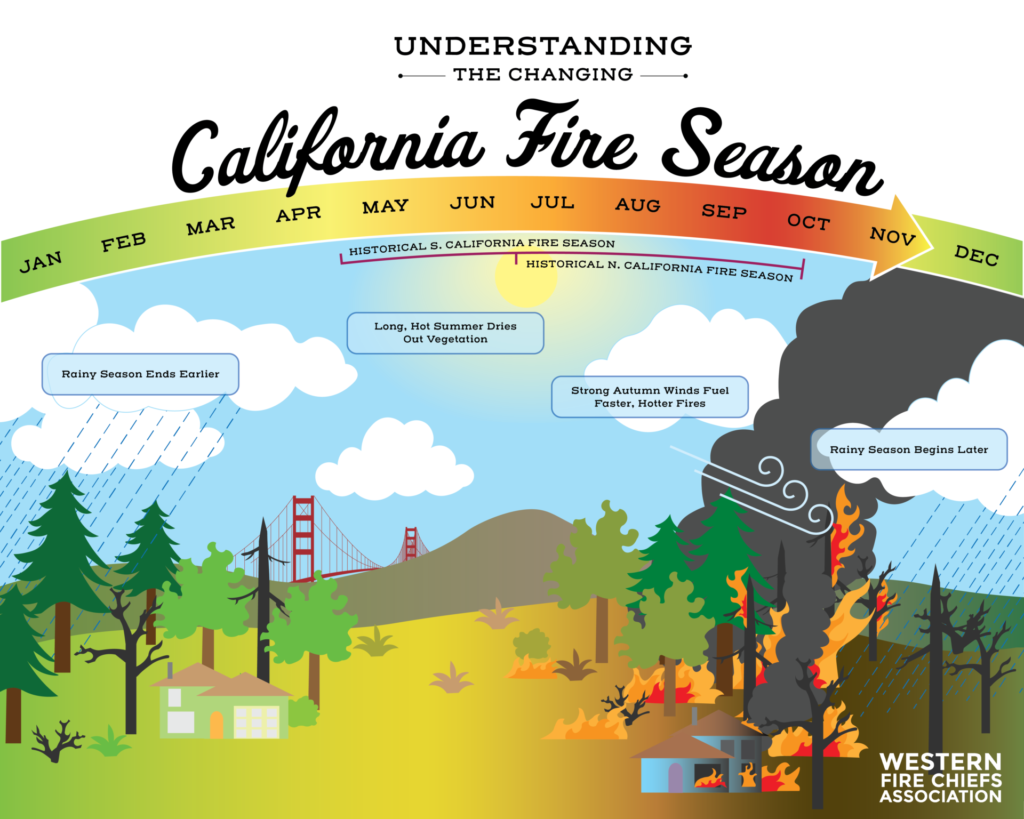
Economic Drivers of Expansion
California’s booming population and housing crisis have pushed development further into previously undeveloped, fire-prone areas. Land in urban cores is expensive and scarce, making wildland-adjacent properties appear more affordable and attractive to developers and homebuyers seeking larger lots or a “rural” lifestyle. Local governments, often reliant on property taxes and development fees, may also have financial incentives to approve such projects, despite the known fire risks. The cumulative effect is a vast and growing inventory of homes and infrastructure situated precariously close to dense vegetation, dramatically increasing the potential for structural loss and human casualties when fires ignite. The cost of building and maintaining these communities, including the necessary infrastructure like roads, utilities, and emergency services, far outstrips the tax revenue generated, especially when considering the exorbitant costs of fire suppression and disaster recovery that inevitably follow. This economic calculus creates a perverse incentive structure where short-term development gains outweigh long-term societal and environmental costs.
Insurance Market Disruptions
The escalating financial risk in WUI areas has had a profound impact on California’s insurance market. Insurers, facing billions of dollars in claims from increasingly frequent and severe fires, are withdrawing from high-risk regions or drastically increasing premiums. This creates a challenging environment for homeowners and the broader economy. Many homeowners are left scrambling for coverage, often having to resort to the California FAIR Plan, the state’s insurer of last resort, which offers limited coverage at higher rates. This situation not only places a significant financial burden on individual homeowners but also threatens property values and overall housing affordability. The inability to secure affordable insurance can deter home sales, limit access to mortgages, and create communities where residents are perpetually underinsured or financially vulnerable. The financial stability of the WUI is thus undermined, reflecting the true economic cost of building in these dangerous zones without adequate mitigation. The long-term sustainability of the property market in fire-prone areas becomes questionable, as the risk-reward ratio for both insurers and property owners shifts dramatically.
Underinvestment in Infrastructure and Forest Management
Beyond development patterns, the economic choices surrounding infrastructure maintenance and natural resource management play a pivotal role in fire causation. Decades of underinvestment in critical areas have created a highly vulnerable landscape.
Aging Grid and Financial Liabilities
California’s vast and aging electrical grid is a frequent culprit in wildfire ignitions. Power lines, particularly in rural and high-wind areas, can spark fires when damaged by trees, winds, or equipment failure. The cost of upgrading and maintaining this extensive infrastructure is staggering, estimated in the tens of billions of dollars. Historically, utility companies have sought to defer these costs, prioritizing shareholder returns over robust preventative maintenance. Regulatory frameworks, while evolving, have sometimes struggled to compel sufficient investment in hardening the grid, leading to massive financial liabilities in the aftermath of fires. Pacific Gas and Electric (PG&E), for instance, faced bankruptcy due to wildfire liabilities, highlighting the immense economic ripple effects of infrastructure negligence. The financial burden of repairing and replacing equipment after fires, coupled with legal settlements and fines, often dwarfs the upfront investment that could have prevented these disasters. This reflects a fundamental economic misalignment where the costs of deferred maintenance are externalized onto the public and environment, rather than being internalized by the utilities as a cost of doing business.
Budgetary Constraints in Land Stewardship
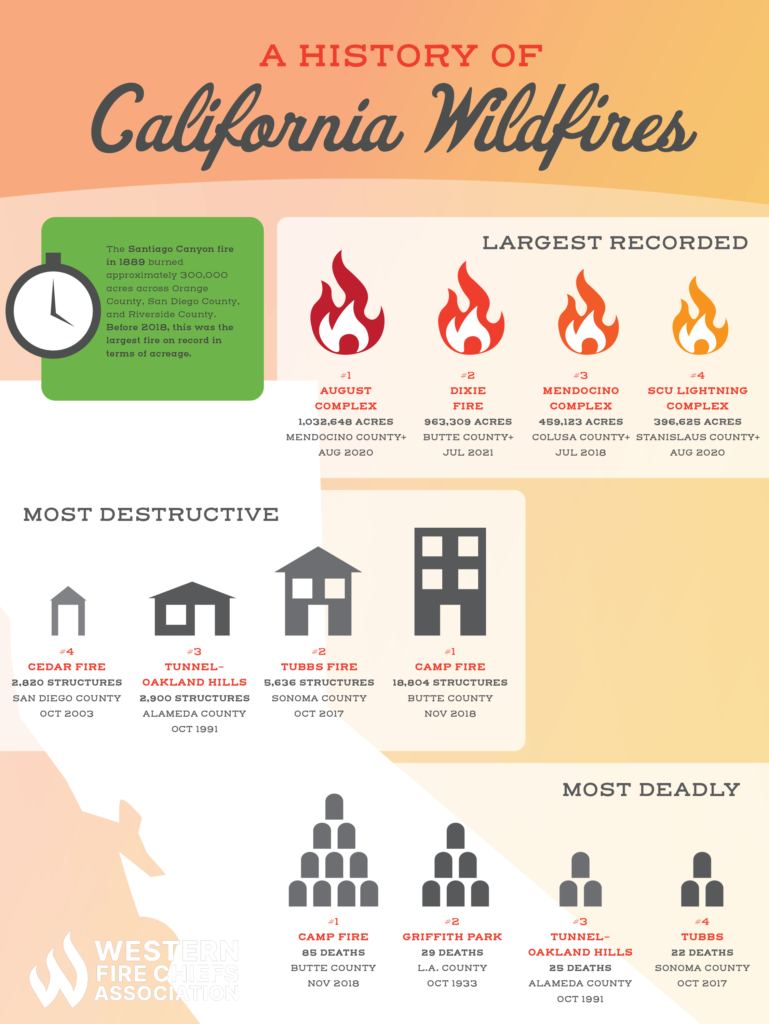
The health of California’s forests and wildlands is another critical financial consideration. For over a century, a policy of aggressive fire suppression, combined with economic pressures favoring logging over ecological management, has led to an unnatural accumulation of dense, combustible fuel. Modern science advocates for active forest management, including prescribed burns and mechanical thinning, to reduce fuel loads and restore ecological balance. However, these programs are labor-intensive and expensive. State and federal agencies responsible for land management have historically been underfunded, struggling to secure the necessary budgets for comprehensive, landscape-scale treatments. The cost of preventing a fire through proactive management—such as prescribed burning or clearing dead trees—is often perceived as high, but it pales in comparison to the billions spent on reactive fire suppression and post-fire recovery. The economic trade-off is clear: invest proactively in forest health, or pay exponentially more for disaster response and reconstruction. Financial constraints on forest agencies directly contribute to the conditions that allow small ignitions to explode into megafires.
Climate Change: An Escalating Financial Burden
While direct human actions and infrastructure issues spark many fires, the overarching context of climate change profoundly exacerbates their frequency and intensity. Climate change is fundamentally an economic problem, demanding massive financial investment to mitigate its effects and adapt to its consequences.
Economic Impact of Drought and Heat
California’s prolonged and increasingly severe droughts, driven by climate change, leave landscapes parched and vegetation highly flammable. Higher temperatures further dry out fuels and extend the fire season. These climate-induced conditions mean that once a fire starts, it spreads faster, burns hotter, and is more difficult and costly to contain. The economic impact extends beyond direct fire damage to include losses in agriculture, tourism, and public health due to smoke pollution. Water scarcity, a direct consequence of drought, impacts entire industries and necessitates significant public spending on water infrastructure projects. The financial toll of these conditions—from lost economic activity to increased healthcare costs—is immense and growing. These are systemic economic costs that make every fire worse and every preventative measure more urgent. The financial models for managing California’s economy must increasingly integrate these climate-driven costs, which currently represent a largely unquantified but ever-present drain on public and private resources.
Long-Term Financial Planning Challenges
Addressing climate change requires long-term financial commitment and strategic planning. Investing in renewable energy, upgrading infrastructure to be climate-resilient, and developing sustainable land-use practices all carry substantial price tags. Governments and businesses face the daunting challenge of allocating capital towards these initiatives while also dealing with the immediate costs of climate-induced disasters. The economic imperative is to shift from a reactive, crisis-management approach to a proactive, resilience-building strategy. This involves not only public sector investment but also fostering private sector innovation and financing for climate solutions. The market mechanisms for carbon pricing, green bonds, and climate-resilient infrastructure investment are still developing but are crucial for mobilizing the trillions needed globally. In California, the financial planning horizon for climate change must extend decades, integrating the escalating costs of fire, drought, and extreme weather into every budget and development decision.
The Financial Imperative of Prevention and Mitigation
Ultimately, understanding the causes of California’s fires through a financial lens points to a clear conclusion: investing in prevention and mitigation is not just an environmental imperative, but a profound economic necessity.
ROI of Proactive Measures
The return on investment (ROI) for proactive wildfire prevention and mitigation strategies is overwhelmingly positive. Studies consistently show that every dollar invested in mitigation can save multiple dollars in disaster response and recovery costs. This includes investments in defensible space around homes, community wildfire protection plans, power line hardening, and especially active forest management. For example, clearing brush and dead trees reduces fuel loads, making forests more resilient and fires less intense. Such measures protect property, infrastructure, and lives, thereby avoiding immense financial losses. The economic benefits extend to reduced insurance premiums, stable property markets, and preserved natural resources that support various industries. From a business finance perspective, this ROI should drive investment decisions, yet political cycles and immediate budgetary pressures often favor reactive spending.

Innovative Funding Models for Resilience
To address the immense financial challenge, California needs innovative funding models. This could include state-issued resilience bonds, public-private partnerships for grid hardening, or new tax structures to fund forest management and WUI mitigation. Encouraging private landowners and communities to invest in defensible space through financial incentives, grants, or low-interest loans is also crucial. Furthermore, the role of federal funding, particularly for national forest lands within California, remains critical. The economic argument for prevention must be continually articulated and supported by robust data, demonstrating that upfront investment is not merely an expenditure but a strategic economic safeguard against catastrophic losses. Developing sustainable financial mechanisms for wildfire resilience will be paramount to breaking the cycle of destruction and building a safer, more economically stable California.
aViewFromTheCave is a participant in the Amazon Services LLC Associates Program, an affiliate advertising program designed to provide a means for sites to earn advertising fees by advertising and linking to Amazon.com. Amazon, the Amazon logo, AmazonSupply, and the AmazonSupply logo are trademarks of Amazon.com, Inc. or its affiliates. As an Amazon Associate we earn affiliate commissions from qualifying purchases.